
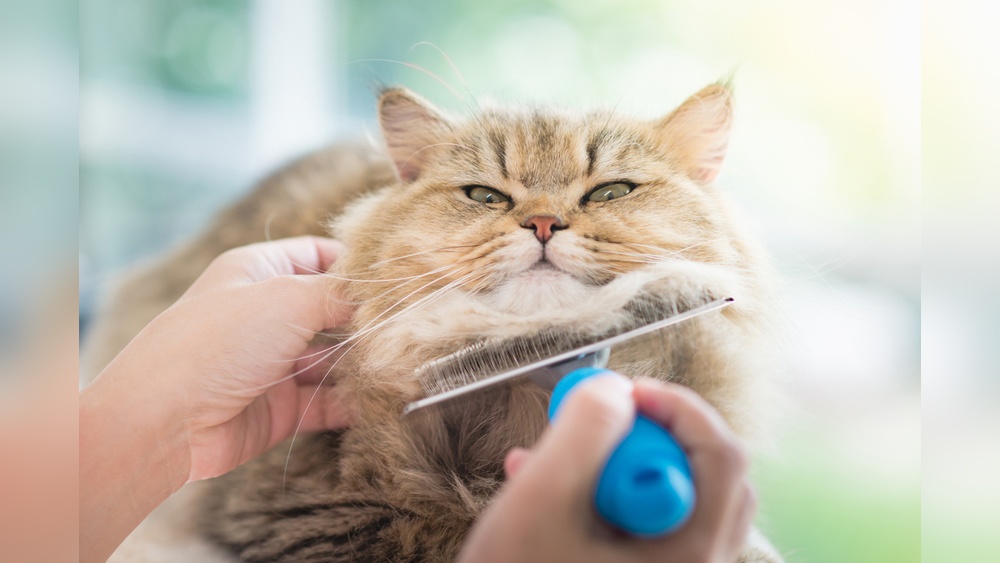
If you have a long-haired cat, you know how beautiful—and sometimes challenging—their fur can be. Tangled mats, shedding, and dirt can make grooming feel like a tough job.
But what if grooming your cat could be easier and even enjoyable for both of you? You’ll discover simple, effective steps to keep your cat’s coat healthy and shiny. By learning the right techniques, you’ll save time, reduce stress, and strengthen the bond with your furry friend.
Ready to make grooming a breeze? Let’s get started!

Credit: masterclip.co.uk
Choosing The Right Tools
Choosing the right tools is key to grooming a long-haired cat. The correct tools make brushing easier and more effective. They help remove knots and loose hair without hurting your cat. Good tools keep your cat comfortable and happy during grooming.
Brush Types For Long Hair
A slicker brush works well to remove loose hair and mats. Its fine wires reach deep into the fur. A wide-toothed comb helps untangle knots gently. Use it after brushing to catch small tangles. A pin brush is soft and good for daily use. It smooths the coat and adds shine.
Essential Grooming Accessories
Nail clippers keep your cat’s claws neat and safe. A grooming glove removes loose fur while petting your cat. Scissors with rounded tips help trim small mats or fur around the eyes. A detangling spray softens tough knots and makes brushing easier.
Cleaning And Maintenance Of Tools
Clean brushes after every use by removing hair and dirt. Wash them with mild soap and warm water to keep them fresh. Dry tools completely before storing to prevent rust or mold. Regularly check for damaged bristles or blades. Replace worn tools to protect your cat’s skin.
Preparing Your Cat
Preparing your long-haired cat for grooming is key to a smooth session. Cats can feel nervous or stressed about brushing. Taking time to prepare helps them relax. A calm cat allows easier grooming and less pulling on fur. This section covers how to create a good environment, make your cat comfortable, and pick the best time to groom.
Creating A Calm Environment
Choose a quiet room with few distractions. Turn off loud noises like TV or music. Soft lighting helps your cat feel safe. Clear away clutter to avoid startling your cat. Keep grooming tools nearby to avoid leaving your cat alone. A peaceful space lowers stress and makes grooming easier.
Getting Your Cat Comfortable
Let your cat explore the grooming area first. Sit quietly and speak in a soft voice. Offer gentle pets and praise to build trust. Use treats to create positive feelings about grooming. Start by touching your cat’s fur without tools. Gradually introduce brushes and combs. Comfort helps your cat stay calm during grooming.
Timing Your Grooming Sessions
Pick a time when your cat is calm or sleepy. Avoid grooming after playtime or meals. Short sessions work best, especially for new groomers. Five to ten minutes is enough to start. Regular sessions help your cat get used to grooming. Consistent timing makes grooming part of your routine.
Brushing Techniques
Brushing a long-haired cat needs gentle care and the right techniques. Regular brushing keeps your cat’s coat shiny and healthy. It stops hair from tangling and helps you spot skin problems early. Use soft, smooth strokes and be patient. This makes grooming a calm time for both you and your cat.
Detangling Knots And Mats
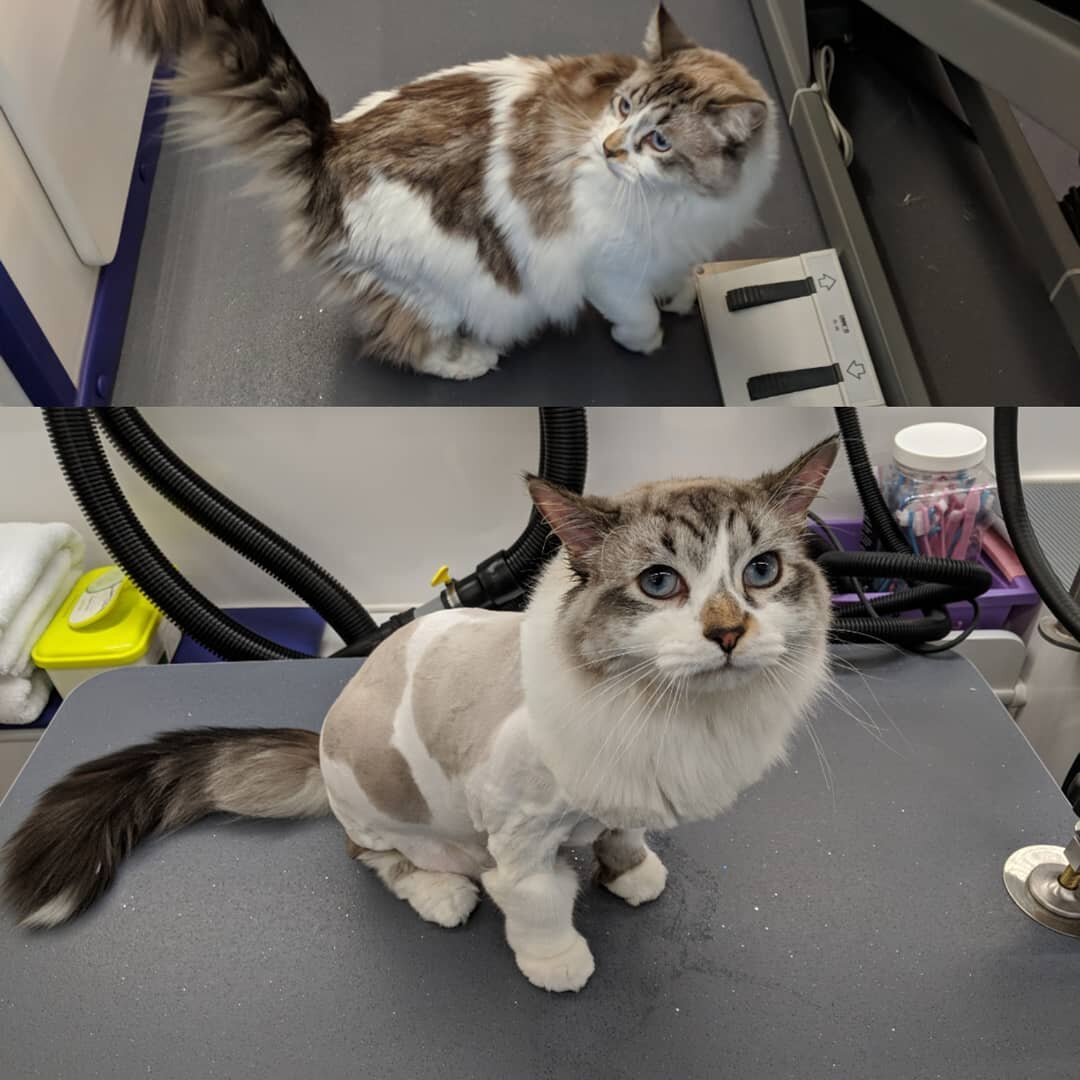
Knots and mats can hurt your cat if left alone. Start by using your fingers to gently pull apart small tangles. For bigger mats, use a wide-tooth comb or a special detangling tool. Work slowly from the edges toward the center. Never pull hard. If a mat is too tight, cut it carefully with scissors, but only if you feel safe doing so.
Brushing Direction And Pressure
Brush your cat’s fur in the direction it grows. This feels natural and stops hair breakage. Use light pressure at first. You want to feel the skin but not hurt it. Move the brush in long, smooth strokes. Change areas often to cover the whole coat. This method helps remove loose hair and dirt.
Handling Sensitive Areas
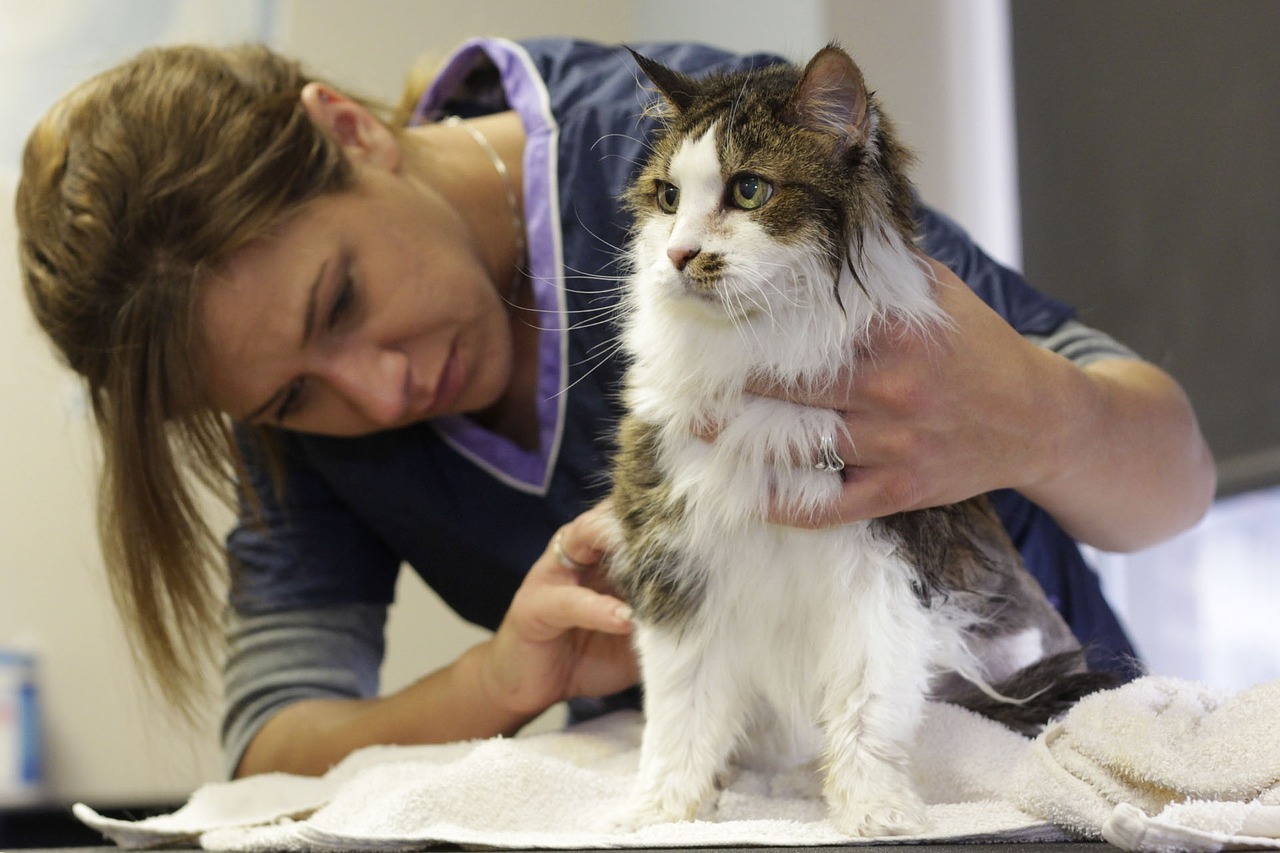
Some parts of your cat’s body need extra care. The belly, tail, and under the legs are more sensitive. Brush these areas gently and slowly. Watch your cat’s reaction. If it shows signs of discomfort, stop and try again later. Use a softer brush or your fingers for these spots. Patience builds trust and makes grooming easier.
Credit: meowtel.com
Bathing Tips
Bathing a long-haired cat can be challenging but rewarding. Regular baths help keep their coat clean and free from mats. A clean coat means less shedding and fewer hairballs. Bathing also helps spot skin problems early.
When To Bathe Your Cat
Bathe your cat only when necessary. Long-haired cats need baths if their fur is dirty or greasy. Baths help after outdoor adventures or if your cat gets into something sticky. Avoid frequent bathing to protect natural oils in their fur.
Choosing Cat-friendly Shampoos
Use shampoos made just for cats. Human shampoos can irritate their skin. Look for gentle, fragrance-free options. Shampoos with natural ingredients work best. Always check the label for safety and avoid harsh chemicals.
Step-by-step Bathing Process
Prepare everything before starting. Use lukewarm water and a non-slip mat. Gently wet your cat’s fur, avoiding the face. Apply shampoo carefully and massage it in. Rinse thoroughly to remove all soap. Dry your cat with a soft towel. Keep your cat warm until fully dry.
Drying And Finishing Touches
After washing and brushing your long-haired cat, drying and finishing touches are essential. Proper drying keeps your cat comfortable and prevents skin problems. Finishing touches help maintain a shiny, tangle-free coat. This step completes your grooming routine with care and attention.
Safe Drying Methods
Use a soft towel to gently pat your cat dry. Avoid rubbing, as it can cause tangles or skin irritation. A quiet, low-heat hairdryer can be helpful. Keep it at a safe distance from your cat’s skin. Move the dryer constantly to avoid overheating one spot. Let your cat dry naturally in a warm, draft-free room if it seems stressed.
Using Grooming Sprays
Choose a grooming spray designed for cats. These sprays add shine and reduce static. Spray lightly over the coat. Use a comb or brush to spread it evenly. Avoid sprays with strong scents or harsh chemicals. They can irritate your cat’s skin or nose. Grooming sprays make the coat soft and easier to manage.
Checking For Skin Issues
Look carefully at your cat’s skin during grooming. Check for redness, bumps, or dry patches. These signs may indicate allergies or infections. Notice any unusual hair loss or parasites. Early detection helps prevent serious problems. Contact a vet if you see anything unusual. Regular checks keep your cat healthy and happy.
Maintaining A Healthy Coat
Maintaining a healthy coat is key to your long-haired cat’s happiness. A shiny, soft coat means your cat is well cared for and healthy. It helps prevent skin problems and keeps your cat comfortable. A good coat also reduces hairballs and mats. Focus on diet, grooming, and spotting challenges early.
Diet And Nutrition Tips
Feed your cat high-quality food rich in omega-3 and omega-6 fatty acids. These fats support skin and coat health. Include protein for strong hair growth. Avoid foods with fillers or low nutrients. Fresh water helps keep skin hydrated. Consider supplements after talking to your vet.
Regular Grooming Schedule
Brush your cat daily to stop tangles and mats. Use a wide-toothed comb for thick areas. Grooming removes dirt and loose hair. It also spreads natural oils that shine the coat. Check ears, eyes, and paws during grooming. Make sessions calm and short for better results.
Recognizing Grooming Challenges
Watch for signs like excessive shedding or bald spots. Mats can cause pain and skin infections. Your cat may scratch or bite if uncomfortable. Some cats resist grooming due to fear or pain. Consult your vet if problems persist. Early action keeps your cat’s coat healthy and smooth.
Credit: www.squeakycleangrooming.com
Frequently Asked Questions
How Often Should I Groom A Long-haired Cat?
Long-haired cats need grooming at least 3-4 times weekly. Regular brushing prevents mats and tangles, keeping their coat healthy and shiny. Frequent grooming also reduces shedding and hairballs, improving your cat’s comfort and hygiene.
What Tools Are Best For Grooming Long-haired Cats?
Use a slicker brush, wide-tooth comb, and grooming scissors. A slicker brush detangles fur, while a wide-tooth comb removes loose hair. Scissors help trim mats carefully. These tools ensure gentle, effective grooming for long-haired cats.
How To Prevent Mats In Long-haired Cat Fur?
Brush your cat’s fur regularly and gently. Mats form from dirt, moisture, and neglect. Check problem areas like behind ears and under legs. Regular grooming and keeping fur dry help prevent painful mats and skin infections.
Can I Bathe My Long-haired Cat Safely?
Yes, but only occasionally and with cat-specific shampoo. Use lukewarm water and avoid the face. Bathing helps remove dirt and loose hair, but too frequent baths can dry out skin. Always dry your cat thoroughly after bathing.
Conclusion
Grooming a long-haired cat keeps their coat healthy and shiny. Regular brushing stops mats and tangles from forming. It also helps reduce shedding around your home. Take time to check their skin for any problems. Make grooming a calm, gentle routine your cat enjoys.
Clean ears and trim nails to keep them comfortable. Patience and care build trust between you and your cat. Happy grooming means a happy, healthy long-haired friend. Keep these tips in mind to care for your furry companion well.