
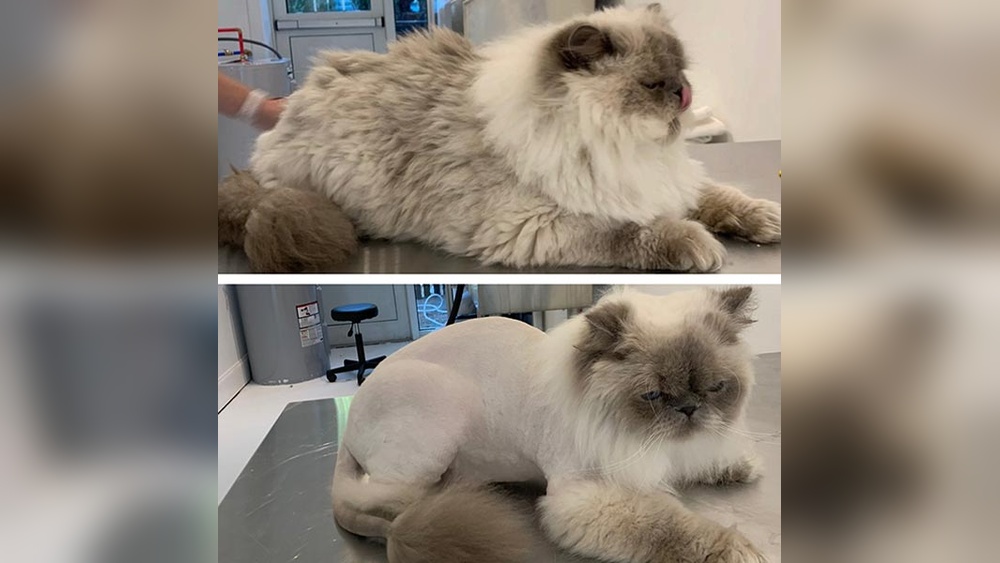
If you’re a cat owner, you’ve probably wondered, “When should my cat go to the groomer?” Knowing the right time to schedule a grooming session can make a big difference in your cat’s health and happiness. Grooming isn’t just about keeping your furry friend looking good—it helps prevent mats, reduces shedding, and can even spot health issues early.
You’ll discover the key signs that show your cat needs professional grooming and how to choose the best time to book that appointment. Keep reading to make sure your cat stays comfortable and cared for every step of the way.
Signs Your Cat Needs Grooming
Knowing the signs your cat needs grooming helps keep them healthy and happy. Regular grooming prevents skin problems and discomfort. Watch your cat’s coat and behavior closely for these clues.
Matted Fur And Tangles
Matted fur feels hard and clumps together. It can pull on your cat’s skin and cause pain. Tangles trap dirt and moisture, leading to infections. Cats with long hair need more attention to avoid mats.
Excessive Shedding
Some shedding is normal, but too much means your cat needs grooming. Loose fur can form mats or cause allergies. Brushing reduces shedding and keeps the coat smooth. Notice if fur covers furniture or your clothes often.
Unpleasant Odors
A bad smell from your cat’s coat signals a grooming issue. Dirt, oils, or skin problems cause odors. Cats groom themselves, but they might miss spots. A professional groomer cleans these areas well.
Visible Dirt And Debris
Dirt or debris on the coat shows your cat needs help grooming. Outdoor cats get more dirty, but indoor cats can too. Dust, litter, and food crumbs stick to fur and skin. Regular cleaning stops irritation and keeps cats fresh.
Recommended Grooming Frequency
Knowing how often your cat needs grooming helps keep them healthy and happy. Different cats need different care based on their fur type, age, and health. Regular grooming removes dirt, loose hair, and prevents mats. It also helps spot skin problems early.
Short-haired Cats
Short-haired cats usually groom themselves well. They need grooming every 4 to 6 weeks. This keeps their coat shiny and removes loose hairs. Brushing at home once a week also helps. It reduces shedding and hairballs.
Long-haired Cats
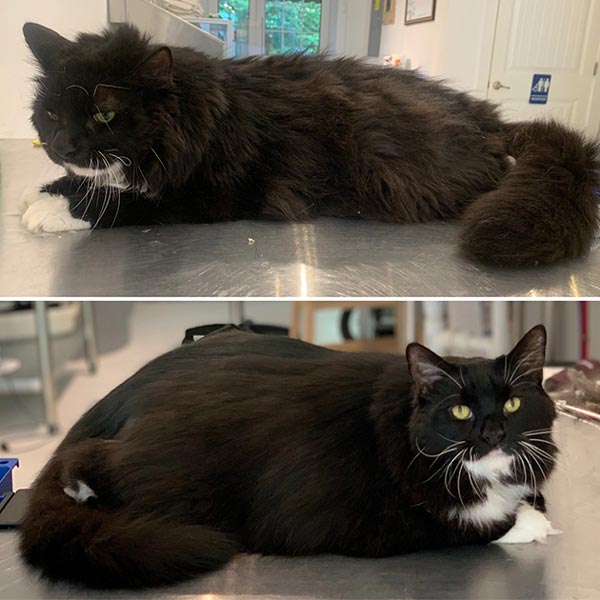
Long-haired cats need more frequent grooming. Every 3 to 4 weeks is ideal. Their fur can tangle and form mats easily. Regular grooming prevents painful knots. It also keeps their coat clean and soft.
Senior Cats
Older cats may not groom themselves properly. They often need grooming every 3 to 4 weeks. It helps keep their skin healthy and coat neat. Grooming also gives a chance to check for health issues.
Cats With Health Issues
Cats with health problems might need grooming more often. Skin conditions or arthritis can stop self-grooming. Visit the groomer every 2 to 4 weeks for these cats. Grooming helps manage their comfort and cleanliness.
Benefits Of Regular Grooming
Regular grooming helps keep your cat healthy and happy. It is not just about looks. Grooming supports your cat’s overall well-being every day.
Visiting a groomer regularly can make a big difference in your cat’s life. Here are some key benefits of regular grooming sessions.
Improved Coat Health
Grooming removes loose fur and dirt from your cat’s coat. This prevents mats and tangles that can hurt your cat. A clean coat shines and feels soft. Groomers use special tools that help keep fur smooth and healthy.
Reduced Hairballs
When cats groom themselves, they swallow loose hair. This can form hairballs in their stomach. Regular grooming lowers the amount of loose fur your cat swallows. This means fewer hairballs and less discomfort for your cat.
Early Detection Of Skin Problems
Groomers can spot skin issues early. They check for bumps, redness, or parasites like fleas. Finding problems early helps your vet treat them fast. This keeps your cat from feeling pain or itching for long.
Enhanced Comfort And Hygiene
Grooming keeps your cat clean and comfortable. It removes dirt and debris from hard-to-reach places. Groomers also trim nails to prevent scratches and pain. Clean ears and trimmed fur help your cat feel fresh and happy.
Credit: kb.rspca.org.au
Choosing The Right Groomer
Choosing the right groomer for your cat is very important. The groomer affects your cat’s comfort and health. Not all groomers have the same skills or services. You want someone who cares and knows how to handle cats well. This helps your cat stay calm and safe during grooming.
Qualifications And Experience
Check if the groomer has proper training. Experience with cats is a must. Groomers with certificates show they know grooming techniques. Years of working with cats means they understand cat behavior. This helps avoid stress and injury.
Services Offered
Different groomers offer different services. Some do basic baths and nail trims. Others provide full grooming with haircuts and ear cleaning. Choose a groomer who offers what your cat needs. Special services like flea treatments or de-shedding can be helpful too.
Handling Anxious Cats
Many cats feel scared during grooming. A good groomer knows how to calm anxious cats. They use gentle touches and quiet voices. Some groomers allow short breaks or use calming sprays. This makes grooming less stressful for your cat.
Recommendations And Reviews
Ask other cat owners for groomer suggestions. Online reviews tell you what to expect. Look for positive comments about care and friendliness. Avoid groomers with many complaints or bad experiences. Trustworthy groomers build good reputations over time.
Preparing Your Cat For Grooming
Preparing your cat for grooming helps reduce stress and makes the process smoother. Cats feel safer when they know what to expect. Gentle preparation builds trust and makes visits to the groomer easier. Start early to help your cat get used to grooming habits. This section explains simple steps to prepare your cat for grooming appointments.
At-home Brushing
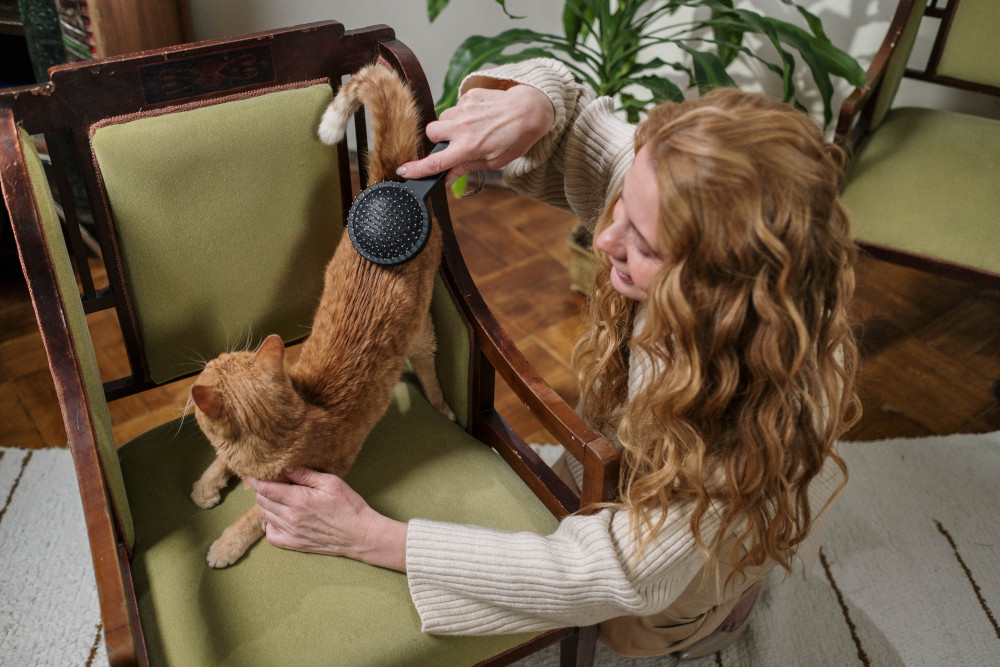
Brush your cat regularly at home to keep fur smooth. Use a soft brush made for cats. Brushing removes loose hair and prevents mats. Short sessions work best to avoid overwhelming your cat. Praise and gentle strokes help your cat enjoy brushing. This routine makes grooming less scary later.
Acclimating To Handling
Handle your cat’s paws, ears, and tail gently each day. Touch these spots softly while speaking calmly. This practice helps your cat feel safe during grooming. Stop if your cat becomes upset and try again later. Patience is key to building comfort with handling. It prepares your cat for the groomer’s touch.
Scheduling Appointments
Pick a calm time of day for grooming visits. Avoid busy or noisy periods at the groomer. Regular appointments help your cat get used to the routine. Book during quieter hours to reduce stress. Keep a consistent schedule for grooming sessions. This helps your cat stay relaxed and healthy.
What To Bring To The Groomer
Bring your cat’s favorite blanket or toy for comfort. Pack any medical records or notes about your cat’s needs. A small towel can help if your cat feels nervous. Bring treats to reward good behavior after grooming. Clear instructions help groomers care for your cat better. Being prepared makes the visit smooth and safe.
Credit: www.daysmart.com
Signs To Skip Or Delay Grooming
Knowing when to skip or delay your cat’s grooming is important. Grooming can be stressful or harmful if your cat is not ready. Watch for signs that suggest waiting is better. These signs help protect your cat’s health and comfort.
Illness Or Injury
A sick or injured cat should avoid grooming. Grooming can cause pain or worsen injuries. Your cat’s body needs rest to heal. Wait until your cat feels better before scheduling grooming.
Stress And Anxiety
Some cats get very stressed during grooming. Stress can cause fear or aggressive behavior. If your cat shows anxiety signs, delay grooming. Let your cat relax and calm down first.
Recent Vaccinations
Vaccinations can make cats feel tired or sore. Grooming right after shots might add stress. Give your cat a few days to recover. This helps avoid extra discomfort or reactions.
Seasonal Considerations
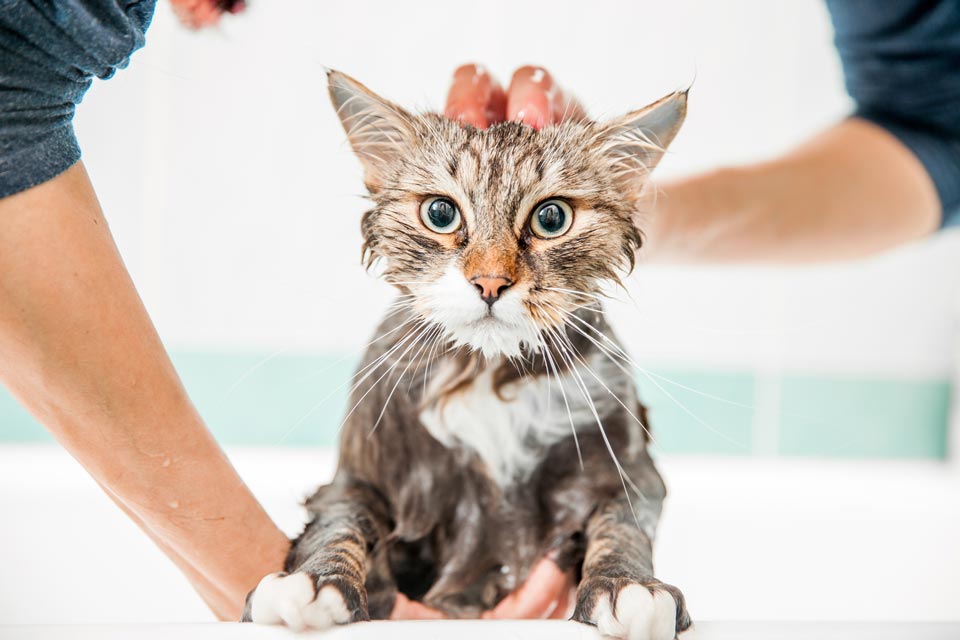
Hot or cold weather affects grooming timing. Grooming in extreme heat can overheat your cat. Cold weather can cause chills if wet after grooming. Choose mild days to keep your cat safe and comfortable.
Credit: www.softpaws.com
Frequently Asked Questions
When Is The Best Age To Start Cat Grooming?
Start grooming your cat at a young age, ideally around 8 to 12 weeks. Early grooming helps cats get used to the process. It reduces stress and makes future grooming sessions easier and safer for both you and your cat.
How Often Should My Cat Visit The Groomer?
Cats should visit the groomer every 4 to 8 weeks. Frequency depends on your cat’s fur type and lifestyle. Long-haired cats may need more frequent grooming. Regular visits help prevent matting, reduce shedding, and maintain healthy skin and coat.
What Are Signs My Cat Needs Professional Grooming?
Look for matting, excessive shedding, or dirty fur as grooming signs. If your cat has skin issues or struggles to clean itself, professional grooming is necessary. Groomers can safely handle tough mats and ensure your cat stays comfortable and healthy.
Can Grooming Help With My Cat’s Health Issues?
Yes, grooming can detect skin infections, parasites, or lumps early. Regular grooming improves coat health and reduces allergens. Professional groomers can spot potential health problems and recommend vet visits if needed, supporting your cat’s overall well-being.
Conclusion
Regular grooming keeps your cat healthy and happy. Watch for signs like matting, dirt, or bad smell. Long-haired cats often need grooming more than short-haired ones. Older cats or those with health problems might need extra care. A groomer can help with difficult tasks like nail trimming or haircuts.
Make grooming part of your cat’s routine to avoid stress. Your cat will thank you with a clean coat and bright eyes. Trust your instincts and seek help when needed. Good grooming means a happier pet and a stronger bond.