
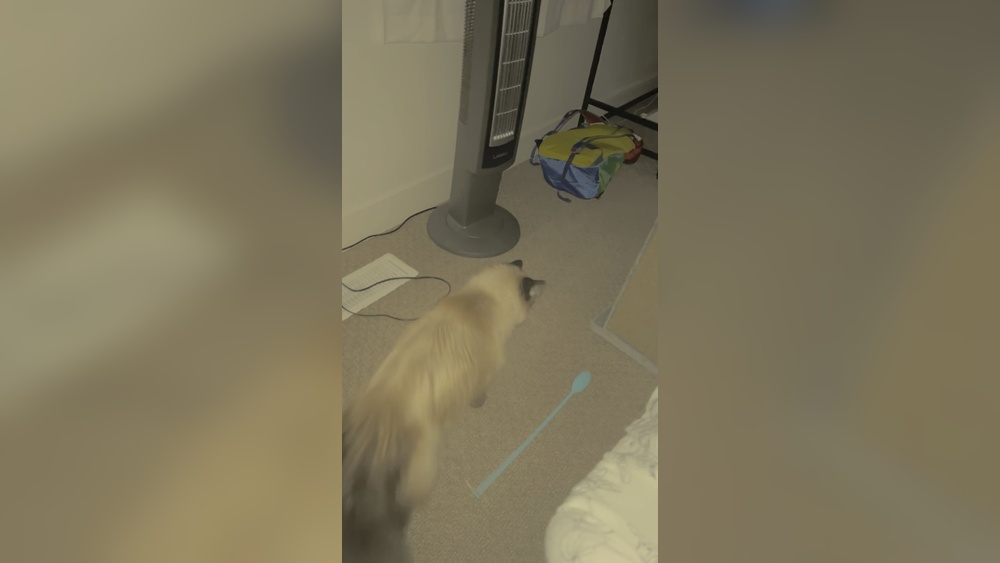
Have you ever watched your cat gently pick up a toy and carry it around like it’s something precious? You might wonder why your furry friend does this strange but adorable behavior.
Is it a game, a gift, or something else? Understanding why your cat carries around his toy can help you connect with him on a deeper level and keep him happy and healthy. Keep reading to discover the surprising reasons behind this quirky habit and what it means for your cat’s mind and heart.
Toy Carrying Behavior
Cats often carry their toys around. This behavior can seem curious or cute. Understanding why your cat does this helps you connect better. Cats use toy carrying to express feelings and instincts. It shows their playful and nurturing sides.
Common Cat Actions
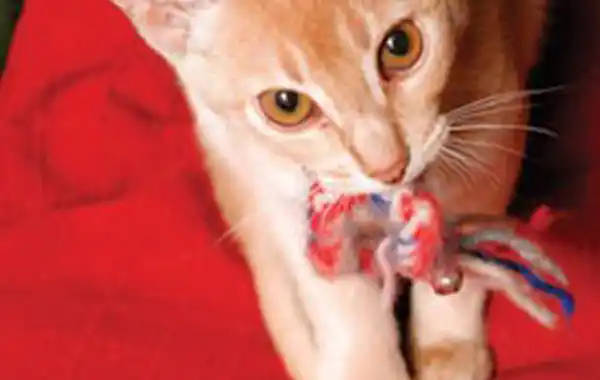
Cats hold toys gently in their mouths. They drag or carry toys to different places. Sometimes, they drop toys and then pick them up again. This mimics hunting and carrying prey. It is a natural way cats play and explore.
When Carrying Becomes Habit
Some cats carry toys all day long. This habit can show comfort or security. The toy may feel like a friend or a prize. Cats might carry toys to their favorite resting spots. It helps them feel safe and happy.

Credit: www.reddit.com
Instinctual Drives
Cats carry toys because of their deep instinctual drives. These natural urges guide many of their behaviors. Even indoor cats keep hunting habits alive. Carrying a toy mimics real-life actions. It helps cats feel connected to their wild side.
Hunting And Prey Simulation
Carrying toys simulates hunting and catching prey. Cats treat toys like small animals. They bite, carry, and drag toys as if hunting. This activity satisfies their natural hunting urges. It also keeps their mind sharp and body active.
Territory Marking
Cats use toys to mark their territory. Carrying a toy around signals ownership. It shows other pets that the toy belongs to them. This behavior reduces stress and feels comforting. Toys become a part of their personal space.
Emotional Connections
Cats often form strong emotional ties with their toys. These toys are more than just playthings. They offer comfort and a sense of safety. Carrying a favorite toy is a way cats feel calm and secure. It shows how important emotional connections are in their daily lives.
Comfort And Security
Toys act like a soft, safe spot for cats. Holding or carrying a toy helps them relax. It can reduce stress, especially in new or noisy places. A toy gives a feeling of calm, like a friend nearby. This comfort helps cats face changes or challenges easily.
Attachment To Specific Toys
Cats often pick one toy to love the most. This toy becomes special and important. They carry it everywhere, like a small treasure. This attachment is similar to how children hold a favorite blanket. The toy’s smell and feel make cats feel close to something familiar.
Social And Communication Signals
Cats use toys to send social and communication signals. Carrying a toy shows they want to share something important. This behavior helps cats connect with people and other pets. It is a way for cats to express feelings without words.
Sharing With Owners
When your cat brings a toy to you, it means trust. They want to include you in their world. This act is like giving a gift. Cats may want you to play or just enjoy their “catch.” It shows they feel safe and happy around you.
Interaction With Other Pets
Cats use toys to communicate with other animals too. Carrying a toy can show dominance or invite play. It helps them set boundaries or create bonds. Toys act like messages in their social group. This behavior keeps peace or starts fun interactions.
Age And Personality Factors
Age and personality affect why cats carry toys around. Cats act differently at various ages. Their unique character also shapes their behavior. These factors explain why some cats love to carry toys, while others do not.
Kittens Versus Adult Cats
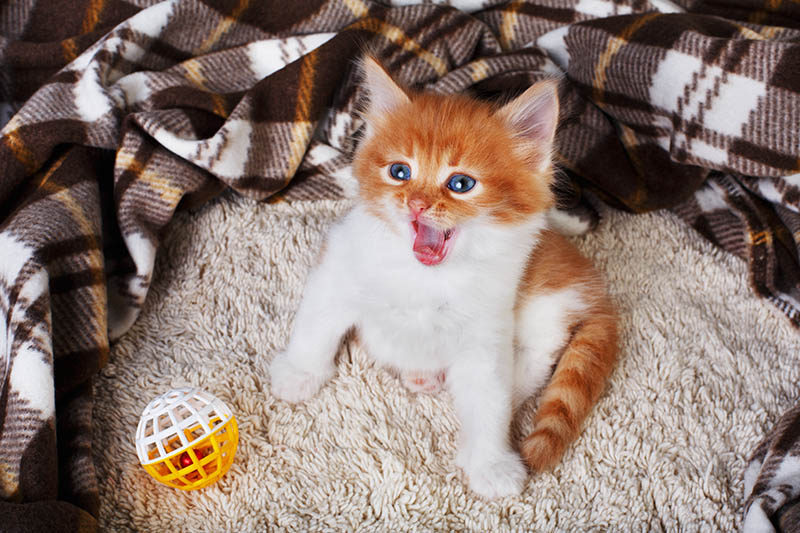
Kittens carry toys as part of learning. They practice hunting skills by grabbing and moving objects. Carrying toys helps them explore their world safely. Adult cats may carry toys for fun or comfort. Some adults keep this habit from kittenhood. Others use toys to feel relaxed or show affection.
Playful Versus Reserved Cats
Playful cats often carry toys everywhere. They enjoy moving and playing with their favorite items. These cats have high energy and curiosity. Reserved cats may carry toys less often. They prefer quiet time and gentle play. Their calm nature means they use toys differently. Carrying toys can be a way to feel safe or stay close to you.
Credit: www.catster.com
When To Be Concerned
Sometimes, carrying toys is normal for cats. But certain signs show it could be a problem. Watch your cat closely. Notice changes in how they act or move. These can hint at issues needing attention.
Behavioral Changes
Carrying toys constantly might mean stress or anxiety. If your cat seems more nervous or hides often, be alert. Sudden aggression or loss of interest in play can also signal trouble. Cats may carry toys to feel safe, but too much can show deeper issues.
Health-related Issues
Physical problems can cause toy-carrying behavior. Pain in the mouth or teeth can make cats hold objects oddly. If your cat drools or avoids eating, check for dental pain. Illness or injury can also change how your cat plays. Seeing a vet is best if these signs appear.
Encouraging Healthy Play
Encouraging healthy play is important for your cat’s well-being. Play helps your cat stay active and sharp. It also strengthens your bond with your furry friend. Watching your cat carry a toy shows its playful side. This behavior is natural and good for mental and physical health. Let’s explore how to support this fun habit safely.
Choosing The Right Toys
Select toys that match your cat’s size and energy. Soft, lightweight toys are easy to carry and bat around. Toys with feathers or small bells attract attention and stimulate hunting instincts. Avoid toys with small parts that can be swallowed. Durable toys last longer and keep your cat engaged. Rotate toys to keep playtime fresh and exciting.
Safe Playtime Tips
Supervise your cat during play to prevent accidents. Remove broken toys that can cause choking or cuts. Provide space for your cat to run and jump safely. Use interactive toys to encourage movement and exercise. Avoid string or ribbon toys without supervision. These can be swallowed and cause harm. Regular play reduces stress and improves mood for your cat.
Credit: www.yourcat.co.uk
Frequently Asked Questions
Why Does My Cat Carry Toys Everywhere?
Cats carry toys to mimic hunting instincts. It shows their natural prey drive and need for mental stimulation. Carrying toys also provides comfort and strengthens their bond with humans.
Is Toy Carrying A Sign Of Affection In Cats?
Yes, carrying toys can be a sign of affection. Cats may share their “prey” as a gift or show trust. It reflects their emotional attachment and playful nature.
Does Toy Carrying Indicate Stress Or Anxiety?
Sometimes, cats carry toys to cope with stress or anxiety. It gives them a sense of security and distraction. If excessive, consult a vet for behavioral advice.
How Can I Encourage My Cat To Play With Toys?
Use interactive toys and play regularly to stimulate your cat. Rotate toys to keep interest high. Praise and gentle encouragement also motivate playful behavior.
Conclusion
Your cat carrying a toy shows love and trust. This behavior is natural and healthy. It helps your cat feel safe and happy. Toys also keep your cat active and entertained. Watch and enjoy these little moments together. Understanding this habit deepens your bond.
Every cat is unique, so their reasons may vary. Keep giving your cat toys to cherish. You’ll see more joy and playfulness every day.