

Have you ever noticed how your cat seems completely uninterested in the toys lying around—until you pick one up? Suddenly, that simple object becomes the center of their universe.
Why do cats only pay attention to toys you hold? Understanding this curious behavior can change the way you play with your furry friend and deepen your bond. Keep reading, because uncovering this secret will make playtime more fun for both you and your cat.
Credit: www.hartz.com
Cat Play Instincts
Cats have strong play instincts rooted in their wild ancestors. Play helps them practice skills needed for hunting. These instincts make cats focus on toys you hold more than stationary ones. They respond best to movement and interaction.
How Movement Triggers Attention
Movement catches a cat’s eye quickly. Cats see moving toys as something alive or worth chasing. Slow or small movements excite their curiosity. This triggers their natural urge to stalk and pounce. Toys that stay still often get ignored.
Role Of Hunting Behavior
Cats are natural hunters. Play mimics hunting actions like chasing, grabbing, and biting. When you move a toy, it looks like prey trying to escape. This sparks a cat’s hunting behavior. The interaction makes the play more interesting and fun for them.
Credit: www.snexplores.org
Toys Versus Stationary Objects
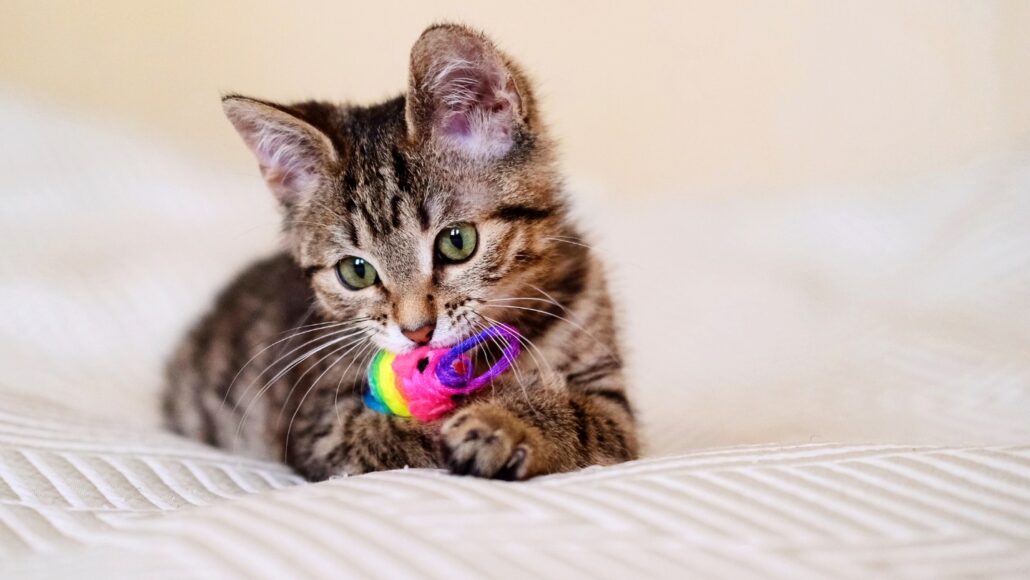
Cats show a clear preference for toys that move in your hand rather than stationary objects. This behavior links to their natural hunting instincts. Moving toys mimic prey, grabbing their attention quickly. Stationary objects, even if colorful or noisy, often fail to spark the same interest. This section explores why still toys don’t engage cats like moving ones do.
Why Still Toys Fail To Engage
Cats rely on movement to spot prey. Without motion, toys appear lifeless and uninteresting. Stationary toys lack the surprise element cats crave. Their eyes and brain expect sudden changes in position or speed. When toys stay still, cats lose focus and ignore them. This explains why still toys seldom trigger play.
The Importance Of Interaction
Cats seek interaction and challenge in their play. Toys held in your hand offer unpredictable moves. This simulates real hunting, keeping cats alert and active. Interaction also builds a bond between you and your cat. It makes playtime fun and rewarding. Without your involvement, toys become dull and forgettable.
Human Involvement In Play
Cats often focus more on toys you hold than on toys left alone. This happens because they enjoy human involvement during play. Your movements, sounds, and attention make the toy more interesting. Playtime with you also strengthens your bond. Cats feel closer and safer when you join their fun.
Building Bond Through Playtime
Playing together helps cats trust their owners. Cats see play as a way to connect. Your presence during play shows your care and attention. It creates a shared moment between you and your cat. This bond grows stronger with each playful session.
Cats Responding To Human Cues
Cats watch your hands and eyes during play. They follow your movements to predict toy actions. Your gestures guide their hunting instincts. Cats learn to read your signals over time. This makes play more exciting and interactive for them.
Sensory Factors At Play
Cats rely heavily on their senses to decide what to play with. Toys held by a person move in ways that catch a cat’s attention. The way these toys look, smell, and sound makes a big difference. Understanding these sensory factors helps explain why cats focus more on toys you hold.
Visual Stimuli And Focus
Cats have sharp eyesight designed to notice movement. Toys in your hand move unpredictably. This motion triggers a cat’s hunting instincts. Still toys or those lying on the floor seem less exciting. Bright colors and quick movements grab their eyes faster. Your hand guides the toy, creating lively and interesting actions for your cat to follow.
Scent And Sound Influences
Smell plays a key role in a cat’s interest. Toys you hold carry your scent, making them more familiar and safe. Cats also respond to the sounds toys make when moved. Rustling, jingling, or crinkling noises mimic prey sounds. These scents and sounds combined create a multi-sensory experience. It makes the toy more appealing than one left alone on the floor.
Tips To Boost Toy Engagement
Getting your cat to play with toys can be tricky. Cats often ignore toys left alone but chase toys you hold. This behavior shows how important interaction is. Use simple tips to boost your cat’s interest in toys. These tips help make playtime fun and active.
Focus on choosing the right toys and adding movement. These steps keep your cat curious and ready to play.
Choosing The Right Toys
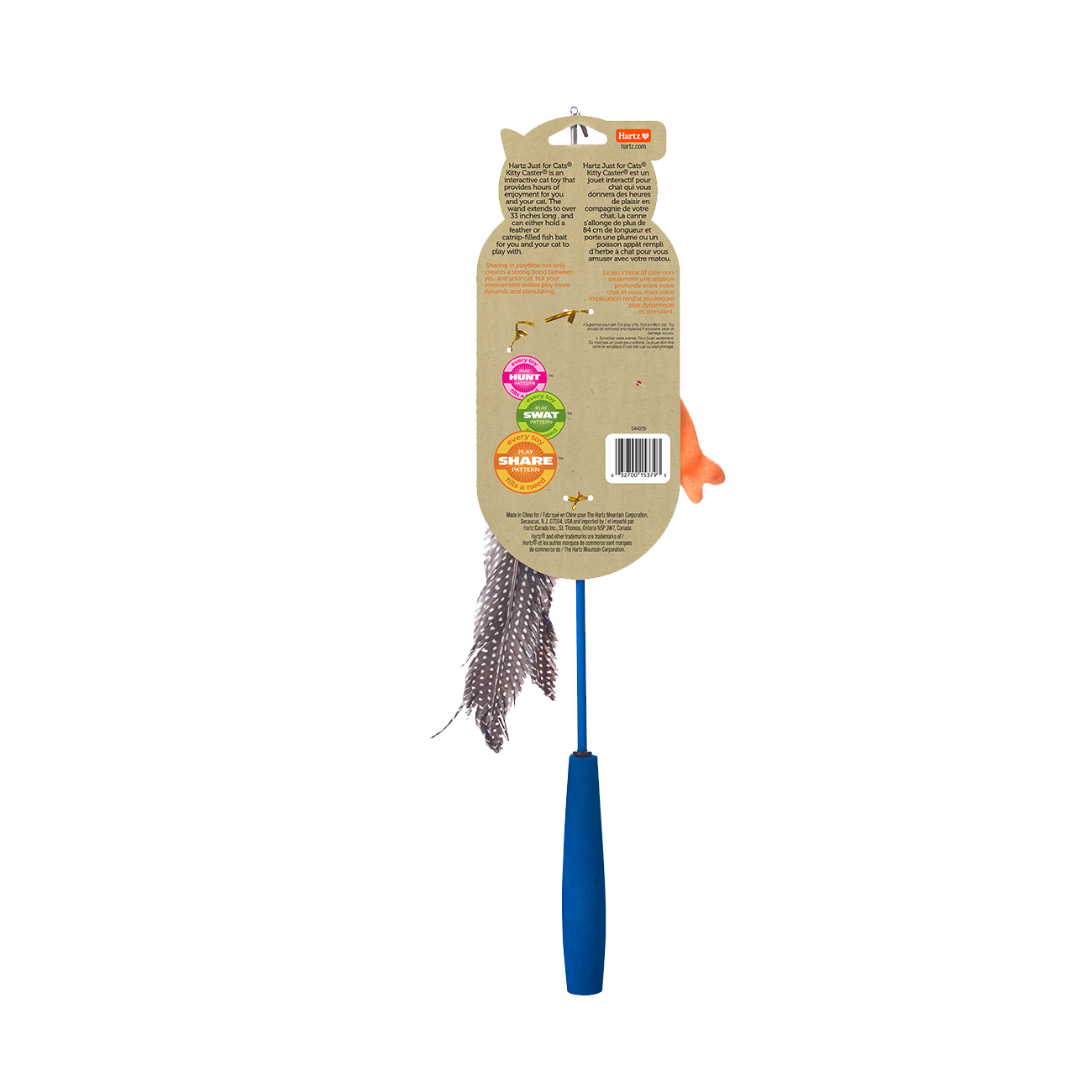
Select toys that mimic real prey. Small, lightweight toys work best. Cats like toys that they can bat, carry, or chase. Toys with feathers or soft fur attract their attention. Avoid toys that are too big or heavy. Change toys often to keep your cat interested. Keep a mix of toys to suit different moods.
Incorporating Movement And Surprise
Move toys like real animals. Shake, wiggle, or drag toys across the floor. Sudden movements catch your cat’s eye. Hide toys behind furniture to create surprise. Let your cat “catch” the toy sometimes. This makes play satisfying and fun. Use strings or wand toys for easy control. Play in short, frequent sessions to keep energy high.
Credit: vbspca.com
Frequently Asked Questions
Why Do Cats Prefer Toys Held By Humans?
Cats react to movement and interaction. Toys you hold mimic prey behavior. Your presence adds excitement and engagement, making playtime more stimulating for your cat.
How Does Human Involvement Affect Cat Play?
Cats feel more interested when you control the toy. Your hand movements imitate hunting actions. This interaction triggers their natural hunting instincts, enhancing their focus and enjoyment.
Can Cats Ignore Stationary Toys? Why?
Yes, cats often ignore stationary toys. Lack of movement and interaction makes toys less exciting. Cats prefer dynamic play that simulates hunting, which stationary toys fail to provide.
Does A Cat’s Hunting Instinct Influence Toy Preference?
Absolutely, hunting instinct drives toy choice. Moving toys resemble prey, attracting a cat’s attention. Human-held toys offer unpredictable motion, satisfying their predatory drive effectively.
Conclusion
Cats focus on toys you hold because they see movement and feel connected. Your hand adds life and makes playtime exciting. Toys alone seem less interesting without your involvement. Playing together builds trust and keeps cats active. Next time, try moving toys with your hands to catch their attention.
This simple trick brings more fun to both of you. Keep your cat happy by staying part of the game. It’s all about interaction and shared moments.