
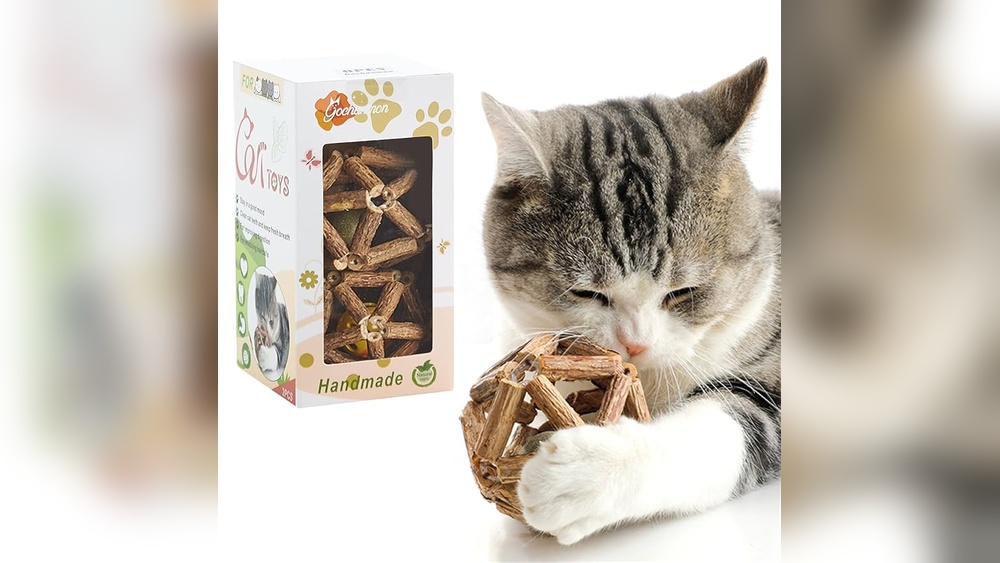
Have you ever watched your cat carefully licking or biting their toys and wondered why they do it? It might seem odd at first, but this behavior is actually very natural and important for your furry friend.
Understanding why cats clean their toys can help you connect with your pet on a deeper level and improve their playtime experience. Keep reading, and you’ll discover surprising reasons behind this quirky habit that will change the way you see your cat’s playtime forever.

Credit: www.amazon.com
Cats And Their Cleaning Habits
Cats are known for their fastidious cleaning habits. They spend a lot of time grooming themselves to stay clean and healthy. This behavior is natural and important for their well-being. Their cleaning habits also extend beyond their own bodies to objects around them, including their toys. Understanding these habits helps explain why cats clean their toys.
How Cats Groom Themselves
Cats use their tongues to clean their fur. Their tongues have tiny, rough bumps. These bumps help remove dirt and loose hair. Grooming also helps cats cool down and relax. It spreads natural oils that keep their fur soft. Cleaning themselves prevents skin problems and keeps them healthy.
Extending Grooming To Objects
Cats sometimes groom objects like toys. They use licking to clean these items. This action may also mark the toys with their scent. Scent marking helps cats feel safe and secure. Cleaning toys can also be a way to bond with their belongings. It shows comfort and ownership in their environment.
Credit: www.catster.com
Instinctual Behavior Behind Toy Cleaning
Cats clean their toys for reasons deep in their nature. This behavior comes from instincts they have kept for thousands of years. Understanding these reasons helps us see why cats act this way. Their cleaning habits are not random but tied to their wild roots. Toys become more than just playthings; they turn into objects of care and attention.
Predatory Instincts And Toy Interaction
Cats see toys as prey. They mimic hunting actions like biting and pawing. Cleaning the toy helps cats keep it ready for the next hunt. It also keeps the toy safe to use. This action is similar to how wild cats clean their catch before eating. It shows care and respect for their “prey.”
Scent Marking And Territory
Cats use their scent to mark toys as theirs. Cleaning helps spread their scent on the toy. This marks the toy as part of their space. It tells other animals to stay away. Scent marking helps cats feel safe and secure. Their toys carry their unique smell, making them special.
Emotional Connections To Toys
Cats form strong emotional bonds with their toys. These toys are not just playthings but comfort sources. They often treat toys like friends or family members. This bond helps cats feel safe and calm. Cleaning toys is part of this connection. It shows how much the toy means to them. This behavior helps cats handle their feelings and environment better.
Comfort And Security
Cats feel comfort from their favorite toys. Toys offer a sense of security at home. Cleaning the toy keeps it familiar and safe. This routine helps cats relax and feel protected. A clean toy smells nice and feels good. It reminds cats of happy moments. That feeling helps reduce fear and anxiety.
Stress Relief Through Cleaning
Cleaning toys helps cats manage stress. The act of cleaning is soothing and calming. It gives cats control over their space. This reduces nervousness and tension. Cats may clean toys during changes or loud noises. It distracts them from worries and discomfort. The habit helps maintain emotional balance daily.
Health And Hygiene Factors
Cats clean their toys for health and hygiene reasons. This behavior helps keep their playthings safe and clean. Clean toys protect cats from germs and dirt that can cause problems. Understanding these factors shows why cats are careful about their toys.
Keeping Toys Free Of Dirt
Toys can collect dirt from the floor and air. Cats remove this dirt by licking or biting their toys. This stops the buildup of dust and grime. Clean toys feel better and are safer for cats to play with.
Preventing Illness And Irritation
Dirt and germs on toys can cause infections or allergies. Cats clean toys to reduce the risk of illness. This keeps their mouth and skin healthy. Clean toys help cats avoid discomfort and stay happy.
When Toy Cleaning Signals Something Else
Cats often clean their toys as part of play and care. Sometimes, this behavior means more than just fun. It can show deeper feelings or health issues. Watching closely helps you understand what your cat needs.
Not all toy cleaning is normal. Some cats clean toys too much. This can be a sign of other problems. Knowing these signs helps keep your cat happy and healthy.
Obsessive Behaviors
Some cats clean toys in a repeated, intense way. This can be an obsessive habit. It takes up too much of their time and energy. Obsessive cleaning may harm the cat’s wellbeing. It may stop them from doing other important activities like eating or resting.
Obsessive behavior can link to health conditions. Sometimes it needs help from a vet or animal behaviorist. Watching the frequency and intensity of cleaning is important.
Stress Or Anxiety Indicators
Cleaning toys too much can signal stress or anxiety in cats. Changes at home can trigger this behavior. New pets, loud noises, or changes in routine often cause stress. Cats use toy cleaning to calm themselves.
If your cat cleans toys more than usual, check for stress sources. Reducing stress can help lower this behavior. Creating a calm space and offering comfort is useful. Stress-related cleaning shows your cat needs extra care and attention.
Credit: www.hartz.com
Encouraging Healthy Toy Interaction
Cats enjoy playing with toys. This play helps them stay active and happy. Toys also keep their minds sharp. Encouraging healthy toy interaction is important. It helps cats feel safe and engaged. Playtime with toys also prevents boredom. A well-chosen toy can make all the difference.
Choosing The Right Toys
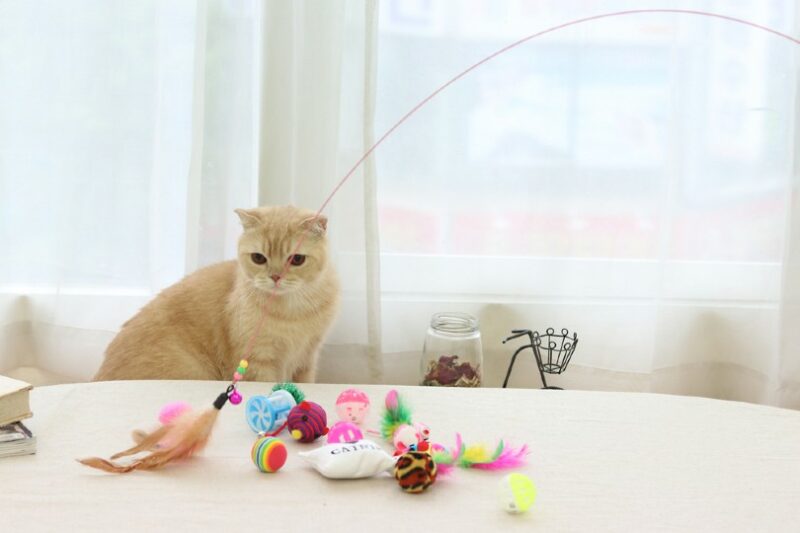
Pick toys that are safe and fun. Soft toys, balls, and feather wands work well. Avoid toys with small parts cats can swallow. Choose toys that match your cat’s play style. Some cats like chasing, others prefer biting. Rotate toys to keep your cat interested. This keeps playtime fresh and exciting.
Maintaining Clean Toys
Dirty toys can harm your cat’s health. Wash toys regularly with mild soap and water. Check for wear and tear often. Replace toys that are broken or torn. Clean toys help stop germs and bugs. A clean toy feels nicer for your cat. This encourages your cat to keep playing.
Frequently Asked Questions
Why Do Cats Lick Or Clean Their Toys?
Cats lick toys to simulate grooming, which comforts them. This behavior helps mark the toy with their scent, making it familiar and safe.
Is Toy Cleaning A Sign Of Stress In Cats?
Not necessarily. Cats clean toys as a natural behavior. However, excessive licking might indicate anxiety or boredom and should be monitored.
Do Cats Treat Toys Like Real Prey?
Yes, cats often mimic hunting behavior by cleaning toys. This helps them bond with the toy and practice instincts safely.
Can Toy Cleaning Improve A Cat’s Mental Health?
Absolutely. Cleaning toys engages a cat’s mind and reduces stress. It provides comfort and satisfies their natural grooming instinct.
Conclusion
Cats clean their toys to stay safe and healthy. This behavior helps remove dirt and germs. It also shows their natural care and play habits. Understanding this can improve your bond with your cat. Watch your cat’s cleaning to learn more about their needs.
Keeping toys clean supports your cat’s happiness. Simple care goes a long way for your pet. Cats feel comfort when their toys are clean and fresh. This small act means a lot in their daily life.