
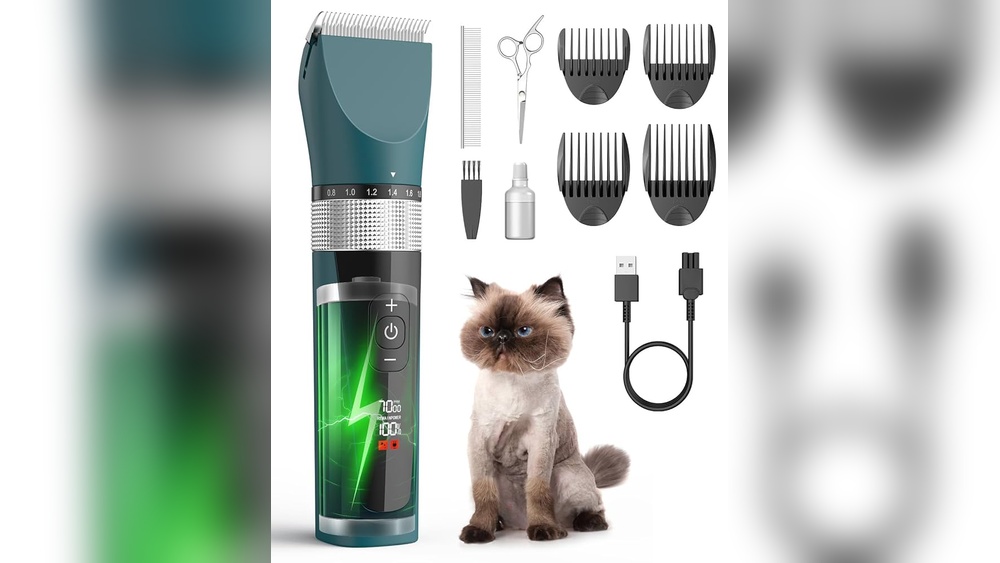
Grooming your cat with clippers might seem tricky at first, but it’s easier than you think. If you want your furry friend to look neat and feel comfortable, learning the right way to use clippers is key.
This guide will help you avoid common mistakes and keep your cat calm throughout the process. By the end, you’ll have the confidence to give your cat a smooth, safe haircut at home. Ready to make grooming stress-free for both you and your pet?
Let’s dive in!

Credit: www.amazon.com
Choosing The Right Clippers
Choosing the right clippers is key for a smooth grooming session. The wrong tool can scare your cat or cause injury. Good clippers help cut fur easily and safely. They reduce stress for both you and your pet. Understanding different clipper types, blade sizes, and power options helps you pick the best one.
Types Of Clippers For Cats
There are mainly two types of clippers for cats: rotary and magnetic. Rotary clippers are strong and cut thick fur well. Magnetic clippers are quieter and lighter. Cats often feel less scared with magnetic clippers. Choose based on your cat’s fur type and behavior.
Blade Sizes And Their Uses
Blade size affects how close the cut is. Smaller blades cut very close to the skin. Larger blades leave more fur behind. Use small blades for detailed trimming around the face and paws. Bigger blades work well for body trimming. Pick blade sizes that fit your grooming needs.
Corded Vs Cordless Clippers
Corded clippers offer constant power without battery worries. They are good for long grooming sessions. Cordless clippers give more freedom to move around. They are lighter and less noisy. Battery life can limit cordless clipper use. Think about where and how often you will groom.
Preparing Your Cat
Preparing your cat for clipping is an important first step. It helps make the process smooth and less stressful. Taking time to get your cat ready can keep them calm and safe. This section explains how to prepare your cat before using clippers.
Creating A Calm Environment
Choose a quiet room with few distractions. Soft lighting helps your cat feel relaxed. Speak softly and move slowly around your cat. Keep other pets and loud noises away. A calm space lowers your cat’s stress levels. It helps them accept grooming better.
Brushing Before Clipping
Brush your cat’s fur to remove tangles and loose hair. Use a gentle brush made for cats. Brushing makes clipping easier and safer. It prevents the clippers from pulling on knots. Spend a few minutes brushing each area you plan to clip. This also helps your cat get used to touch.
Checking For Skin Issues
Look closely at your cat’s skin before clipping. Check for redness, bumps, or sores. Avoid clipping over any irritated spots. If you find skin problems, consult a vet first. Healthy skin helps prevent pain and infection. A quick check keeps grooming safe and comfortable.
Clipping Techniques
Clipping your cat with clippers can be simple and safe. Using the right techniques helps keep your cat calm. It also makes the grooming process faster and smoother. Learn how to hold your cat, where to start clipping, and which areas to avoid. This will make your grooming session better for both of you.
Holding Your Cat Safely
Hold your cat gently but firmly. Keep your cat close to your body to prevent sudden moves. Use one hand to support the cat’s chest. Use the other hand to control the clippers. Let your cat feel secure and relaxed. Take breaks if your cat seems stressed.
Starting Points For Clipping
Begin clipping from easy spots like the back or sides. These areas have fewer sensitive nerves. Move the clippers slowly in the direction of hair growth. Use short, gentle strokes to avoid pulling hair. Check your cat’s skin often to avoid cuts. Start with small patches before covering larger areas.
Avoiding Sensitive Areas
Stay away from the face, ears, and belly at first. These spots have thin skin and many nerves. Avoid clipping near the paws and tail tip too. Use scissors instead for tricky or sensitive spots. Watch your cat’s reactions to know when to stop. Safety and comfort come first during grooming.
Handling Common Challenges
Grooming a cat with clippers can bring challenges. Cats may feel scared or uncomfortable. Fur can be tangled and hard to cut. Grooming sessions can become stressful for both you and your cat.
Handling these common problems calmly helps make grooming easier. Patience and gentle care are key. Small steps lead to better results and a happier cat.
Dealing With Nervous Cats
Many cats feel nervous around clippers. The noise and vibration can cause fear. Speak softly to soothe your cat. Hold them gently but firmly. Let your cat sniff the clippers first. Start with short grooming times. Reward your cat with treats or petting. Calm energy helps your cat stay relaxed.
Managing Matted Fur
Matted fur is tough to cut. Use a wide-tooth comb before clippers. Try to loosen mats carefully. Avoid pulling hard to prevent pain. Cut mats slowly and in small sections. For severe mats, consider a professional groomer. Regular brushing reduces matting over time.
Taking Breaks During Grooming
Grooming can tire your cat quickly. Watch for signs of stress like meowing or squirming. Stop and give your cat a break. Let them stretch and relax for a few minutes. Use breaks to calm your cat with gentle petting. Short sessions are better than one long session. Breaks help your cat feel safe and calm.
Post-grooming Care
After grooming your cat with clippers, proper care is important. It helps keep your cat calm and the tools in good shape. Post-grooming care prevents problems and makes future sessions easier.
Cleaning The Clippers
Remove hair from the clipper blades with a small brush. Use a soft cloth to wipe the blades clean. Apply a few drops of clipper oil to keep them sharp and smooth. Clean the clippers after each use to prevent rust and damage. Store them in a dry place away from dust.
Soothing Your Cat
Grooming can stress your cat. Speak softly and pet your cat gently after grooming. Offer a favorite treat to create a positive experience. Let your cat rest in a quiet space to relax. Watch for any skin irritation or cuts and treat them carefully.
Regular Grooming Schedule
Set a regular grooming routine based on your cat’s coat type. Short-haired cats may need grooming every few weeks. Long-haired cats usually require grooming every one to two weeks. Consistency helps your cat stay comfortable and clean. Regular grooming reduces mats and keeps fur healthy.

Credit: allgroom.co.nz

Credit: allgroom.co.nz
Frequently Asked Questions
How Do I Prepare My Cat For Clipper Grooming?
Start by brushing your cat to remove tangles. Choose a quiet area and introduce the clippers slowly. Let your cat sniff the clippers first. Use treats and calm tones to reduce stress. This preparation helps your cat feel safe and comfortable during grooming.
What Type Of Clippers Are Best For Cats?
Use clippers specifically designed for pets with quiet motors. Look for adjustable blade sizes for different fur lengths. Ensure the clippers have safety features to avoid cutting your cat’s skin. Quality pet clippers provide a smooth, safe grooming experience.
How Often Should I Groom My Cat With Clippers?
Groom your cat every 6 to 8 weeks or as needed. Long-haired cats may need more frequent grooming to prevent mats. Regular grooming keeps your cat’s coat healthy and reduces shedding. Adjust frequency based on your cat’s fur type and lifestyle.
Can I Safely Groom My Cat’s Sensitive Areas?
Yes, but be gentle and use smaller clipper blades. Avoid clipping too close to the skin on sensitive parts. Take breaks if your cat gets anxious. Patience ensures a safe and stress-free grooming session for sensitive areas.
Conclusion
Grooming your cat with clippers can keep them clean and comfortable. Take your time and be gentle to avoid stress. Use the right tools and stay calm throughout the process. Regular grooming helps prevent mats and skin problems. Remember, patience makes the experience better for both of you.
With practice, clipping becomes easier and safer. Your cat will thank you with a happy, healthy coat. Keep these tips in mind for smooth, stress-free grooming sessions.