

Have you ever wondered how your cat truly feels during grooming? While it may seem like a simple task to you, grooming can be a stressful experience for many cats.
Understanding just how traumatic grooming can be for your furry friend is key to making it easier and safer for both of you. You’ll discover what goes on in your cat’s mind during grooming and learn practical tips to reduce their stress.
Keep reading to ensure your next grooming session is a calm and positive experience for your beloved pet.

Credit: www.petnurture.com.au
Emotional Impact On Cats
Grooming can deeply affect a cat’s emotions. It is more than just cleaning fur. The experience can cause stress and anxiety. Cats often feel vulnerable during grooming. This makes understanding their emotional response important. Recognizing signs of distress helps improve their comfort and well-being.
Stress Signs During Grooming
Cats show clear signs when grooming stresses them. They may try to escape or hide. Ears flatten back against the head. Tail flicking or twitching is common. Some cats hiss, growl, or bite. Rapid breathing and wide eyes also signal fear. Watch these signs closely to stop grooming early.
Behavioral Changes Post-grooming
After grooming, cats may behave differently. They might avoid their owner or grooming tools. Some cats become less active or playful. Increased hiding or refusal to eat can occur. These changes show lasting discomfort or fear. Patience and gentle handling help cats recover emotionally.

Credit: www.petscare.com
Physical Effects Of Grooming
Grooming a cat has clear physical effects on their body. It can cause some discomfort but also brings many health benefits. Understanding these effects helps pet owners care for their cats better. Proper grooming keeps cats clean and healthy, but it must be done gently.
Common Discomforts And Injuries
Some cats feel uneasy during grooming. Brushing too hard can hurt their skin. It may cause small scratches or redness. Pulling on matted fur can also cause pain. Cats with sensitive skin may get rashes. Grooming tools that are rough or dirty can lead to infections. Stress during grooming sometimes causes cats to scratch or bite themselves.
Long-term Health Benefits
Regular grooming improves a cat’s coat and skin health. It removes dirt, loose hair, and dead skin. Grooming helps prevent hairballs, which can block digestion. It also reduces the chance of skin infections. Healthy fur shines and feels soft to touch. Grooming encourages good blood flow and lowers stress. Over time, it supports a cat’s overall well-being and comfort.
Factors Influencing Grooming Trauma
Grooming can be stressful for some cats. The level of trauma depends on several factors. Understanding these can help make grooming easier and safer. Each cat reacts differently based on its unique traits and experiences. Tools and methods also play a big role in the cat’s comfort and stress level.
Cat’s Personality And History
Every cat has its own personality. Some cats are calm and trust people easily. Others feel scared or nervous around strangers. A cat that faced bad grooming before may feel more stressed. Cats that are shy or aggressive may resist grooming more. Knowing your cat’s history helps you prepare and be gentle. Patience is key to reduce trauma during grooming sessions.
Grooming Techniques And Tools
How you groom affects your cat’s feelings. Rough handling or fast movements can scare cats. Using the right tools makes grooming safer and easier. Soft brushes and gentle combs work well for sensitive cats. Avoid tools that pull or hurt the cat’s skin. Short grooming sessions with breaks help keep cats calm. Adjusting your technique to your cat’s needs reduces stress and trauma.
Minimizing Grooming Stress
Grooming can be stressful for cats. It may cause fear or anxiety. Minimizing this stress helps keep your cat calm. A relaxed cat will enjoy grooming more. It improves the bond between you and your pet. Simple steps make a big difference.
Building Trust And Comfort
Start by creating a calm space. Use gentle voices and slow movements. Let your cat explore grooming tools first. Offer treats to create positive feelings. Begin grooming sessions for just a few minutes. Stop if your cat seems upset. Repeat short sessions often to build trust.
Choosing The Right Grooming Routine
Find a grooming schedule that fits your cat. Some cats need daily brushing, others less. Use brushes that suit your cat’s fur type. Soft brushes work well for sensitive skin. Avoid forcing grooming; patience is key. Watch your cat’s reactions and adjust the routine. Consistency helps your cat feel safe and secure.
When To Seek Professional Help
Grooming can be stressful for some cats. It can cause anxiety or fear. Knowing when to seek professional help is important. Professionals can handle difficult grooming situations safely. They also reduce stress for your cat and you.
Signs Grooming Is Too Traumatic
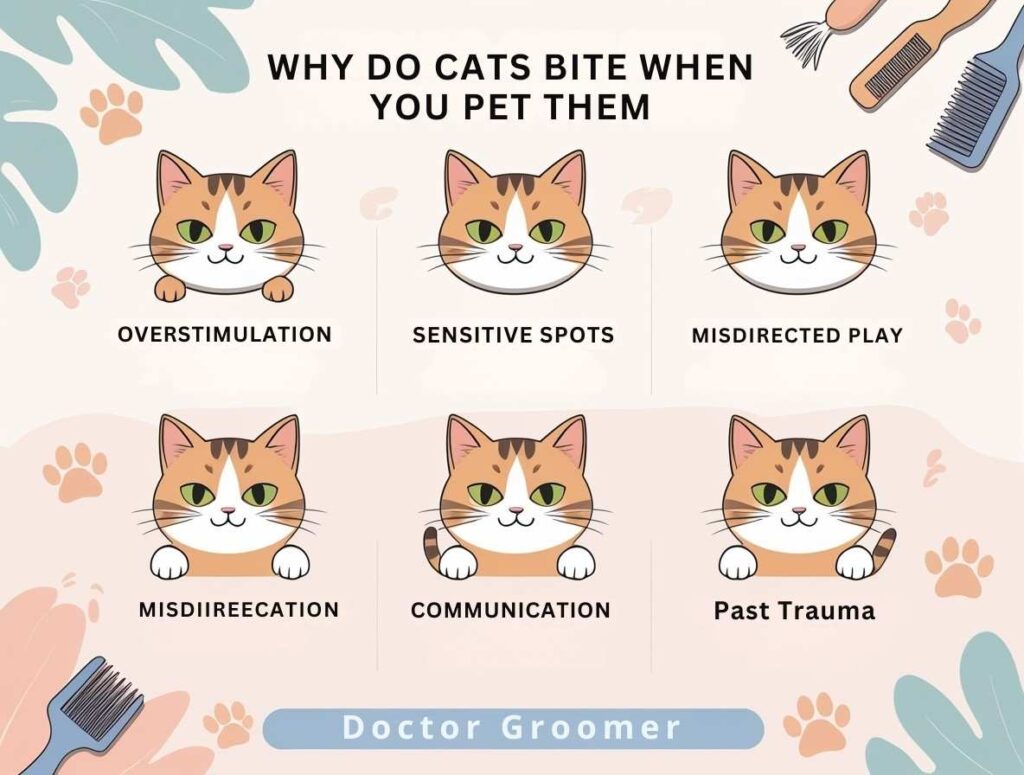
Watch for signs that grooming is too hard on your cat. If your cat hides or runs away, grooming may be scary. Growling, hissing, or biting show distress. Excessive shaking or freezing during grooming means fear. If your cat’s fur is torn or skin is red, stop grooming. These signs show your cat needs a gentle, expert touch.
Benefits Of Professional Groomers
Professional groomers know how to calm scared cats. They use tools and techniques that reduce pain and fear. Groomers handle mats and tangles without hurting the cat. They spot skin issues early and advise on care. Professionals keep grooming safe and quick. Your cat stays cleaner and healthier with less stress.
Credit: doctorgroomer.com
Frequently Asked Questions
How Stressful Is Grooming For A Cat?
Grooming can be stressful if a cat is not used to it. Gentle handling and gradual introduction reduce anxiety. Regular grooming helps cats feel comfortable and less fearful over time.
Can Grooming Cause Trauma In Cats?
Improper or forceful grooming may cause trauma. Cats can develop fear or aggression if grooming is painful. Positive reinforcement and patience prevent traumatic experiences.
How To Make Grooming Less Traumatic For Cats?
Use calm voices and slow movements during grooming. Start with short sessions and reward your cat afterward. Choose the right tools and be gentle to ensure comfort.
What Signs Show Grooming Distress In Cats?
Signs include growling, hissing, struggling, or hiding after grooming. Excessive licking or avoiding the groomer also indicate stress. Recognizing these helps prevent trauma.
Conclusion
Grooming can feel strange or stressful for some cats at first. Patience and gentle care help them adjust well. Regular grooming keeps cats healthy and comfortable. It also builds trust between you and your pet. Small steps make a big difference in their comfort.
Pay attention to signs of stress or pain. Over time, grooming becomes a calm and positive routine. Your cat will thank you with a happy, shiny coat. Keep love and care at the heart of grooming. Simple actions bring great comfort to your feline friend.