
Have you ever wondered how short you can safely groom your cat? Keeping your furry friend neat and comfortable is important, but cutting their fur too much can cause problems.
You want to find the perfect balance—enough trimming to keep your cat happy and healthy, without going too low and risking their skin or well-being. You’ll discover exactly how low you can groom your cat, what to watch out for, and tips to make the process stress-free for both of you.
Keep reading to learn how to keep your cat looking great while staying safe and comfortable.
Ideal Grooming Length
Finding the ideal grooming length for your cat helps keep them comfortable and healthy. Too short a cut might expose their skin, while too long may cause mats or tangles. The right length depends on many things.
Factors Affecting Grooming Length
Age plays a role. Younger cats may handle shorter cuts better. Older cats might need gentler grooming.
Climate matters. In hot places, shorter fur can help your cat stay cool. In cold areas, longer fur keeps them warm.
Your cat’s lifestyle influences grooming too. Indoor cats often need less trimming than outdoor cats. Outdoor cats face dirt and debris more often.
Breed-specific Grooming Needs
Some breeds have unique fur types. Persian cats have long, thick fur needing regular trims. Siamese cats have short fur and may need less grooming.
Hairless breeds like Sphynx need skin care instead of fur trimming. Regular baths keep their skin clean and healthy.
Understanding your cat’s breed helps you choose the best grooming length. It keeps your pet happy and looking great.
Credit: vetic.in
Safety Considerations
Safety is the top priority when grooming your cat. Grooming too low or too often can harm your cat’s skin and cause stress. Understanding safety helps keep your cat calm and healthy. Follow simple steps to protect your pet during grooming.
Avoiding Skin Injuries
Use sharp, clean tools to avoid pulling or cutting the skin. Trim slowly and gently to prevent nicks or scratches. Check your cat’s skin for redness or irritation before and after grooming. Stop if you notice any cuts or bleeding. Keep your cat’s fur at a safe length to avoid matting but protect the skin underneath.
Recognizing Stress Signs
Watch your cat’s body language closely. Signs of stress include growling, hissing, or trying to escape. Heavy breathing or wide eyes show fear. Stop grooming if your cat becomes restless or aggressive. Give breaks and comfort to help your cat relax. Calm grooming sessions build trust and reduce stress over time.
Tools For Grooming
Grooming your cat is important for their health and comfort. Using the right tools makes grooming easier and safer. Cats have different fur types, so choose tools that suit your pet’s needs. Proper tools help avoid cuts and keep your cat calm during grooming.
Recommended Clippers And Blades
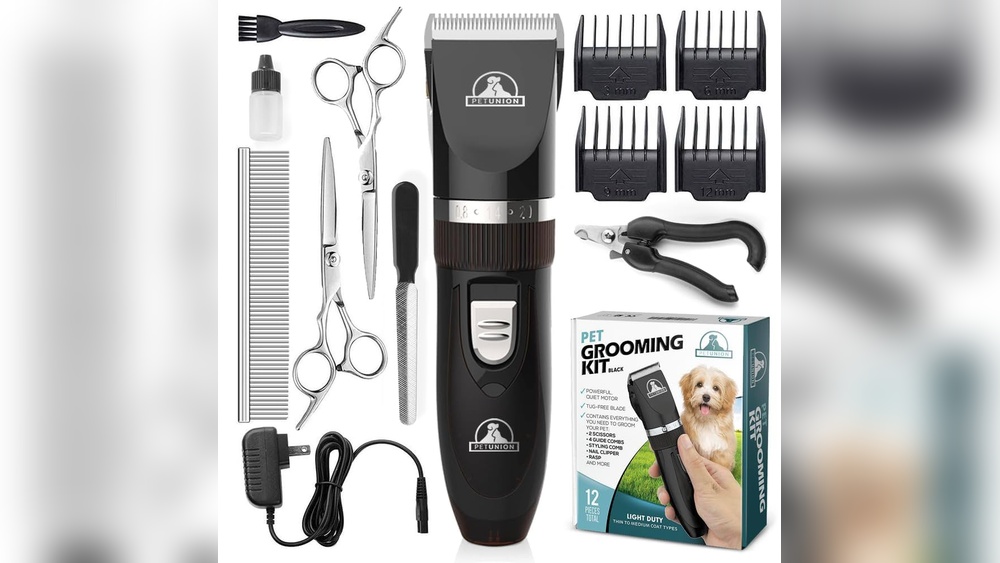
Choose clippers designed for pets. They run quietly to avoid scaring cats. Look for clippers with adjustable blade sizes. Smaller blades work well for delicate areas like the face and paws. Larger blades cut through thick fur quickly. Sharp blades reduce pulling and discomfort. Regularly clean and oil blades for smooth use.
Essential Grooming Accessories
Besides clippers, gather other grooming tools. A slicker brush removes loose fur and mats. A comb helps untangle knots gently. Nail clippers keep claws short and safe. Use grooming wipes to clean dirty fur. Have a soft towel ready to calm your cat. These accessories keep grooming neat and stress-free.

Credit: www.amazon.com
Step-by-step Grooming Guide
Grooming your cat to the lowest safe length needs care and patience. This step-by-step guide helps you do it right. Follow each step to keep your cat happy and healthy. Grooming reduces mats and helps your cat stay cool. Let’s begin with preparing your cat for grooming.
Preparing Your Cat
Start by choosing a quiet place with good light. Brush your cat gently to remove loose fur. Use a comb to check for mats or tangles. Trim your cat’s nails to avoid scratches. Speak softly and calm your cat throughout the process. Give treats to make grooming a positive experience.
Clipping Techniques
Select clippers designed for pets with sharp blades. Begin clipping from the neck and move down the back. Keep the clipper flat against the skin. Use slow, gentle strokes to avoid cuts. Avoid clipping too close to sensitive areas like ears and belly. Take breaks to keep your cat relaxed.
Post-grooming Care
After grooming, brush your cat to remove loose hairs. Check the skin for any cuts or redness. Apply a soothing balm if the skin looks irritated. Provide fresh water and a cozy spot to rest. Reward your cat with treats and praise. Regular grooming helps keep your cat healthy and happy.
Common Grooming Mistakes
Grooming your cat is important for its health and comfort. Many cat owners make common mistakes during grooming. These mistakes can cause pain or stress for your cat. Knowing what to avoid helps keep your cat safe and happy. Below are two common grooming errors to watch out for.
Cutting Too Short
Cutting your cat’s fur too short can harm its skin. Cats have delicate skin that can get easily nicked. Very short cuts also remove natural protection from sun and cold. This can lead to skin problems and discomfort. Always leave a little fur to protect your cat.
Ignoring Sensitive Areas
Some parts of a cat’s body are very sensitive. Areas like the belly, ears, and paws need gentle care. Ignoring these spots or grooming roughly can cause pain. Take extra time to be careful around these areas. Gentle handling helps your cat trust the grooming process.

Credit: thesantegroup.org
When To Seek Professional Help
Knowing when to seek professional help for grooming your cat is important. Some grooming tasks can be hard or risky to do at home. Professionals have the skills and tools to keep your cat safe and comfortable. Recognizing signs that your cat needs expert care helps avoid stress or injury.
Signs Your Cat Needs A Groomer
Your cat may need a groomer if its fur is matted or tangled badly. Mats can pull the skin and cause pain. Cats that refuse to groom themselves because of age or illness also need help. Notice if your cat has dirty ears, overgrown nails, or bad breath. These issues can be handled better by a professional. A groomer can also spot skin problems early.
Choosing A Grooming Specialist
Find a groomer with experience in handling cats gently. Check if they use cat-friendly tools and techniques. Ask about their training and certifications. Read reviews from other cat owners to learn about their service quality. Choose a groomer who works calmly to reduce your cat’s fear. A good groomer will keep your cat safe and happy during the session.
Benefits Of Proper Grooming
Proper grooming offers many benefits for your cat. It keeps your pet healthy and happy. Grooming helps maintain clean fur and skin. It also reduces stress and discomfort in cats. Regular care supports their overall well-being and comfort.
Improved Comfort And Hygiene
Grooming removes dirt and loose hair from your cat’s coat. This keeps their skin fresh and clean. It prevents irritation and itching caused by dirt buildup. Clean fur feels soft and smooth to touch. Cats enjoy feeling comfortable and clean after grooming.
Preventing Hairballs And Matting
Brushing helps stop hairballs from forming in your cat’s stomach. Hairballs can cause discomfort and health problems. Grooming prevents fur from tangling and forming mats. Mats pull on the skin and hurt your cat. Regular grooming keeps the coat smooth and healthy.
Frequently Asked Questions
What Is The Shortest Length To Groom A Cat Safely?
The shortest grooming length depends on your cat’s coat type. For most cats, 1/4 inch is safe. Avoid shaving too close to protect their skin and natural insulation.
How Often Should You Groom Your Cat’s Fur?
Groom short-haired cats weekly and long-haired cats daily. Regular grooming prevents matting, reduces shedding, and keeps your cat comfortable and healthy.
Can Grooming Too Low Harm My Cat’s Skin?
Yes, shaving too close can cause skin irritation and cuts. Always use proper tools and avoid removing more fur than necessary for your cat’s wellbeing.
Why Do Some Cats Need Lower Grooming Cuts?
Cats with severe matting or medical issues may need lower cuts. A professional groomer can assess and trim safely without harming your cat’s skin.
Conclusion
Grooming your cat too short can cause discomfort and skin problems. Always keep a safe length to protect their skin. Regular brushing helps remove loose fur and prevents mats. Pay attention to your cat’s behavior during grooming. Stop if your cat shows signs of stress or pain.
Gentle care keeps your cat healthy and happy. Remember, grooming is about comfort, not just looks. Take time and be patient with your furry friend. Your cat will thank you with love and trust.