
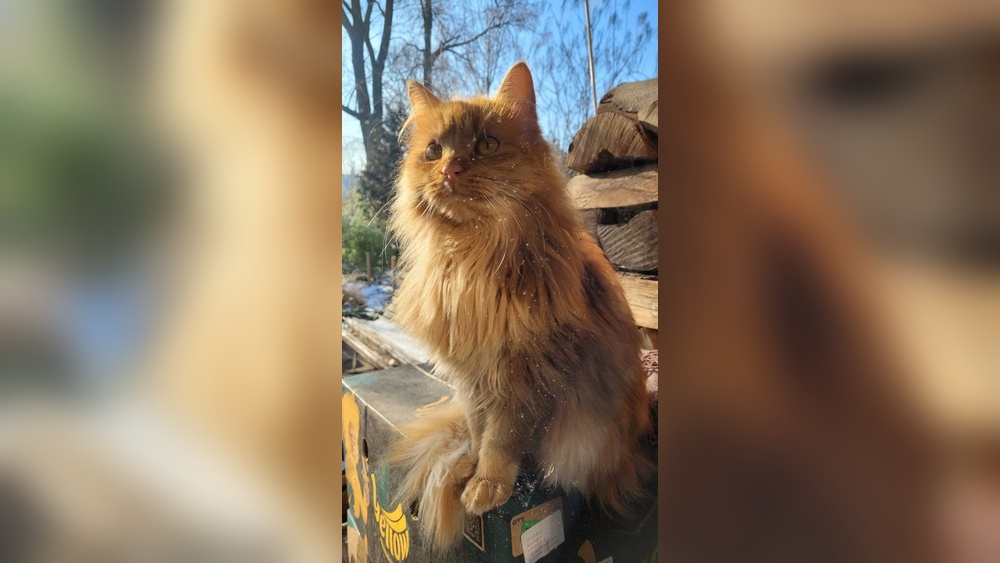
Grooming a longhaired cat that bites can feel like a tough challenge. You want your cat to look and feel great, but their sharp teeth and sudden nips make brushing a stressful experience.
What if you could turn grooming time into a calm, even enjoyable routine for both of you? You’ll discover simple, proven techniques to handle your cat’s biting behavior and keep their coat silky and tangle-free. Keep reading to learn how to make grooming safe and stress-free—your cat will thank you for it.
Preparing Your Cat For Grooming
Preparing your longhaired cat for grooming is very important, especially if your cat bites. Taking time before grooming helps your cat feel safe. It also makes the process smoother and less stressful. This part of grooming sets the stage for success.
Choosing The Right Tools
Select grooming tools designed for longhaired cats. A wide-toothed comb removes tangles gently. Use a slicker brush to catch loose fur. Avoid tools with sharp edges that may hurt your cat. Soft, comfortable tools help keep your cat calm. Have treats ready to reward good behavior.
Creating A Calm Environment
Find a quiet place with few distractions. Soft lighting and a warm room help your cat relax. Speak in a soft, gentle voice. Sit at your cat’s level to build trust. Keep sessions short to avoid overwhelming your cat. Play calming music or use pheromone sprays for extra comfort.
Recognizing Your Cat’s Stress Signals
Watch your cat’s body language closely. Flattened ears mean your cat feels scared or angry. Tail flicking shows irritation. Hissing or growling signals discomfort. If your cat freezes or tries to run, pause the grooming. Respecting these signs helps prevent bites and injury.

Credit: cfba.uk
Approaching A Biting Cat Safely
Approaching a longhaired cat that bites requires care and patience. Cats bite for many reasons. Understanding these reasons helps keep both you and your cat safe during grooming. Calm actions and respect for your cat’s feelings make the process easier. This section explains how to approach a biting cat safely.
Identifying Triggers For Biting
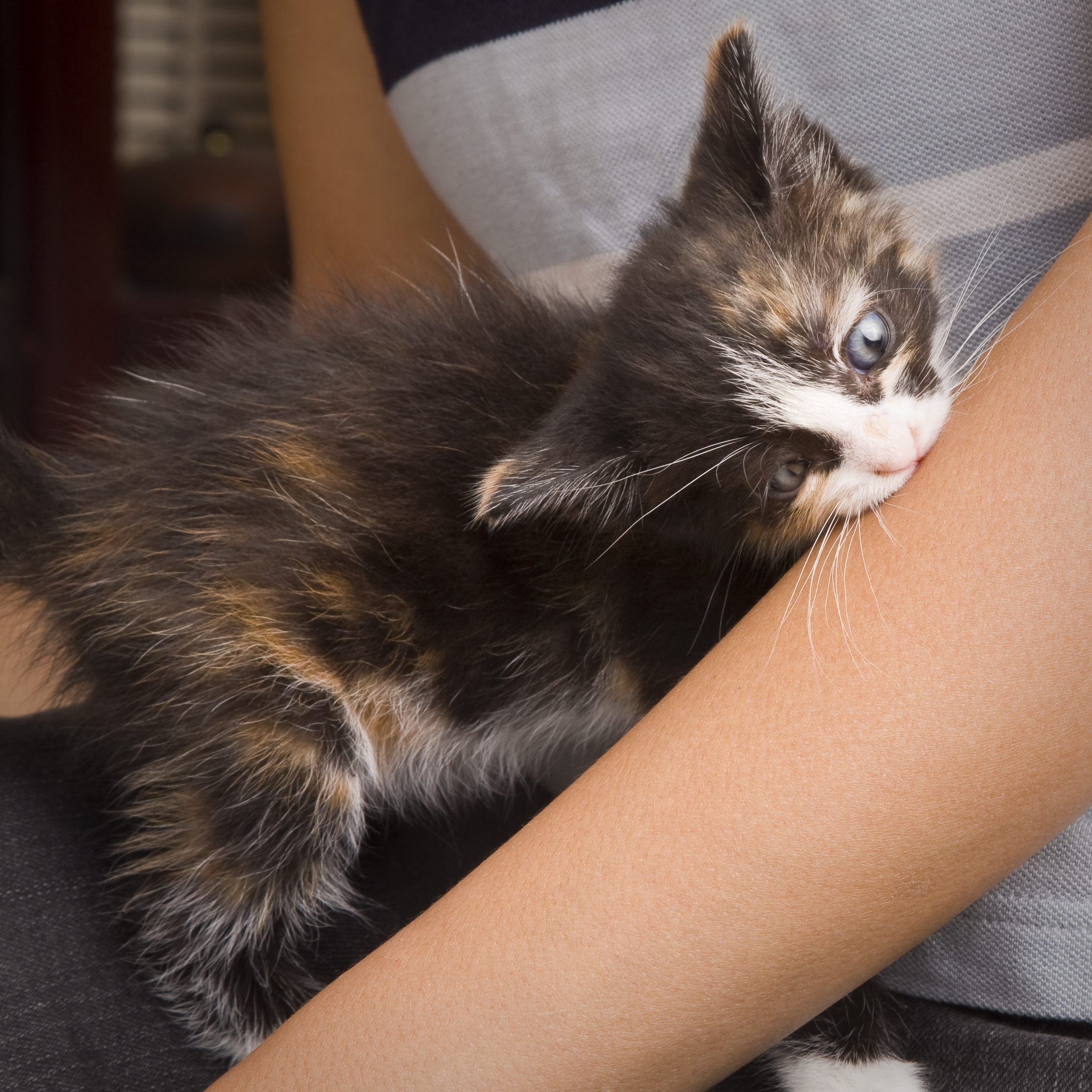
Watch your cat’s body language closely. Signs like tail flicking, ears back, or growling show discomfort. Some cats bite when they feel scared, hurt, or annoyed. Grooming may cause pain if mats pull on the skin. Notice which spots cause your cat to bite. Avoid those areas first. Recognizing triggers helps you prevent bites before they happen.
Using Gentle Handling Techniques
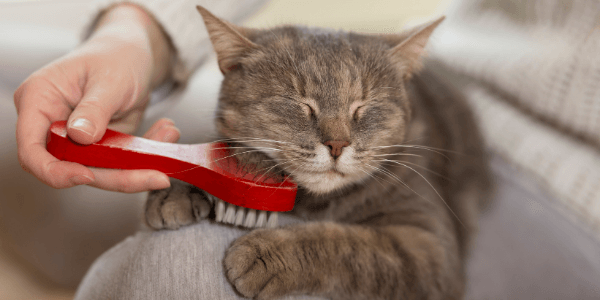
Hold your cat gently but firmly. Use slow, calm movements to avoid startling it. Speak softly to keep your cat relaxed. Use a soft brush designed for long fur. Let your cat sniff and get used to the brush first. Brush small sections at a time. Stop if your cat shows signs of stress. Gentle touch lowers the chance of biting.
When To Take Breaks
Take breaks during grooming to avoid stress buildup. Short sessions work better than long ones. Watch for signs like restlessness or growling. Stop immediately if your cat tries to bite. Let your cat calm down before continuing. Offer treats or play as a reward. Breaks help keep grooming a positive experience.
Step-by-step Grooming Process
Grooming a longhaired cat that bites needs patience and a gentle approach. Follow a clear process to keep your cat calm and clean. Break the grooming into easy steps. This makes the task less stressful for both you and your cat. Consistent care keeps their fur healthy and shiny.
Brushing Long Hair Effectively
Use a soft-bristle brush or wide-tooth comb. Start by gently petting your cat to relax them. Brush small sections of fur at a time. Move the brush in the direction of hair growth. Avoid pulling on knots to prevent biting. Praise your cat with calm words during brushing. Short sessions work better than long ones.
Dealing With Mats And Tangles
Check the fur for mats before brushing. Use a detangling spray made for cats. Hold the fur near the skin to reduce pulling. Gently work out mats with your fingers or a comb. Cut tough mats carefully with scissors if needed. Be cautious and slow to avoid hurting your cat. Stop if your cat shows signs of stress.
Bathing Tips For Longhaired Cats
Use warm water and cat-friendly shampoo. Prepare everything before bringing your cat to the bath. Wet the fur gently, avoiding the head and ears. Apply shampoo and massage lightly. Rinse thoroughly to remove all soap. Dry your cat with a soft towel, then use a hairdryer on low if accepted. Bathing helps reduce biting by keeping skin clean.
Credit: www.lonetreevet.com
Training And Desensitization Strategies
Training and desensitization help calm a longhaired cat that bites during grooming. These strategies teach your cat to accept handling and reduce fear. Patience and consistency are key to success.
Positive Reinforcement Methods
Reward your cat for calm behavior. Use gentle praise or soft voice tones. Give treats when your cat stays relaxed. Avoid punishment; it increases stress and biting. Positive rewards make grooming a good experience.
Gradual Grooming Sessions
Start with short grooming times. Touch your cat lightly at first. Slowly increase the time and areas groomed. Pause if your cat shows signs of stress. Small steps help your cat get used to grooming.
Using Treats And Toys
Offer treats during and after grooming. Use favorite toys to distract your cat. Treats and toys create positive associations with grooming. This keeps your cat calm and cooperative.
When To Seek Professional Help
Grooming a longhaired cat that bites can be a real challenge. Sometimes, professional help is the best choice. Experts have the right tools and skills to keep your cat safe and comfortable. They can handle tricky situations without stress. Knowing when to seek their help keeps both you and your cat happy.
Signs You Need A Groomer Or Vet
Watch for signs of pain or aggression during grooming. If your cat bites hard or often, it may be scared or hurt. Matted fur that you cannot remove is a warning. Skin sores or infections need a vet’s care. If your cat’s behavior worsens, ask a professional for help.
Choosing A Cat-friendly Groomer
Look for groomers who know cats well. They should have a calm and patient approach. A good groomer uses gentle tools and methods. Check reviews or ask for recommendations. The right groomer helps reduce your cat’s fear and biting.
Handling Difficult Grooming Situations
Some cats need special care during grooming. Professionals can use safe techniques to calm your cat. They may trim fur in small sessions to avoid stress. Sometimes, sedation is needed for very scared cats. Trust the expert to keep your cat safe and comfortable.
Credit: www.preventivevet.com
Frequently Asked Questions
How Can I Safely Groom A Biting Longhaired Cat?
Start by wearing protective gloves and using a calm voice. Use gentle, slow strokes and a soft brush. Take breaks often to avoid stressing your cat. Reward them with treats to build trust during grooming sessions.
Why Does My Longhaired Cat Bite During Grooming?
Cats may bite due to fear, pain, or overstimulation. Long hair can cause discomfort if tangled or pulled. Understanding your cat’s body language helps prevent bites. Regular grooming can reduce matting and stress, making sessions easier.
What Tools Are Best For Grooming A Biting Longhaired Cat?
Use a wide-toothed comb to detangle and a soft bristle brush for smooth fur. Avoid metal combs with sharp edges. Clippers or scissors help with mats but use carefully. Choose quiet tools to keep your cat calm.
How Often Should I Groom A Longhaired Cat That Bites?
Aim for grooming sessions 2-3 times a week. Frequent, short sessions reduce mats and keep your cat comfortable. Regular grooming prevents hairballs and skin issues. Adjust frequency based on your cat’s tolerance and coat condition.
Conclusion
Grooming a longhaired cat that bites takes patience and care. Stay calm and gentle during each session. Use soft brushes and short strokes to avoid hurting your cat. Watch for signs of stress and take breaks when needed. Regular grooming helps keep your cat healthy and happy.
Remember, building trust is key to easier grooming over time. Keep trying, and your cat will learn to enjoy the process. Small steps lead to big improvements in your pet’s comfort and your bond.