
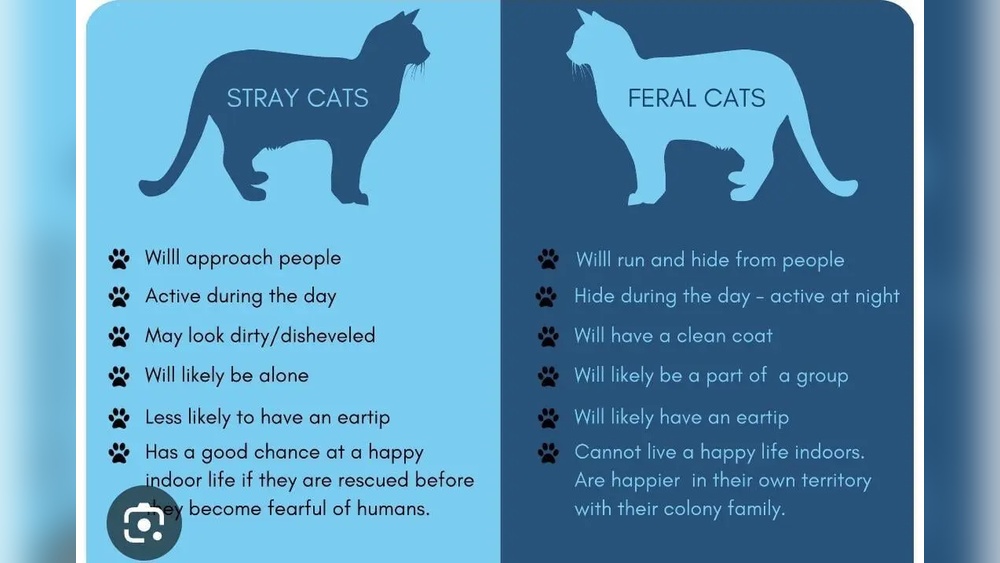
Have you ever wondered if professional groomers will take on a feral cat? If you’re caring for a stray or wild feline, you might be facing a tough question: can these experts help with a cat that’s not used to human touch?
Understanding what groomers can and can’t do for feral cats is key to keeping your furry friend safe and comfortable. Keep reading to discover what to expect, how to prepare, and whether grooming is the right choice for your wild companion.
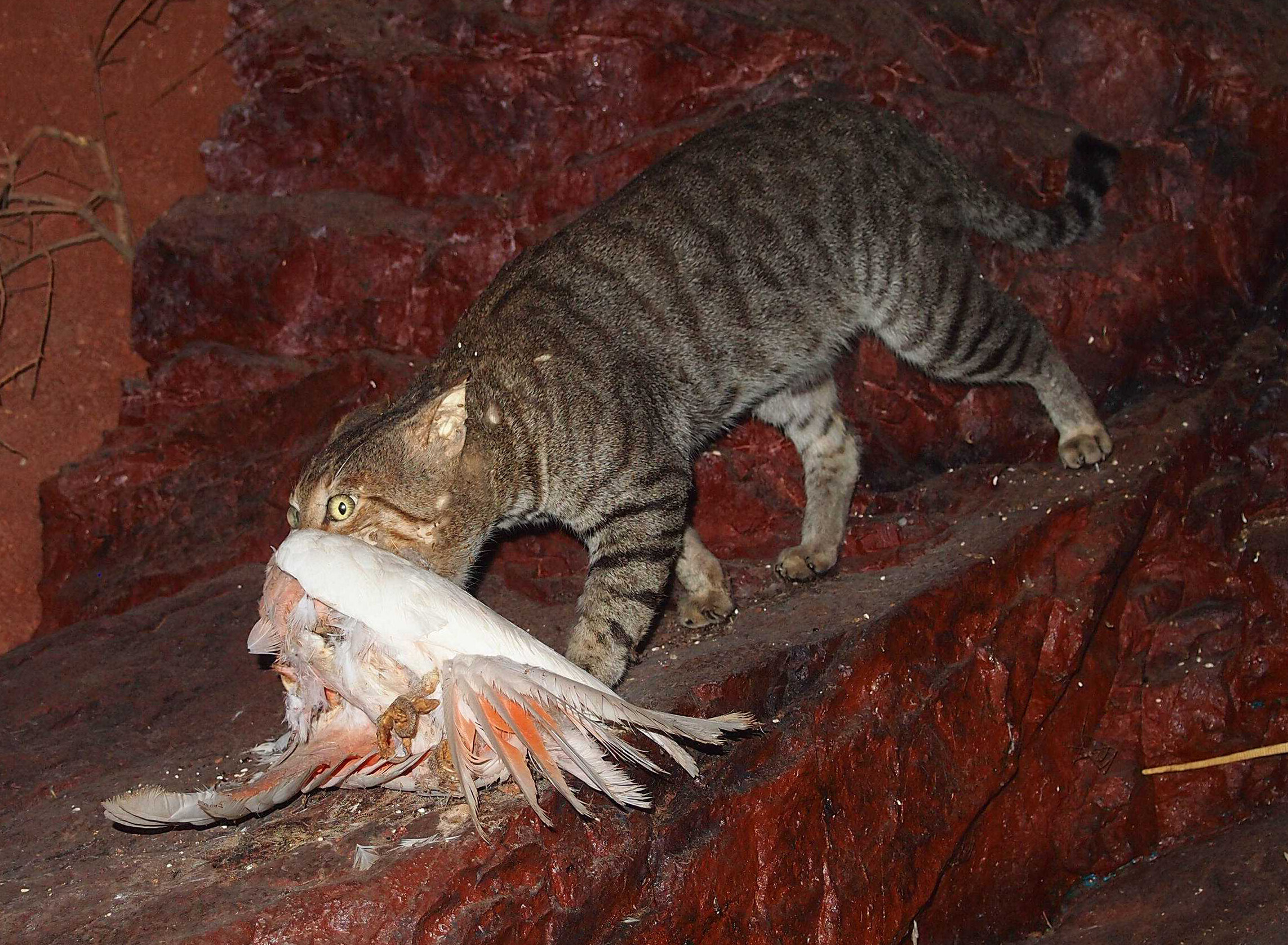
Credit: phys.org
Feral Cats And Grooming Challenges
Feral cats face many grooming challenges. Unlike pet cats, they do not get regular care. Their wild nature makes grooming difficult for both cats and groomers.
These cats live outside and avoid humans. They stay dirty and may have matted fur. Grooming them requires special skills and patience.
Behavioral Traits Of Feral Cats
Feral cats are very cautious and fearful. They avoid people and hide often. They may hiss, scratch, or bite if approached.
This behavior makes grooming risky. They do not trust humans easily. Handling them needs calm and gentle methods to reduce stress.
Health Issues Linked To Lack Of Grooming
Without grooming, feral cats develop many health problems. Their fur can get tangled and dirty. This causes skin infections and parasites.
They may also suffer from wounds that heal poorly. Dirt and mats block air to the skin, causing pain. Grooming helps prevent these issues and improves their health.

Credit: www.reddit.com
Professional Groomers’ Perspectives
Professional groomers have unique views on grooming feral cats. These cats are wild and scared of humans. Groomers must handle them carefully. Their experience helps keep both the cat and groomer safe.
Groomers often use special techniques for feral cats. They focus on calming the cat quickly. Their goal is to clean and trim without causing stress or harm.
Common Grooming Practices For Feral Cats
Groomers start by assessing the cat’s behavior. They may use gloves or towels to protect themselves. Quick baths or dry shampoos are common to avoid long handling. Clippers are used carefully to avoid cuts. Some groomers trim mats and dirt gently. They often work in quiet rooms to reduce fear. Rest breaks allow cats to calm down. Grooming may happen in short sessions over days.
Risks And Safety Concerns
Feral cats can scratch or bite if scared. Groomers must watch for signs of stress. Injuries can happen to both the cat and groomer. Stress can worsen the cat’s health. Groomers avoid forcing the cat to stay still. They use sedation only when necessary and under vet advice. Clean tools prevent infections. Safety is the top priority during all grooming steps.
Alternatives To Professional Grooming
Feral cats often resist professional grooming. They can be scared and hard to catch. Groomers may avoid handling them for safety reasons. Owners and caregivers need other ways to keep feral cats clean and healthy. Alternatives to professional grooming help maintain a feral cat’s coat and skin.
These options focus on gentle care and respecting the cat’s wild nature. They reduce stress for the cat and keep it safe. Understanding these alternatives helps you provide better care for feral cats.
Diy Grooming Tips For Feral Cats
Start by creating a calm and quiet space. Use soft brushes with gentle bristles to avoid hurting the cat. Brush slowly and watch the cat’s reaction. Stop if the cat shows signs of stress or fear. Use a damp cloth to clean dirty spots carefully. Never force grooming; patience is key. Wear gloves to protect yourself from scratches. Offer treats to reward calm behavior. Trim nails only if the cat is calm enough. Regular short sessions work better than long ones.
When To Seek Veterinary Assistance
Look for signs of infection or severe matting. Swollen skin or wounds need a vet’s care. If the cat is limping or in pain, get help. Vets can safely trim mats or treat skin problems. They also check for parasites like fleas or ticks. Seek professional help if you cannot groom the cat safely. Regular health checks improve the cat’s overall wellbeing. Early vet visits prevent bigger health issues later.

Credit: www.catsonbroadwayhospital.com
Building Trust With Feral Cats
Building trust with feral cats takes time and patience. These cats are often scared and unsure of people. They need gentle care and consistent attention. Trust grows slowly through calm, kind actions. Groomers and caretakers play a key role in this process. Understanding feral cat behavior helps create a safe space for grooming.
Techniques To Calm Feral Cats
Speak softly and move slowly around feral cats. Avoid sudden gestures that may scare them. Use a quiet room with minimal noise and distractions. Offer treats to create positive feelings. Let the cat sniff your hand before touching. Use gentle strokes and avoid the face at first. Give the cat breaks if it shows stress. These small steps help lower anxiety and build calmness.
Long-term Socialization Strategies
Visit the cat regularly to build familiarity. Feed the cat at the same time daily. Use toys to encourage playful interaction. Reward calm behavior with treats or gentle petting. Allow the cat to set the pace for contact. Avoid forcing interaction, which causes fear. Over weeks and months, trust will improve. Socialization helps prepare feral cats for grooming and care.
Impact Of Grooming On Feral Cat Welfare
Grooming a feral cat can change its life in many ways. These cats often face tough conditions outdoors. Dirt, parasites, and matted fur can cause pain and illness. Grooming helps remove these problems and improve their health.
Beyond health, grooming affects how a feral cat feels. It may reduce stress and build trust. These changes can help cats live better and even improve their chances of adoption.
Physical Health Benefits
Grooming removes dirt and parasites from the cat’s fur. This helps prevent skin infections and irritation. It also stops mats and tangles that can cause pain. Clean fur allows the cat to stay warm and dry.
Regular grooming can spot injuries or health issues early. This helps caregivers act fast and give proper care. Healthy fur and skin lead to a happier, stronger cat.
Behavioral And Emotional Effects
Grooming can calm a feral cat by reducing stress. The gentle touch may help the cat feel safer. Over time, this builds trust between the cat and the groomer.
Trust helps the cat accept humans more easily. It can lower fear and aggression. This emotional change supports better social behavior and easier handling.
Frequently Asked Questions
Will Groomers Handle Feral Cats Safely?
Most groomers avoid grooming feral cats due to safety risks. Feral cats are wild and often aggressive, making grooming difficult. Specialized professionals or animal control may be better suited for handling feral cats safely.
Can Grooming Help Improve Feral Cats’ Health?
Yes, grooming can improve a feral cat’s health by removing mats, parasites, and dirt. However, it requires calm handling. Professional help is essential to avoid stressing or injuring the cat during grooming.
How Do Groomers Prepare For Feral Cats?
Groomers prepare for feral cats by using protective gear and calming techniques. They may use muzzles or sedation if necessary. Experience with feral animals is crucial for safe and effective grooming.
Are Groomers Trained To Groom Feral Cats?
Most groomers are not trained specifically for feral cats. Feral cat grooming needs specialized skills and knowledge. Animal rescue organizations or veterinarians often have better training to manage feral cats during grooming.
Conclusion
Grooming a feral cat takes patience and care. Many groomers prefer calm, friendly pets. Feral cats often need special handling to feel safe. Some groomers may work with feral cats if trained. It is best to consult groomers before bringing a feral cat.
Always consider the cat’s comfort and stress levels. Proper care helps keep feral cats healthy and clean. Understanding their needs makes grooming easier for both. Gentle, slow approaches often bring the best results. Caring for feral cats requires kindness and respect.