
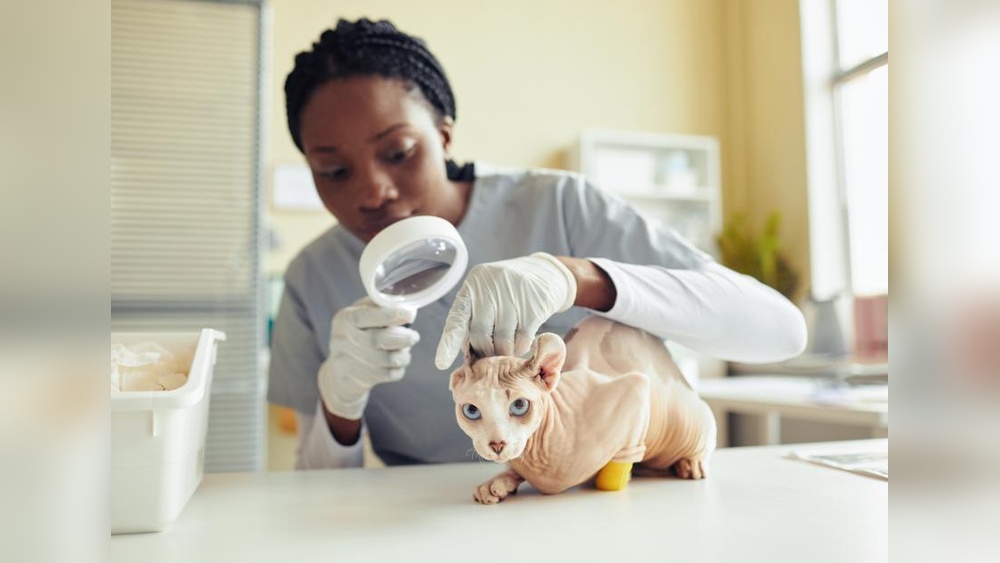
Have you noticed your cat licking herself more than usual? It might seem like normal grooming, but when it turns into over grooming, it can be worrying.
If your cat has parametriosis, you might be wondering—will this condition cause her to groom excessively? Understanding how parametriosis affects your cat’s behavior is key to helping her feel comfortable and healthy. Keep reading to learn what signs to watch for and how you can support your furry friend through this challenge.
Credit: www.bluecross.org.uk
Parametriosis In Cats
Parametriosis is a rare health issue in cats that affects their reproductive organs. It can cause discomfort and lead to unusual behaviors. Understanding this condition helps cat owners recognize signs early. This knowledge supports timely veterinary care and better health outcomes for cats.
What Is Parametriosis?
Parametriosis involves abnormal growths near a cat’s uterus. These growths are often cysts or small lumps. They may cause swelling and pain inside the cat’s abdomen. This condition usually affects female cats, especially those not spayed. It can interfere with normal reproductive functions.
Causes And Symptoms
Parametriosis often starts from inflammation or infection in the uterus. Hormonal imbalances can also trigger this condition. Symptoms include abdominal swelling, pain, and sometimes fever. Cats may show changes in grooming habits, such as over grooming the affected area. Other signs include lethargy and loss of appetite. Early detection improves treatment success and reduces risks.
Link Between Parametriosis And Grooming
Parametriosis is a health condition that can change how cats behave. It affects their body and mind in ways that often show through grooming habits. Many cat owners notice their pets groom more than usual when dealing with parametriosis. Understanding this link helps spot problems early.
How Parametriosis Affects Behavior
Parametriosis causes discomfort and stress in cats. They may feel pain or irritation, which makes them restless. This stress changes their normal behavior patterns. Grooming becomes a way to cope with this unease. Cats might lick or chew their fur more to soothe themselves. This behavior is not just cleaning but a reaction to feeling unwell.
Signs Of Over Grooming
Over grooming shows as bald spots or raw skin on your cat. You may see patches where fur is missing. The skin can look red or irritated from constant licking. Cats may focus on one area, like their belly or legs. Over grooming often leads to sores or infections. Watching for these signs helps catch problems early and get care for your cat.
Why Cats Over Groom
Cats groom themselves to stay clean and healthy. Grooming also helps them feel calm and comfortable. But some cats groom too much. This can cause skin problems and hair loss. Understanding why cats over groom helps owners care for them better. Two main reasons for over grooming are physical discomfort and stress.
Physical Discomfort And Pain
Physical pain can make cats groom more than usual. Skin irritation or injuries cause discomfort. Cats try to soothe these areas by licking them. Parasites like fleas can also lead to over grooming. Pain from internal problems may cause grooming too. Cats with parametriosis may feel pain or discomfort. This can increase their grooming behavior.
Stress And Anxiety Factors
Stress is a common cause of over grooming in cats. Changes in their environment can make them anxious. New pets or loud noises can increase stress levels. Grooming acts like a coping mechanism for stressed cats. It helps them feel safe and calm. Cats with parametriosis might feel stressed due to their condition. This stress can lead to excessive grooming habits.
Detecting Over Grooming In Cats
Detecting over grooming in cats with parametriosis is important for their health. Over grooming means a cat cleans itself too much. This can cause skin problems and hair loss. Early detection helps prevent serious issues. Watch your cat’s habits closely to spot over grooming signs.
Common Areas Affected
Cats often groom certain body parts more than others. The belly is a common spot for over grooming. You may see bald patches or red skin there. Other usual areas include the thighs, chest, and under the front legs. Sometimes, cats lick their paws and legs a lot. These spots show clear signs of over grooming.
Behavioral Changes To Watch
Look for changes in your cat’s behavior. Over grooming cats may lick or bite themselves often. They might seem restless or anxious. Some cats hide more or act tired. You might notice your cat grooming more than normal times. These behaviors hint that your cat is uncomfortable or stressed.
Treatment Options
Caring for cats with parametriosis involves careful treatment choices. These options help reduce over grooming and improve your cat’s comfort. Understanding treatments can guide you to better care and support.
Medical Interventions
Veterinarians may prescribe medicine to control pain and inflammation. Anti-inflammatory drugs reduce discomfort linked to parametriosis. Pain relief helps your cat feel calmer and less stressed. Sometimes, antibiotics fight infections caused by skin damage. Regular check-ups track the cat’s progress and adjust treatments. Surgery is rare but may be needed in severe cases. Always follow the vet’s advice closely for best results.
Behavioral And Environmental Support
Stress often makes over grooming worse in cats with parametriosis. Creating a calm home helps lower anxiety. Provide quiet spaces and cozy beds for your cat. Playtime and gentle interaction keep your cat distracted and happy. Use toys and scratching posts to redirect grooming urges. Avoid sudden changes in the cat’s routine or environment. Consistency and patience support healing and reduce stress.
Preventing Over Grooming
Preventing over grooming in cats with parametriosis is key to keeping them healthy and comfortable. Over grooming can lead to skin sores and hair loss. Managing this behavior helps avoid further health issues and pain for your cat. Simple steps can make a big difference in your cat’s well-being.
Regular Vet Checkups
Take your cat to the vet often. Regular checkups help spot signs of over grooming early. The vet can check for pain or infections linked to parametriosis. They may suggest treatments to reduce discomfort. Early care prevents worsening of symptoms and stops over grooming from becoming a habit.
Creating A Stress-free Environment
Stress can trigger over grooming in cats. Make your home calm and quiet. Provide safe spaces where your cat feels secure. Use toys and playtime to keep them busy and happy. Avoid loud noises and sudden changes. A relaxed cat grooms less and stays healthier overall.
When To See A Veterinarian
Knowing when to take your cat with parametriosis to the veterinarian is very important. Over grooming can cause skin problems and pain. Early veterinary care helps prevent serious issues. Watch your cat’s behavior and look for signs that need medical attention.
Emergency Symptoms
Seek urgent care if your cat shows these signs. Severe hair loss or open wounds from licking. Red, swollen, or bleeding skin areas. Sudden changes in appetite or energy. Constant scratching or biting at the same spot. Difficulty walking or limping. If your cat seems in pain or very restless.
Long-term Care Tips
Visit the vet for regular check-ups. Ask about treatments to reduce itching and inflammation. Follow the vet’s advice on medication and wound care. Keep your cat’s nails trimmed to avoid skin damage. Provide a calm environment to reduce stress. Monitor your cat’s grooming habits daily. Report any changes or new symptoms to the vet quickly.
Credit: www.bluecross.org.uk
Credit: wagwalking.com
Frequently Asked Questions
Do Cats With Parametriosis Groom Excessively?
Cats with parametriosis may groom more due to discomfort. Overgrooming can be a response to pain or irritation caused by this condition.
What Causes Overgrooming In Cats With Parametriosis?
Overgrooming is often triggered by inflammation and pain. Cats try to soothe affected areas by licking or biting excessively.
How Can I Stop My Cat From Overgrooming?
Consult a vet for proper diagnosis and treatment. Managing pain and inflammation can reduce overgrooming behaviors in cats.
Is Overgrooming Harmful To Cats With Parametriosis?
Yes, excessive grooming can cause skin damage and infections. It is important to address the root cause promptly to prevent harm.
Conclusion
Cats with parametriosis may show signs of over grooming. This behavior often signals discomfort or pain. Watch your cat closely for changes in grooming habits. Early action can help ease their symptoms. Consult a vet for proper diagnosis and care.
Understanding your cat’s needs supports their health and happiness. Keep grooming gentle and observe any skin issues. Caring for a cat with parametriosis takes patience and attention. Your care makes a difference in their well-being.