
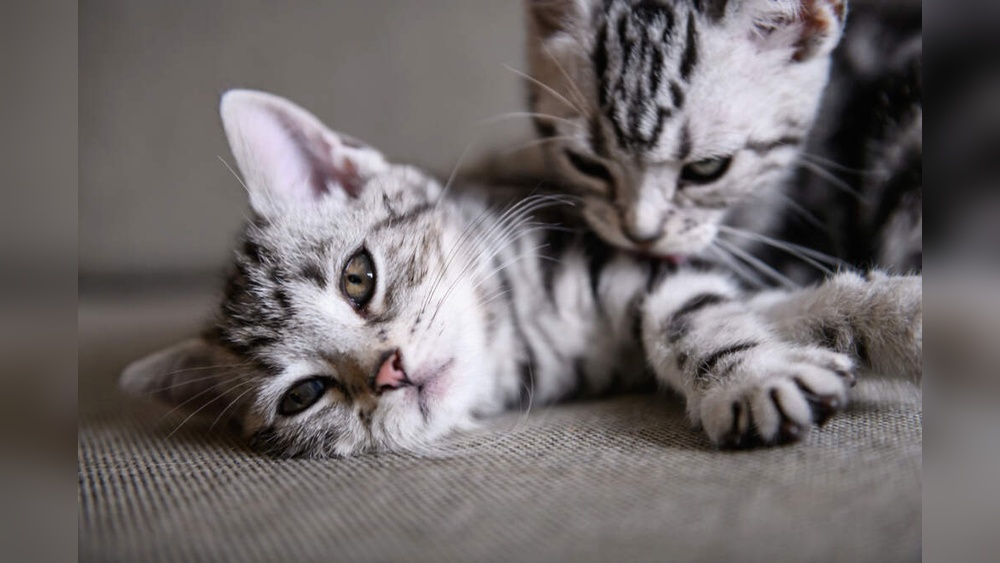
Have you ever watched cats carefully cleaning each other and wondered why they do it? This behavior, called grooming, is more than just keeping their fur tidy.
When cats groom each other, they’re building strong bonds and sharing trust. Understanding why cats groom each other can help you see your furry friends in a whole new light. Keep reading to discover the surprising reasons behind this fascinating habit and what it means for your cats’ happiness and health.
Social Bonding In Cats
Cats groom each other not just to stay clean. It is a way they show care and build trust. This behavior helps cats feel safe and close to one another. Grooming is more than hygiene—it is a social act that connects cats deeply.
Strengthening Group Ties
Grooming helps cats form strong groups. When cats lick each other, they share scents. This makes the group smell alike. It stops fights and creates peace. Cats in a group groom each other often. This action keeps the group united and calm. It helps cats live together with less stress.
Family And Friendship Connections
Cats groom their family and friends to show love. Mothers lick their kittens to care for them. Friends groom to say, “You are important.” This act builds trust and comfort. It also helps cats feel safe and happy. Grooming builds bonds that last a lifetime.

Credit: www.ebay.com
Health Benefits Of Mutual Grooming
Mutual grooming is more than just a social activity for cats. It plays a key role in keeping them healthy. Cats often groom each other to remove dirt and parasites. This helps avoid infections and skin problems. Grooming also spreads natural oils across their fur. This keeps their coat shiny and soft. Through mutual grooming, cats support each other’s health and comfort.
Parasite Removal
Parasites like fleas and ticks can harm cats. Grooming helps remove these tiny pests from hard-to-reach areas. Cats use their tongues to catch and pull out parasites. This lowers the risk of infections and skin irritation. Mutual grooming allows cats to clean spots they cannot reach alone. It helps keep the entire group free from parasites.
Skin And Coat Care
Mutual grooming spreads natural oils on the cat’s skin and fur. These oils protect the skin from drying out. They also keep the coat smooth and shiny. Grooming removes dead skin cells and loose fur. This reduces shedding and prevents mats or tangles. Cats feel more comfortable and look healthier thanks to regular grooming.
Stress Reduction Through Grooming
Cats grooming each other is more than just cleaning. It helps them reduce stress and feel calm. This social behavior plays a key role in their emotional well-being. Grooming creates bonds and lowers tension among cats living together.
Calming Effects
Grooming releases feel-good chemicals in cats’ brains. These chemicals help cats relax and feel safe. The gentle licking motion soothes their skin and nerves. This reduces anxiety and quiets their minds. Cats often groom each other after stressful events.
Conflict Resolution
Grooming helps cats fix fights or disagreements. When cats lick each other, it shows trust and friendship. This act lowers aggression and stops arguments. It helps cats rebuild peace and keep harmony. Grooming is a way cats say, “I am friends with you.”

Credit: www.ebay.com
Hierarchy And Dominance Signals
Cats use grooming to send signals about their place in the group. This behavior helps them keep peace and order. Grooming shows who is in charge and who follows. It is a quiet way for cats to share respect and trust. Understanding these signals helps us know more about cat behavior.
Establishing Social Order
Cats groom each other to set clear social roles. The cat doing the grooming often has a higher rank. The cat being groomed accepts this role by staying calm. Grooming helps avoid fights by showing who leads. This natural behavior keeps the group stable and calm.
Submissive And Dominant Behaviors
Dominant cats start grooming to show power. Submissive cats allow grooming to show respect. Sometimes, the groomed cat may purr or close its eyes. These signs mean acceptance of the social order. Grooming helps cats communicate without using loud noises or fights.
Communication Through Scent Sharing
Cats use grooming to share scents with each other. This scent sharing is a way of communication. It tells other cats about their presence and feelings. Grooming helps cats bond and stay connected. It is a silent language that only cats fully understand.
Marking Territory
Cats have scent glands on their bodies. When they groom each other, they spread these scents. This marks the area as safe and owned. Other cats can smell this and know who lives there. It helps avoid fights over space.
Group Identity
Grooming creates a shared scent among cats in a group. This scent shows they belong together. It builds trust and friendship. Cats with the same scent are more relaxed and calm around each other. This strengthens the group’s bond.

Credit: www.youtube.com
When Grooming Goes Beyond Care
Cats often groom each other to show care and build bonds. This behavior helps keep their fur clean and their skin healthy. Sometimes, grooming goes beyond simple care. It can signal deeper feelings or problems within their group.
Watching how cats groom each other can reveal much about their mood and health. Not all grooming is gentle or balanced. Some cats groom too much or too little. Understanding these habits can help keep cats happy and healthy.
Over-grooming Issues
Over-grooming happens when a cat licks or bites its fur too much. This can cause bald spots and skin wounds. It may also lead to infections if left untreated. Over-grooming often shows that a cat feels nervous or uncomfortable.
Sometimes, one cat grooms another excessively. This can be a sign of tension or control within the group. It might also stress the cat being groomed. Watching for over-grooming helps identify social problems early.
Signs Of Stress Or Illness
Changes in grooming habits may point to stress or illness. Cats may stop grooming themselves or others when they feel sick. They might groom too much to soothe pain or anxiety. Spotting these signs early can lead to quicker care and relief.
Stress can come from new pets, changes in the home, or loud noises. Illnesses like skin problems or parasites also affect grooming. Careful observation helps catch problems before they worsen. Understanding grooming patterns is key to cat health.
Frequently Asked Questions
Why Do Cats Groom Each Other?
Cats groom each other to strengthen social bonds. This behavior, called allogrooming, helps build trust and reduce stress. It also keeps their fur clean and free from parasites.
How Does Grooming Benefit Cats Socially?
Grooming fosters friendship and group cohesion among cats. It signals affection and reinforces hierarchy within their social groups. This behavior promotes peaceful coexistence and mutual care.
Can Mutual Grooming Improve Cats’ Health?
Yes, mutual grooming helps remove dirt, debris, and parasites. It also stimulates circulation and skin health. This natural care supports overall feline well-being.
Do Cats Groom Each Other Only With Family?
Cats mostly groom related or familiar cats. They avoid grooming unfamiliar or hostile cats. This selective grooming maintains social harmony within established groups.
Conclusion
Cats grooming each other shows trust and friendship. It helps keep their fur clean and healthy. Grooming also reduces stress and builds strong bonds. This behavior is natural and common among cats. It shows they care and feel safe together.
Watching cats groom can teach us about their social life. Understanding this helps us appreciate our feline friends more. Cats use grooming to communicate without words. It’s a simple act full of meaning and comfort.