
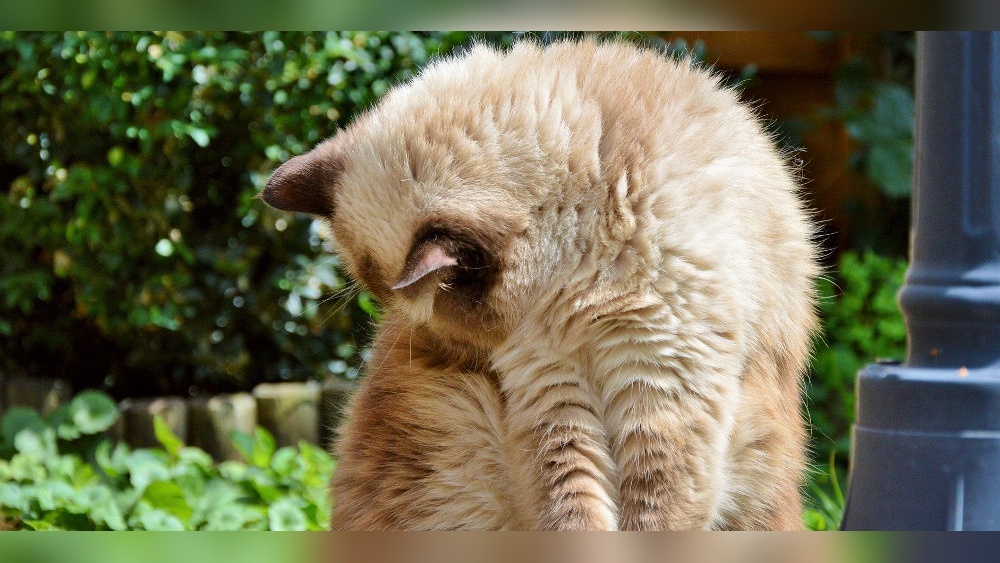
Have you noticed your cat suddenly stopping its grooming routine? It might seem like a small change, but it can mean a lot about your cat’s health and happiness.
When your furry friend stops cleaning themselves, it’s not just about looking messy—it could be a sign that something is wrong. You want your cat to feel comfortable and thrive, so understanding why this happens is key. Keep reading to discover the surprising reasons behind this behavior and what you can do to help your beloved pet feel their best again.
Signs Your Cat Is Not Grooming
Noticing changes in your cat’s grooming habits can signal a problem. Cats usually keep themselves clean and neat. When they stop, it may mean they need help. Watch for clear signs that your cat is not grooming properly. These signs help you understand your cat’s health and comfort.
Changes In Coat Appearance
A dull or greasy coat shows grooming issues. You might see mats or clumps of fur. Hair may fall out more than usual. Bald patches can develop on the skin. These changes often mean your cat is not cleaning well.
Behavioral Shifts
Your cat may act differently if not grooming. They might hide more or seem less active. Look for signs of stress or discomfort. A cat that stops grooming may avoid social contact. Changes in eating or sleeping habits can also occur.
Health Indicators
Grooming stops can point to health problems. Pain from arthritis or injury can limit movement. Skin infections or allergies may cause irritation. Dental issues might make grooming painful. Early detection of these signs can help your cat recover faster.

Credit: www.reddit.com
Common Medical Causes
Cats usually groom themselves to stay clean and healthy. When a cat stops grooming, it often signals a health problem. Common medical issues can make grooming hard or painful. Understanding these causes helps you care for your cat better.
Skin Infections And Parasites
Skin infections can make a cat’s skin itchy and sore. Cats may avoid grooming areas that hurt. Parasites like fleas and mites cause irritation. These pests lead to scratching and hair loss. Untreated infections or parasites worsen over time.
Dental Problems
Pain in a cat’s mouth affects grooming habits. Dental diseases cause discomfort when the cat moves its tongue. Cats with bad teeth may stop cleaning their face. Poor dental health impacts their overall grooming routine. Regular dental checks help prevent this issue.
Pain And Injury
Injuries can make grooming difficult or painful. A hurt leg or back can stop a cat from reaching certain spots. Pain lowers a cat’s desire to clean itself. Arthritis and other chronic pains also reduce grooming activity. Proper treatment can improve your cat’s comfort and grooming.
Emotional And Psychological Factors
Cats are sensitive animals. Their grooming habits can change because of feelings. Emotional and psychological factors can affect how often a cat grooms itself. Stress, sadness, and changes in the environment may cause a cat to stop cleaning its fur. Understanding these feelings helps you care for your cat better.
Stress And Anxiety
Stress can make cats stop grooming. Loud noises, new pets, or visitors might upset them. Anxiety may cause a cat to feel scared or nervous. When stressed, cats may not clean themselves well. This can lead to dirty or matted fur. Watching for signs of stress helps you act early.
Depression In Cats
Cats can feel sad or depressed too. Loss of a friend or a big change can cause this. A depressed cat may groom less or not at all. It may sleep more and seem less active. Recognizing depression helps you provide comfort and care. Sometimes, a vet’s help is needed.
Environmental Changes
Changes in the home affect a cat’s grooming. Moving to a new house or changing furniture can upset them. New smells and sounds make a cat feel unsafe. This can stop them from grooming properly. Keeping a calm space helps cats feel secure. A stable environment supports healthy grooming habits.
Age-related Grooming Challenges
As cats grow older, their grooming habits often change. Age can make grooming harder and less frequent. This happens because of physical and sensory challenges. These challenges stop cats from cleaning themselves properly. Understanding these problems helps in caring for older cats better.
Arthritis And Mobility Issues
Older cats may develop arthritis. This causes joint pain and stiffness. Moving becomes difficult and uncomfortable. Grooming needs stretching and bending. Arthritis limits these movements. Cats with arthritis avoid grooming spots that are hard to reach. This leads to dirty fur and skin problems.
Sensory Decline
Senses like sight and smell fade with age. Poor vision makes it hard for cats to see dirt or mats in their fur. Reduced smell lowers their interest in grooming. Cats rely on these senses to keep clean. When senses weaken, grooming becomes less frequent and less effective.
Impact Of Nutrition On Grooming
Nutrition plays a big role in a cat’s grooming habits. A healthy diet supports their skin, coat, and overall energy. Poor nutrition can cause your cat to stop grooming properly. This can lead to dull fur, skin problems, and discomfort. Understanding how diet affects grooming helps you care for your cat better.
Diet Deficiencies
Cats need certain nutrients for healthy skin and fur. Lack of protein, fatty acids, or vitamins can cause grooming issues. Protein helps build strong hair and skin cells. Fatty acids keep the coat shiny and soft. Vitamins like A and E protect the skin from damage. Without these, cats may feel itchy or weak. This can make grooming painful or tiring. Watch for bald patches or dry, flaky skin. These signs suggest a diet problem.
Hydration Effects
Water is vital for skin health. Dehydrated cats often have dry, brittle fur. Lack of moisture can make skin tight and uncomfortable. Cats who drink little water may groom less. Their tongues may hurt on dry skin. Wet food or fresh water encourages better hydration. Well-hydrated cats usually have softer fur and groom more often. Make sure your cat has clean water every day.

Credit: luckydawgsalongrooming.com
When To Seek Veterinary Help
Noticing your cat stops grooming can be worrying. Grooming is important for cats. It keeps their fur clean and skin healthy. If your cat stops grooming, it may signal health problems. Knowing when to seek veterinary help is crucial. Early action can prevent serious issues. Watch your cat closely for changes in behavior and condition.
Warning Signs
Look for bald patches or matted fur. Notice if your cat scratches or bites skin often. Check for wounds, redness, or swelling. Observe if your cat seems weak or less active. Sudden weight loss or gain is a concern. Bad smell or discharge from the skin also matters.
Diagnostic Approaches
The vet will examine your cat carefully. They may check the skin and fur condition. Blood tests might be done to find infections or diseases. Skin scrapings or biopsies can detect parasites or allergies. Sometimes, X-rays or ultrasounds help find internal problems. The vet asks about diet, habits, and environment.
Treatment Options
Treatment depends on the cause of the problem. Parasite infections require special medicine. Skin infections may need antibiotics or antifungal drugs. Allergies might be managed by changing food or environment. Pain or arthritis can be treated with pain relief. In some cases, surgery may be necessary. Follow the vet’s instructions carefully for best results.
Tips To Encourage Grooming
Helping your cat groom itself is important for its health and happiness. Cats stop grooming for many reasons, like stress or illness. You can help your cat feel better and start grooming again. Here are some simple tips to encourage grooming.
Creating A Comfortable Environment
Make a quiet, warm place for your cat to relax. Cats groom more when they feel safe and calm. Keep the area clean and free of loud noises. Soft bedding helps your cat feel cozy. Give your cat time alone if it seems stressed.
Regular Health Checks
Check your cat’s skin and fur for problems. Look for wounds, fleas, or dry patches. Visit the vet often to catch health issues early. Illness or pain can stop grooming. Keep vaccinations and treatments up to date to keep your cat healthy.
Grooming Assistance Techniques
Brush your cat gently with a soft brush. This helps remove loose fur and dirt. Use short sessions to avoid stress. Try brushing after meals or when your cat is calm. Offer treats to create a positive experience. Help your cat reach hard spots carefully.

Credit: www.wikihow.pet
Frequently Asked Questions
Why Does My Cat Suddenly Stop Grooming?
Cats may stop grooming due to illness, pain, stress, or depression. Skin infections, arthritis, or dental problems can cause discomfort. Stressful changes in environment or routine may also affect grooming habits. Consult a vet to identify and treat underlying health issues promptly.
Can Stress Cause A Cat To Stop Grooming?
Yes, stress can cause cats to stop grooming. Changes like moving, new pets, or loud noises can trigger anxiety. Stress affects their behavior, leading to neglect of self-care. Reducing stressors and providing a safe environment can help restore grooming habits.
Is Lack Of Grooming A Sign Of Illness In Cats?
Lack of grooming often signals illness in cats. Conditions like infections, arthritis, or dental pain can make grooming painful. It’s essential to observe other symptoms and seek veterinary advice to ensure timely treatment and prevent worsening health problems.
How Can I Encourage My Cat To Groom Again?
Encourage grooming by reducing stress and providing comfort. Regular brushing helps maintain coat health and stimulates grooming behavior. Ensure your cat is pain-free by consulting a vet. Creating a calm, safe environment promotes natural grooming routines.
Conclusion
Cats stop grooming for many reasons. It could be health problems or stress. Watch your cat’s behavior closely. Changes in grooming might signal pain or illness. A vet visit can help find the cause. Helping your cat feel safe and comfortable matters.
Regular grooming keeps cats clean and happy. Remember, early care can prevent bigger issues. Keep your cat’s health a top priority. Small changes today make a big difference tomorrow.