
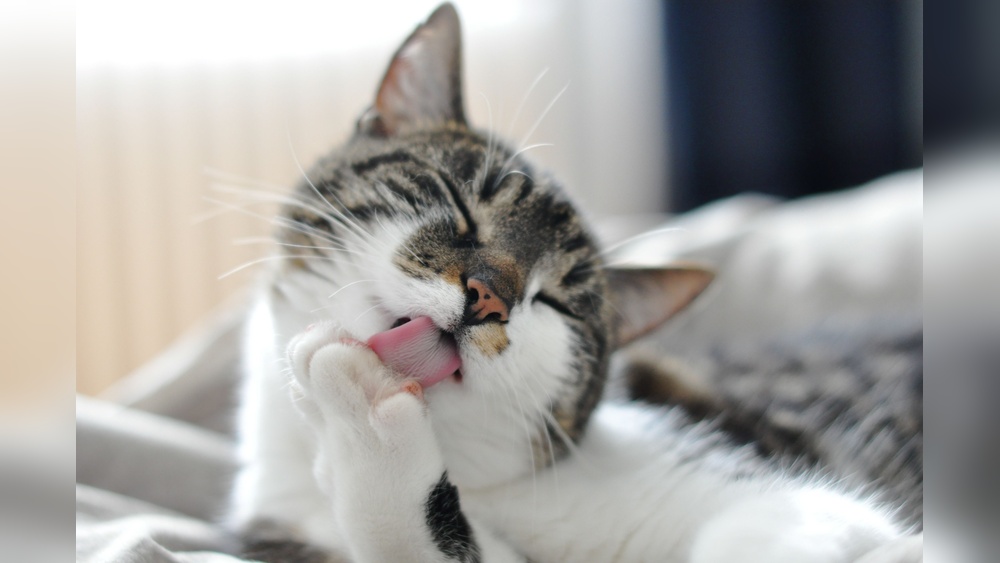
Have you ever wondered why grooming your cat is more than just a beauty routine? Grooming isn’t only about keeping your furry friend looking good—it’s a key part of their health and happiness.
When you take a few simple steps to groom your cat regularly, you’re actually helping them feel comfortable, preventing health problems, and strengthening the bond between you. Keep reading to discover exactly why grooming your cat matters and how it can make a big difference in your pet’s life.
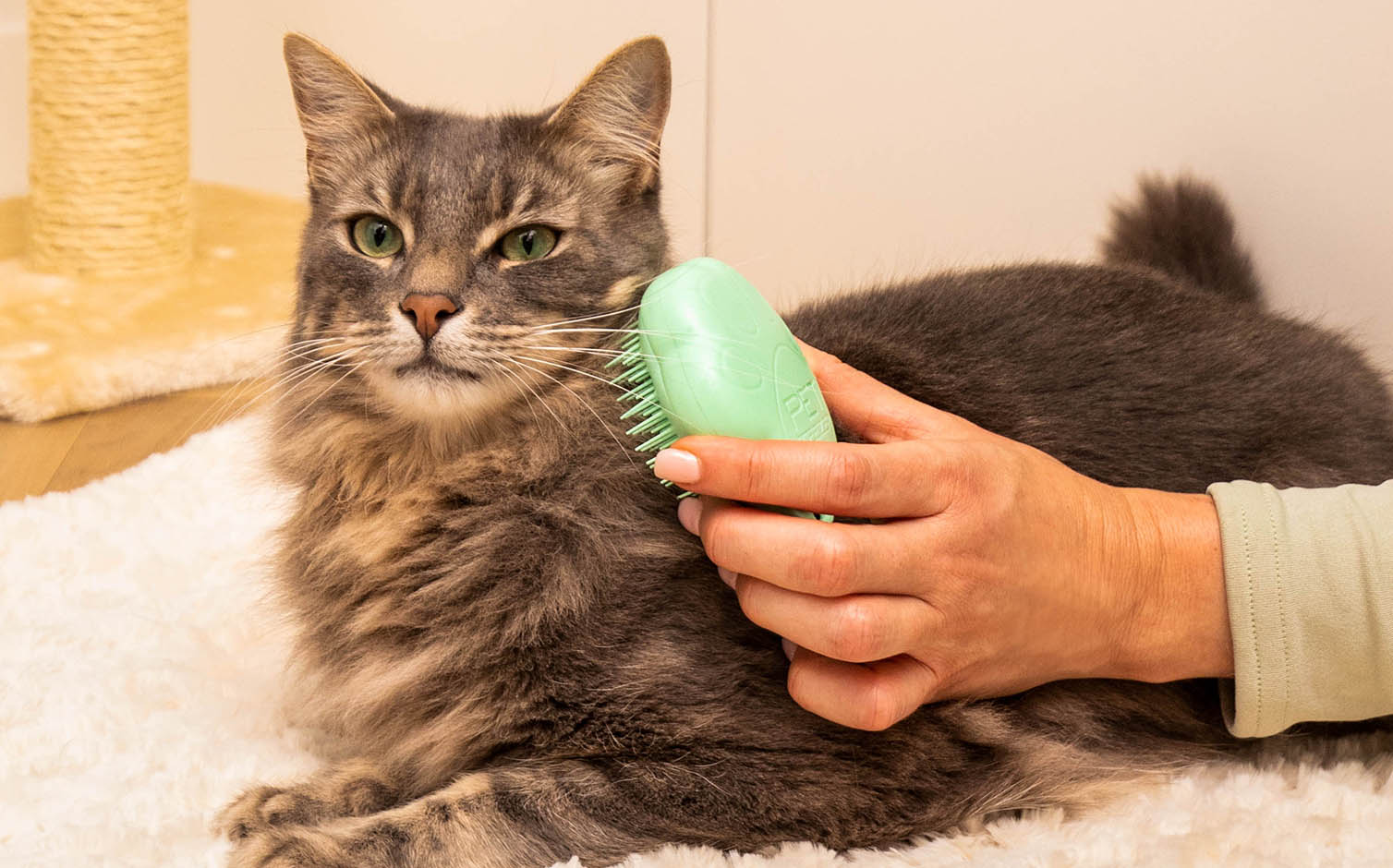
Credit: tangleteezer.com
Benefits Of Cat Grooming
Grooming your cat offers many important benefits. It helps keep your cat healthy and happy. Regular grooming supports your cat’s skin and fur. It also helps you notice any health issues early. Grooming is a simple way to care for your pet daily.
Here are some key benefits of cat grooming that every cat owner should know.
Improves Coat Health
Grooming removes dirt and dead fur. It spreads natural oils across the coat. This keeps fur soft and shiny. Healthy fur protects your cat’s skin. It also reduces the risk of skin problems.
Reduces Shedding
Brushing your cat often lowers loose hair around your home. It collects hair before it falls off. Less shedding means less cleaning for you. It also helps keep your furniture hair-free.
Prevents Hairballs
Cats swallow hair when they groom themselves. This can cause hairballs inside their stomach. Regular brushing removes loose fur before your cat swallows it. This reduces hairball formation and related discomfort.
Enhances Bonding
Grooming is a quiet time for you and your cat. It builds trust and love between you two. Your cat feels safe and cared for. This strengthens your relationship every time you groom.
Signs Your Cat Needs Grooming
Knowing the signs your cat needs grooming helps keep them healthy and happy. Cats groom themselves, but sometimes they need extra care. Spotting these signs early prevents skin problems and discomfort. Regular grooming makes your cat feel good and look great.
Mattes And Tangles
Mattes happen when fur clumps together tightly. They pull on your cat’s skin and cause pain. Tangles trap dirt and can lead to infections. Long-haired cats often get mattes more easily. Check your cat’s fur for any knots or clumps.
Excessive Scratching
Scratching a lot may show your cat has itchy skin. It might mean fleas, allergies, or dry skin. Frequent scratching can hurt your cat’s skin and cause sores. Watch for red or irritated patches on their body. Grooming helps remove irritants and soothe the skin.
Dull Fur
Healthy fur shines and feels soft. Dull, dry fur can mean your cat needs grooming. Poor coat condition sometimes shows health problems. Grooming spreads natural oils, making fur smooth and shiny. Regular brushing keeps the fur clean and healthy.
Unpleasant Odor
A bad smell from your cat can signal dirt or skin issues. Cats usually stay clean and smell fresh. Odor might come from trapped oils or infections. Grooming helps remove dirt and keeps your cat smelling nice. It also lets you check for hidden problems.
Essential Grooming Tools
Grooming your cat is easier with the right tools. These tools help keep your cat clean, healthy, and happy. Using proper grooming items also makes the process calm and safe for your pet. Here are the essential grooming tools every cat owner should have.
Types Of Brushes And Combs
Brushes remove loose fur and prevent mats. Cats with long hair need a slicker brush. Short-haired cats do well with a bristle brush. Combs help untangle knots and check for fleas. Choose a comb with both wide and narrow teeth. Regular brushing reduces shedding and hairballs.
Nail Clippers
Clipping your cat’s nails avoids scratches and damage. Use clippers made for cats or small animals. Trim the sharp tips carefully. Avoid cutting the pink part inside the nail. Regular nail care keeps your cat comfortable and safe.
Ear And Eye Care Items
Clean ears prevent infections and discomfort. Use soft cotton balls or pads. Avoid sharp objects inside the ear. For eyes, use a damp cloth to wipe away dirt. Gentle care keeps your cat’s face fresh and healthy.
:strip_icc()/understanding-cat-grooming-553960_FINAL-c1db78344e2b4499b48b4302b52b0870.jpg)
Credit: www.thesprucepets.com
Step-by-step Grooming Process
Grooming your cat keeps it healthy and happy. A clear process helps you care for your pet easily. Follow these simple steps to groom your cat well. Each step focuses on a key part of grooming. Let’s explore the best ways to brush, bathe, trim nails, and clean ears and eyes.
Brushing Techniques
Start by choosing the right brush for your cat’s fur type. Use gentle strokes to avoid hurting your cat. Brush in the direction of hair growth. Remove loose fur and prevent mats. Spend a few minutes brushing daily for best results. Be patient and calm to keep your cat relaxed.
Bathing Tips
Use a warm, quiet place for bathing. Use cat-safe shampoo only. Wet your cat slowly with lukewarm water. Apply shampoo gently and avoid the face. Rinse thoroughly to remove all soap. Dry your cat with a soft towel. Keep your cat warm after the bath.
Nail Trimming
Choose sharp, small nail clippers made for cats. Hold your cat’s paw gently. Trim only the sharp tips, avoiding the pink part. Cut small amounts to prevent pain. Reward your cat with treats for good behavior. Trim nails every few weeks to keep them healthy.
Cleaning Ears And Eyes
Use a soft cloth or cotton ball for cleaning. Moisten it with warm water or vet-approved solution. Wipe the outer ear gently, avoiding deep inside. Clean around the eyes carefully to remove discharge. Check for redness or bad smell. Consult a vet if you see issues.
Handling Grooming Challenges
Grooming your cat is important, but it can bring some challenges. Cats can be tricky to handle during grooming. Some cats don’t like being touched or brushed. Others have sensitive skin that needs special care. Fear of grooming can make the process stressful for both you and your cat.
Understanding how to handle these challenges helps keep grooming safe and calm. Patience and gentle methods make a big difference. Here are some common grooming challenges and how to manage them.
Dealing With Aggressive Cats
Aggressive cats may scratch or bite during grooming. Stay calm and use slow, gentle movements. Try using a towel to wrap your cat safely. Take breaks often to avoid stress. Use soft brushes and avoid pulling on fur. Reward your cat with treats to build trust.
Managing Sensitive Skin
Sensitive skin needs careful attention during grooming. Use gentle, hypoallergenic shampoos and brushes. Avoid harsh soaps that can cause irritation. Brush lightly to prevent scratching the skin. Check for redness or bumps regularly. If skin problems persist, visit a vet for advice.
Overcoming Fear Of Grooming
Some cats fear grooming tools and sounds. Introduce brushes and combs slowly. Let your cat sniff and explore the tools first. Start with short grooming sessions and increase time gradually. Speak softly and offer treats to calm your cat. Make grooming a positive experience every time.
Regular Grooming Schedule
Keeping a regular grooming schedule is key to a healthy and happy cat. It helps prevent hairballs, reduces shedding, and keeps your cat’s coat shiny. Grooming also lets you check your cat’s skin for any problems early. Consistent care builds trust and makes grooming easier over time.
Daily Care Tips
Brush your cat gently every day. This removes loose fur and stops mats from forming. Use a soft brush for short-haired cats and a comb for long-haired ones. Check your cat’s eyes, ears, and teeth daily. Wipe away any dirt or discharge carefully. These small steps keep your cat clean and comfortable.
Weekly Grooming Routine
Set a time each week for a deeper grooming session. Bathe your cat if needed, using cat-safe shampoo. Trim your cat’s nails carefully to avoid scratching. Clean the ears with a gentle solution if you see wax build-up. Weekly grooming keeps your cat healthy and feeling fresh.
Seasonal Adjustments
Change your grooming routine with the seasons. In spring and fall, cats shed more. Brush more often to manage extra hair. In winter, check for dry skin and use moisturizing sprays if needed. Summer may require more attention to fleas and ticks. Adjusting grooming helps your cat stay comfortable all year.
When To Seek Professional Help
Knowing when to seek professional grooming help is key for your cat’s health. Some grooming tasks can be tricky or unsafe to do at home. Professionals have the skills and tools to care for your cat properly. They can handle delicate or stubborn issues that need special attention.
Recognizing Grooming Problems
Watch for mats and tangles that you cannot remove. Skin irritations or wounds need careful cleaning and treatment. Excessive shedding or bald spots may signal health problems. Bad breath or dirty ears might require expert cleaning. If your cat resists grooming or shows stress, a professional can help safely.
Benefits Of Professional Groomers
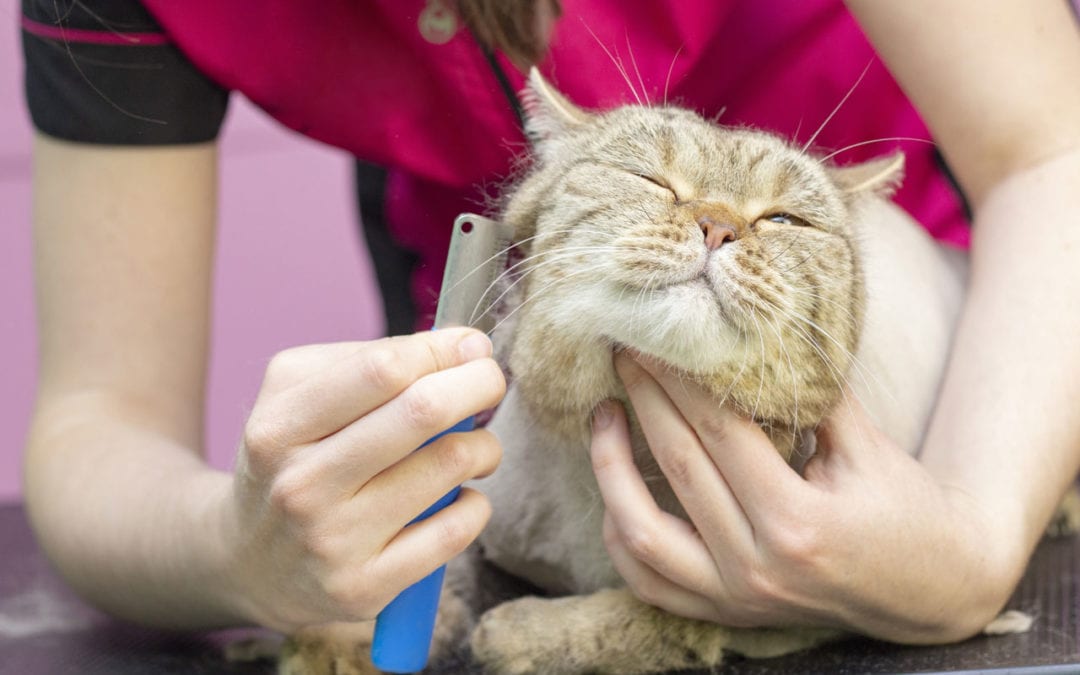
Professional groomers know how to handle cats gently. They use proper tools to avoid hurting your pet. Groomers can spot early signs of illness during grooming. They keep your cat’s coat clean, shiny, and healthy. Regular professional grooming can reduce hairballs and allergies. It saves you time and stress from difficult grooming tasks.
Credit: unionlakepetservices.com
Frequently Asked Questions
Why Is Regular Cat Grooming Important?
Regular grooming removes dirt, loose fur, and prevents matting. It helps reduce shedding and hairballs. Grooming also promotes healthy skin and improves blood circulation for your cat’s overall health.
How Often Should I Groom My Cat?
Most cats benefit from grooming once or twice a week. Long-haired cats may need daily grooming. Adjust frequency based on your cat’s coat type and shedding season for best results.
Can Grooming Reduce Cat Hair Around The House?
Yes, grooming removes loose fur before it falls off. Regular brushing minimizes shedding and hair accumulation on furniture and clothes. This keeps your home cleaner and reduces allergens.
Does Grooming Help Detect Cat Health Issues?
Absolutely. Grooming allows you to check for skin problems, parasites, lumps, or injuries early. Early detection ensures timely vet care and keeps your cat healthy.
Conclusion
Grooming your cat keeps their coat clean and healthy. It helps reduce shedding and prevents hairballs. Regular brushing also lets you check for fleas or skin problems. Cats enjoy the gentle touch and feel calmer. Grooming strengthens the bond between you and your pet.
It saves you time and vet visits later. A little care goes a long way for happy cats. Make grooming a regular part of your routine. Your cat will thank you with purrs and love. Simple steps lead to a healthier, happier cat.