
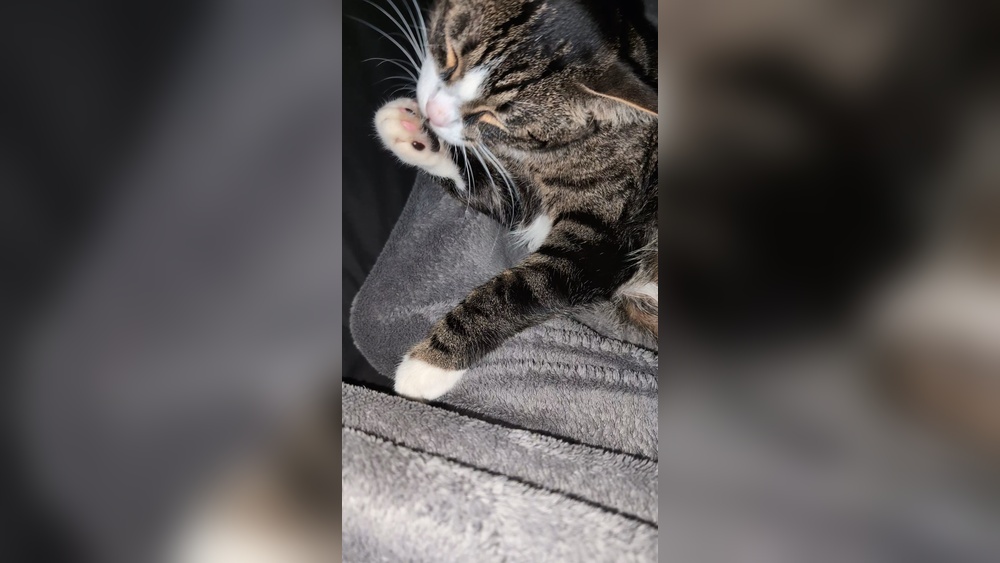
Have you ever noticed your cat nibbling gently while grooming and wondered why? It’s a curious behavior that can leave you puzzled.
Understanding why your furry friend nibbles during grooming can help you connect better and ensure their comfort. You’ll discover the surprising reasons behind this nibbling habit and what it means for your cat’s health and happiness. Keep reading to uncover the secrets behind your cat’s grooming routine!

Credit: www.reddit.com
Cat Grooming Basics
Cats spend a lot of time grooming themselves. Grooming keeps their fur clean and healthy. It also helps them relax and feel safe. Understanding the basics of cat grooming explains many cat behaviors. One common question is why cats nibble during grooming. To answer this, first learn how cats groom and what behaviors are normal.
How Cats Groom Themselves
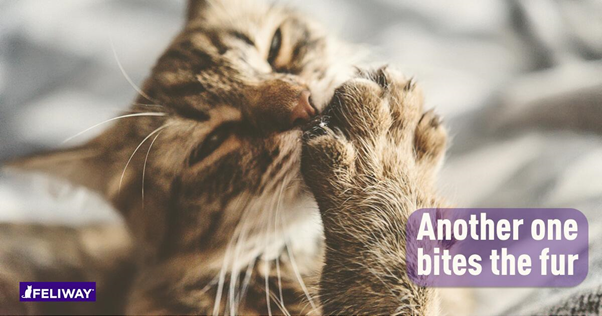
Cats use their tongues like tiny brushes. Their tongues have small, rough bumps called papillae. These help remove dirt and loose fur. Cats lick their fur in a careful pattern. They clean their face, head, and body in steps. Cats also use their teeth to nibble and pull away knots or debris. This nibbling is part of their grooming routine.
Cats use their paws to clean hard-to-reach spots. They lick their paws and then rub their face and ears. This paw-licking is another grooming method. Cats groom several times a day to keep clean. Grooming also helps spread natural oils on their fur. These oils protect their skin and keep the coat shiny.
Common Grooming Behaviors
Grooming behaviors vary by cat. Some lick more, some nibble more. Nibbling can mean removing loose fur or tangles. Sometimes cats nibble gently on themselves or others. This is a sign of affection or trust. Over-grooming or biting too hard can mean stress or skin issues. Watching grooming habits helps spot health problems early.
Cats often groom each other in groups. This social grooming builds bonds and trust. They may nibble softly on a friend’s fur. Grooming is not just about cleanliness. It is also about communication and comfort. Knowing these behaviors helps understand why your cat nibbles while grooming.
Reasons Behind Nibbling
Cats nibble during grooming for several important reasons. This behavior is normal and helps them stay clean and healthy. Understanding why your cat nibbles can improve your bond and help you care for them better.
Nibbling is part of how cats communicate and take care of themselves. It is not just about cleaning; it shows many things about their feelings and needs.
Affection And Bonding
Cats nibble gently to show love and trust. This nibbling is like a soft kiss. It helps build a strong connection between cats or with their owners. When your cat nibbles you, it means they feel safe and close to you.
Removing Loose Fur
Nibbling helps cats remove loose fur and dirt. They use their teeth to pull out hair that brushing misses. This keeps their coat clean and smooth. It also stops fur from matting and tangling.
Checking For Skin Issues
Cats nibble to check their skin for problems. They can find cuts, fleas, or irritation this way. It helps them know if something hurts or needs attention. This nibbling is a way to protect their health.
Playfulness And Curiosity
Sometimes nibbling is playful or curious. Cats explore their world with their mouths. Nibbling can be a fun way to learn about new things or people. It is part of their natural hunting and playing behavior.
When Nibbling Becomes Excessive
Nibbling is a normal part of cat grooming. Cats use their teeth to clean fur and remove dirt. But sometimes, nibbling becomes too much. Excessive nibbling can harm your cat’s skin. It can also point to deeper issues. Knowing when nibbling is too much helps you care for your pet better.
Signs Of Stress Or Anxiety
Cats often nibble more when stressed or anxious. They may lick and bite their fur to calm down. Watch for other signs like hiding or aggression. Pacing or meowing loudly can also show stress. Stress-related nibbling can cause bald spots or sores.
Possible Skin Conditions
Skin problems can cause your cat to nibble excessively. Fleas, mites, or allergies make the skin itchy. Your cat might bite to ease the itch. Look for redness, swelling, or scabs on the skin. A vet check can help find the cause and treatment.
Behavioral Concerns
Sometimes, nibbling is a habit or behavior problem. Cats may over-groom out of boredom or frustration. This can lead to hair loss and skin damage. Provide toys and playtime to reduce this behavior. Behavioral nibbling needs patience and care to fix.
How To Respond To Nibbling
Nibbling during grooming can confuse many cat owners. Understanding how to respond helps keep grooming calm and safe. Gentle guidance lets your cat learn better habits. Patience is key to changing nibbling behavior.
Encouraging Gentle Grooming
Start by watching your cat’s body language closely. Stop grooming if nibbling begins. Offer soft strokes with your hand before using a brush. Let your cat get used to touch at its own pace. Use slow, calm movements to avoid startling your cat.
Using Positive Reinforcement
Praise your cat when it grooms without nibbling. Give treats or gentle petting as rewards. Repeat this each time your cat behaves well. Avoid punishment—it can make nibbling worse. Positive rewards teach your cat what you want.
Consulting A Veterinarian
Nibbling might signal pain or discomfort. Visit a vet if nibbling is sudden or frequent. The vet can check for skin problems or dental pain. Early treatment can stop nibbling caused by health issues. Always rule out medical reasons first.
Tips For Healthy Grooming Habits
Healthy grooming helps keep your cat clean and happy. It also stops skin problems and fur mats. Knowing the right habits supports your cat’s natural grooming routine. These tips help your cat stay comfortable and calm during grooming time.
Start with gentle care and watch your cat’s reactions. Small changes can make grooming easier for both of you.
Regular Brushing Techniques
Brush your cat often to remove loose fur and dirt. Use a soft brush that fits your cat’s fur type. Brush in the direction of the fur, not against it. Short, gentle strokes work best. Make sessions short at first. Slowly increase brushing time as your cat gets used to it.
Keeping Your Cat Comfortable
Choose a quiet spot for grooming to reduce stress. Use calm, soothing voices to relax your cat. Watch for signs of discomfort like twitching or biting. Pause or stop if your cat seems upset. Give treats or gentle pets as rewards. A calm cat is easier to groom well.
Monitoring For Changes
Check your cat’s skin and fur for any changes. Look for redness, bumps, or bald spots. Notice if your cat starts nibbling more than usual. Changes can show health problems or allergies. Visit a vet if you see anything unusual. Early care keeps your cat healthy and comfortable.
Credit: us.feliway.com
Credit: doctorgroomer.com
Frequently Asked Questions
Why Does My Cat Nibble While Grooming Itself?
Cats nibble during grooming to remove dirt, loose fur, and parasites. It helps keep their coat clean and healthy. Nibbling also stimulates blood flow and spreads natural oils for a shiny coat.
Is Nibbling During Grooming A Sign Of Affection?
Yes, nibbling can show affection and bonding. Cats may gently nibble themselves or others to comfort and connect emotionally. It’s a natural social behavior promoting trust and closeness.
Can Nibbling While Grooming Indicate A Health Problem?
Occasional nibbling is normal, but excessive nibbling may signal skin irritation or parasites. Watch for redness, sores, or hair loss. Consult a vet if nibbling seems painful or obsessive.
How Can I Stop My Cat’s Excessive Nibbling?
Distract your cat with toys or grooming brushes. Ensure a parasite-free environment and provide a healthy diet. Consult a vet if the behavior persists or causes skin damage.
Conclusion
Cats nibble while grooming to clean and show affection. This behavior helps remove dirt and loose fur. Sometimes, nibbling feels soothing to cats. It also builds a bond between you and your pet. Watching your cat nibble can reveal their mood and health.
Pay attention if the nibbling seems too hard or frequent. That might mean your cat needs a vet check. Understanding this habit helps you care for your cat better. Enjoy these small moments—they show your cat’s trust and comfort.