
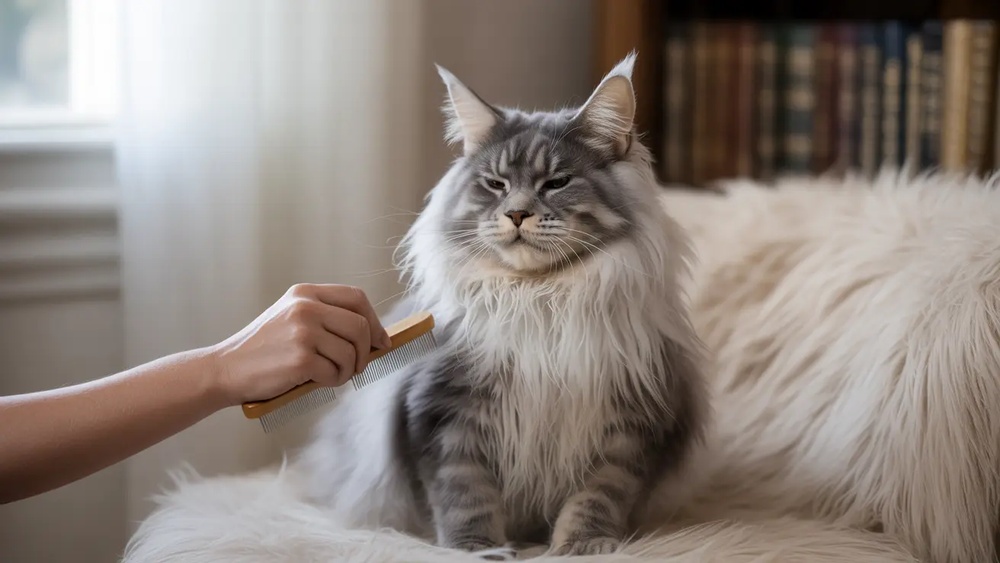
Have you ever caught your cat kneading and licking your blanket and wondered, “Why is my cat grooming the blanket?” It’s a curious behavior that can leave you scratching your head. Your furry friend isn’t just being playful — there’s often a deeper reason behind this habit.
Understanding why your cat does this can help you connect with them better and even spot if something’s off. Keep reading to discover the surprising reasons behind your cat’s blanket grooming and what it means for their comfort and health.
Credit: www.catster.com
Cat Grooming Habits
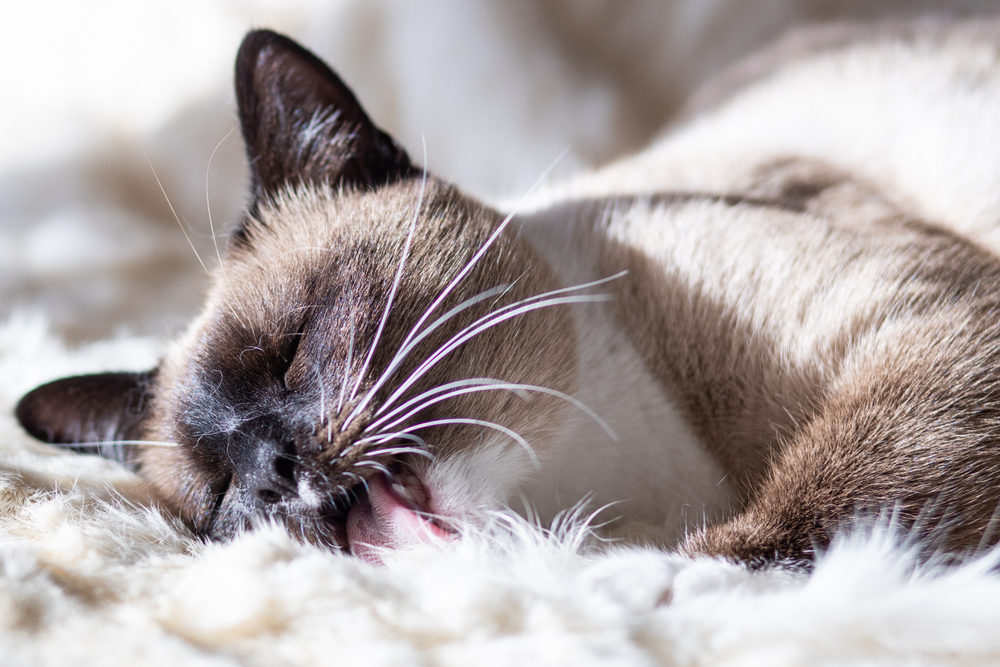
Cats spend a lot of time grooming themselves. It is a natural way they stay clean and healthy. Grooming helps remove dirt and loose fur. It also cools them down and relaxes their body. Understanding cat grooming habits can explain why your cat grooms unusual things, like a blanket.
Normal Grooming Behavior
Cats lick their fur to keep it neat. This habit helps spread natural oils across their skin. They use their rough tongue to clean hard-to-reach spots. Grooming also reduces stress and calms the cat. It is common for cats to groom several times a day. This routine keeps them comfortable and happy.
When Grooming Extends Beyond Fur
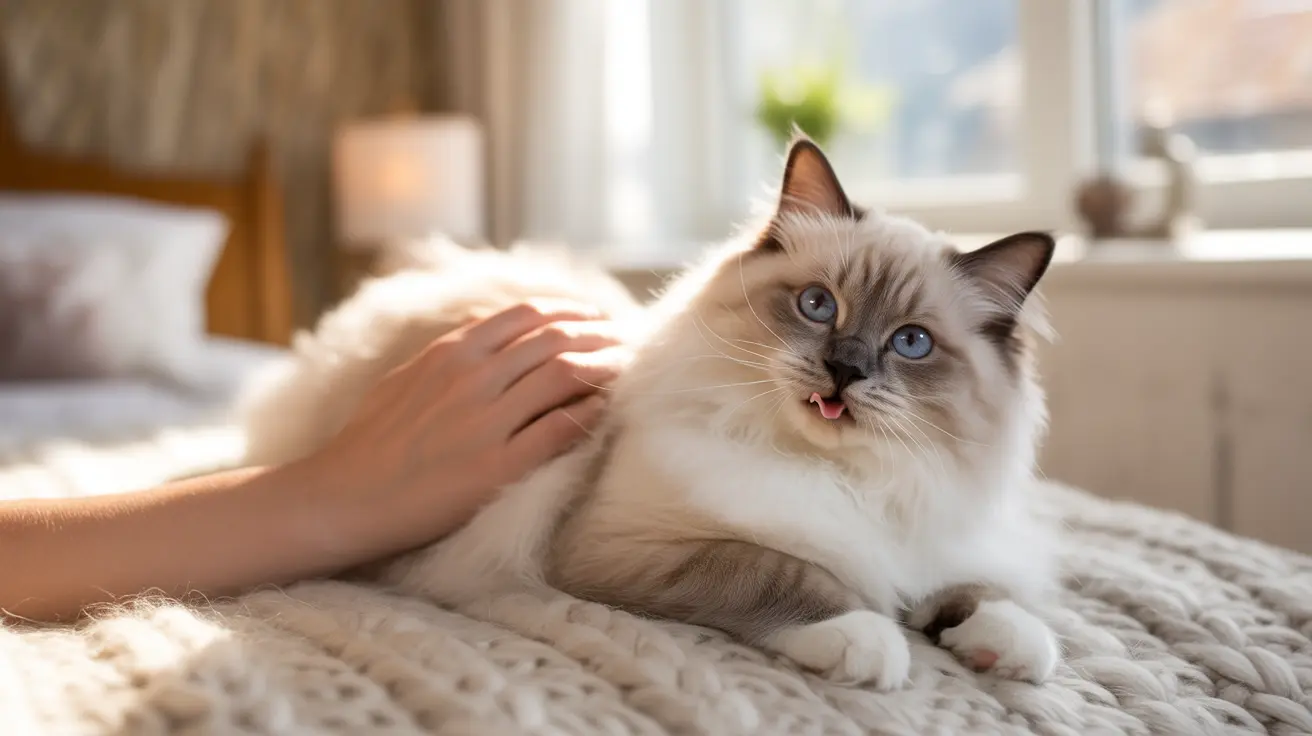
Sometimes, cats groom objects like blankets or pillows. They may knead or lick these items gently. This behavior can show comfort or security. It reminds them of their mother’s care as kittens. Some cats groom blankets because of soft texture or scent. This habit is a way to feel safe and relaxed.
Credit: www.petscare.com
Reasons Cats Groom Blankets
Cats often groom blankets for different reasons. This behavior is normal and shows their feelings or needs. Understanding why cats groom blankets helps owners care better for their pets.
Comfort And Security
Blankets feel soft and warm. Cats groom them to feel safe and cozy. This action reminds them of their mother’s care. It helps cats relax and stay calm.
Marking Territory
Cats have scent glands in their mouths. Grooming blankets leaves their scent behind. This marks the blanket as their space. It helps cats feel in control of their area.
Mimicking Nursing Behavior
Kittens groom their mother’s fur to nurse. Adult cats may groom blankets to copy this. It brings a sense of comfort and calmness. This behavior often comes from kittenhood habits.
Stress And Anxiety Relief
Grooming blankets can reduce stress. Cats feel anxious in new or loud places. Grooming is a way to soothe themselves. It helps them handle nervous feelings better.
Scent Transfer And Familiarity
Cats like familiar smells. Grooming blankets moves their scent to objects. This makes the blanket smell like the cat. It creates a safe and familiar place for them.
Health Factors Influencing Grooming
Cats groom themselves to stay clean and comfortable. Sometimes, health issues make cats groom objects like blankets. Understanding these health factors helps you care for your cat better. Some health problems cause cats to lick or chew fabrics more often. This section explains common health reasons behind this behavior.
Skin Irritations Or Allergies
Cats may lick blankets if their skin feels itchy or sore. Allergies to food, dust, or plants can cause irritation. Cats try to soothe their skin by licking nearby surfaces. This behavior can become frequent if the irritation continues. Watch for redness, hair loss, or scabs on your cat’s skin.
Parasite Infestations
Fleas, mites, or ticks cause severe itching in cats. These parasites bite and irritate the skin. Cats may lick blankets to ease the discomfort. Check your cat’s fur and skin for small bugs or eggs. Parasite problems need quick treatment to stop excessive licking and scratching.
Behavioral Disorders
Stress and anxiety can change a cat’s grooming habits. Cats may lick blankets to comfort themselves. This habit may grow into a repetitive behavior called psychogenic alopecia. It causes hair loss and skin damage. A calm environment and vet advice can help reduce this behavior.
How To Respond To Blanket Grooming
Knowing how to respond to your cat grooming the blanket helps keep your cat happy and healthy. This behavior can be normal, but it may need some guidance. You want to make sure your cat feels safe and comfortable. Understanding your cat’s needs is key to a good response.
Providing Alternatives
Give your cat other soft items to groom. A small plush toy or a soft towel can work well. Cats often like textures similar to blankets. Rotate these items to keep your cat interested. This helps redirect the grooming without stress.
Creating A Calm Environment
Make your home a peaceful place for your cat. Loud noises and sudden movements can cause anxiety. Provide quiet spots where your cat can relax. Use calming scents like lavender or chamomile around the area. A calm cat grooms less out of stress.
When To Consult A Vet
Watch for signs of over-grooming or skin damage. Constant grooming can cause bald spots or sores. If your cat grooms the blanket too much, ask a vet. Health issues or anxiety might be the cause. Early advice helps prevent more problems later.
Preventing Excessive Grooming
Preventing excessive grooming is important for your cat’s health and comfort. Cats may groom a blanket too much due to stress, boredom, or skin problems. Helping your cat reduce this habit can improve their mood and avoid skin damage.
Finding ways to distract and soothe your cat is key. Simple changes in daily care can make a big difference in their behavior. Below are some effective methods to help manage and prevent over-grooming.
Regular Play And Exercise
Keeping your cat active helps reduce stress and boredom. Play sessions with toys or interactive games keep their mind busy. Physical activity also uses up energy that might cause excess grooming. Short, frequent playtimes work best for most cats.
Using Soothing Scents
Some scents calm cats and reduce anxiety. Lavender and chamomile are gentle and safe choices. Use a diffuser or spray lightly on blankets or bedding. These scents create a relaxing environment, discouraging compulsive grooming habits.
Routine Grooming Sessions
Regular brushing helps your cat feel cared for and relaxed. It removes loose fur and prevents skin irritation. Grooming sessions also strengthen your bond with your cat. Keep sessions short and gentle to avoid stress.
Credit: www.amazon.com
Frequently Asked Questions
Why Does My Cat Groom The Blanket Often?
Cats groom blankets to mimic self-cleaning and feel comforted. The texture reminds them of their fur, providing a soothing sensation.
Is Blanket Grooming A Sign Of Stress In Cats?
Yes, blanket grooming can indicate mild stress or anxiety. It helps cats calm down and feel secure in their environment.
Can Blanket Grooming Replace A Cat’s Self-grooming?
No, blanket grooming complements but does not replace self-grooming. Cats still need to clean themselves for hygiene and health.
How To Stop My Cat From Over-grooming The Blanket?
Provide more playtime, attention, and cozy spots. Offer toys and regular grooming to reduce blanket over-grooming habits.
Conclusion
Cats grooming blankets can show comfort or stress relief. It is a way for them to feel safe and calm. Sometimes, it reminds them of their mother’s care. This behavior is normal and not harmful. Watching your cat can help you understand its feelings.
Offering cozy blankets or toys helps them stay happy. Remember, patience and love make your cat feel secure. Keep observing their habits to ensure their well-being. Caring for your cat means learning their unique ways. Small actions build a strong bond with your pet.