
Have you noticed your cat isn’t grooming its back like it used to? If your furry friend is missing those usual cleaning sessions, it’s natural to worry.
Grooming is more than just a habit for cats—it’s how they stay healthy and comfortable. When your cat stops grooming its back, it can signal something important about their health or mood. Keep reading to discover the surprising reasons behind this change and what you can do to help your cat feel their best again.
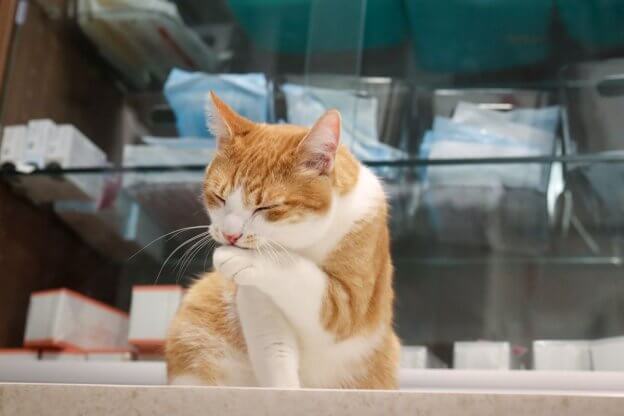
Credit: cats.com
Common Grooming Habits
Cats spend a lot of time grooming themselves. This is a natural habit that helps keep their fur clean and healthy. Understanding common grooming habits can explain why a cat might stop grooming its back. Observing these habits is key to noticing any changes in your cat’s behavior.
Typical Cat Grooming Patterns
Cats lick their fur to remove dirt and loose hair. They often use their tongue to clean areas they can reach easily. Their backs can be hard to reach, but cats usually twist their bodies to groom these spots. Grooming happens several times a day, especially after eating or sleeping. Cats also use grooming to cool down and relax.
Importance Of Grooming For Cats
Grooming helps cats stay clean and avoid skin problems. It removes dirt, parasites, and dead hair. Grooming also spreads natural oils across their fur. This keeps their coat shiny and waterproof. Regular grooming supports good skin health and prevents mats and tangles. Grooming can also reduce stress and strengthen bonds with other cats or humans.

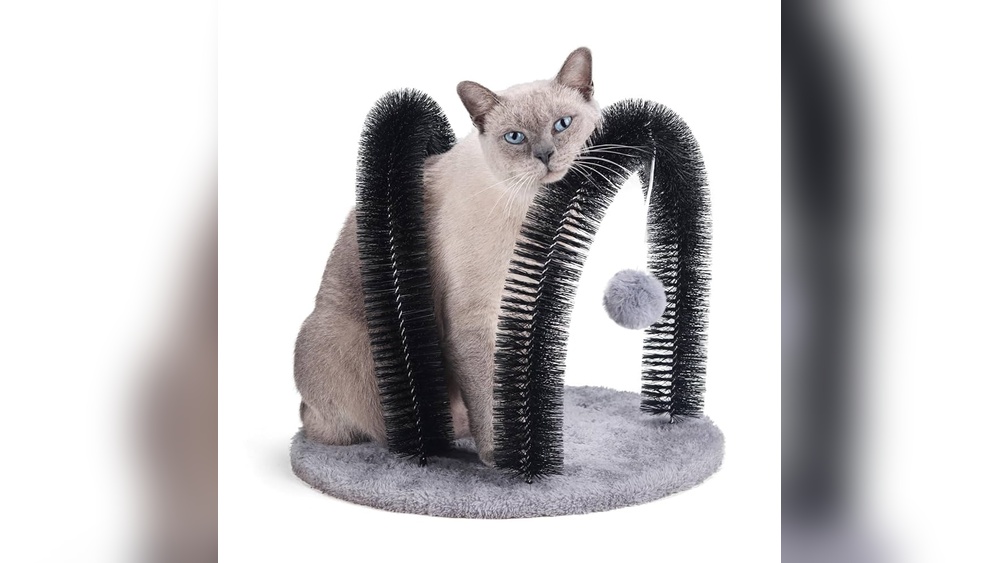
Credit: www.amazon.com
Signs Of Grooming Problems
Signs of grooming problems in cats can be subtle or clear. Cats usually keep themselves clean by licking their fur. A change in this habit may signal health or emotional issues. Noticing these signs early helps in seeking proper care for your cat.
Understanding these signals can prevent serious problems. It is important to watch your cat’s behavior and appearance closely.
Identifying Lack Of Grooming
A cat that stops grooming may look messy or dirty. Its fur may become oily or sticky. You might see clumps of fur or mats forming. The cat may have bad odor from unclean fur. Less grooming can also mean the cat feels pain or stress.
Physical Symptoms To Watch
Look for bald patches or thinning fur. Skin may appear red, irritated, or flaky. The cat might scratch or bite its skin more often. You could notice sores or scabs on the body. These signs show your cat needs help with grooming.
Health Issues Affecting Grooming
Health problems can stop a cat from grooming itself properly. Grooming is important for cats to stay clean and healthy. When a cat stops grooming, it may feel pain or discomfort. Some health issues make grooming hard or painful for cats. Understanding these problems helps in taking better care of your cat.
Skin Conditions And Allergies
Skin problems can cause itching and soreness. Cats may avoid grooming to prevent pain. Allergies often lead to red, irritated skin. This makes grooming uncomfortable. Infections or parasites can also cause skin issues. These conditions stop cats from cleaning their fur well.
Dental Problems
Pain in the mouth makes grooming hard. Cats with dental problems may eat less or avoid grooming. Tooth decay or gum disease causes discomfort. Cats use their tongue and teeth to groom. When these hurt, cats stop grooming their backs.
Arthritis And Mobility Challenges
Arthritis causes joint pain and stiffness. Older cats often suffer from arthritis. Moving the head and body to groom becomes difficult. Cats with arthritis may skip grooming certain areas. Limited mobility stops them from cleaning themselves properly.

Credit: www.torontohumanesociety.com
Emotional And Behavioral Causes
Cats stop grooming for many reasons. Emotional and behavioral causes play a big role in this behavior. When cats feel upset or uneasy, they may neglect their grooming habits. This can lead to a dull coat and skin problems.
Understanding these causes helps in caring for your cat better. Observing changes in your cat’s mood and environment is important. These factors often affect how your cat takes care of itself.
Stress And Anxiety Effects
Stress can cause cats to stop grooming. Loud noises, strangers, or new pets may trigger anxiety. An anxious cat may hide or avoid grooming. Stress also lowers their energy, making grooming less likely.
Chronic stress can harm your cat’s health. It may lead to skin problems or infections. Watch for signs like excessive meowing or hiding. These show your cat needs comfort and care.
Depression In Cats
Cats can feel sad or depressed, just like people. Loss of a companion or lack of play can cause this. A depressed cat may groom less or not at all. They may also sleep more and lose interest in food.
Depression lowers a cat’s motivation to groom. It affects their overall well-being. Offering affection and playtime can help your cat feel better. Sometimes, a vet’s advice is needed to treat depression.
Impact Of Environmental Changes
Changes in the home can upset a cat’s routine. Moving to a new house or remodeling can cause stress. New smells, sounds, or furniture may confuse your cat. This confusion can lead to less grooming.
Keeping a calm and stable environment helps cats stay relaxed. Providing safe spots and familiar items comforts them. A steady routine encourages normal grooming habits. Patience is key during big changes in your cat’s life.
Age And Grooming
Age affects a cat’s grooming habits in many ways. Older cats may not groom as well as younger cats. This change is normal but can signal health issues. Understanding how age influences grooming helps you care better for your pet.
Grooming Changes In Senior Cats
Senior cats often groom less often. Their fur may look dull or unkempt. Skin can become dry and flaky. These changes happen because of aging skin and fur. Sometimes, arthritis or stiffness makes grooming hard. Older cats may miss spots while cleaning themselves.
Energy Levels And Grooming
Older cats usually have less energy. Low energy means less time spent grooming. Grooming needs physical effort and flexibility. Tired cats may rest more and groom less. Reduced grooming can cause matting or dirt buildup. Watch your cat’s energy to understand their grooming habits.
External Factors Influencing Grooming
Cats are usually very clean animals. They spend a lot of time grooming themselves. Sometimes, a cat may stop grooming its back. This can worry cat owners. Several external factors can affect a cat’s grooming habits. Understanding these factors helps in caring for your cat better.
Parasites And Infestations
Parasites like fleas or mites cause itching and discomfort. Cats may avoid grooming areas that hurt. These pests irritate the skin and cause redness. Constant scratching can lead to wounds or hair loss. Treating the infestation quickly helps your cat feel better. Regular checks prevent parasites from taking hold.
Diet And Nutrition Impact
Poor diet affects a cat’s skin and coat health. Lack of essential nutrients makes fur dry and brittle. Cats with weak coats may groom less often. High-quality food supports healthy skin and shiny fur. Omega-3 fatty acids and vitamins play a big role. Feeding a balanced diet helps maintain normal grooming habits.
When To See A Veterinarian
Noticing your cat stops grooming can worry any pet owner. Cats usually keep themselves very clean. When they stop, it might signal a health problem. Knowing when to see a veterinarian helps your cat get care fast. Early action can make a big difference.
Warning Signs Requiring Medical Attention
Look for bald spots or scabs on your cat’s skin. Watch for redness, swelling, or sores. Notice if your cat scratches or bites itself a lot. Check if your cat loses weight suddenly. See if your cat acts tired or hides more than usual. Difficulty walking or limping also needs attention.
Diagnostic Procedures
The vet will start with a full physical exam. They may take skin scrapings or fur samples. Blood tests check for infections or other illnesses. X-rays or ultrasounds might be needed to see inside the body. Tests help find the exact cause of grooming problems. This guides the vet to the best treatment plan.
Helping Your Cat Groom Again
Cats stop grooming for many reasons. It can be due to illness, pain, or stress. Helping your cat start grooming again is important for their health. Clean fur keeps them comfortable and prevents skin problems.
Patience and care are key. You can support your cat with simple steps at home. Sometimes, professional help is needed to make grooming easier and safer for your pet.
At-home Care Tips
Brush your cat gently every day. Use a soft brush to remove loose fur and dirt. This helps your cat feel clean and reduces matting. Offer treats to make grooming a positive experience.
Check your cat’s skin for signs of irritation or wounds. Keep the fur dry and clean. Use a damp cloth to wipe dirty areas if your cat resists brushing. Regularly trim nails to avoid scratching during grooming.
Professional Grooming Assistance
Some cats need help from a groomer or vet. Professionals can safely remove mats and check for health problems. They know how to handle nervous or sick cats gently.
Schedule regular grooming sessions to maintain your cat’s coat. A groomer can also teach you how to care for your cat’s fur at home. This support helps your cat feel better and stay clean.
Frequently Asked Questions
Why Is My Cat Not Grooming Itself Properly?
Cats may stop grooming due to stress, illness, or pain. Skin infections and arthritis also affect grooming habits. Monitor your cat and consult a vet if grooming declines.
Can Health Problems Cause Cats To Stop Grooming?
Yes, health issues like dental pain, obesity, or skin conditions can prevent grooming. Regular vet checkups help detect these problems early and maintain your cat’s grooming routine.
Does Stress Affect A Cat’s Grooming Behavior?
Stress and anxiety can cause cats to neglect grooming. Changes in environment, new pets, or loud noises trigger stress. Providing a calm space helps improve grooming habits.
How Does Age Impact A Cat’s Grooming?
Older cats may groom less due to arthritis or reduced flexibility. Aging slows grooming instincts and ability. Gentle brushing assists older cats in staying clean.
Conclusion
Cats stop grooming for many reasons. Stress, illness, or pain can cause this change. Watch your cat closely for other signs. A visit to the vet might help find the cause. Keep your cat comfortable and calm. Regular grooming helps your cat stay clean and healthy.
Understanding your cat’s behavior improves your bond. Taking action early can prevent bigger problems later. Stay patient and gentle with your furry friend. Your care makes a big difference in their well-being.