
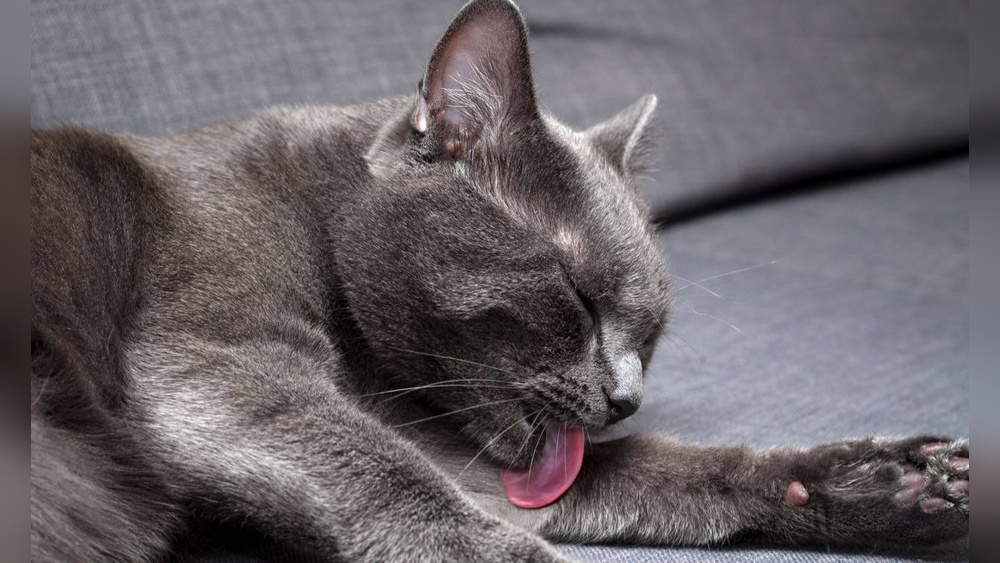
Have you noticed your elderly cat spending more time than usual licking and grooming? It might seem harmless at first, but over grooming can signal that something is wrong.
You might be wondering why your beloved pet is doing this and what it means for their health. Understanding the reasons behind this behavior can help you take the right steps to keep your cat comfortable and happy. Keep reading to discover what causes over grooming in older cats and how you can help your furry friend feel better.

Credit: www.reddit.com
Signs Of Over Grooming
Over grooming in elderly cats can signal discomfort or stress. Recognizing signs early helps to address the problem fast. These signs fall into three main groups: behavior, physical changes, and grooming habits. Watch closely for these clues to help your cat stay healthy and happy.
Behavioral Changes
An elderly cat that grooms too much often acts differently. It may seem restless or anxious. Your cat might hide more than usual or avoid people. Sudden irritability or aggression can also appear. These changes show your cat is not feeling well inside.
Physical Symptoms
Look for red, raw, or bald patches on the skin. The fur may look uneven or thinner in some spots. Sores or scabs can develop from constant licking. Your cat’s skin might be dry or flaky. These signs tell you the grooming is damaging the skin.
Common Grooming Patterns
Over grooming often focuses on certain areas like the belly, legs, or tail. Your cat may lick the same spot for long periods. Sometimes the grooming looks frantic or nervous. Watch if your cat uses teeth or claws more than usual. These patterns help identify the problem’s cause.
:strip_icc()/how-to-stop-cat-over-grooming-554052-02-292560d5fa1542458556eff312f669d7.jpg)
Credit: www.thesprucepets.com
Medical Causes
Medical issues often cause elderly cats to over groom. Health problems can make your cat feel itchy or uncomfortable. This leads to excessive licking and grooming as they try to soothe themselves. Understanding these medical causes helps you know when to seek veterinary care.
Skin Conditions
Skin problems are a common reason for over grooming. Dry skin, infections, or wounds can irritate your cat’s skin. This irritation makes your cat lick or scratch more than usual. Treating skin conditions can reduce over grooming and improve comfort.
Allergies And Parasites
Allergies to food, pollen, or dust can cause itching. Parasites like fleas or mites make your cat scratch and lick often. These allergic reactions and parasites cause discomfort. Removing allergens and treating parasites helps stop over grooming.
Pain And Discomfort
Pain can make your elderly cat groom too much. Arthritis or injury causes discomfort in certain areas. Your cat may lick those spots to ease the pain. Checking for pain and treating it can reduce over grooming behavior.
Psychological Factors
Psychological factors play a big role in why elderly cats over groom. These reasons come from their feelings and mind. They may feel scared or sad, which changes how they act. Over grooming is a way they try to deal with these feelings. Understanding these mental causes helps us care for them better.
Stress And Anxiety
Stress and anxiety can make an elderly cat groom too much. Loud noises, new people, or other pets cause stress. Cats use grooming to calm themselves. It feels like a safe habit to them. Too much grooming tries to reduce their nervous feelings.
Boredom And Loneliness
Boredom is another reason for over grooming. Older cats may feel lonely or have less playtime. Grooming fills time and gives comfort. It becomes a habit to fight boredom. Loneliness makes them seek comfort in grooming.
Changes In Environment
Changes like moving homes or new furniture upset cats. Their routine breaks and they feel unsure. Grooming helps them feel normal again. It is a way to cope with new things. These changes increase grooming behaviors in elderly cats.
Age-related Issues
As cats grow older, their bodies and minds change in many ways. These changes can cause them to groom more than usual. Understanding these age-related issues helps explain why your elderly cat might over groom.
Arthritis And Mobility
Arthritis is common in older cats. It causes joint pain and stiffness. Grooming can become difficult in some areas. Your cat might lick other parts more to compensate. Over grooming can be a sign your cat feels sore or uncomfortable.
Cognitive Decline
Older cats can face problems with memory and thinking. This is called cognitive decline. It can cause stress and confusion. Over grooming might be a way to soothe themselves. Repetitive licking helps reduce anxiety in some cats.
Sensory Changes
Senses like smell and touch get weaker with age. Your cat might not feel clean or comfortable. Over grooming helps them feel better. It is their way to stay aware of their body. Changes in skin sensitivity can also cause licking.
Diagnosis Approaches
Understanding why your elderly cat is over grooming needs careful diagnosis. This helps find the cause and the best way to help your pet. Diagnosis involves several steps to check health, skin, and behavior. Each step gives clues to the root problem.
Veterinary Examination
The first step is a full veterinary exam. The vet checks your cat’s coat, skin, and body for signs of illness. They look for wounds, redness, or parasites. The vet also asks about your cat’s habits and environment. This helps spot any health issues causing over grooming.
Skin Tests And Biopsies
Sometimes skin tests are needed. These tests find allergies, infections, or parasites. A small skin biopsy may be done to check for deeper problems. The vet takes a tiny skin sample and studies it under a microscope. These tests give clear answers about skin health.
Behavioral Assessment
Over grooming can be linked to stress or anxiety. A behavioral assessment checks for changes in your cat’s routine or environment. The vet or a specialist watches your cat’s behavior closely. This helps find if emotional issues cause the grooming problem.
Treatment Options
Finding the right treatment for an elderly cat that over grooms is important. Over grooming can cause skin damage and discomfort. Treatment options focus on stopping this behavior and helping your cat feel better.
Each cat may need a different approach. Some treatments target the skin, while others help reduce stress or boredom. Understanding these options helps you choose what works best for your cat.
Medications And Topicals
Medications can calm itching and reduce inflammation. Your vet may prescribe creams or sprays for the skin. These topicals soothe irritation and help healing.
Oral medicines might control allergies or infections. Some drugs reduce anxiety that leads to over grooming. Always follow your vet’s advice for safe use.
Environmental Enrichment
Providing toys and activities keeps your cat busy. Scratching posts, puzzle feeders, and new toys stimulate the mind. This focus can lower the urge to over groom.
Changing your cat’s environment often helps. More playtime and attention reduce boredom. A happy cat grooms less.
Stress Reduction Techniques
Stress can trigger excessive grooming in cats. Use calming pheromone diffusers or sprays around the home. These create a peaceful space for your cat.
Routine and quiet areas also reduce stress. Gentle petting and soft music can comfort your elderly cat. Less stress means less grooming.
Preventive Measures
Preventive measures help keep your elderly cat healthy and reduce over grooming. These steps focus on health, diet, and environment. They support your cat’s comfort and calm behavior. Start these habits early to see the best results.
Regular Health Checks
Schedule vet visits at least twice a year. Health issues like skin problems or pain can cause over grooming. Early detection helps treat problems quickly. Your vet can check for allergies, arthritis, or infections. These checks keep your cat feeling well and relaxed.
Balanced Diet And Hydration
Feed a diet with all needed nutrients. Poor nutrition can make skin dry and itchy. Provide fresh water daily to keep skin hydrated. Consider foods rich in omega fatty acids for skin health. A healthy diet supports your cat’s coat and reduces stress.
Safe And Stimulating Environment
Give your cat a calm and secure space. Stress and boredom often lead to over grooming. Provide toys and climbing areas for mental activity. Quiet spots help your cat relax and feel safe. A happy environment lowers anxiety and prevents excessive licking.
Credit: arrowheadvets.com
Frequently Asked Questions
Why Is My Elderly Cat Over Grooming Suddenly?
Elderly cats may over groom due to stress, pain, allergies, or skin infections. Age-related arthritis or cognitive decline can also cause excessive licking. Identifying the cause early helps manage the behavior and ensures your cat’s comfort and health.
Can Medical Issues Cause Over Grooming In Older Cats?
Yes, medical problems like arthritis, allergies, or skin infections often trigger over grooming. Pain or discomfort makes cats lick affected areas more. A vet visit is essential to diagnose and treat underlying health issues.
How Does Stress Affect My Elderly Cat’s Grooming?
Stress can lead to over grooming as a coping mechanism in elderly cats. Changes in environment, loss of companions, or anxiety cause repetitive licking. Reducing stressors and providing comfort helps minimize this behavior.
When Should I Consult A Vet For Over Grooming?
Consult a vet if your cat overgrooms excessively, causing hair loss or skin damage. Persistent or worsening symptoms need professional diagnosis to rule out medical or behavioral causes and to get proper treatment.
Conclusion
Elderly cats may over groom for many reasons. Stress, pain, or skin problems often cause this behavior. Watch your cat closely and note any changes. A vet visit can help find the exact cause. Treating the problem early keeps your cat happy.
Gentle care and patience make a big difference. Remember, your cat needs love and comfort now more than ever. Stay calm, observe, and act with kindness to help your furry friend.