
Have you ever noticed your cat looking a little messy or unkempt? Maybe you’ve wondered, “Why does my cat not groom himself like he used to?” Grooming is a natural habit for cats, so when your furry friend stops cleaning, it can be worrying.
Understanding why this happens is important because it might signal health issues or emotional stress. Keep reading to discover the surprising reasons behind this behavior and what you can do to help your cat feel comfortable and cared for again.
Common Grooming Habits In Cats
Cats spend a lot of time cleaning themselves. Grooming is a natural habit for cats. It helps them stay clean and healthy. By licking their fur, cats remove dirt and loose hair. Grooming also spreads natural oils on their skin. These oils keep their fur soft and shiny.
Understanding normal grooming habits helps to notice when something is wrong. Changes in grooming can signal health issues or stress. Let’s explore how often cats groom and what their patterns look like.
Normal Grooming Behavior
Cats use their tongues to clean their fur. Their tongues have tiny, rough bumps. These help remove dirt and loose hair. Cats also use their teeth to nibble on knots. They clean almost every part of their body. Their paws also help reach places like the face. Grooming is not just cleaning; it helps cats relax too.
Frequency And Patterns
Most cats groom several times a day. They spend about 30 to 50 percent of their awake time grooming. Kittens groom less but learn from their mothers. Older cats might groom less because of health problems. Cats often groom after eating or waking up. They may groom more when feeling stressed or anxious. Each cat has its own grooming style and routine.

Credit: www.reddit.com
Health Issues Affecting Grooming
Cats usually groom themselves to stay clean and healthy. When a cat stops grooming, it often signals health problems. These health issues can make grooming hard or painful. Understanding these problems helps you support your cat better.
Skin Conditions
Skin problems can stop cats from grooming. Itching, pain, or sores make grooming uncomfortable. Conditions like allergies, infections, or parasites cause skin irritation. Cats may avoid grooming areas that hurt. Checking your cat’s skin can reveal signs of trouble.
Dental Problems
Dental pain affects a cat’s grooming habits. Sore teeth or gums make cleaning difficult. Cats use their tongue and paws to groom. Mouth pain limits their ability to groom well. Dental check-ups help catch these issues early.
Arthritis And Mobility
Arthritis reduces a cat’s movement and flexibility. Stiff joints make grooming painful or impossible. Cats with arthritis may miss hard-to-reach spots. Joint pain can cause less frequent grooming. Treating arthritis can improve your cat’s grooming habits.
Obesity Impact
Obesity limits a cat’s grooming ability. Extra weight blocks access to certain body parts. Overweight cats often miss cleaning their belly and back. Grooming requires bending and stretching, which is harder for heavy cats. Managing weight helps restore grooming behavior.
Emotional And Environmental Factors
Emotional and environmental factors can strongly affect a cat’s grooming habits. Cats rely on grooming to stay clean and calm. When these factors change, grooming might stop or slow down. Understanding these reasons helps you support your cat better.
Stress And Anxiety
Stress makes cats stop grooming. Loud noises, new people, or other pets can cause anxiety. A stressed cat may hide and avoid cleaning. This behavior shows their discomfort and fear. Reducing stress can help your cat groom again.
Changes In Environment
Moving to a new home or changes at home can upset a cat. New smells, sights, or sounds confuse them. This confusion can stop grooming for days or weeks. Cats need time to adjust and feel safe again.
Lack Of Stimulation
Bored cats may stop grooming too. Without toys or attention, they feel lonely. This can lead to less self-care. Giving your cat playtime and interaction keeps them happy and clean.

Credit: luckydawgsalongrooming.com
When Grooming Stops Suddenly
When a cat suddenly stops grooming itself, it signals a change in its health or mood. Grooming is a natural behavior for cats, so a sudden stop can be worrying. It often means the cat faces discomfort or stress. Owners must watch closely for signs that show why grooming has stopped.
Signs To Watch For
Look for patches of matted fur or hair loss. Notice if your cat avoids touching certain body parts. Check for redness, swelling, or wounds on the skin. See if the cat becomes less active or hides more than usual. Pay attention to changes in eating or drinking habits. These signs help understand the problem behind stopped grooming.
Possible Medical Emergencies
Sudden grooming stop can mean pain from injuries or illness. Skin infections or parasites might cause discomfort. Arthritis or joint pain can make grooming hard. Dental problems often lead to grooming changes. Serious internal diseases may also reduce grooming. Quick vet care is vital to avoid worsening conditions.
Steps To Encourage Grooming
Helping your cat groom itself is important for its health and happiness. Sometimes cats stop grooming due to health or stress. Taking small steps can encourage your cat to groom again. These steps help your cat feel better and stay clean.
Regular Vet Checkups
Visit the vet often to check your cat’s health. Some illnesses can stop cats from grooming. The vet can find problems early and give treatment. Keep vaccinations and parasite control up to date. Healthy cats groom more naturally and comfortably.
Improving Comfort And Mobility
Make sure your cat can move easily. Arthritis or pain can stop grooming. Provide soft bedding and warm places to rest. Help your cat stretch and move daily. Sometimes gentle massages can improve circulation and ease pain.
Creating A Calm Environment
Stress can stop cats from grooming. Create a quiet and safe space for your cat. Limit loud noises and sudden changes. Spend calm time with your cat to build trust. A relaxed cat feels better and grooms more.
Using Grooming Tools
Use brushes and combs to help your cat stay clean. Start with soft brushes to avoid hurting your cat. Groom your cat gently and often. This also improves your bond. Some cats enjoy being brushed more than others.
Assisting Cats With Grooming Needs
Some cats do not groom themselves well because of age, illness, or stress. They need help to stay clean and healthy. Assisting cats with grooming improves their comfort and skin condition. It also prevents problems like matting or skin infections.
Helping your cat with grooming can build trust and strengthen your bond. Use gentle methods that your cat will enjoy. Regular care keeps your cat happy and looking good.
Manual Brushing Techniques
Brushing removes loose fur and dirt. Use a soft brush made for cats. Brush in the direction of hair growth. Start with short sessions to avoid stress. Pay attention to sensitive areas like the belly. Regular brushing reduces shedding and hairballs.
Bathing Tips
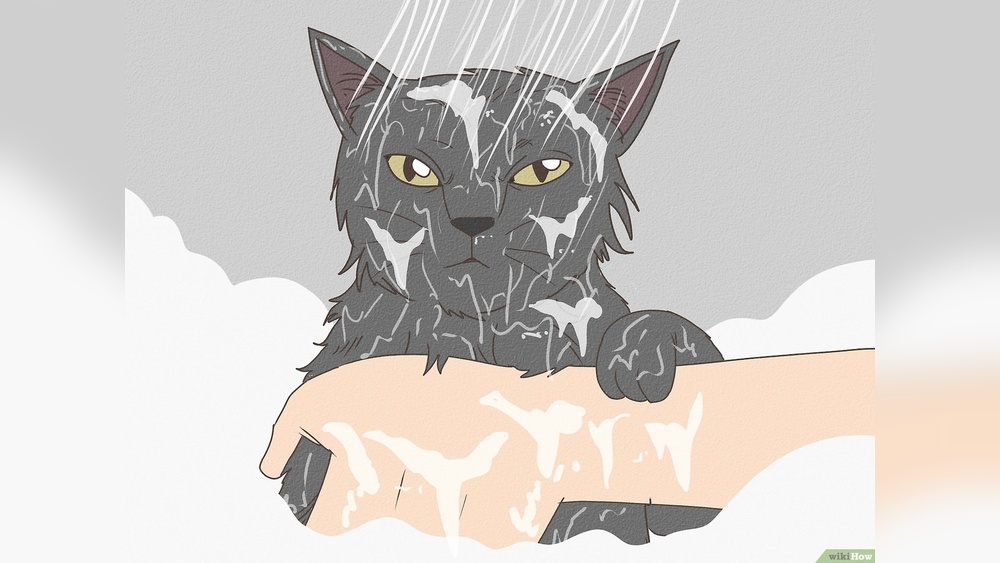
Bathing is not often needed but helps very dirty or sick cats. Use warm water and mild cat shampoo. Avoid the face and ears. Rinse thoroughly to prevent skin irritation. Dry the cat with a towel and keep it warm. Speak softly to calm your cat during bath time.
Managing Matting And Dirt
Mats cause pain and skin problems. Use a dematting comb or scissors carefully. Cut mats only if brushing does not work. Keep fur clean by wiping with a damp cloth. Regular grooming stops mats from forming. Check hidden areas like under legs and behind ears.

Credit: luckydawgsalongrooming.com
Frequently Asked Questions
Why Does My Cat Suddenly Stop Grooming Himself?
Cats may stop grooming due to illness, pain, or stress. Conditions like arthritis or dental problems can limit their grooming ability. Behavioral issues, such as anxiety or depression, may also cause neglect. Always consult a vet to identify the root cause and ensure proper care.
Can Stress Cause A Cat To Avoid Grooming?
Yes, stress often leads to grooming neglect. Changes in environment, new pets, or loud noises can trigger anxiety. Stress affects their behavior, including grooming habits. Reducing stress through routine and comfort can encourage your cat to groom regularly.
How Does Illness Affect A Cat’s Grooming Habits?
Illness can make grooming painful or exhausting for cats. Skin infections, parasites, or chronic diseases reduce grooming frequency. They might also lose interest due to discomfort. Veterinary evaluation is crucial to diagnose and treat underlying health problems affecting grooming.
Is Lack Of Grooming A Sign Of Pain In Cats?
Yes, pain often prevents cats from grooming. Arthritis, injuries, or dental pain can limit their movement or cause discomfort. Cats may avoid cleaning sore areas. Identifying and treating pain helps restore normal grooming behavior.
Conclusion
Cats may stop grooming for many reasons, including illness or stress. Watch your cat closely for changes in behavior or appearance. Regular vet visits help catch health problems early. Gently brushing your cat can keep their coat clean and healthy.
Understanding your cat’s needs builds a stronger bond. Small steps can improve your cat’s grooming habits. Caring for your cat shows love and keeps them happy. Stay patient and observe your furry friend every day.