
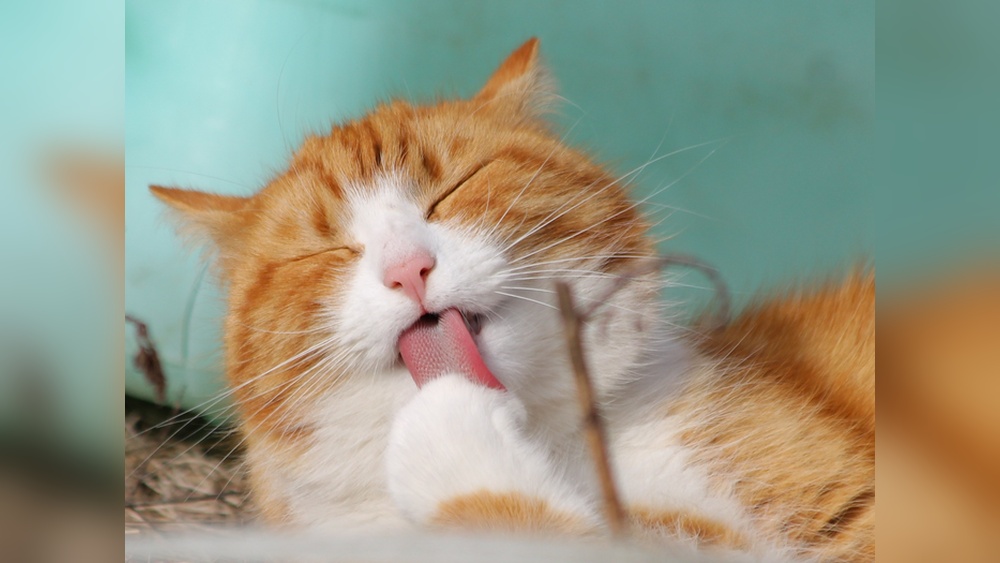
Have you ever watched a cat carefully lick its fur and wondered if any other animals groom themselves like that? Grooming isn’t just about staying clean—it’s a way animals take care of their health, feel comforted, and even bond with others.
If you’re curious about which animals share this neat habit with cats, you’re in the right place. Keep reading to discover surprising creatures that groom themselves or others, just like your feline friends do. You might be amazed at how common—and important—this behavior really is.
Grooming In The Animal Kingdom
Animals clean themselves to stay healthy and comfortable. Grooming removes dirt, parasites, and dead skin. It also helps keep their fur or feathers in good shape. Many animals groom for hygiene and social reasons.
Grooming can be a solo activity or a group behavior. Some species use their tongues, paws, or beaks. Others use special tools like sticks or stones. Grooming shows care and builds bonds in social animals.
Primates And Social Grooming
Monkeys and apes groom each other to strengthen friendships. They pick out bugs and dirt from fur. This helps reduce stress and keeps the group united. Grooming also prevents skin infections and parasites.
Birds And Preening
Birds use their beaks to clean and arrange feathers. Preening removes dust and parasites. It also spreads natural oils to keep feathers soft and waterproof. Birds preen after flying or before resting.
Rodents And Self-cleaning
Rats and mice lick their fur to stay clean. Their tongues remove dirt and loose hair. They also use their paws to wash their faces. Grooming keeps their fur smooth and free from parasites.
Big Cats And Mutual Grooming
Lions and tigers groom themselves with their tongues. They also lick each other to build trust. This behavior helps keep their fur clean and free of pests. Mutual grooming strengthens social bonds in prides.

Credit: www.amazon.com
Mammals That Groom Themselves
Mammals groom themselves to stay clean and healthy. Grooming removes dirt, parasites, and dead skin. Many mammals share this habit with cats. They use their tongues, teeth, or paws to clean their fur or skin. This behavior helps them feel comfortable and can also reduce stress.
Primates And Their Social Grooming
Primates like monkeys and apes groom themselves and each other. They pick bugs and dirt from fur using fingers or mouths. This grooming builds trust and bonds in groups. It also helps keep their skin healthy and fur clean.
Rodents’ Self-care Rituals
Rodents such as rats and squirrels groom often. They use their front paws and tongues to clean their fur. Grooming helps remove dust and small parasites. It also keeps their fur soft and shiny.
Marsupials And Their Unique Grooming
Marsupials like kangaroos and opossums groom regularly. They use their teeth and paws to clean their fur. Some also lick their fur to stay clean. Grooming protects their skin and helps control parasites.
Birds And Their Feather Maintenance
Birds spend a lot of time keeping their feathers clean and healthy. Feathers help them fly, stay warm, and look bright. Without good feather care, birds cannot move well or stay safe from cold. Their grooming habits are very detailed and important for their survival.
Feather maintenance is a daily routine for most birds. They use their beaks to clean and arrange feathers carefully. This process removes dirt, dust, and parasites. It also keeps feathers smooth and strong for flight.
Preening Techniques
Birds use their beaks to preen feathers one by one. They pull each feather through their beak to fix its shape. This action helps realign barbs and barbules on feathers. It also removes debris and parasites that hide in the feathers.
Some birds use their feet to reach difficult spots. They bend and twist their necks to clean their back and wings. Preening is a quiet and focused activity done many times daily.
Use Of Oil For Feather Care
Many birds have a special gland near their tail called the uropygial gland. This gland produces oil that birds spread on their feathers. The oil keeps feathers flexible and waterproof.
Birds rub this oil all over their feathers during preening. It stops feathers from drying out and breaking. The oil also helps protect birds from rain and water while flying or swimming.
Credit: www.4pawsanimal.com
Reptiles’ Grooming Behaviors
Reptiles also have unique ways to keep themselves clean and healthy. Their grooming habits are different from cats but are just as important for survival. These behaviors help reptiles manage their skin and body temperature.
Shedding And Skin Care
Reptiles shed their skin regularly. This process removes old, dead skin cells. Shedding helps keep their skin smooth and free from parasites. Some reptiles rub against rough surfaces to help peel off loose skin. This natural exfoliation is vital for their health.
Basking And Cleaning Habits
Basking is a common behavior among reptiles. They sit in the sun to raise their body temperature. Warmth helps improve their metabolism and digestion. Basking also aids in skin health by drying out moisture that can cause infections. Some reptiles use their tongues or claws to clean their bodies during or after basking.
Insects And Their Grooming Rituals
Insects groom themselves to stay clean and healthy. Their grooming habits help remove dirt, parasites, and pollen. These rituals are important for survival and communication within their groups. Insects use their legs, mouthparts, and antennae to clean various body parts. This section explores how ants and bees groom themselves, showing surprising similarities to cats.
Ants And Their Antennae Cleaning
Ants use their front legs to clean their antennae carefully. The antennae are vital for sensing their environment and communicating. Dirt or debris can block these signals. Ants rub their antennae with tiny brushes on their legs. This action keeps their sensory tools sharp and effective. Ants perform this grooming regularly throughout the day. It helps them navigate and find food accurately.
Bees’ Self-grooming Movements
Bees groom their bodies using their legs and mouthparts. They remove pollen and dust that stick to their hairs. Bees use their legs to brush pollen from their eyes and wings. They also clean their antennae to maintain good sensory function. Grooming helps bees stay healthy and fly efficiently. It also reduces the spread of parasites within the hive. This self-care is essential for the survival of the colony.
Credit: heartandpaw.com
Social Grooming And Bonding
Social grooming is more than cleaning fur. It builds trust and bonds between animals. This behavior helps groups stay close and work better together. Animals use grooming to show care and keep peace. It is a key part of their social lives.
Benefits Of Mutual Grooming
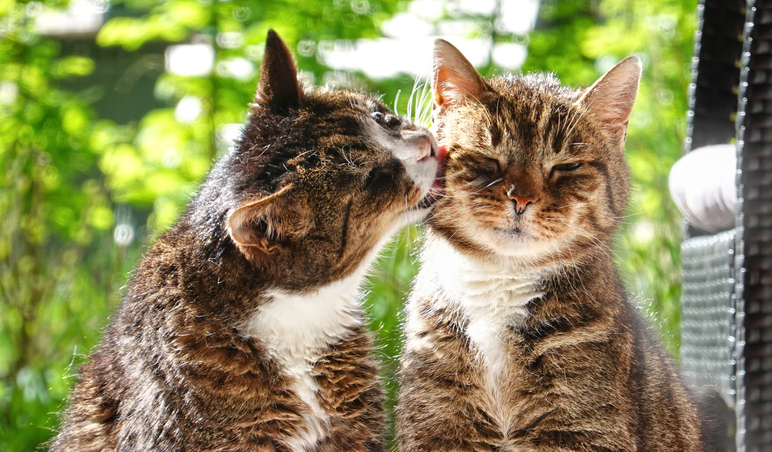
Mutual grooming helps animals feel safe and calm. It reduces stress and stops fights. Grooming also keeps animals clean and healthy. It removes dirt and parasites from hard-to-reach spots. This act strengthens friendships and teamwork in groups.
Examples Across Species
Many animals groom each other like cats. Primates, such as monkeys and apes, use grooming to build strong bonds. Birds like parrots preen each other’s feathers to stay connected. Even some hoofed animals, like horses, nibble each other’s coats. These acts show love and trust in different species.
Surprising Grooming Tools Animals Use
Animals use many surprising tools for grooming. Some tools come from nature. Others come from their own bodies or friends. These tools help animals stay clean and healthy. They also remove dirt and parasites. Grooming is important for comfort and survival. Let’s explore some unusual grooming tools animals use.
Use Of Natural Objects
Some animals use natural objects to groom themselves. Birds often use twigs or leaves to scratch hard-to-reach places. Elephants rub against trees to remove dirt and loose skin. Monkeys pick through their fur using small sticks to remove bugs. These natural tools act like brushes or combs. They make grooming easier and more effective.
Mutual Grooming Aids
Many animals groom each other to stay clean. This is called mutual grooming. Primates like chimpanzees and baboons use their hands to pick out insects and dirt from friends’ fur. Birds preen their mates by cleaning feathers with their beaks. This behavior strengthens social bonds. It also helps keep the whole group free of pests.
Frequently Asked Questions
Which Animals Groom Like Cats Regularly?
Animals like dogs, rabbits, and primates groom regularly by licking or cleaning their fur. This behavior helps keep their coat clean and healthy.
Why Do Some Animals Groom Themselves Like Cats?
Self-grooming removes dirt, parasites, and dead skin. It also helps animals regulate body temperature and reduce stress, promoting overall well-being.
Do Wild Animals Groom Like Domestic Cats?
Yes, many wild animals such as big cats, otters, and primates groom themselves to maintain hygiene and social bonds within their groups.
How Does Grooming Benefit Social Animals?
Grooming strengthens social bonds, reduces tension, and establishes hierarchy. It promotes group harmony and cooperation among social animals like primates and wolves.
Conclusion
Animals like cats also groom to stay clean and healthy. Dogs lick themselves to remove dirt and cool down. Birds use their beaks to clean feathers and keep them smooth. Even some rodents use their paws to wash their faces.
Grooming helps animals feel good and avoid sickness. It shows how nature cares for all creatures. Watching these habits can teach us about animal behavior. Simple acts, yet important for survival. Nature’s way of self-care.