
Have you ever noticed your cat spending hours licking its fur, almost as if it can’t stop? While grooming is normal for cats, excessive grooming can be a sign that something isn’t quite right.
You might wonder why your furry friend is doing this so much and what it means for their health. Understanding the reasons behind this behavior can help you keep your cat happy and comfortable. Keep reading to discover the surprising causes of excessive grooming and how you can help your cat feel better.
Normal Grooming Habits
Cats spend a lot of time grooming themselves. This behavior is normal and important for their health. Grooming helps cats stay clean and feel comfortable. Understanding normal grooming habits can help you spot when something is wrong.
Purpose Of Grooming
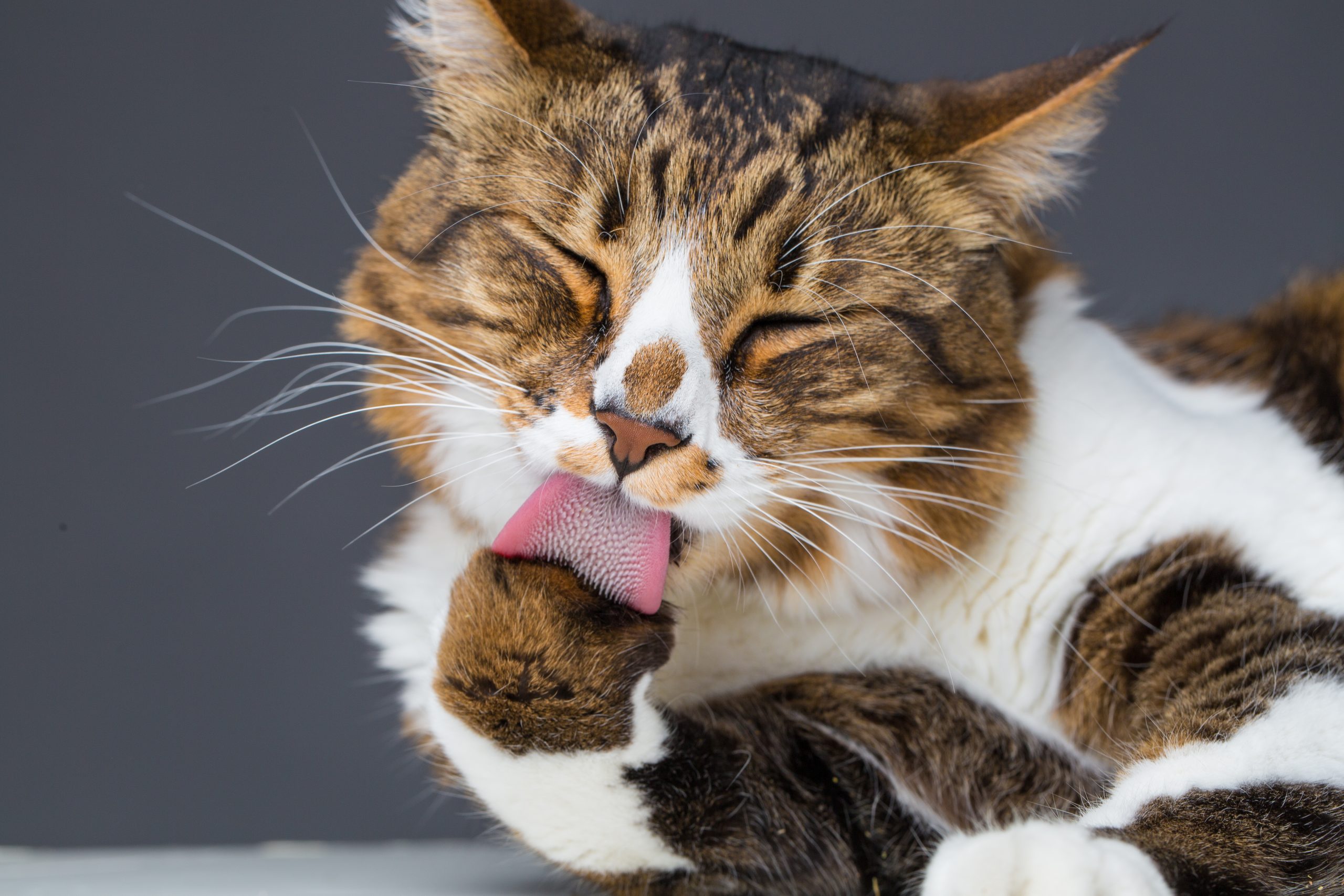
Grooming removes dirt and loose fur from a cat’s coat. It also helps spread natural oils that keep their fur soft and shiny. Cats use grooming to cool down by wetting their fur with saliva. It reduces stress and can calm a cat during tense moments. Grooming also helps cats bond when they lick each other.
Typical Grooming Frequency
Most cats groom themselves several times a day. Short grooming sessions last a few minutes each time. Some cats groom more if they have long fur or are very clean. Kittens learn grooming by watching their mother. Older cats may groom less as they get tired or stiff.
Signs Of Excessive Grooming
Cats groom themselves to stay clean and healthy. Sometimes, grooming can become too much. Excessive grooming can signal health or stress problems. Noticing the signs early helps your cat get the right care.
Physical Symptoms
Look for bald patches on your cat’s skin. Redness or sores may appear from constant licking. Skin can become dry or flaky in over-groomed areas. Your cat might have scabs or raw spots too. These signs show your cat grooms too much.
Behavioral Changes
Your cat may lick or chew at the same spot often. You might see restless or anxious behavior. The cat could hide more or seem less playful. Excessive grooming can be a sign of stress or pain. Watch for changes in your cat’s daily habits.
Health Issues Behind Excessive Grooming
Excessive grooming in cats often signals health problems. Cats use grooming to stay clean, but too much can mean discomfort. Some health issues cause cats to lick or bite their skin nonstop. This behavior needs attention to avoid skin damage or infections.
Skin Allergies
Skin allergies cause itching and irritation in cats. Allergens like pollen, dust, or certain foods trigger this reaction. Cats scratch or lick to ease the itch. Constant grooming may worsen the skin condition. A vet can help find and treat the allergy.
Parasite Infestations
Parasites like fleas or mites cause severe discomfort. They bite and irritate the cat’s skin. Cats try to remove these pests by excessive grooming. You might see bald patches or sores from scratching. Treating parasites quickly stops the over-grooming cycle.
Pain And Discomfort
Pain can make cats groom more than usual. Injuries, arthritis, or internal problems might cause this. Cats may lick sore spots for relief. Over-grooming can hide the pain, making it hard to spot. A vet exam helps find the pain source and offer relief.
:max_bytes(150000):strip_icc()/__opt__aboutcom__coeus__resources__content_migration__mnn__images__2019__08__dog_licking_paw-2244c553a399477caab807297cc66d43.jpg)
Credit: www.treehugger.com
Emotional And Psychological Causes
Cats often groom themselves to stay clean and healthy. But sometimes, they groom too much. This can happen because of feelings and thoughts inside their minds. Emotional and psychological reasons can make cats lick and clean themselves more than normal.
These causes are important to understand. They show how a cat’s mind affects its body. When a cat feels worried or lonely, it may use grooming as a way to cope. This behavior helps them calm down or pass the time. Knowing these signs can help you care better for your pet.
Stress And Anxiety
Cats feel stress from many things. Loud noises, new places, or changes at home can upset them. Stress makes cats nervous and uneasy. Grooming helps them feel safer and calmer. It acts like a small comfort during tough times.
Excessive grooming may be a sign your cat is anxious. They might lick one spot over and over. This can cause sore skin or hair loss. Watching for this can help catch stress early. A calm environment helps reduce their worries.
Boredom And Loneliness
Cats need activity and company. Without enough play or attention, they get bored. Boredom can lead to too much grooming. It fills time and distracts them from feeling lonely.
Lonely cats may groom as a way to feel better. They look for comfort in their own body. Giving your cat toys and time to play can stop this. Interaction helps keep their mind busy and happy.
Environmental Triggers
Cats groom themselves to stay clean and comfortable. Sometimes, they groom too much. Environmental triggers often cause this behavior. Changes around them or irritants in their space can stress cats. This stress makes cats lick or scratch more than usual. Understanding these triggers helps keep cats calm and healthy.
Changes In Surroundings
Cats dislike sudden changes in their environment. Moving to a new home or rearranging furniture can upset them. New sounds or unfamiliar people also create stress. Cats react by grooming themselves more than normal. This behavior helps them feel safe and in control.
Exposure To Irritants
Cats are sensitive to smells and chemicals. Perfumes, cleaning sprays, or smoke can irritate their skin. Fleas, dust, or pollen also cause discomfort. To relieve itching, cats lick or bite their fur excessively. Avoiding these irritants reduces their need to over-groom.
Credit: www.mspca.org
When To See A Veterinarian
Excessive grooming in cats can signal health problems. Knowing when to see a veterinarian helps protect your cat’s well-being. Early action can prevent serious issues and ease your cat’s discomfort.
Assessing Severity
Check for bald patches or skin wounds from over-grooming. Notice if your cat grooms nonstop or scratches often. Watch for changes in behavior, like hiding or aggression. Sudden or severe grooming needs prompt veterinary care.
Diagnostic Tests
The vet may perform skin scrapings to find parasites or infections. Blood tests check for allergies or hormonal imbalances. Sometimes allergy tests or biopsies are needed. Accurate diagnosis guides the best treatment plan for your cat.
Treatment Options
Excessive grooming in cats can signal health or stress issues. Treatment options depend on the root cause. A careful approach helps your cat feel better and stops the behavior.
Medical Interventions
Visit a vet to check for skin problems or allergies. Medication can reduce itching and inflammation. Parasite treatments remove fleas or mites causing discomfort. Sometimes, antibiotics help if infection is present. Treating pain or other diseases can also reduce grooming.
Behavioral Therapies
Stress often drives cats to over-groom. Behavior therapy can ease anxiety and calm your cat. Techniques include gentle play and positive reinforcement. Avoid punishing your cat; it worsens stress. A vet or animal behaviorist can guide you.
Environmental Adjustments
Changes at home can improve your cat’s mood. Provide quiet spaces and cozy beds. Keep litter boxes clean and food fresh. Offer toys and scratching posts for mental activity. Reducing noise and chaos lowers stress and grooming urges.

Credit: www.hahpets.com
Preventing Excessive Grooming
Excessive grooming in cats can signal stress, allergies, or health issues. Stopping this behavior early helps protect their skin and fur. Preventing it takes gentle care and attention to your cat’s needs. Simple steps can reduce stress and keep your cat comfortable.
Routine Care Tips
Brush your cat regularly to remove loose fur and dirt. Bathing is rarely needed but can help if your cat is very dirty. Check your cat’s skin for redness or sores often. Use flea prevention treatments to avoid itching and scratching. Feed a balanced diet to support healthy skin and coat. Keep your cat’s nails trimmed to prevent self-injury during grooming.
Enrichment Activities
Provide toys and playtime to reduce boredom and anxiety. Puzzle feeders keep your cat’s mind busy and slow eating. Create safe hiding places for your cat to relax. Offer scratching posts to release energy and stress. Spend quiet time petting and bonding with your cat daily. A calm environment helps reduce excessive grooming caused by stress.
Frequently Asked Questions
Why Do Cats Groom Themselves So Often?
Cats groom often to keep their fur clean and remove dirt. It also helps regulate body temperature and reduce stress.
Can Excessive Grooming Indicate Health Problems In Cats?
Yes, excessive grooming may signal allergies, skin infections, or parasites. It’s important to consult a vet if grooming seems obsessive.
How Does Stress Cause Cats To Groom Excessively?
Stress triggers grooming as a coping mechanism. Cats use grooming to calm anxiety or boredom, but it can become excessive if stress persists.
What Are The Signs Of Over-grooming In Cats?
Signs include bald patches, red skin, and sores. Over-grooming can cause discomfort and needs veterinary attention.
Conclusion
Cats groom themselves to stay clean and healthy. Excessive grooming can show stress or health problems. Watch your cat’s behavior and skin closely. Sometimes, it means your cat needs a vet’s help. Understanding your cat’s grooming habits helps keep them happy.
Pay attention to changes and act early. Healthy cats feel calm and comfortable in their skin. Caring for your cat means noticing these small signs. Keep your furry friend safe and content by staying alert.