
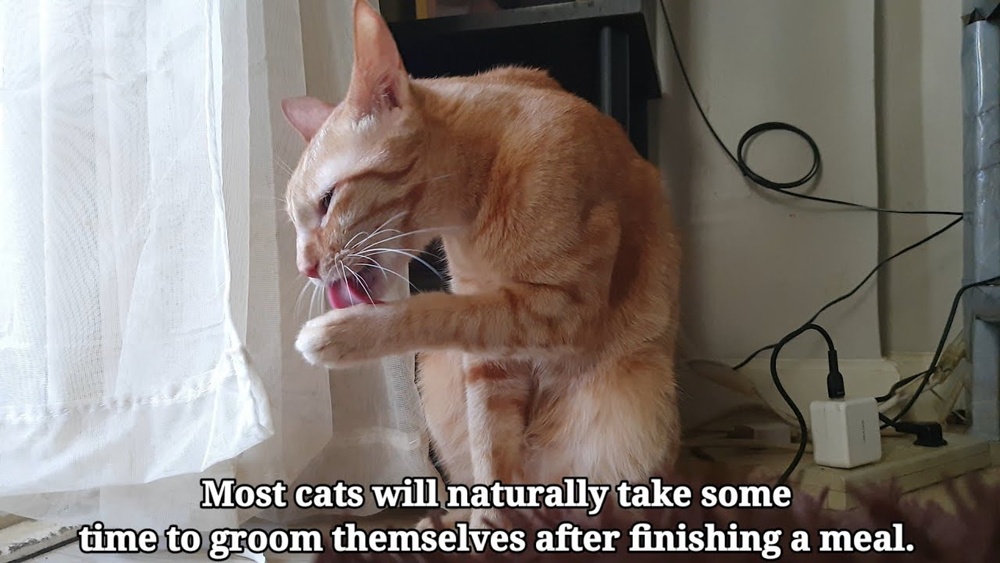
Have you ever watched your cat finish a meal and then start licking its fur like there’s no tomorrow? You might wonder, why do cats groom themselves after they eat?
It’s more than just a quirky habit. Understanding this behavior can give you a deeper connection with your furry friend and help you care for them better. Stick with me, and you’ll discover the surprising reasons behind this grooming ritual and what it means for your cat’s health and happiness.
Cat Grooming Basics
Cats spend a lot of time grooming themselves. This is a natural and important habit. Grooming helps cats stay clean and healthy. It also keeps their fur soft and shiny. Understanding how cats groom can explain why they do it after eating.
Grooming is more than just cleaning. It helps cats relax and feel safe. It also controls their body temperature and reduces stress. Let’s explore how cats groom and their common grooming habits.
How Cats Groom Themselves
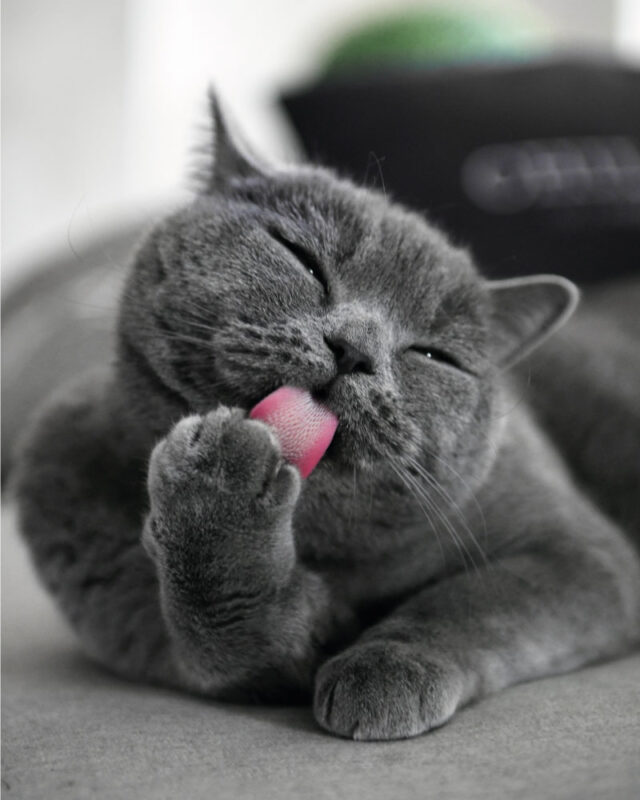
Cats use their tongue to clean their fur. Their tongues have tiny, hook-like structures. These hooks remove dirt and loose hair. Cats lick their paws and then rub their face. This action cleans hard-to-reach areas. They also use their teeth to nibble out knots or parasites.
Grooming is a careful process. Cats often start with their head and move down the body. They may pause to check their surroundings. This habit helps them stay alert while grooming.
Common Grooming Habits
Cats groom themselves several times a day. They usually groom after eating, waking, or playing. After meals, grooming removes food smells and residues. This helps keep them clean and prevents attracting predators.
Grooming also calms cats. It lowers their heart rate and relaxes muscles. Some cats groom more when stressed or anxious. Over-grooming can show health or emotional problems.
:strip_icc()/Catlickingpaw-GettyImages-650016951-5972d766054ad90010d4f84f.jpg)
Credit: www.thesprucepets.com
Grooming After Meals
Cats often clean themselves right after eating. This habit is natural and has many reasons. Grooming after meals helps cats stay clean and safe. It is part of their daily routine.
Cleaning Food Residue
Food can stick to a cat’s fur around the mouth and paws. Grooming removes these bits quickly. This keeps their fur neat and free from smells. Cats use their rough tongues to clean deeply. This stops dirt and bacteria from building up.
Preventing Scent Attraction
Cats are hunters and prey at the same time. After eating, they clean to hide their scent. This stops predators or other animals from finding them. Grooming masks the smell of food on their bodies. It helps cats feel safe and protected in their environment.
Health Benefits Of Post-meal Grooming
Cats often groom themselves after eating. This habit has important health benefits for them. Grooming helps cats stay clean and supports their overall well-being. It also plays a key role in their digestion and mental calmness. Understanding these benefits helps us care better for our feline friends.
Promoting Digestion
Grooming after a meal can aid a cat’s digestion. Licking fur stimulates nerves that help the digestive system. This process helps food move smoothly through their stomach. It also prevents discomfort from overeating or eating too fast. Clean fur stops leftover food from causing skin irritation.
Reducing Stress And Anxiety
Grooming is soothing for cats. It helps them relax and lowers stress after eating. Eating can be exciting or tense, especially with other pets nearby. Grooming provides a calm moment to feel safe. This behavior releases calming chemicals in the brain, easing anxiety and promoting peace.

Credit: www.youtube.com
Social And Evolutionary Reasons
Cats grooming themselves after eating is more than just cleanliness. It has deep social and evolutionary roots. These behaviors helped wild cats survive and communicate long ago. Understanding these reasons helps us see why pet cats still do it today.
Instincts From Wild Ancestors
Wild cats needed to stay clean to avoid predators. After a meal, they removed food smells and dirt from their fur. This kept them hidden from enemies. Grooming also stopped parasites from spreading. This instinct passed down to domestic cats. They still groom to protect themselves, even indoors.
Communication And Territory
Cats use grooming to send signals to other cats. Clean fur shows they are healthy and strong. It marks them as part of their territory. The scent left on their fur tells others this place is taken. Grooming after eating helps keep this scent fresh and clear. It is a way to say, “This is my space.”
When Grooming Becomes Excessive
Cats groom themselves after eating to clean their fur and remove food smells. This behavior is normal and healthy. But sometimes grooming can become excessive. That can signal stress or health problems. Excessive grooming may harm your cat’s skin and fur. It is important to notice when grooming goes beyond normal levels. Understanding the signs and causes helps keep your cat safe and happy.
Signs Of Over-grooming
Look for bald patches or red skin on your cat. These show your cat is licking or biting too much. You might see scabs or sores on the skin. Hair may look thin or uneven. Your cat may groom for long times, more than 30 minutes at once. Watch for changes in behavior like restlessness or hiding. These signs mean grooming is more than just cleaning.
Possible Health Concerns
Over-grooming can signal allergies or skin infections. Parasites like fleas cause itching and discomfort. Pain or injury may make your cat lick the area often. Stress and anxiety can also lead to over-grooming. Changes in the home or routine cause stress in cats. Sometimes, medical problems like hyperthyroidism affect grooming behavior. A vet checkup is important to find the cause and help your cat.
Encouraging Healthy Grooming
Cats groom themselves after eating to stay clean and healthy. This natural habit removes food smells and dirt from their fur. Encouraging healthy grooming supports your cat’s well-being. It helps keep their skin and coat in good condition. You can help your cat by providing a clean and safe environment.
Healthy grooming also reduces stress for your cat. It creates a calm and comfortable feeling. Taking simple steps makes a big difference in their daily routine.
Providing A Clean Eating Area
Keep your cat’s eating area clean and tidy. Wash food bowls daily to remove leftover food and bacteria. A clean space stops dirt from sticking to their fur. Use a mat under the bowls to catch spills. This prevents food crumbs from spreading. Clean surroundings encourage your cat to groom more effectively after meals.
Regular Vet Checkups
Visit the vet regularly to check your cat’s health. Skin problems can affect grooming habits. Parasites like fleas cause itching and discomfort. The vet can spot issues early and treat them. Healthy skin means your cat will groom well. Regular checkups keep your cat happy and clean.
Credit: thecatsite.com
Frequently Asked Questions
Why Do Cats Groom Themselves After Eating?
Cats groom after eating to clean food residue from their fur. This behavior helps maintain hygiene and prevents attracting predators with food smells.
Does Grooming After Meals Help Cats Digest Food Better?
No, grooming doesn’t aid digestion. It primarily serves to clean the cat’s fur and regulate body temperature after eating.
Is Grooming After Eating A Sign Of Stress In Cats?
No, grooming after meals is normal and not a stress indicator. It’s an instinctive behavior linked to cleanliness and comfort.
How Often Do Cats Groom Themselves Daily?
Cats groom themselves multiple times daily, often totaling up to 50% of their waking hours. Grooming keeps their coat healthy and clean.
Conclusion
Cats groom themselves after eating for many reasons. It helps them stay clean and remove food smells. Grooming also cools them down and keeps their fur healthy. This habit is natural and shows they feel safe and comfortable. Watching a cat clean itself can be calming and sweet.
Understanding this behavior helps us care better for our pets. So next time your cat grooms after a meal, you know it’s normal and good for them. Simple, natural, and part of being a happy cat.