
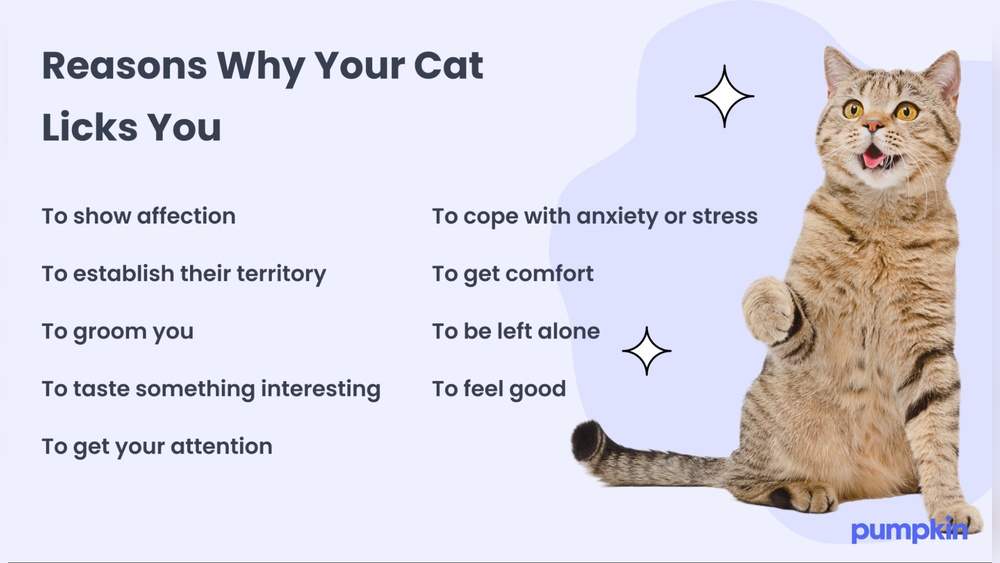
Have you noticed your cat spending hours licking and cleaning itself every day? It might seem normal, but when your cat grooms constantly, it can be a sign that something is off.
You probably wonder why your furry friend can’t seem to stop. Is it just a quirky habit, or is there more to it? Understanding why your cat grooms so much can help you keep your pet happy and healthy. Keep reading to discover the surprising reasons behind this behavior and what you can do to help your cat feel better.

Credit: cats.com
Normal Grooming Habits
Cats spend a good part of their day grooming themselves. This is a normal habit that helps keep them clean and healthy. Grooming is not just about looking good. It plays a key role in their daily life and well-being.
How Cats Groom Themselves
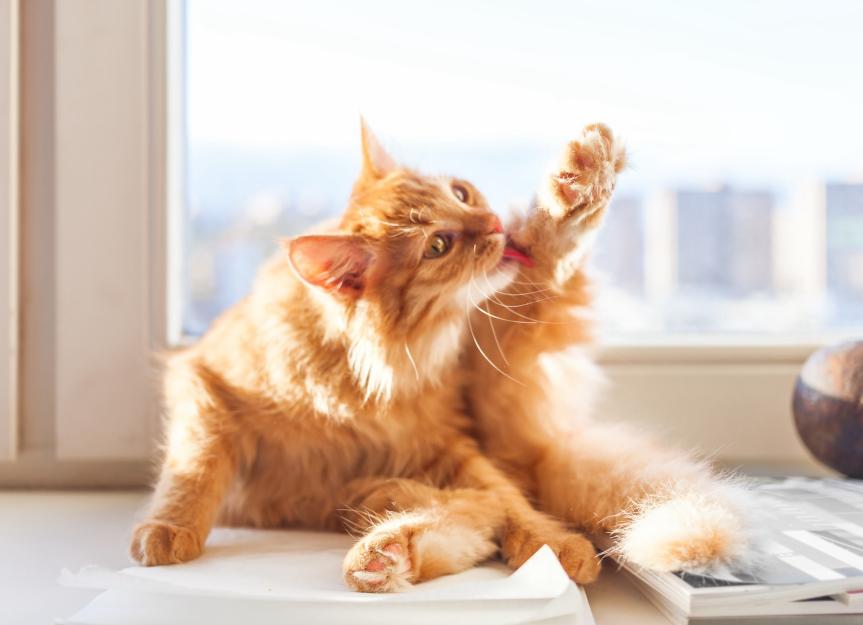
Cats use their tongues to lick their fur. Their tongues have tiny, rough bumps called papillae. These help remove dirt and loose hair. Cats also use their teeth to nibble out mats or tangles.
They often lick their paws and then rub their face and head. This action spreads natural oils that keep their coat shiny. Cats can reach almost every part of their body this way.
Benefits Of Regular Grooming
Grooming helps control body temperature by removing excess fur. It also reduces stress and calms cats down. This habit helps prevent skin problems by keeping the skin clean.
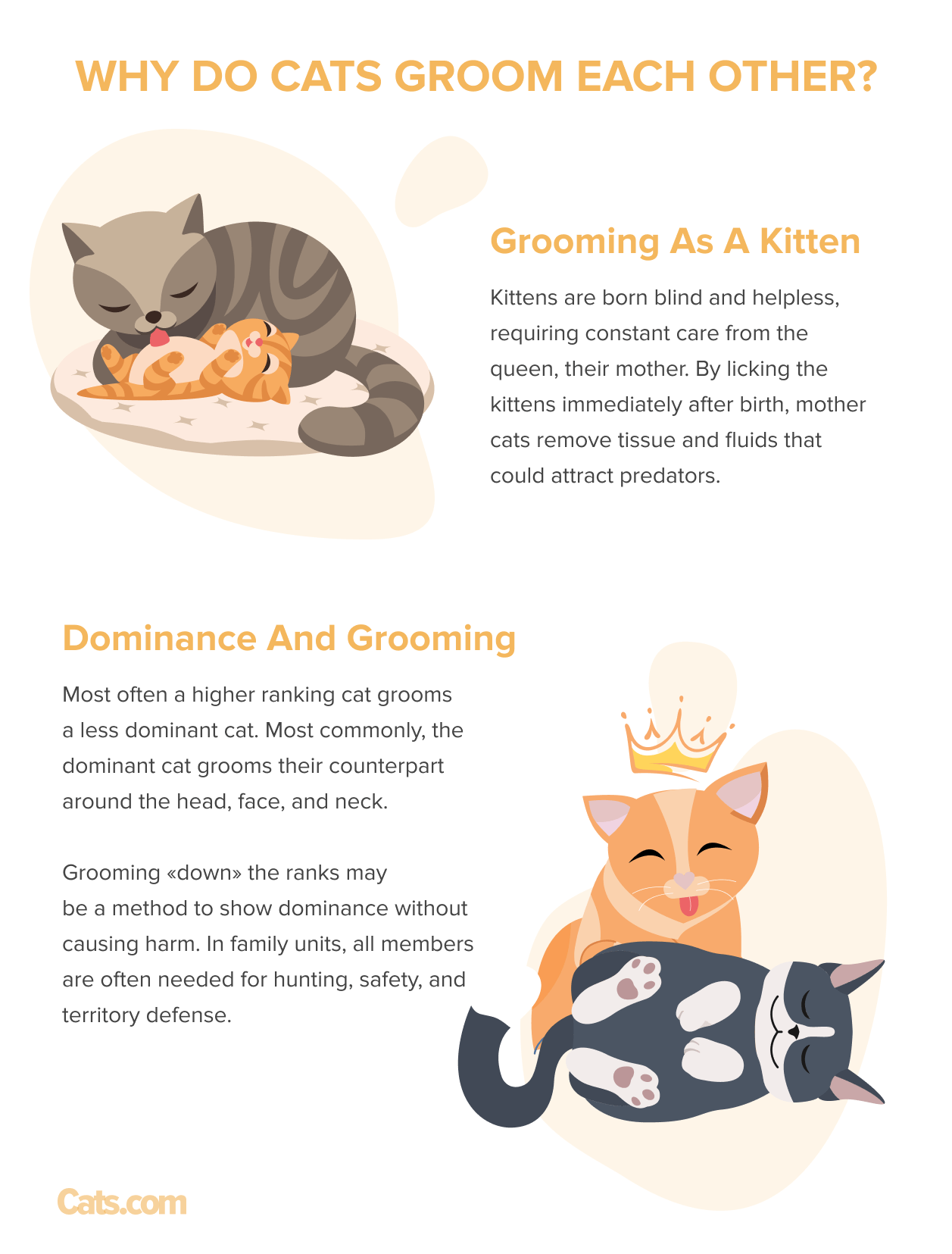
Regular grooming removes parasites like fleas and ticks. It also helps cats bond with each other when they groom together. Healthy fur means less shedding and fewer hairballs around the house.
Credit: arkahost.mk
Stress And Anxiety
Cats often groom themselves more when they feel stressed or anxious. Grooming is a way for cats to calm down. It helps them feel safe and in control of their environment.
Stress in cats can come from many things. Changes in the home, loud noises, or new people can make a cat nervous. This stress can cause your cat to groom constantly.
Signs Of Stress In Cats
Watch for changes in your cat’s behavior. They may hide more than usual. Your cat might also meow loudly or act restless. Loss of appetite can be a sign too. Some cats become aggressive or overly shy when stressed.
How Grooming Relieves Anxiety
Grooming releases chemicals in a cat’s brain that reduce stress. It helps slow their breathing and heart rate. Grooming also distracts them from their worries. This makes your cat feel more relaxed and safe.
Allergies And Skin Issues
Allergies and skin issues often cause cats to groom themselves a lot. Cats use grooming to soothe itchy, irritated skin. This behavior helps them feel more comfortable. Constant grooming can signal that something is wrong. Understanding these causes is important for your cat’s health.
Common Allergens Affecting Cats
Cats can be allergic to many things in their environment. Dust mites, pollen, and mold are typical allergens. Some cats react to certain foods too. Flea bites are a common cause of allergies. These allergens cause itching and discomfort. Cats respond by licking and scratching more often.
Skin Conditions That Trigger Grooming
Several skin problems can make cats groom too much. Dry skin often causes itchiness and irritation. Fungal infections like ringworm lead to discomfort. Parasites such as mites cause intense itching. Allergic dermatitis is another common skin condition. These issues make cats lick or bite their fur constantly.
Credit: www.petmd.com
Parasites And Irritations
Cats groom themselves to stay clean and comfortable. Parasites and skin irritations often cause cats to groom more than usual. These pests can make your cat itchy and restless. Understanding these parasites helps you protect your cat and ease their discomfort.
Fleas
Fleas are tiny insects that live on your cat’s skin. They bite and suck blood, causing itching and irritation. Flea bites can lead to redness and hair loss. Cats with fleas often scratch or lick themselves nonstop.
Ticks
Ticks are larger than fleas and attach firmly to the skin. They feed on your cat’s blood and can spread diseases. Ticks cause irritation and swelling where they bite. Cats may groom the tick area to try to remove it.
Mites
Mites are microscopic parasites that live in or on the skin. They cause severe itching and inflammation. Mites can lead to scabs, hair loss, and crusty skin. Cats with mites often groom obsessively to soothe the discomfort.
Detecting Parasite Infestations
Look for signs like constant scratching, hair loss, and red skin. Check your cat’s fur for small moving insects or dark flea dirt. Use a fine-toothed comb to find fleas or flea dirt. Visit a vet for a proper diagnosis and treatment plan.
Medical Conditions
Cats groom to keep clean and feel comfortable. Sometimes, constant grooming means a health problem. Medical conditions can cause your cat to lick or bite their fur a lot. Understanding these can help you spot when your cat needs help.
Pain-related Grooming
Pain can make cats groom more than usual. They may lick a sore spot to soothe it. This behavior can signal injuries, arthritis, or skin infections. Watch for bald patches or redness on their skin. These signs suggest your cat is uncomfortable. A vet visit can find the cause and relieve your cat’s pain.
Hormonal Imbalances
Hormones affect your cat’s grooming habits. Imbalances can cause dry skin or hair loss. Cats with thyroid problems may groom excessively. This can lead to skin irritation and more licking. Hormonal issues need medical tests and treatment. Treating these can reduce your cat’s constant grooming and improve their health.
Compulsive Grooming Behavior
Cats groom themselves to stay clean and healthy. This is a normal behavior that helps remove dirt and loose fur. But some cats groom too much. This is called compulsive grooming behavior. It can hurt their skin and cause bald spots. Understanding why cats groom constantly is important for their health and happiness.
What Is Overgrooming?
Overgrooming means a cat licks or bites its fur more than usual. This can lead to sore skin and hair loss. Cats may focus on one area or groom their whole body too much. Overgrooming is not just regular cleaning. It can be a sign of stress or illness. It needs attention from pet owners and sometimes a vet.
Causes And Consequences
Stress and anxiety often cause overgrooming in cats. Changes in the home or loud noises can trigger this behavior. Skin problems like allergies or parasites also cause constant grooming. Pain from injuries or arthritis may make cats lick a sore spot.
The consequences of overgrooming include wounds, infections, and hair loss. The skin becomes red and painful. Over time, this can lead to serious health issues. Treating the cause is important to stop the behavior and protect your cat.
Environmental Factors
Cats often groom themselves to stay clean and healthy. Sometimes, their environment makes them groom more than usual. Changes around them can cause stress or anxiety. These feelings lead cats to lick and clean themselves more often. Understanding these factors helps you care for your cat better.
Changes In Surroundings
Cats are sensitive to changes in their home or outside. New furniture, visitors, or loud noises can upset them. Moving to a new house also causes stress. This stress makes cats groom more to feel safe and calm. Grooming acts like a comfort tool for cats.
Impact Of Boredom
Cats need play and attention to stay happy. Without enough activity, they get bored and restless. Boredom can lead to over-grooming as a way to pass time. Providing toys and playtime helps reduce this behavior. A busy cat grooms less because it feels content.
When To See A Vet
Constant grooming in cats can sometimes signal health problems. Knowing when to see a vet helps protect your cat’s well-being. Watch your cat’s grooming habits closely. Changes may mean your cat needs medical care.
Identifying Problem Grooming
Excessive licking or biting causes bald spots or sores. Your cat may groom to relieve pain or itchiness. Look for redness, swelling, or scabs on the skin. Notice if your cat grooms one area nonstop. Such signs often point to allergies, parasites, or infections. Behavioral changes like anxiety can also cause over-grooming.
Preparing For The Vet Visit
Write down what you observe about your cat’s grooming. Note when the behavior started and how often it happens. Collect information on your cat’s diet, environment, and any new products used. Bring photos of the affected skin areas. Keep your cat calm and comfortable during travel. The vet will examine your cat and may suggest tests. Early visits can prevent serious health issues.
Managing Excessive Grooming
Managing excessive grooming in cats requires a careful approach. It involves understanding both behavior and health. Excessive grooming may signal stress or illness. Addressing this habit helps your cat feel better and stay healthy.
Behavioral Interventions
Behavioral changes can reduce your cat’s over-grooming. Provide more playtime to reduce stress. Use toys and puzzles to keep your cat busy. Create a calm environment with quiet spaces. Avoid sudden changes in your cat’s routine. Try gentle petting to comfort your cat. Reward calm behavior with treats or praise. These steps help your cat relax and groom less.
Medical Treatments
Sometimes grooming is due to medical issues. Visit the vet to rule out allergies or skin problems. Parasites like fleas can cause itching and grooming. Your vet may prescribe medication or special shampoo. In some cases, anxiety medicine helps calm your cat. Follow the vet’s advice carefully for best results. Medical care can stop excessive grooming caused by health problems.
Frequently Asked Questions
Why Does My Cat Groom So Much Daily?
Cats groom daily to clean their fur, remove dirt, and regulate body temperature. Excess grooming can signal stress or skin issues. Regular grooming is normal, but sudden increases might require veterinary attention to rule out health problems.
Can Stress Cause My Cat To Groom Constantly?
Yes, stress can lead cats to groom excessively as a coping mechanism. It helps them soothe anxiety but can cause bald spots or skin irritation. Identifying stressors and providing a calm environment can reduce over-grooming behaviors.
Is Excessive Grooming Harmful To Cats?
Excessive grooming can harm cats by causing skin damage, hair loss, and infections. It often indicates underlying issues like allergies, parasites, or anxiety. Consulting a vet is essential to diagnose and treat the root cause effectively.
How To Stop My Cat From Over-grooming?
To stop over-grooming, identify and address stressors or medical issues. Provide enrichment, regular play, and a comfortable environment. A vet may recommend treatments or behavior therapy to reduce compulsive grooming and improve your cat’s well-being.
Conclusion
Cats groom themselves to stay clean and healthy. Sometimes, they groom too much because of stress or skin problems. Watch your cat’s behavior closely. If grooming seems excessive, a vet visit might help. Understanding why your cat grooms helps you care better.
Keep your cat happy and comfortable every day. Simple steps can reduce stress and improve their skin. Healthy cats feel good and show it through grooming. Trust your instincts and give your cat love and attention.