
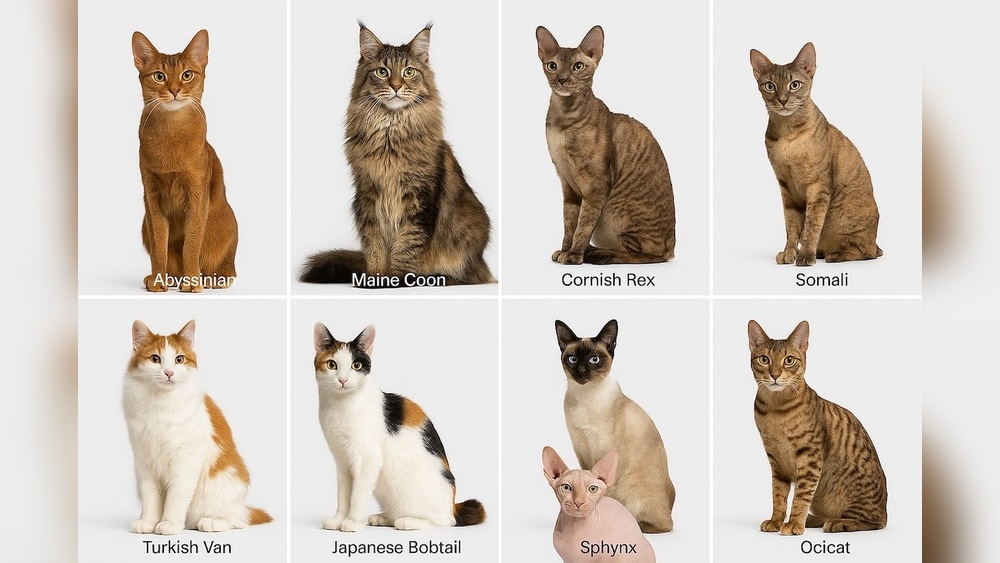
Have you ever wondered whether there are more breeds of cats or dogs? If you’re a pet lover, this question might have crossed your mind more than once.
Knowing the answer can surprise you and even change the way you see your furry friends. Whether you’re thinking about adding a new pet to your family or just curious about these amazing animals, understanding the variety of breeds out there is fascinating.
Keep reading, and you’ll discover some eye-opening facts that will make you appreciate cats and dogs even more.
Cat Breed Diversity
Cats come in many shapes, sizes, and colors. Their diversity is wide and fascinating. Different cat breeds show unique traits and personalities. This variety makes cats interesting pets for many people.
Cat breed diversity reflects history, culture, and geography. Some breeds are common worldwide. Others remain rare and special. Understanding cat breeds helps us appreciate these animals more.
Popular Cat Breeds
Many cat lovers know popular breeds well. The Siamese cat stands out with its striking blue eyes and sleek body. The Maine Coon is famous for its large size and fluffy tail. Persian cats are loved for their long fur and calm nature. These breeds are common in homes and cat shows globally. They represent the classic image of cats for many people.
Rare Cat Breeds
Rare cat breeds have unique features that few know. The Sokoke cat has a spotted coat like a wildcat. The Kurilian Bobtail has a short, fluffy tail and strong build. These breeds often come from specific regions or islands. Their rarity adds to their charm and value. Collectors and enthusiasts often seek these special cats.
Breed Classification Standards
Cat breeds follow classification rules set by organizations. The Cat Fanciers’ Association (CFA) and The International Cat Association (TICA) are key groups. They define breed standards based on looks and behavior. These standards help keep breed traits consistent. They guide breeders and judges in cat shows. Classification ensures each breed keeps its unique identity.
Dog Breed Variety
Dogs come in many shapes, sizes, and colors. Each breed has unique traits and skills. This variety makes dogs special pets for many people.
From small lap dogs to large working dogs, the choices seem endless. Understanding common and rare breeds helps appreciate this diversity.
Common Dog Breeds
Some dog breeds are well-known worldwide. Breeds like Labrador Retrievers, German Shepherds, and Beagles are popular. These dogs are loved for their friendly nature and loyalty. Many families choose these breeds as pets.
Common breeds often appear in movies and shows. They fit well in homes and are easy to train. Their temperaments suit many lifestyles.
Unique Dog Breeds
Unique dog breeds have rare features or histories. Examples include the Xoloitzcuintli, a hairless dog from Mexico, and the Norwegian Lundehund with extra toes. These breeds stand out for their unusual looks or skills.
Unique breeds may need special care. They attract dog lovers who want something different. Their stories often connect to ancient cultures or special jobs.
Breed Recognition Organizations
Groups like the American Kennel Club and The Kennel Club in the UK list official dog breeds. They set standards for breed traits and health. These organizations help keep breed qualities consistent.
Recognition varies by group and country. Some breeds appear on one list but not another. These groups also host dog shows and events to celebrate breeds.
Comparing Cat And Dog Breeds
Comparing cat and dog breeds reveals many interesting facts. Both animals have many different types. Each breed has unique traits and histories. Understanding these differences helps pet lovers appreciate their favorite animals more.
Breeds vary by size, color, and behavior. These differences come from how humans bred them over time. Some breeds suit certain climates or tasks better. The variety in breeds shows human influence and natural adaptation.
Number Of Recognized Breeds
Dogs have more recognized breeds than cats. The American Kennel Club lists over 190 dog breeds. Cat associations recognize about 70 breeds worldwide. Dogs show more variety due to longer breeding history.
More dog breeds exist because of their roles in work and sport. Cats were mainly kept for companionship and pest control. This caused fewer distinct cat breeds to develop. Still, cat breeds have unique looks and personalities.
Factors Influencing Breed Development
Human needs strongly shaped dog breeds. Dogs were bred for hunting, herding, and guarding. These tasks required different skills and shapes. Cat breeds developed mostly for appearance and temperament.
Selective breeding focused on colors, fur length, and behavior in cats. Dogs had diverse physical and mental traits created by breeding. Breeding goals reflect the animal’s role in human life. Environment also affected breed development over centuries.
Geographical Breed Distribution
Dog breeds often reflect their region of origin. For example, Siberian Huskies come from cold areas. Cats have breeds linked to specific places too. The Siamese cat is native to Thailand.
Some breeds spread worldwide due to popularity. Others remain rare and local. Climate, culture, and human migration influenced where breeds developed. Both cats and dogs show global diversity in their breeds.

Credit: www.sciencealert.com
Surprising Breed Facts
Cat and dog breeds hold many surprising facts. These facts show how rich and varied their histories are. Some breeds have stayed the same for thousands of years. Others come from places you would not expect. The variety in their genetics also tells a unique story. These details help us understand the true diversity of cats and dogs.
Ancient Breeds Still Around
Some cat and dog breeds have existed for centuries. The Egyptian Mau is one of the oldest cat breeds. It looks much like cats from ancient Egypt. For dogs, the Basenji is an ancient breed from Africa. It has a unique yodel-like bark. These breeds carry traits unchanged for thousands of years.
Breeds With Unexpected Origins
Many breeds come from surprising places. The Siberian cat actually comes from cold Russian forests. The Shiba Inu dog comes from Japan, known for its fox-like face. Some breeds developed far from where people usually expect. This shows how animals adapted to many environments.
Genetic Diversity In Breeds
Genetic diversity varies widely between cats and dogs. Dogs have more breed varieties with strong genetic differences. Cats have fewer breeds, but some have unique genes. This diversity affects their health and behavior. It also influences how they look and act.
Impact Of Breed Popularity
Breed popularity shapes many aspects of pet ownership. It affects how breeders operate and how pets live. Popular breeds often receive more attention, but this can bring challenges.
Popularity can drive demand, leading to more puppies or kittens of certain breeds. This focus influences health, care, and even the pet market itself.
Trends In Pet Ownership
Pet owners often choose breeds based on trends seen online or in media. Some breeds become famous because of movies or celebrities. This can cause a sudden rise in demand.
Such trends can change the number of dogs or cats people want. It may also shift interest from one breed to another quickly.
Breed Popularity And Health Issues
Popular breeds can face health problems due to overbreeding. Breeders may focus on looks over health to meet demand. This can lead to genetic diseases and shorter lifespans.
Pets from popular breeds often need special care. Awareness about breed-specific health issues is important for owners.
Role Of Breeders And Adoption
Breeders play a key role in maintaining breed quality. Responsible breeders prioritize health and temperament. They avoid breeding pets with genetic problems.
Adoption centers also influence breed popularity. Many mixed-breed pets need homes and can be great companions. Choosing adoption supports animal welfare and reduces overbreeding.

Credit: www.goodhousekeeping.com

Credit: www.newsweek.com
Frequently Asked Questions
Are There More Dog Breeds Than Cat Breeds?
Yes, there are more recognized dog breeds than cat breeds worldwide. Dogs have over 340 breeds, while cats have about 70. This difference is due to dogs being bred for various tasks, whereas cats were primarily bred for companionship and pest control.
Why Do Dogs Have More Breeds Than Cats?
Dogs have more breeds because they were bred for diverse roles like hunting, herding, and guarding. Cats were mainly bred for companionship and pest control, resulting in fewer breed variations. Selective breeding in dogs has created a wider range of sizes, shapes, and behaviors.
How Many Cat Breeds Are Officially Recognized?
Currently, around 70 cat breeds are officially recognized by major cat registries. These include breeds like Siamese, Persian, and Maine Coon. The number is smaller compared to dogs due to less extensive selective breeding and fewer functional roles for cats.
What Influences The Number Of Dog Breeds?
Selective breeding for specific tasks, appearance, and behavior influences the high number of dog breeds. Humans bred dogs for hunting, herding, guarding, and companionship. This diversity led to a vast range of breeds with distinct traits.
Conclusion
Cats and dogs both have many breeds with unique traits. Dogs have more breeds than cats, showing their wide variety. Each breed has special qualities that suit different people. Choosing a pet depends on your lifestyle and preferences. Both animals bring joy and companionship in their own way.
Whether cat or dog, pets add love to life. Exploring breeds helps find the perfect furry friend. The world of pets is full of surprises and diversity.