

Are you wondering when your male cat is ready to start breeding? Knowing the right time is important for your cat’s health and for responsible breeding.
If you breed too early, it could harm your pet. Wait too long, and you might miss the best chance. You’ll discover the key signs that show when your male cat is ready. You’ll also learn what to watch for to keep your cat healthy and happy.
Keep reading to make sure you’re prepared and informed about your cat’s breeding journey.
Male Cat Maturity Age
Male cats reach maturity at different ages. Generally, most male cats become mature enough to breed between 6 and 12 months old. This age varies based on breed, health, and environment. Understanding when a male cat is ready to breed helps in managing breeding responsibly and healthily.
Physical Signs Of Maturity
One clear sign is the growth of the testicles. They become larger and more visible around 6 months. The cat’s body also looks more muscular and less kitten-like. The face may appear broader, and the fur can get thicker. These physical changes show the cat is growing into adulthood.
Behavioral Changes Indicating Readiness
Male cats start to spray urine to mark territory. This behavior shows they are ready to attract females. They may become more vocal, especially at night. Restlessness and roaming are common as they search for mates. These changes indicate the cat is ready to breed.
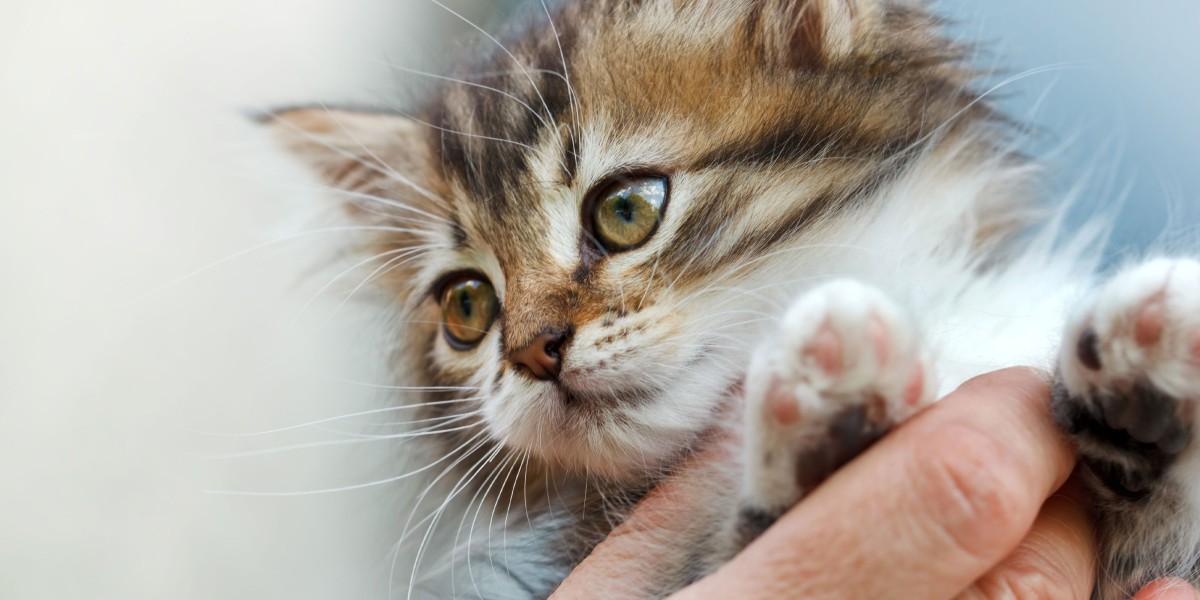
Credit: www.purina.com
Breeding Age Range
Understanding the breeding age range of male cats is important for responsible pet care. Male cats mature at different rates, which affects their ability to breed. Knowing when they can start breeding helps in planning and managing their health and behavior.
This section covers the earliest and optimal breeding ages for male cats. It explains when a male cat is physically ready and when breeding is most successful.
Earliest Breeding Age
Male cats can start breeding as early as six months old. At this age, some cats reach puberty and become fertile. Early breeders may show signs like spraying and roaming. Breeding too early can affect the cat’s health and development. Wait for the cat to grow stronger before allowing breeding.
Optimal Breeding Age
The best breeding age for male cats is between one and two years. At this stage, cats are fully grown and healthy. Their sperm quality is higher, increasing chances of healthy kittens. Breeding during this time reduces risks for both the male and female cats. It is wise to monitor the cat’s health before breeding.
Health Considerations
Health is very important before a male cat starts breeding. A strong and healthy cat will have better chances of producing healthy kittens. Good health protects both the male cat and the female cat during mating. It also lowers the risk of passing diseases to the kittens. Breeders must check health carefully to keep all cats safe and well.
Vaccination And Health Checks
Vaccinations protect cats from serious diseases. Before breeding, male cats need all their shots up to date. Common vaccines include rabies and feline distemper. Regular health checks by a vet find any hidden problems early. These checks include testing for parasites, infections, and other illnesses. A healthy male cat is more likely to have strong offspring.
Genetic Screening Importance
Genetic screening helps avoid passing bad traits to kittens. Some health problems come from the cat’s genes. Tests can find these problems before breeding starts. Breeders should screen for common inherited diseases in their cat’s breed. This keeps future generations healthier. Choosing males with good genetics improves the breed overall.
Credit: www.petco.com
Breeding Risks For Young Males
Breeding young male cats can cause serious risks. Their bodies are not ready for reproduction yet. These risks affect their health and future growth. Understanding these dangers helps protect your cat’s well-being.
Starting breeding too early can lead to long-term problems. It also affects the quality of their offspring. Careful timing is key to keep male cats healthy and strong.
Potential Health Issues
Young male cats face many health problems from early breeding. Their reproductive organs may not be fully developed. This can cause infections and injuries. Stress from breeding can weaken their immune system. They may become sick more often. Early breeding also raises the risk of genetic defects in kittens. These problems make breeding unsafe for young males.
Impact On Growth And Development
Breeding early can stunt a young male cat’s growth. Their bodies need time to mature and build strength. Energy used for breeding takes away from growth. This can lead to smaller size and weak muscles. Poor development affects their ability to breed later. It may also shorten their lifespan. Waiting until full maturity is best for healthy growth.
Responsible Breeding Practices
Responsible breeding practices protect the health and well-being of male cats and their kittens. Good breeders think beyond just breeding age. They focus on the cat’s physical and emotional readiness. Careful planning helps avoid health problems and supports strong, healthy litters. It also helps keep the cat population under control.
Ethical Breeding Guidelines
Ethical breeding means breeding only healthy cats. Male cats should be at least one year old before breeding. This age allows full physical maturity. Breeders must test for genetic diseases. Avoid breeding cats with health issues or bad temperaments. Limit the number of litters per cat to prevent overbreeding. Always provide proper care before, during, and after breeding.
Breeder’s Role And Responsibilities
Breeders must know the breed’s traits and health risks. They should keep detailed health records of each cat. Providing good nutrition and regular vet visits is essential. Breeders must watch for signs of stress in male cats. They should arrange safe and clean environments for mating. After breeding, breeders support the mother and kittens. Educating new cat owners is also part of their job.
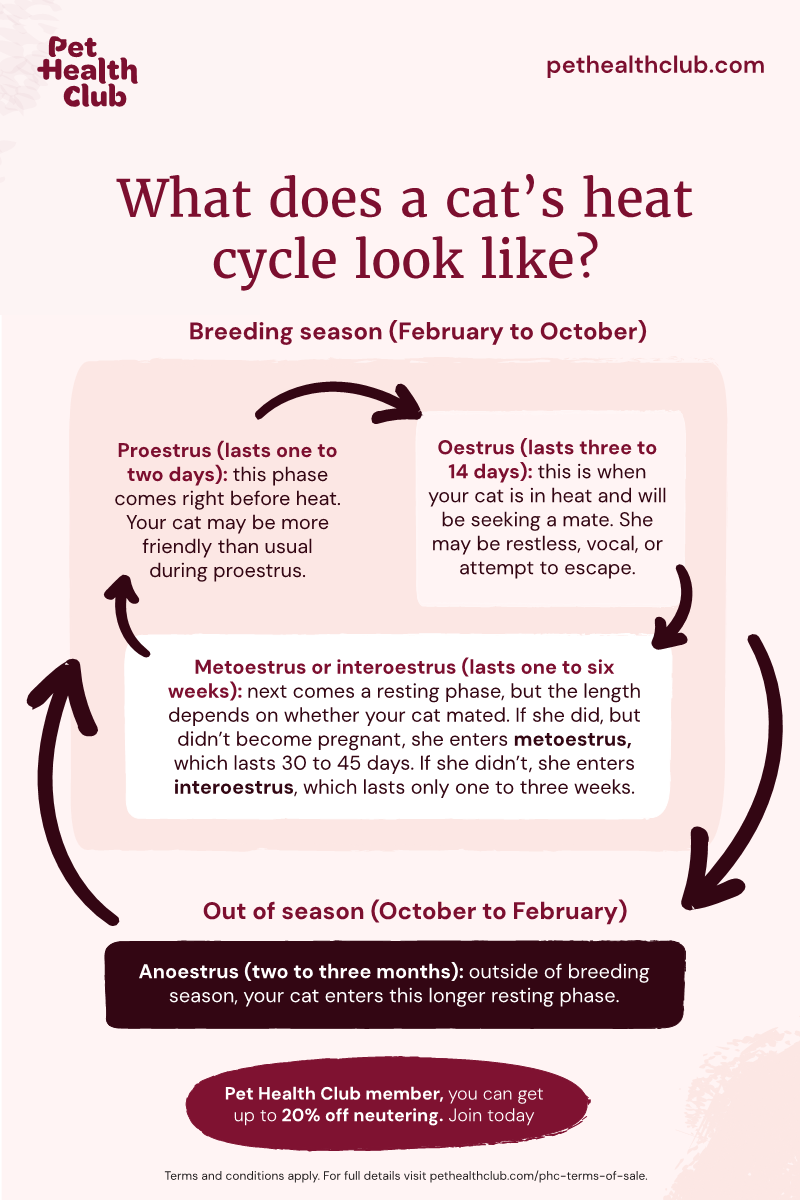
Credit: www.pethealthclub.com
Signs Of Fertility In Male Cats
Male cats show clear signs when they become fertile. These signs help owners know the right time for breeding. Fertility in male cats starts as they reach puberty. Usually, this happens between 6 to 12 months of age.
Not all male cats are ready to breed at the same time. Observing their behavior and physical traits gives clues about their fertility. Understanding these signs can improve breeding success.
Sperm Quality Indicators
Healthy sperm is key to a male cat’s fertility. Good quality sperm means higher chances of successful mating. Vets can check sperm health through lab tests. They look for sperm count, movement, and shape. Strong, fast-moving sperm are signs of good fertility.
Male cats with low sperm quality may need more time to mature. Poor diet or illness can also affect sperm health. Regular check-ups help keep male cats in breeding condition.
Mating Behavior Observations
Behavior changes show when a male cat is ready to breed. They become more active and restless. Many male cats start marking their territory with strong smells. This signals their readiness to females.
They may also seek out females more often. Vocalizing loudly and showing interest in female cats are common signs. Aggressive or dominant behavior can increase during this time. Watching these actions helps identify fertile males.
Environmental Factors Affecting Breeding
Environmental factors play a key role in when male cats start breeding. These factors impact their growth and reproductive health. Understanding the environment helps in managing breeding times well.
Good conditions support healthy development of male cats. Poor conditions can delay or reduce breeding ability.
Nutrition And Diet
Nutrition affects a male cat’s ability to breed. Cats need balanced food with enough protein and vitamins. Lack of nutrients slows down their growth and hormone production.
Young male cats with poor diet may take longer to reach sexual maturity. Feeding high-quality cat food helps them develop strong muscles and healthy reproductive organs. Clean water is also important for overall health.
Stress And Living Conditions
Stress lowers a male cat’s chance to breed successfully. Loud noises, fights, or crowded spaces cause stress. Stress affects hormone levels and can delay breeding ability.
Calm and safe surroundings help male cats mature faster. Space to roam and rest reduces stress. Regular routine and gentle handling keep cats comfortable and healthy for breeding.
Frequently Asked Questions
When Do Male Cats Reach Breeding Age?
Male cats typically reach breeding age at about 6 to 12 months old. However, full sexual maturity may take up to 18 months. Breeding readiness depends on the cat’s health, breed, and environment.
How To Know If A Male Cat Is Ready To Breed?
Signs include increased territorial marking, aggression, and interest in females. Physically, testicles become more prominent. Behavioral changes are clear indicators of breeding readiness in male cats.
Can Male Cats Breed At 6 Months Old?
Yes, male cats can start breeding at 6 months, but early breeding is not recommended. Their bodies and genes benefit from full maturity before breeding.
What Factors Affect Male Cat Breeding Age?
Nutrition, health, breed, and environment influence breeding age. Poor conditions can delay maturity, while good care promotes timely sexual development.
Conclusion
Male cats usually start breeding around six months old. Their ability depends on health and breed. Early breeding can cause health problems for cats. Responsible care helps keep cats safe and strong. Understanding their growth helps you make smart choices.
Always watch for signs of maturity before breeding. Healthy cats lead to healthier kittens. Taking time to learn benefits both you and your cat. Breeding should be done with care and knowledge. This ensures happy cats and healthy litters.