
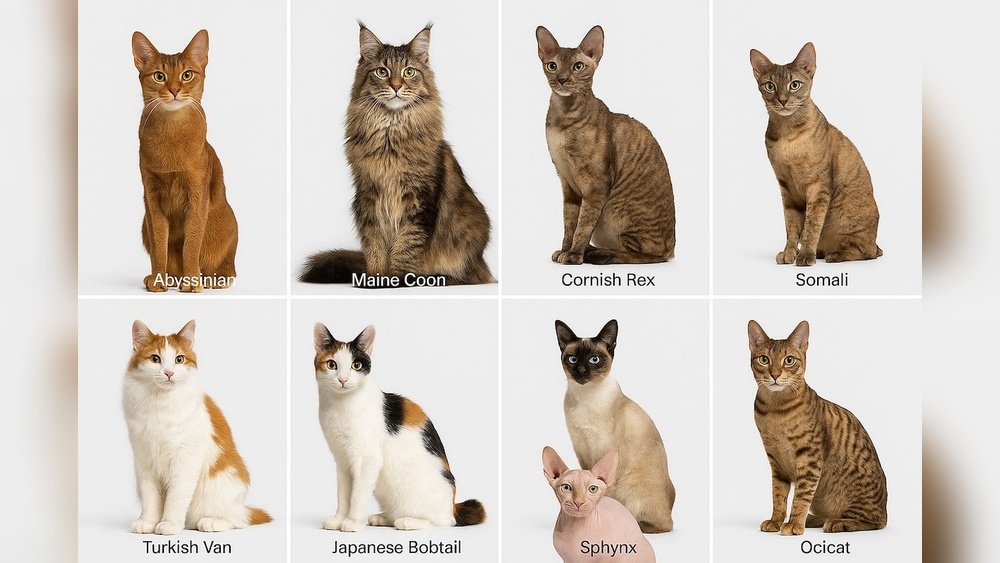
Have you ever wondered just how many different cat breeds exist around the world? Whether you’re a cat lover, thinking of adopting, or simply curious, knowing the variety of feline friends out there can be fascinating.
From fluffy to sleek, tiny to large, each breed has its own unique charm and personality. Keep reading, and you’ll discover surprising facts that might change the way you see your furry companions forever. Ready to explore the colorful world of cats?
Let’s dive in!

Credit: www.youtube.com
Global Cat Breed Count
Cats come in many shapes, colors, and sizes. Each breed has unique traits. The number of cat breeds changes based on different groups and countries. It depends on how strict or loose the breed rules are.
Worldwide, there are dozens of recognized cat breeds. Some breeds are common everywhere. Others are rare and found only in certain places. This diversity shows how cats have adapted to many environments.
International Cat Associations
Several organizations decide which cat breeds are official. The Cat Fanciers’ Association (CFA) and The International Cat Association (TICA) are two big groups. They recognize about 40 to 70 breeds.
These groups have different standards for breeds. Some accept new breeds faster. Others are more careful and slow to add new types.
Common And Rare Breeds
Popular breeds include the Siamese, Persian, and Maine Coon. Many people love these cats for their looks and personality. Rare breeds like the Sokoke or Kurilian Bobtail are less known.
Rare breeds often come from specific regions. They have special traits that make them unique. These cats can be harder to find and more expensive.
New Breeds Emerging
Cat breeders work to create new breeds. They mix traits from different cats. This leads to new looks and personalities.
New breeds can take years to be recognized officially. The process involves careful breeding and documentation.

Credit: www.youtube.com
Major Cat Breed Groups
Cat breeds fall into several major groups. Each group has unique traits and origins. Understanding these groups helps to know the diversity of cat breeds worldwide.
Natural Breeds
Natural breeds develop over time without human interference. They adapt to their local environment. Examples include the Maine Coon, Siamese, and British Shorthair. These cats have strong, stable gene pools. They show traits passed down through many generations.
Hybrid Breeds
Hybrid breeds come from crossing domestic cats with wild cats. This mix gives them exotic looks and unique behaviors. The Bengal and Savannah cats are popular hybrids. They often have spotted or striped coats. Hybrids need special care because of their wild ancestry.
Crossbreeds And Mutations
Crossbreeds result from mating two different purebred cats. They combine traits from both parents. Mutations happen naturally and create new features. For example, the Scottish Fold’s folded ears come from a mutation. Crossbreeds and mutations add variety and new looks to cat breeds.
Popular Cat Breeds Worldwide
Many cat lovers enjoy learning about popular cat breeds around the world. Each breed has unique traits, looks, and personalities. Knowing about these breeds helps people choose the right cat for their home. Some cats are playful, others calm. Some have long hair, others short. Popular breeds often appear in homes everywhere. They have won hearts with their charm and beauty.
Here are some of the most popular cat breeds worldwide. Each one stands out in its own way.
Siamese
The Siamese cat is famous for its striking blue eyes and short coat. It has a sleek body and pointed ears. This breed is very vocal and loves to “talk” with its owners. Siamese cats are social and enjoy being around people. They are playful and smart, making them great companions.
Maine Coon
Maine Coons are one of the largest domestic cats. They have thick fur and bushy tails. Their friendly and gentle nature makes them perfect family pets. Maine Coons are known for their intelligence and curiosity. They can adapt well to different homes and climates.
Persian
Persian cats have long, fluffy coats and flat faces. They look elegant and calm. This breed prefers quiet homes and gentle handling. Persians enjoy relaxing and being pampered. They need regular grooming to keep their fur soft and clean.
Bengal
Bengal cats have a wild look with spots and stripes on their fur. They are active and love to play. Bengals are very curious and enjoy exploring their surroundings. This breed is intelligent and can learn tricks. They need plenty of attention and exercise.
Rare And Exotic Breeds
Rare and exotic cat breeds captivate many cat lovers. These cats have unique looks and traits. They often come from distant places or have unusual histories. These breeds are less common than the usual cats you see every day. They bring a touch of mystery and charm to any home. Knowing about them adds to the joy of learning how many different cat breeds exist worldwide.
Khao Manee
The Khao Manee is a rare cat from Thailand. It has a pure white coat that shines beautifully. Its eyes can be blue, gold, or even odd-eyed (two different colors). People call it the “Diamond Eye” cat because of its striking eyes. This breed is known for being friendly and playful. It is very special and not easy to find outside its home country.
Kurilian Bobtail
The Kurilian Bobtail has a short, fluffy tail like a rabbit’s. It comes from the Kuril Islands, between Russia and Japan. This cat is strong and smart. It loves to hunt and play in water. Its thick fur helps it live in cold places. The Kurilian Bobtail has a friendly nature and bonds well with families.
Serengeti
The Serengeti cat looks like a small wild cat. It has tall ears and long legs. This breed started in the United States. It is a mix of Bengal and Oriental Shorthair cats. The Serengeti is active and loves to climb. It enjoys being with people and other pets. Its exotic look makes it stand out.
Breed Recognition Organizations
Breed recognition organizations play a key role in defining cat breeds worldwide. They set the standards and rules for each breed. These groups help breeders maintain the purity and quality of cats. Their work allows cat lovers to understand breed differences better.
Each organization has its own list of recognized breeds. Some breeds appear on all lists, while others may be unique to one. These organizations also host cat shows and events. They promote responsible breeding and care.
The International Cat Association (tica)
TICA is one of the largest cat breed registries globally. It recognizes over 70 different cat breeds. TICA focuses on both pedigree and household pets. This group encourages new breed development and genetic diversity. Their shows attract many cat enthusiasts worldwide.
Cat Fanciers’ Association (cfa)
CFA is the oldest cat breed organization in North America. It recognizes about 44 cat breeds. CFA sets strict breed standards and health guidelines. Their events are popular and well-respected in the cat community. CFA promotes education about cats and responsible ownership.
Fédération Internationale Féline (fife)
FIFe is a European-based cat federation. It recognizes around 48 cat breeds. FIFe emphasizes breed history and traditional standards. They organize many international cat shows each year. FIFe supports breeders and helps maintain breed integrity.
Factors Affecting Breed Classification
Classifying cat breeds is not simple. Several factors affect how breeds are identified and counted. Understanding these factors helps explain why the number of recognized breeds varies across sources.
Genetic Variations
Genetics play a big role in breed classification. Some breeds have unique genetic markers. Others share common genes but look different. This makes it hard to decide if they are separate breeds or just variants.
Mutations and natural changes in genes can create new traits. Breeders may select these traits to form new breeds. This process adds complexity to classification.
Regional Differences
Different regions recognize different breeds. Some breeds are popular only in certain countries. Local breeding traditions influence which cats are called breeds. This leads to varied lists of breeds worldwide.
Some breeds may be known by different names in different places. This can cause confusion in counting the total number of breeds.
Breed Standards
Breed standards define what each breed should look like. These rules cover size, color, coat, and other features. Different cat associations have their own standards. This can lead to disagreements about breed status.
Some cats meet standards in one association but not in another. This affects how many breeds each group recognizes. Standards change over time, which also affects classification.
How New Breeds Are Created
New cat breeds come from careful work and science. Breeders and scientists work to create cats with special looks or traits. This process takes time and effort. It involves choosing the right cats and sometimes using new technology. Each new breed starts with a clear goal. This goal guides the breeding process.
Selective Breeding
Selective breeding means choosing cats with certain features. Breeders pick parents with traits they want to pass on. These traits can be fur color, size, or behavior. Breeders mate these cats to strengthen these features in kittens. This process repeats over many generations. It helps make a stable breed with unique qualities.
Genetic Research
Genetic research helps understand cat DNA. Scientists study genes that cause certain traits. This knowledge helps breeders avoid health problems. It also helps create new breeds safely. Genetic testing can find diseases early. It ensures only healthy cats are bred. This research improves the quality of new breeds.
Breeding Challenges
Breeding new cats is not easy. It takes many years to develop a breed. Some traits are hard to keep stable. Health problems can appear in new breeds. Breeders must watch for these issues. They must keep genetic diversity to avoid problems. Patience and care are needed every step.
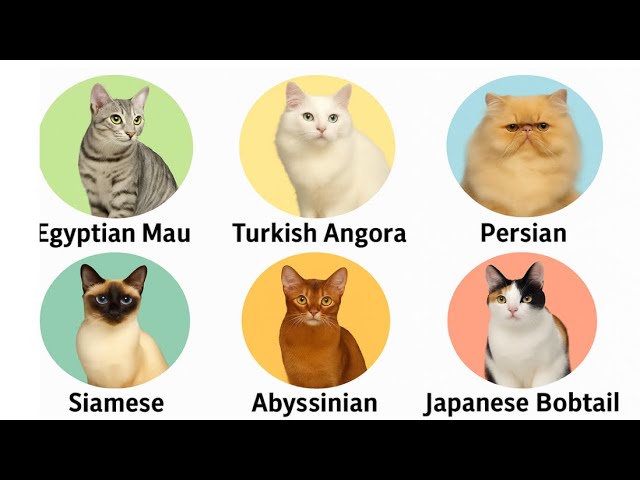
Credit: www.youtube.com
Tips For Choosing A Cat Breed
Choosing the right cat breed is important for a happy home. Each breed has unique traits and needs. Knowing what to expect helps you make a good choice.
Personality Traits
Each cat breed has a special personality. Some cats are calm and quiet. Others are playful and active. Think about what kind of pet fits your lifestyle. Do you want a lap cat or a curious explorer? Choose a breed that matches your energy and mood.
Care Requirements
Different breeds need different care. Some cats have long fur that needs daily brushing. Others have short fur and less grooming. Some breeds need more exercise or special toys. Know the care you can give before choosing a breed. This keeps the cat happy and healthy.
Health Considerations
Cat breeds can have health issues. Some breeds are more prone to certain diseases. Learn about common problems for each breed. Choose one with fewer health risks if you want less worry. Regular vet visits help catch problems early. Healthy cats live longer and feel better.
Frequently Asked Questions
How Many Cat Breeds Exist Worldwide?
There are about 70 to 75 recognized cat breeds globally. Different cat associations may recognize slightly varied numbers.
What Is The Most Popular Cat Breed?
The Persian cat remains one of the most popular and beloved breeds worldwide due to its gentle nature and luxurious coat.
How Are Cat Breeds Classified?
Cat breeds are classified by physical traits, origin, and genetics. Organizations like CFA and TICA set breed standards.
Are New Cat Breeds Still Being Discovered?
Yes, new cat breeds are occasionally developed through selective breeding and genetic research, expanding the diversity of cats.
Conclusion
Cats come in many shapes, sizes, and colors worldwide. Each breed has unique traits and stories. From the sleek Siamese to the fluffy Maine Coon, diversity is vast. This variety makes cats special and loved by millions. Knowing about breeds helps choose the right pet for you.
Keep exploring to learn even more about these fascinating animals. Cats bring joy, no matter their breed or origin. The world of cats is rich and endlessly interesting.