
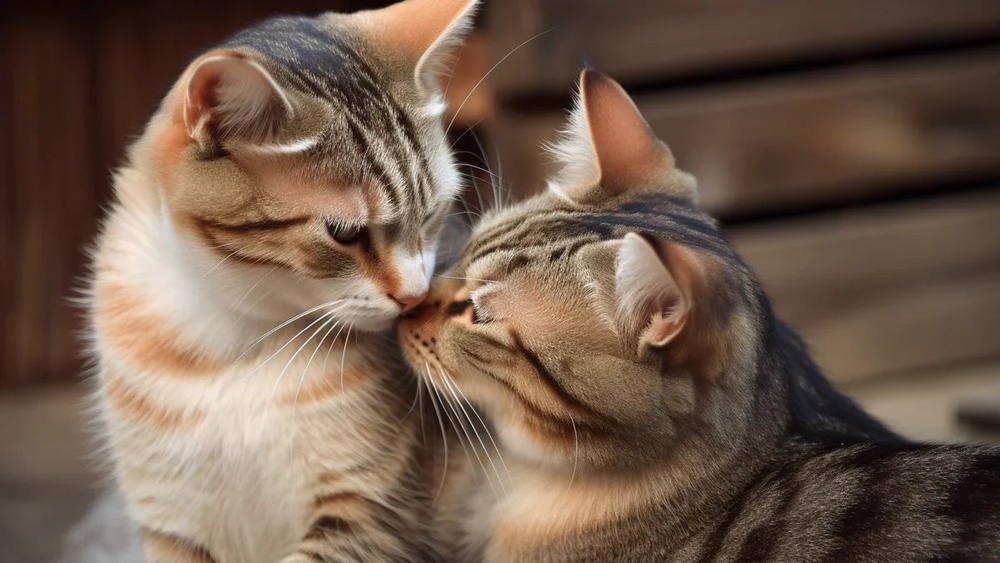
Have you ever watched cats grooming each other and wondered what it really means? When cats lick one another, it might seem like a sweet, caring act.
But could there be more behind this behavior? You might be surprised to learn that grooming between cats isn’t just about staying clean—it can also be a way to show who’s in charge. If you want to understand what your feline friends are really saying when they groom each other, keep reading.
This could change the way you see your cats’ relationships forever.
Cat Grooming Behavior
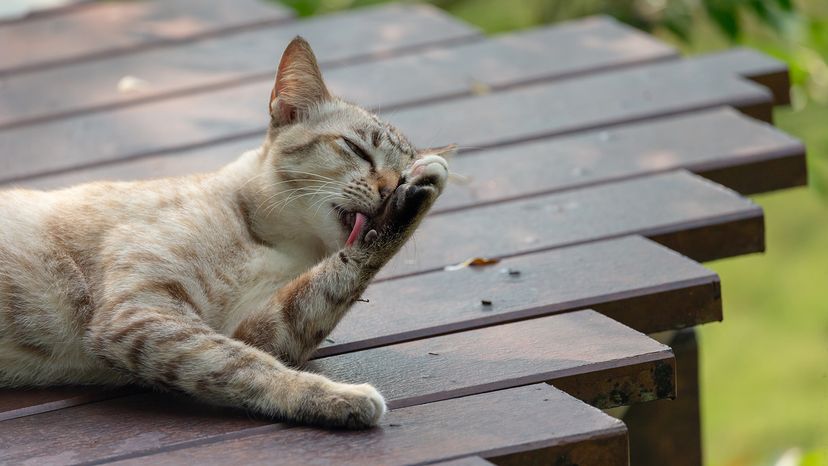
Cats spend a lot of time grooming themselves and others. Grooming is more than cleaning. It is a way cats talk and show feelings. Watching how cats groom each other helps us understand their social bonds. It can also reveal if one cat feels more powerful.
This behavior is common in groups of cats that live together. Grooming helps keep peace and builds trust. It also plays a role in showing who is the boss. Knowing about cat grooming behavior can improve how we care for them.
What Is Allogrooming?
Allogrooming means one cat grooming another cat. This is different from self-grooming. Cats use their tongue to clean fur, remove dirt, and untangle hair. Allogrooming shows friendship and helps cats feel calm.
It also helps cats share their scent. This scent sharing makes the group smell alike. It stops fights and makes cats feel safe together. Allogrooming is a strong sign of social bonds in cats.
Common Grooming Patterns Among Cats
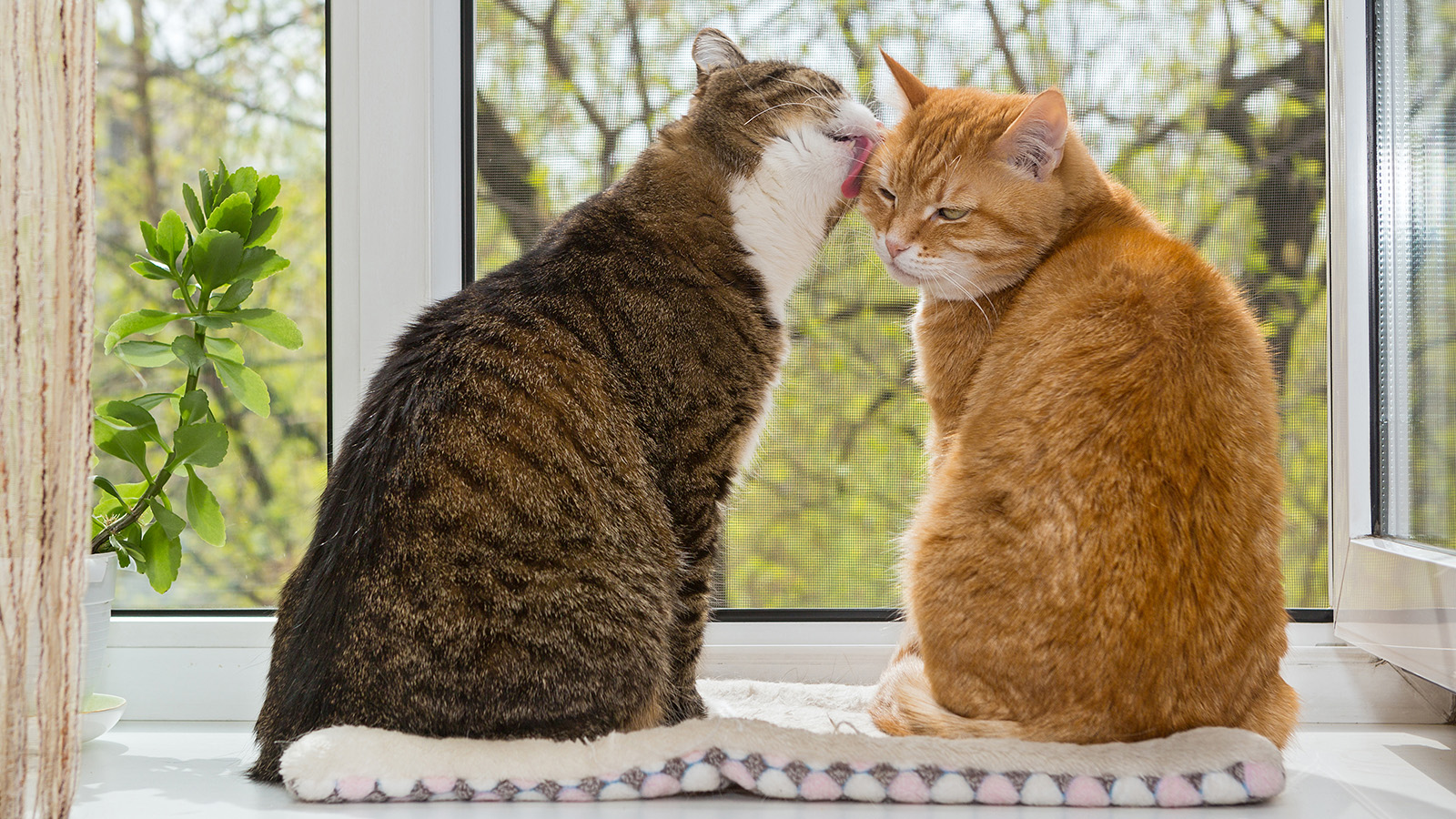
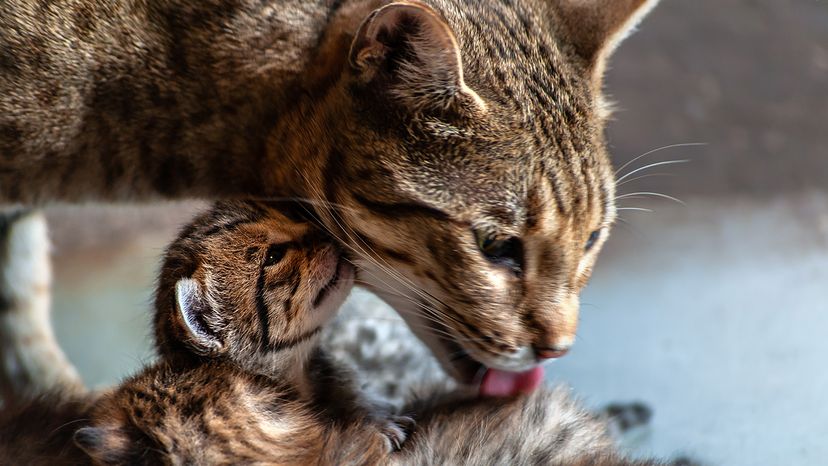
Cats usually groom the head, neck, and ears of other cats. These are hard areas for a cat to reach on its own. Grooming often happens between cats that trust each other. Mothers groom their kittens this way to clean and comfort them.
Dominant cats may groom others more often. Sometimes they start grooming to show control. Lower-ranking cats accept this behavior to avoid fights. Grooming can be gentle or a bit forceful. Watching these patterns reveals the group’s social order.
Social Hierarchy In Cats
Cats live in groups with clear social ranks. This order helps them avoid fights and share resources. Each cat knows its place in the group. This system is called social hierarchy. It shapes how cats behave toward each other every day.
Understanding this order explains many cat actions. Grooming is one key behavior linked to their social ranks. Cats do not just clean themselves. They also groom other cats. This act has deeper meaning in their social world.
How Cats Establish Dominance
Cats use many signals to show who is boss. They use body language, sounds, and actions. Posture and eye contact tell a lot. A dominant cat stands tall and stares firmly. Submissive cats avoid direct looks and lower their bodies.
Fighting is rare. Cats prefer silent signs to keep peace. They test each other’s strength with small challenges. These tests help set the group order quickly. Once set, cats respect this order most of the time.
Role Of Grooming In Cat Hierarchies
Grooming plays a big role in cat groups. Higher-ranking cats often groom lower-ranking ones. This shows control and care at the same time. Grooming builds trust and reduces tension.
Lower-ranking cats may groom the boss to show respect. This act helps keep peace and avoid conflict. Grooming also spreads scent, marking group members as part of the clan. It is a quiet way to say, “You belong here.”
Grooming As A Social Bond
Cats use grooming to build strong social bonds. It is more than just cleaning. Grooming helps cats connect and feel safe with each other. This act shows care and trust within the group. Understanding this behavior can reveal how cats live and interact.
Signs Of Affection And Trust
When cats groom each other, they show affection. It is a way to say, “I trust you.” Cats often lick the head, neck, and ears of friends. These areas are hard to reach alone. Grooming here means they care for one another deeply.
This behavior reduces stress and strengthens friendships. Cats who groom each other often share toys and sleep close. It is a sign of a peaceful relationship. Grooming helps keep these bonds strong every day.
Grooming And Group Cohesion
Grooming keeps the group united. It helps cats recognize who belongs. Cats in a group groom more with friends than strangers. This creates a sense of teamwork and belonging.
When a cat grooms another, it lowers tension. It stops fights and keeps peace in the group. Grooming also spreads each cat’s scent, marking the group as one. This shared smell helps cats identify their friends and family.
Credit: animals.howstuffworks.com
When Grooming Signals Dominance
Cats use grooming to connect, but it can mean more than friendship. Sometimes, grooming shows which cat is in charge. This behavior helps keep order in their group.
Watching how cats groom each other reveals subtle clues about their social roles. Dominant cats often groom others to show control and care at the same time. This mix of actions keeps peace and balance.
Subtle Dominance Behaviors
Dominant cats may start grooming first. They choose where to lick, often focusing on the head or neck. These spots are hard for the other cat to reach. It shows trust, but also control.
They groom firmly and for a longer time. The other cat usually stays still, accepting the grooming. If the groomed cat moves away, the dominant one may follow or nudge.
Sometimes, dominant cats use gentle biting or pawing during grooming. This reminds the other cat who leads. It is not aggressive but a clear signal of rank.
Contextual Clues To Dominance Grooming
Look at the setting. Dominance grooming often happens in quiet moments, not when cats are playing or hunting. It happens after resting or eating together.
Notice the body language. The dominant cat sits or stands tall. The other cat may lower its head or avoid eye contact. This shows respect and submission.
Also, watch how often grooming happens. Dominant cats groom others more often than they get groomed. This pattern helps keep their status clear.
Misinterpretations Of Grooming
Cats often groom each other, but this behavior can be misunderstood. Many believe grooming always shows dominance. This is not always true. Cats groom for many reasons like friendship, comfort, or care. Misreading these signs can lead to confusion about cat behavior.
Common Myths About Grooming And Dominance
One myth is that the cat doing the grooming is always the boss. Some think the groomer controls the other cat. Another myth says grooming means one cat is forcing the other to obey. These ideas are too simple. Grooming can be a way to build trust and bond.
Distinguishing Friendly From Dominant Grooming
Friendly grooming looks gentle and calm. Cats take turns licking each other. Both cats seem relaxed and close. Dominant grooming may be quick and one-sided. The groomed cat might look tense or try to leave. Watch body language to understand the true meaning.
Credit: animals.howstuffworks.com
Factors Influencing Grooming Behavior
Cats grooming each other is a common behavior with many meanings. One key aspect is the factors that influence this grooming. Understanding these factors helps explain why cats groom each other differently. Some factors depend on the cats themselves. Others come from their surroundings or social life. These elements shape how and why cats engage in grooming behavior.
Age And Relationship Between Cats
Age plays a big role in grooming habits. Younger cats often groom older cats to learn and bond. Older cats may groom younger ones to show care or control. The relationship between cats also matters. Cats that live together and trust each other groom more often. Grooming can show friendship or dominance depending on their bond. Cats with weak relationships usually avoid grooming each other.
Environmental And Social Influences
The environment affects grooming behavior a lot. Cats in calm, safe spaces groom more freely. Stress or loud noises can reduce grooming. Social factors like the number of cats in a home also matter. In crowded places, grooming can be a way to establish social order. Cats use grooming to calm themselves and others in stressful situations. Social grooming helps maintain peace among cats sharing the same space.
Observing Grooming In Multi-cat Homes
In homes with several cats, grooming is more than cleaning. It shows social bonds and hierarchy. Cats use grooming to communicate feelings and status among each other.
Watching these behaviors helps understand their relationships better. Some grooming is friendly and caring. Other times, it shows who is in charge.
Patterns To Watch For
Notice which cat starts the grooming. Often, dominant cats groom others first. Pay attention to how long grooming lasts. Short sessions may mean a quick social check.
Look for signs of discomfort. If one cat tries to move away or growls, the grooming may be about control. Grooming that includes biting or chasing can signal dominance, not affection.
Observe if grooming happens in certain areas. Dominant cats may clean faces or heads to show power. Submissive cats usually accept grooming or groom others to keep peace.
Intervention And Encouragement Tips
Step in if grooming causes stress or fights. Gently separate cats if one seems upset. Create safe spaces for each cat to relax alone.
Encourage positive grooming by rewarding calm behavior. Give treats or praise during peaceful interactions. Provide extra toys and scratching posts to reduce tension.
Regularly monitor their grooming habits. Early action helps keep harmony in your multi-cat home. Healthy grooming means happy cats living together well.
Credit: animals.howstuffworks.com
Frequently Asked Questions
Do Cats Groom Each Other To Show Dominance?
Cats groom each other primarily to bond and build trust. While grooming can indicate social hierarchy, it’s more about affection than dominance. Dominant cats may initiate grooming to assert status, but mutual grooming fosters group harmony and reduces stress.
Can Grooming Indicate A Cat’s Social Rank?
Yes, grooming can reflect social rank. Dominant cats often groom subordinate cats to assert control. However, grooming is also a friendly behavior that strengthens relationships. It’s a subtle mix of dominance and affection within feline social groups.
How Does Mutual Grooming Affect Cat Relationships?
Mutual grooming strengthens bonds between cats. It helps reduce tension and promotes group cohesion. Cats that groom each other often share a close, trusting relationship. This behavior is key to peaceful coexistence in multi-cat households.
Is Grooming A Sign Of Affection Or Dominance?
Grooming is mostly a sign of affection. Cats use grooming to comfort and care for each other. While dominance can play a role, grooming usually indicates positive social interaction and friendship rather than aggression.
Conclusion
Cats groom each other for many reasons, not just to show dominance. Grooming helps build trust and friendship between cats. It also keeps their fur clean and healthy. Sometimes, grooming can show who is more confident or calm. Watching your cats groom can tell you a lot about their bond.
Understanding this behavior makes living with cats more enjoyable. Remember, grooming is a natural way cats connect and care for each other. It is part of their social life and comfort.