
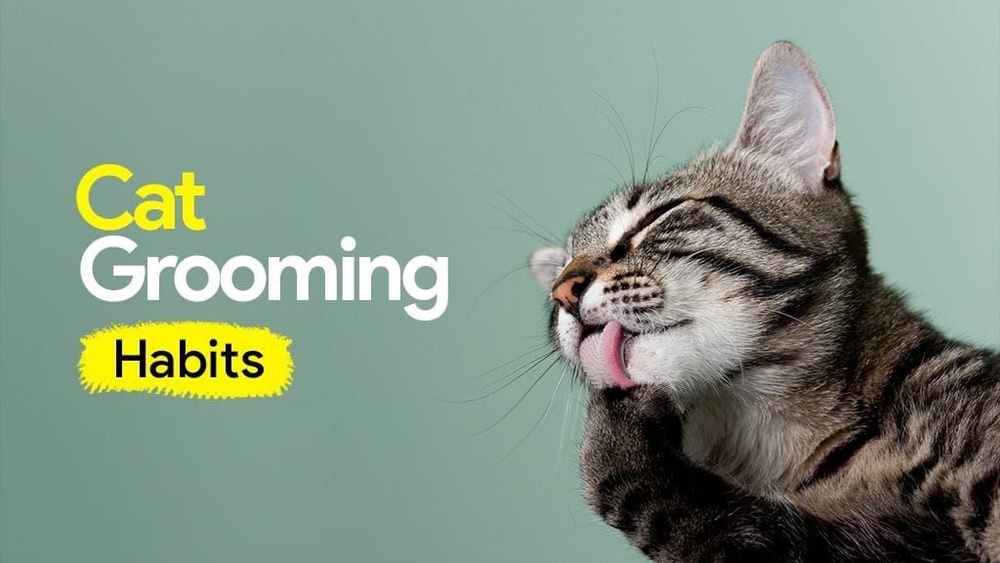
Have you ever watched your cat spend what seems like forever licking and cleaning itself? You might wonder, how long do cats actually spend grooming each day?
Understanding this can give you a deeper insight into your furry friend’s habits and health. You’ll discover surprising facts about your cat’s grooming routine and why it matters more than you think. Keep reading to learn what your cat’s grooming behavior really means for their well-being.
Daily Grooming Time
Cats spend a good part of their day grooming. This behavior keeps them clean and healthy. Grooming also helps cats relax and feel safe. Understanding how much time cats dedicate to grooming reveals their natural habits and needs.
Average Grooming Duration
On average, cats spend about 30 to 50 minutes grooming each day. Some cats groom more, while others less. This time can vary with age and personality. Younger cats often groom more actively than older ones. Grooming includes licking fur, cleaning paws, and scratching.
Factors Affecting Grooming Time
Several factors affect how long a cat grooms daily. Fur length plays a big role. Long-haired cats need more time to keep fur tidy. Health also impacts grooming habits. Cats with skin problems may groom less or more. Stress or changes in the environment can alter grooming time too. Finally, breed differences influence grooming routines.
Grooming Habits By Cat Type
Cats groom themselves to stay clean and healthy. Their grooming time varies by type and breed. Understanding grooming habits helps cat owners care better for their pets. Each cat type has unique grooming needs and routines.
Short-haired Vs Long-haired Cats
Short-haired cats spend less time grooming than long-haired cats. Their fur is easier to clean and dries faster. Long-haired cats need more grooming to avoid tangles and mats. They often spend double the time grooming. Owners of long-haired cats should help with brushing. This support keeps their coat smooth and healthy.
Breed-specific Grooming Patterns
Different breeds show different grooming habits. Siamese cats groom often but quickly. Persian cats spend a lot of time grooming due to thick fur. Maine Coons groom regularly but not as much as Persians. Some breeds are prone to skin issues, increasing grooming time. Recognizing breed patterns helps in providing proper care.
Reasons For Grooming
Cats spend a lot of time grooming themselves. This behavior is natural and important for many reasons. Grooming helps cats stay clean, feel comfortable, and even manage stress. Understanding why cats groom helps us care for them better.
Hygiene And Cleanliness
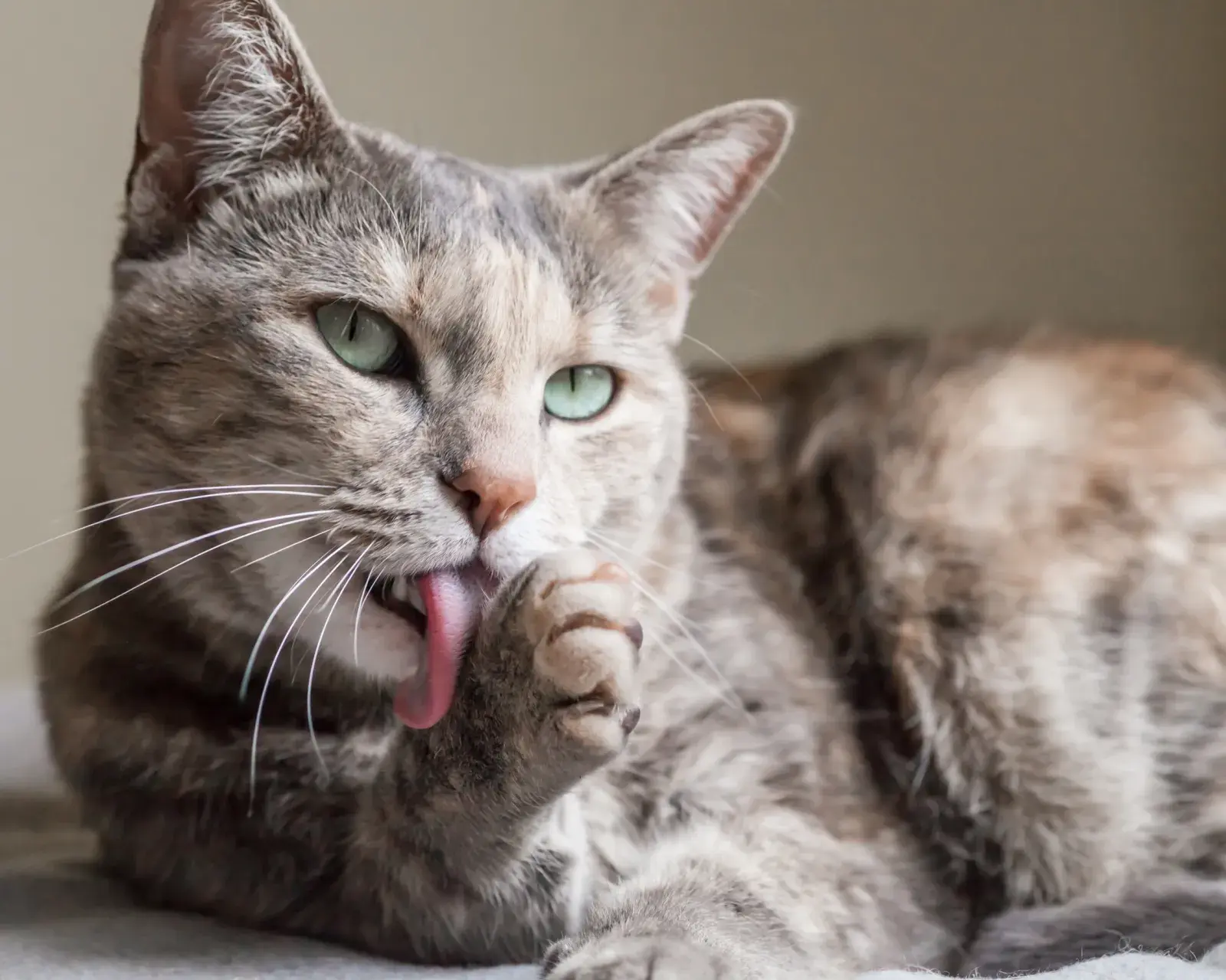
Cats lick their fur to remove dirt and loose hair. This keeps their coat clean and shiny. Grooming also helps stop bad smells. It can prevent skin infections by keeping the skin free of dirt and parasites. Clean fur means a healthy cat.
Temperature Regulation
Grooming helps cats cool down or warm up. When a cat licks its fur, saliva spreads over the coat. The saliva cools the cat as it evaporates. In cold weather, grooming fluffs the fur to trap heat. This helps cats stay comfortable in different temperatures.
Stress Relief And Comfort
Grooming calms cats when they feel stressed or scared. It works like a natural comfort tool. Cats often groom themselves after loud noises or new experiences. This behavior helps them relax and feel safe. Grooming also helps cats bond with other cats by cleaning each other.
Credit: www.newsweek.com
Grooming And Health
Cats spend a lot of time grooming. This habit is not just about looking clean. Grooming plays a key role in their health and well-being.
Through grooming, cats keep their skin and fur in good condition. It also helps them notice changes in their own bodies. This makes grooming a natural health check for cats.
Detecting Health Issues
Grooming helps cats spot problems early. If a cat stops grooming, it may feel pain or discomfort. Cats with skin infections or wounds often groom less. Changes in grooming can signal health issues like fleas or allergies. Watch your cat’s grooming habits for signs of illness.
Impact On Skin And Fur Quality
Grooming spreads natural oils across the cat’s fur. These oils keep the coat shiny and soft. Regular grooming removes dirt and loose hair. It also helps prevent mats and tangles. A healthy grooming routine means healthy skin and beautiful fur.
Behavioral Insights
Cats spend a good part of their day grooming. This behavior is not just about staying clean. Grooming has deep social and communication roles. Understanding these roles helps us see why cats groom themselves and others.
Social Grooming Among Cats
Cats often groom each other in groups. This is called social grooming or allogrooming. It helps build trust between cats. They lick each other’s fur to strengthen bonds. This act shows friendship and reduces tension. Social grooming also helps cats stay clean in hard-to-reach spots. It creates a peaceful group atmosphere.
Grooming As A Communication Tool
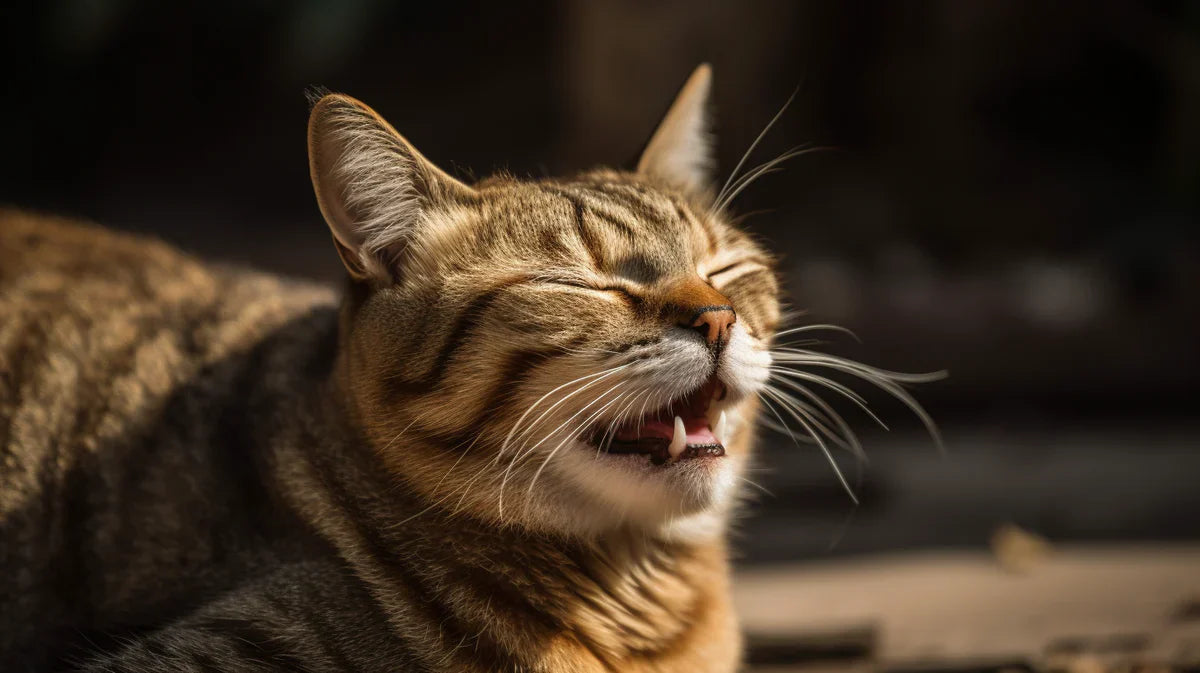
Grooming sends messages to other cats. A cat licking another can show care and comfort. Sometimes, it signals submission or respect. Cats also groom themselves to feel calm. Grooming can lower stress and help focus. It is a way cats express feelings without words. Observing grooming helps us understand a cat’s mood.
Credit: www.cooperandgracie.com
When Grooming Becomes Excessive
Cats spend a good part of their day grooming. Grooming keeps their fur clean and skin healthy. But sometimes, cats groom too much. Excessive grooming can cause harm instead of help. It may lead to bald spots and skin wounds. Recognizing when grooming is too much is important for your cat’s health.
Causes Of Over-grooming
Stress is a common cause of over-grooming in cats. Changes in the home or loud noises can upset them. Skin allergies also make cats lick and scratch often. Fleas and other parasites cause itching and discomfort. Pain from injuries or arthritis might lead to extra grooming. Sometimes, medical issues like infections or hormonal problems play a role.
Signs To Watch For
Look for bald patches on your cat’s coat. Red or irritated skin shows possible damage. Excessive licking or biting at one spot is a red flag. Your cat may seem restless or anxious. Watch for changes in behavior, like hiding or lack of appetite. These signs suggest your cat needs help from a vet.
Tips For Cat Owners
Knowing how much time cats spend grooming helps owners support their pets better. Grooming keeps cats clean and healthy. It also helps them relax. Owners can help maintain good grooming habits and solve problems early.
Encouraging Healthy Grooming
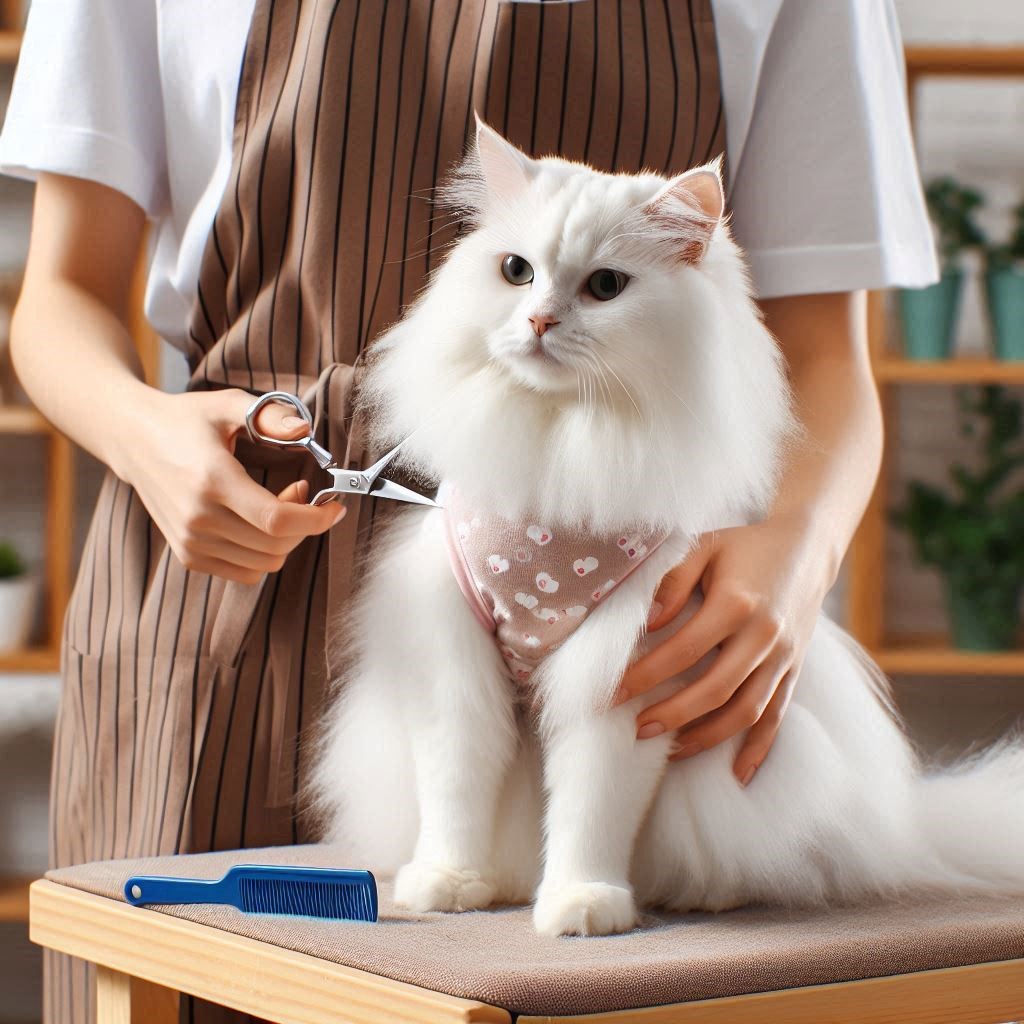
Give your cat a quiet, safe space to groom. Cats like calm areas without noise. Brush your cat often to remove loose fur. This lowers hairballs and keeps skin healthy. Offer fresh water and a balanced diet. Good nutrition supports a shiny coat. Play with your cat daily. Exercise reduces stress and boosts grooming habits.
Managing Grooming Challenges
Watch for signs of grooming problems. Bald spots or sores show trouble. Cats may groom too much if stressed or sick. Visit a vet if you notice changes. Help long-haired cats with regular brushing. This stops mats and tangles. Use gentle shampoos if baths are needed. Avoid forcing your cat to groom too much. Let them take breaks to prevent stress.
Credit: www.petworks.com
Frequently Asked Questions
How Long Do Cats Groom Daily On Average?
Cats typically spend about 30-50% of their waking hours grooming. This can range from 1 to 4 hours a day, depending on age, health, and environment. Grooming helps cats stay clean, regulate body temperature, and reduce stress.
Why Do Cats Spend So Much Time Grooming?
Cats groom to remove dirt, loose fur, and parasites. It also helps regulate their body temperature and spreads natural oils for a healthy coat. Grooming provides comfort and reduces anxiety, making it a crucial behavior for their well-being.
Does Grooming Time Vary By Cat Breed?
Yes, grooming time can vary among breeds. Long-haired cats usually spend more time grooming to keep their coats untangled. Short-haired cats may groom less, but still maintain cleanliness and skin health through regular grooming.
How Does Age Affect A Cat’s Grooming Habits?
Older cats may groom less due to arthritis or dental issues. Kittens and young cats tend to groom more frequently as part of learning and maintaining hygiene. Changes in grooming can indicate health problems in senior cats.
Conclusion
Cats spend a good part of their day grooming themselves. This habit keeps their fur clean and healthy. Grooming also helps cats feel calm and relaxed. Watching a cat groom can be quite soothing. Remember, grooming time varies by cat and situation.
Knowing this helps you understand your pet better. Keep an eye on changes in grooming habits. It can show if your cat feels well or not. Caring for your cat means paying attention to these small details. It strengthens your bond and keeps them happy.