
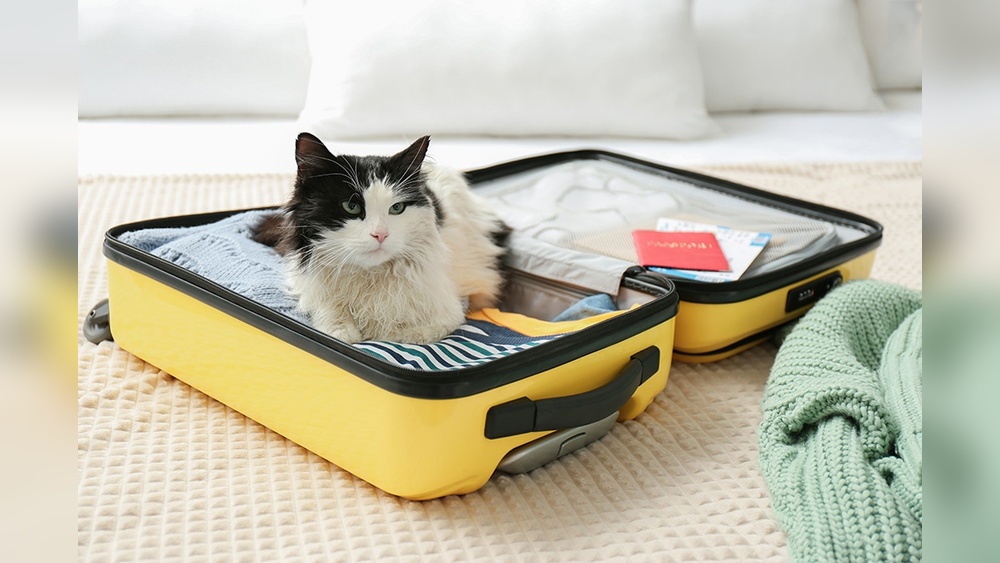
Traveling across the country with your cat can feel overwhelming. You want to keep your furry friend safe and comfortable, but you’re not sure where to start.
What should you pack? How can you ease your cat’s anxiety? And what are the best ways to handle long car rides or flights? This guide will walk you through everything you need to know. By the end, you’ll feel confident and ready to make the trip enjoyable for both you and your cat.
Keep reading to discover simple tips and tricks that make traveling together stress-free.
Preparing Your Cat For The Journey
Preparing your cat for a long trip helps reduce stress and keep them safe. Cats feel more comfortable when they know what to expect. Start early to make the journey smooth and calm for your pet.
Choosing The Right Carrier
Select a carrier that is sturdy and well-ventilated. It should be large enough for your cat to turn around easily. Soft-sided carriers are good for short trips. Hard-sided ones offer more protection for long travels. Check that the carrier has secure locks and a comfortable bottom.
Familiarizing Your Cat With The Carrier
Health Check And Vet Visit
Schedule a vet visit before traveling. Make sure vaccinations are up to date. Discuss travel plans and ask about motion sickness. Get a health certificate if required by law. Ask the vet for tips to keep your cat calm during the trip.
Packing Essentials For Your Cat
Bring enough food and water for the entire trip. Pack extra bowls for feeding and drinking. Don’t forget a leash and harness for breaks. Carry your cat’s favorite toys and a cozy blanket. Include waste bags and cleaning supplies for accidents.

Credit: www.reddit.com
Planning The Route And Stops
Planning your route and stops is key for a smooth trip with your cat. A well-thought plan helps keep your cat calm and safe. It reduces stress for both you and your pet. Knowing where to stop and rest is important. You must also find places that welcome cats. Preparing for emergencies is part of good planning. This way, you can enjoy your journey without worry.
Selecting Cat-friendly Accommodations
Choose hotels or motels that allow pets. Look for places with quiet rooms and easy access outside. Check reviews from other pet owners. Ask about rules for cats before booking. Bring your cat’s favorite blanket or toy to help them settle. Avoid places with noisy areas or busy streets nearby. A calm environment helps your cat feel safe and relaxed.
Scheduling Regular Breaks
Plan stops every two to three hours. Use these breaks to offer water and small snacks. Let your cat stretch inside the carrier or on a leash. Avoid letting your cat roam free outside. Keep breaks short but frequent to reduce stress. Staying consistent helps your cat adjust to the trip. Watch for signs of tiredness or anxiety during breaks.
Mapping Out Emergency Vet Clinics
Research veterinary clinics along your route before leaving. Save their addresses and phone numbers on your phone. Find clinics open 24/7 for emergencies. Know the nearest vet clinics to your accommodations. Prepare a small pet first aid kit for minor issues. Quick access to help is vital for your cat’s health. This step gives you peace of mind during travel.
Traveling By Car With Your Cat
Traveling by car with your cat needs careful planning. Cats feel safe in familiar spaces. A car trip can be stressful for them. Preparing the right setup helps your cat stay calm and secure. Small steps make the journey smoother for both of you.
Securing The Carrier Safely
Choose a sturdy carrier that fits your cat well. Place the carrier on the car seat or floor. Use a seatbelt or straps to hold the carrier firmly. This stops the carrier from moving during the drive. A steady carrier keeps your cat safe and relaxed.
Maintaining A Calm Environment
Keep the car quiet and calm. Avoid loud music and sudden noises. Open windows a little for fresh air, not too much. Cover the carrier with a light cloth to block bright lights. Talk softly to your cat to soothe them.
Managing Food And Water On The Road
Feed your cat a few hours before the trip. Avoid feeding during the drive to prevent nausea. Carry water and a small bowl for breaks. Offer water during stops to keep your cat hydrated. Keep food and water fresh and easy to reach.

Credit: yourcatbackpack.com
Traveling By Plane With Your Cat
Traveling by plane with your cat can feel stressful. Many cats dislike new places and loud noises. Careful planning helps make the trip smooth for both of you. Understanding airline rules and preparing your cat properly is key. A calm journey starts before you even board the plane.
Booking Flights And Airline Policies
Choose flights that fit your cat’s needs. Some airlines allow cats in the cabin. Others require pets to travel as cargo. Check the airline’s pet policies before booking. Look for size limits and carrier requirements. Book your spot early. Airlines often limit the number of pets per flight. Prepare paperwork like vaccination records. This avoids last-minute problems at the airport.
Preparing For Security Checks
Security checks can be confusing for cats. You must take your cat out of the carrier. Hold your cat firmly during the screening. The carrier goes through the X-ray machine. Stay calm to keep your cat calm. Practice taking your cat out and putting them back in the carrier. This helps reduce stress at security. Use a harness and leash to keep your cat safe.
Handling In-cabin Vs Cargo Travel
In-cabin travel keeps your cat close to you. It is safer and less stressful for most cats. Use a soft, well-ventilated carrier that fits under the seat. For cargo travel, choose a sturdy, approved crate. Label it with your contact details. Cargo areas are temperature controlled but can be noisy. Avoid cargo travel if your cat is very young or old. Talk to your vet about the best option for your cat.
Keeping Your Cat Comfortable During Travel
Traveling with a cat can be stressful for both of you. Keeping your cat calm and comfortable helps make the journey smoother. Small steps create a big difference in your cat’s travel experience. Focus on comfort, calmness, and safety throughout the trip.
Using Calming Aids And Toys
Calming aids like sprays and collars reduce anxiety. These products use natural scents to soothe your cat. Bring your cat’s favorite toys to keep them distracted. Soft blankets with their scent also provide comfort. Familiar smells help cats feel safe in new places.
Monitoring Your Cat’s Behavior
Watch your cat closely during travel. Signs of stress include hiding, meowing, or restlessness. Check their breathing and body language often. Respond quickly if your cat seems upset. Calm voices and gentle petting can help them relax.
Dealing With Motion Sickness
Some cats feel sick during car rides. Keep your cat in a well-ventilated carrier. Avoid feeding them right before travel to reduce nausea. Offer small water sips during breaks. Consult your vet for medicine if motion sickness is severe.
Settling In After Arrival
After arriving at your new home, your cat needs time to adjust. Moving can be stressful for cats. They may feel scared or confused. Helping your cat settle in makes the transition smoother. Creating a calm and safe space helps them feel secure. Slowly introducing new sights and smells prevents overwhelm. A steady routine brings comfort and trust. Small steps lead to a happy, confident cat.
Setting Up A Safe Space
Choose a quiet room for your cat’s first stay. Place their bed, litter box, and food here. Keep the door closed to limit their area. This space feels safe and less scary. Add familiar blankets or toys from the old home. Avoid loud noises or sudden movements nearby. Let your cat explore the room at their pace. This helps them build confidence and calm down.
Reintroducing Your Cat To The New Environment
After your cat feels safe, open the door slowly. Allow short visits to other rooms under your watch. Watch for signs of stress like hiding or meowing. Return your cat to the safe room if needed. Introduce new smells by placing items from other rooms. Speak softly and offer treats to encourage exploration. Gradually increase access as your cat grows more relaxed.
Establishing A Routine
Keep feeding times consistent every day. Cats like knowing when to eat and play. Set regular times for play and petting sessions. Clean the litter box daily to maintain comfort. Stick to familiar toys and activities your cat enjoys. A steady routine reduces anxiety and builds trust. Your cat will feel more at home quickly.
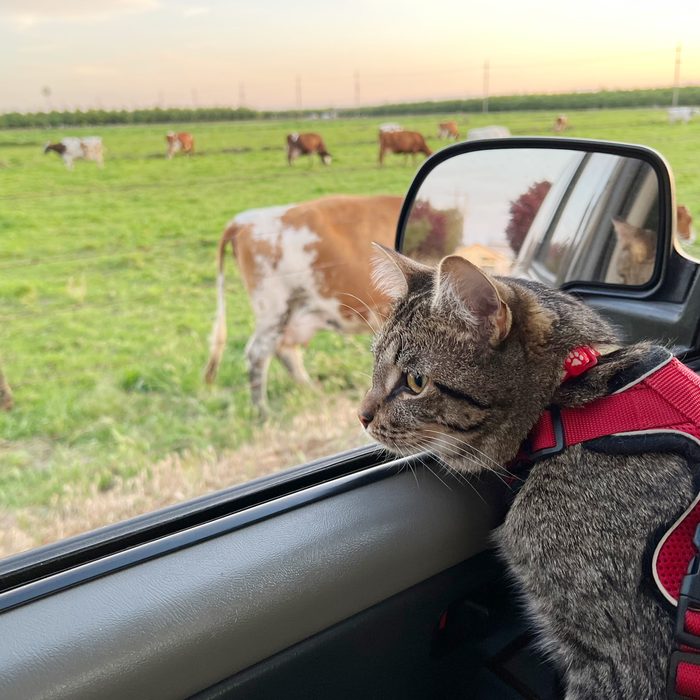
Credit: www.rd.com
Frequently Asked Questions
How Can I Prepare My Cat For A Cross-country Trip?
Start by acclimating your cat to its carrier. Bring familiar bedding and toys. Schedule a vet check to ensure vaccinations and health. Pack essentials like food, water, and litter. Plan frequent breaks for comfort and calm.
What Is The Best Transportation Method For Traveling With Cats?
Car travel is often best, offering control and comfort. Use a secure, well-ventilated carrier inside the vehicle. Avoid sudden movements and loud noises. For flights, check airline pet policies and book direct routes when possible.
How Do I Keep My Cat Calm During Travel?
Use calming pheromone sprays or collars. Maintain a quiet, dim environment. Speak softly to soothe your cat. Avoid feeding right before travel to prevent nausea. Bring familiar items like blankets or toys for comfort.
What Supplies Should I Pack For Traveling With A Cat?
Pack food, water, collapsible bowls, litter, and scoop. Include a first aid kit and any medications. Bring a harness and leash for safe outings. Don’t forget identification tags and copies of veterinary records.
Conclusion
Traveling with a cat across the country can be smooth and safe. Plan ahead and keep your cat calm during the trip. Bring familiar items like toys and blankets to comfort your pet. Take regular breaks for water and rest.
Always keep your cat secure in a carrier while moving. With patience and care, your cat will enjoy the journey too. Safe travels create happy memories for both you and your furry friend.