
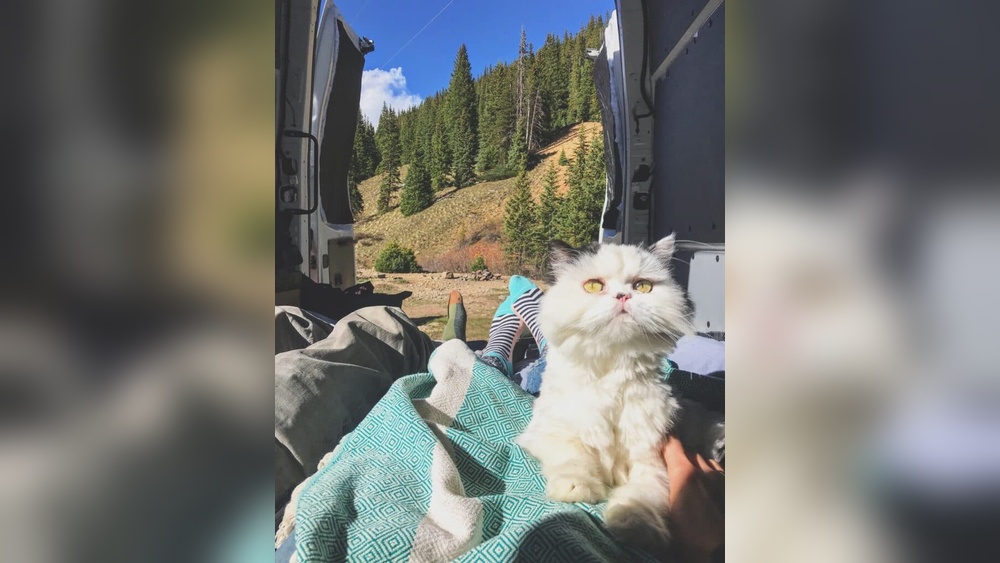
Traveling in an RV gives you the freedom to explore new places at your own pace. But if you have cats, you might worry about how they’ll handle the trip.
You want your furry friends to feel safe, comfortable, and happy while on the road. This guide will show you simple, proven ways to make RV travel with cats stress-free for both you and your pets. Keep reading to discover tips that will help your cats enjoy the adventure just as much as you do.
Preparing Your Cat For The Journey
Preparing your cat for an RV trip is important. Cats feel safe in familiar spaces. A smooth start helps reduce their stress. Planning ahead makes the journey easier for both of you.
Choosing The Right Carrier
Pick a carrier that fits your cat well. It should be sturdy and secure. Look for one with good ventilation. Soft-sided carriers offer comfort and flexibility. Hard-sided carriers provide extra protection. Choose a size that allows your cat to stand and turn.
Familiarizing Your Cat With The Carrier
Let your cat explore the carrier at home. Place treats or toys inside to encourage entry. Leave the carrier open in a quiet area. Allow your cat to enter and exit freely. Practice short rides inside the carrier before the trip. This builds positive association with the carrier.
Health Checks And Vaccinations
Visit the vet before traveling. Ensure your cat is healthy and up-to-date on vaccines. Ask about flea and tick prevention for travel. Discuss motion sickness or anxiety remedies if needed. Carry a copy of vaccination records during the trip. Regular health checks prevent surprises on the road.
Packing Essentials For Your Cat
Packing for your cat is a key step in RV travel. Cats need familiar items to feel safe and calm. Bringing the right supplies keeps your trip smooth and your cat happy. Focus on food, comfort, and hygiene. These essentials help your cat adjust to the new environment quickly.
Food And Water Supplies
Bring enough food for the whole trip. Choose the cat’s regular food to avoid upset stomach. Pack portable water bowls that won’t spill in the RV. Fresh water is important to keep your cat hydrated. Store food in sealed containers to keep it fresh and safe.
Comfort Items And Toys
Familiar items reduce stress during travel. Bring your cat’s favorite blanket or bed. A small blanket with your scent works well too. Include a few toys your cat enjoys. Toys provide distraction and help with anxiety. A scratching post or pad can keep your cat entertained.
Litter Box Solutions
Choose a litter box that fits your RV space. Covered boxes help control odor and mess. Bring enough cat litter for the entire journey. Use a scoop to clean the box daily. Keep the litter box in a quiet, accessible spot. Regular cleaning helps your cat stay comfortable and healthy.
Safe Travel Practices
Traveling in an RV with cats can be fun and safe. The key is to follow safe travel practices. Cats need comfort and security during the trip. These steps help keep your cat safe and calm.
Securing The Carrier In The Rv
Always use a sturdy carrier for your cat. Place it where it won’t move during travel. Use seat belts or straps to hold the carrier tight. This prevents sudden shifts that scare or hurt your cat. Make sure the carrier has good ventilation. Check the carrier’s door is locked properly.
Maintaining A Calm Environment
Keep the RV quiet and calm. Avoid loud noises and sudden movements. Speak softly to your cat to soothe it. Use familiar blankets or toys inside the carrier. This helps your cat feel safe. Adjust the temperature to keep your cat comfortable. A calm environment reduces stress and motion sickness.
Handling Stops And Breaks
Plan regular stops during your trip. Use these breaks to check on your cat. Never let your cat roam free outside the carrier. Always keep your cat on a leash or inside the carrier. Offer water and a small snack if your cat wants. Keep the carrier in a shaded, cool spot during breaks.

Credit: roadtrippers.com
Setting Up The Rv For Cats
Setting up the RV for cats is an important step before hitting the road. Cats need a safe and comfortable space to feel calm. Preparing the RV helps reduce their stress during travel. It also keeps them safe and happy in a new environment.
Creating A Cozy Space
Choose a quiet corner for your cat’s bed or blanket. Soft bedding makes the space warm and inviting. Add familiar toys and a small scratching post. This helps your cat feel at home. Keep the area tidy and free from clutter. Cats love small, cozy spots to hide and rest.
Temperature Control
Maintain a steady temperature inside the RV. Cats dislike sudden changes in heat or cold. Use fans or heaters to keep the air comfortable. Avoid placing your cat’s space near vents or windows. A calm temperature helps your cat relax and sleep well.
Cat-proofing The Rv
Remove or secure loose wires and small objects. Cats like to explore and may chew or swallow things. Lock cabinets that hold cleaning supplies or food. Block gaps where your cat might get stuck or hide. Ensure doors and windows close tightly to prevent escapes.
Managing Behavior On The Road
Traveling with cats in an RV can be a fun adventure. Managing their behavior on the road is very important. Cats can feel nervous or restless in a moving vehicle. Keeping them calm helps everyone enjoy the trip. Here are some ways to handle your cat’s behavior while traveling.
Dealing With Anxiety And Stress
Cats often feel anxious in new places or loud environments. Create a safe spot inside the RV for your cat. Use a cozy bed or blanket they like. Speak softly and calmly to reassure them. Avoid sudden movements or loud noises near your cat. Let them explore small areas at their own pace. Patience helps reduce their stress during travel.
Encouraging Hydration And Eating
Keeping your cat hydrated is key on the road. Offer fresh water often and in easy-to-access bowls. Bring their regular food to keep eating habits normal. Feed small meals more frequently rather than one big meal. Watch for signs of stress that may stop them from eating. A well-fed and hydrated cat stays healthier and calmer.
Using Calming Aids
Calming aids can help reduce your cat’s travel stress. Try pheromone sprays or diffusers designed for cats. These products release comforting scents that cats recognize. Soft music or white noise can also soothe your pet. Consult your vet about natural supplements if needed. Use calming aids carefully and observe how your cat reacts.

Credit: www.outdoorbengal.com
Exploring Safely At Campsites
Exploring campsites with your cat can be fun and safe. Cats enjoy new sights and smells. But the outdoors has risks. Keep your cat protected while letting them explore.
Supervised Outdoor Time
Never leave your cat alone outside. Watch your cat closely at all times. Keep an eye on their behavior and surroundings. This prevents dangers like wild animals or getting lost. Supervised time helps your cat feel secure and calm.
Using Harnesses And Leashes
Use a comfortable harness designed for cats. Attach a leash to control your cat’s movements. This stops your cat from running away or into danger. Practice using the harness indoors first. Make sure it fits well and your cat feels safe.
Recognizing Environmental Hazards
Look for things that might harm your cat. Sharp sticks, poisonous plants, or busy roads can be dangerous. Watch out for insects like ticks or bees. Keep your cat away from loud noises or strong smells. Knowing hazards helps keep your cat safe and happy.
Emergency Preparedness
Traveling in an RV with cats is fun but needs safety plans. Emergencies can happen anytime. Being ready helps keep your cat safe and calm. This section covers key steps for emergency readiness during RV trips.
First Aid Kit For Cats
Prepare a small first aid kit just for your cat. Include bandages, antiseptic wipes, and tweezers. Add digital thermometer and saline solution. Keep any medications your cat needs. Store the kit where you can reach it fast.
Locating Nearby Veterinary Services
Before traveling, find vets along your route. Use apps or websites to find clinics nearby. Save their contact info in your phone. Know the emergency hours and exact locations. This helps if your cat needs quick care.
Handling Unexpected Situations
Stay calm if your cat gets scared or hurt. Use a safe carrier to hold your cat. Speak softly to soothe it. Check for injuries but avoid moving your cat too much. Call a vet for advice or emergency help.

Credit: roadtrippers.com
Frequently Asked Questions
How Can I Prepare My Cat For Rv Travel?
Start by acclimating your cat to the RV environment slowly. Use familiar bedding and toys. Practice short trips first to reduce anxiety. Ensure vaccinations and ID tags are up to date before travel.
What Essential Items Should I Pack For My Cat?
Pack your cat’s food, water, litter box, and favorite toys. Include a first-aid kit and any medications. Bring a secure carrier and portable litter scoop. These essentials keep your cat comfortable and safe on the road.
How Do I Keep My Cat Safe During Rv Travel?
Always keep your cat inside the RV to avoid escapes. Use a secure carrier during driving. Never leave your cat unattended outside. Regularly check for hazards inside the RV to prevent injuries.
What Are The Best Tips For Feeding Cats On The Road?
Maintain your cat’s regular feeding schedule to avoid digestive issues. Use familiar food and clean water containers. Avoid sudden diet changes, as cats are sensitive to new foods during travel.
Conclusion
Traveling with cats in an RV takes planning and care. Keep your pets safe and comfortable at all times. Bring familiar items like toys and blankets. Stop often to let your cats stretch and explore safely. Watch for signs of stress or illness during the trip.
Enjoy the journey together and create happy memories. With patience and preparation, RV travel with cats can be fun. Your furry friends will appreciate the adventure just as much as you do.