

Traveling with your cat can feel overwhelming, but it doesn’t have to be. You want to make sure your furry friend stays safe, calm, and comfortable from start to finish.
Whether it’s a quick trip to the vet or a long road adventure, knowing the right steps can turn travel time into a stress-free experience for both of you. Keep reading to discover simple tips and tricks that will help you and your cat enjoy the journey together.

Credit: www.reddit.com
Preparing Your Cat For Travel
Traveling with a cat requires careful preparation. Cats can feel stressed in new places. Preparing your cat helps reduce anxiety. It makes the journey safer and calmer. Start early to give your cat time to adjust.
Choosing The Right Carrier
Select a carrier that fits your cat well. It should be roomy but cozy. Look for good ventilation and security. Hard-sided carriers protect better in cars or planes. Soft-sided carriers work well for short trips. The carrier must be easy to carry and clean.
Familiarizing Your Cat With The Carrier
Let your cat explore the carrier before travel. Place it in a quiet spot at home. Put treats or toys inside to attract your cat. Leave the door open so your cat can enter freely. Practice short trips in the carrier to build comfort. This helps your cat feel safe during travel.
Health Checks And Vet Visits
Visit the vet before traveling. Ensure your cat is healthy and up to date on shots. Ask about travel-related health tips. Get any needed medications or health certificates. Check for fleas and ticks to avoid spreading them. Carry your cat’s medical records during the trip.
Packing Essentials For Your Cat
Pack food and water for the entire journey. Bring familiar items like a favorite blanket or toy. Include a small litter box and scoop. Carry waste bags to clean up after your cat. Have a leash and harness for safe outings. Keep a first-aid kit for emergencies.
Traveling By Car With Your Cat
Traveling by car with your cat can be a smooth experience with the right preparation. Cats like familiar spaces, so bringing their favorite blanket or toy helps. Keeping your cat safe and calm during the trip is very important. Small steps make the journey better for both of you.
Safe Carrier Placement In The Vehicle
Place the carrier where it won’t move or fall during the drive. The back seat is the safest spot. Use a seatbelt to secure the carrier tightly. Avoid placing it in the front seat to keep your cat safe from airbags. A stable carrier prevents accidents and helps your cat feel secure.
Maintaining Comfort During The Drive
Keep the car temperature cool and steady. Avoid loud music or sudden noises that might scare your cat. Cover the carrier with a light cloth to reduce outside distractions. Talk softly to your cat to offer comfort. Make sure the carrier has enough ventilation for fresh air.
Handling Motion Sickness
Some cats feel sick during car rides. Watch for drooling, yawning, or restlessness as signs. Feed your cat a small meal a few hours before travel. Avoid feeding right before the trip to reduce nausea. Consult your vet for medicine if motion sickness is severe.
Planning Breaks And Pit Stops
Stop every two to three hours for breaks. Use these stops to check on your cat and offer water. Never let your cat out of the carrier in unfamiliar places. Keep your cat inside the car during stops to prevent escape. Short breaks help your cat relax and stay hydrated.
Flying With Your Cat
Flying with your cat can be a smooth experience with the right preparation. Knowing the rules and planning ahead helps reduce stress for both you and your pet. This section covers key points to help you travel safely by air with your cat.
Airline Policies And Requirements
Each airline has different rules for flying with pets. Check their pet policy before booking. Some airlines allow small cats in the cabin, while others require them to travel in cargo. Confirm carrier size limits and fees. Also, some airlines ask for health certificates or vaccinations. Get these documents ready well before your flight.
Booking Your Cat’s Flight
Book your cat’s spot early. Airlines often limit the number of pets on each flight. Call the airline directly to reserve a space for your cat. Choose a direct flight if possible. This reduces travel time and stress. Make sure your cat’s carrier fits under the seat. A comfortable carrier means a better journey.
Preparing For Security Checks
At security, you must take your cat out of the carrier. Hold your cat securely or use a harness. The carrier goes through the X-ray machine. Keep calm and speak softly to your cat. Arrive early to allow extra time at security. This prevents rushing and helps your cat stay calm.
In-cabin Tips For A Calm Cat
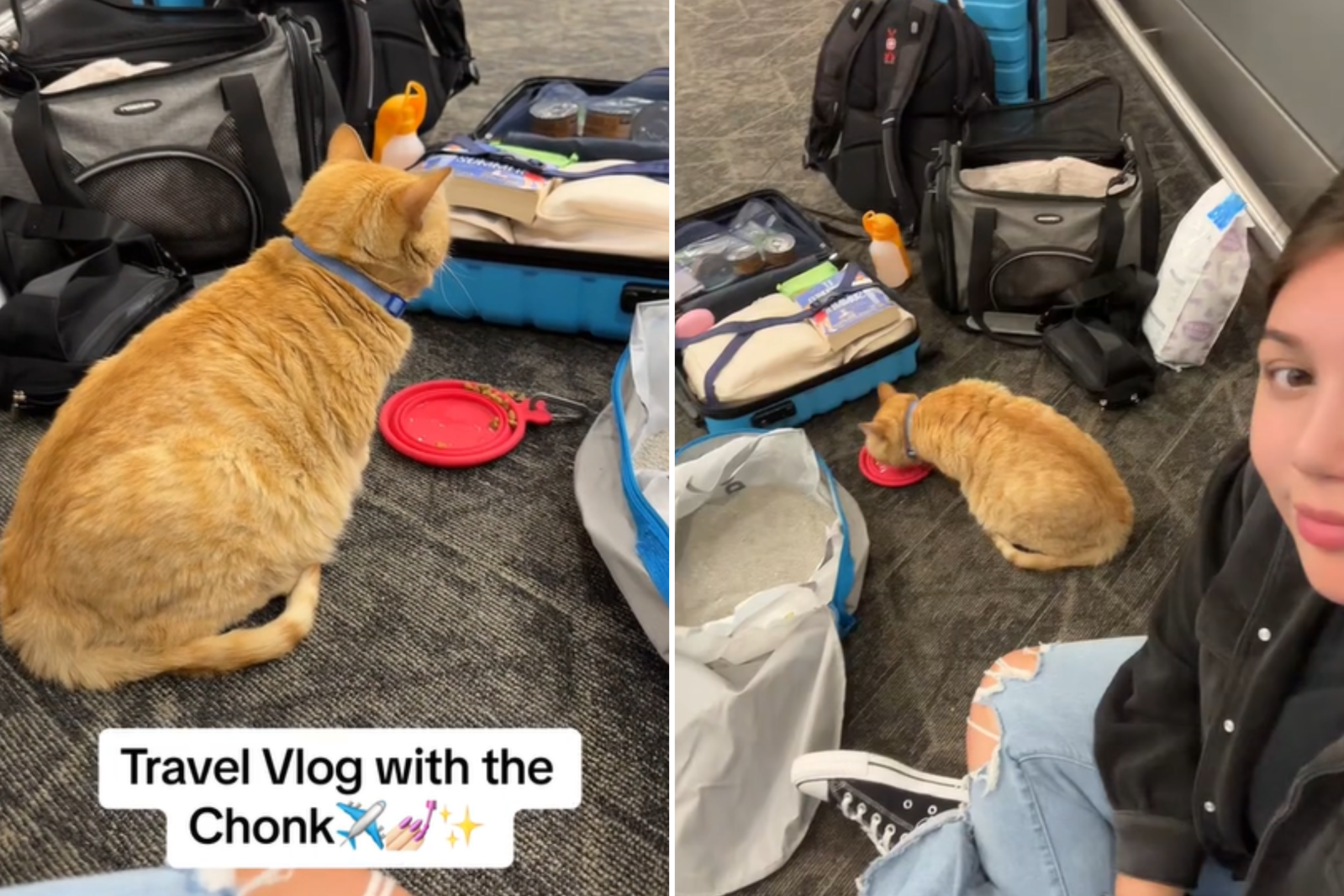
Place your cat’s carrier under the seat in front of you. Bring a small blanket or towel for comfort. Talk softly to your cat during the flight. Avoid feeding your cat right before the flight to prevent nausea. Carry some water and a collapsible bowl. Small treats can help distract your cat if needed.
Credit: www.newsweek.com
Managing Stress And Anxiety
Travel can be hard for cats. New places and sounds can cause stress and anxiety. Managing these feelings helps your cat stay calm and safe. It makes the trip better for both of you. Understanding how to reduce stress is very important. Here are some ways to help your cat feel relaxed during travel.
Calming Products And Remedies
Calming products help reduce anxiety in cats. Soft pheromone sprays mimic natural cat scents. These scents make cats feel safe and secure. Calming collars slowly release these pheromones. Herbal remedies like chamomile or valerian root can also soothe cats. Use treats with calming ingredients to keep your cat relaxed. Always check with your vet before using any new product.
Behavioral Techniques
Practice short trips before the big journey. Let your cat get used to the carrier at home. Offer treats and praise inside the carrier. Keep a calm voice and gentle touch during travel. Play soft music to drown out loud noises. Cover the carrier with a light cloth to reduce visual stress. Regular breaks during long trips help your cat relax.
Recognizing Signs Of Stress
Watch your cat closely for stress signs. Excessive meowing or growling shows discomfort. Panting or drooling means your cat is scared. Hiding or freezing signals fear. Scratching or biting can be a sign of stress. Loss of appetite is another warning. Knowing these signs helps you act quickly to calm your cat.
Settling In At Your Destination
Arriving at a new place can be stressful for your cat. Cats like familiar smells and safe spaces. Helping your cat settle in quickly makes the stay enjoyable for both of you. Small steps can ease their anxiety and build comfort.
Setting Up A Safe Space
Create a quiet room for your cat first. Include their bed, litter box, food, and water. Keep the door closed to limit noise and distractions. This space acts as a retreat where your cat feels secure. Avoid introducing too many rooms at once.
Introducing Your Cat To New Surroundings
Let your cat explore slowly. Open the safe room door after a day or two. Allow them to wander at their own pace. Watch for signs of stress like hiding or meowing. Use calm voices and gentle petting to reassure your cat. Avoid forcing them into new areas.
Maintaining Routine And Comfort
Feed your cat at the same times as usual. Use familiar toys and blankets to keep comfort high. Keep litter boxes clean and in quiet spots. Play and cuddle sessions help reduce stress. Routine makes a strange place feel more like home.

Credit: www.reddit.com
Travel Safety And Legal Considerations
Traveling with your cat requires careful planning for safety and legal rules. These ensure your pet stays safe and you avoid trouble. Knowing what to prepare helps your trip go smoothly.
Microchipping And Identification
Microchipping your cat is a smart safety step. It helps find your pet if lost. Make sure the chip is registered with your current contact details. Use a collar with an ID tag showing your phone number. This adds an extra layer of security during travel.
Travel Documentation And Vaccinations
Carry all required travel documents for your cat. This includes health certificates and vaccination records. Some places require proof of rabies shots or other vaccines. Check rules before traveling to avoid delays. Keep documents handy for quick access during your trip.
Local Laws And Pet Regulations
Different areas have different laws about pets. Learn local rules for pets in transport and public places. Some places need permits or have restrictions on pet types. Follow leash and carrier rules to avoid fines. Respect these laws to keep your travel stress-free.
Frequently Asked Questions
How To Prepare My Cat For Travel?
Prepare your cat by getting them comfortable with the carrier. Gradually introduce travel sounds and short trips. Ensure vaccinations and health checks are up-to-date for smooth travel.
What Essentials Should I Pack For Cat Travel?
Pack food, water, litter, a favorite toy, and a blanket. Include a leash and a small first-aid kit for emergencies. Keep important documents like vaccination records handy.
Can I Travel With My Cat On A Plane?
Yes, airlines allow cats in cabins or as cargo. Check airline policies, carrier size limits, and book in advance. Always keep your cat calm and secure during the flight.
How To Keep My Cat Calm During Travel?
Use calming sprays or pheromone diffusers. Speak softly and avoid sudden movements. Provide familiar items like a blanket or toy to reduce anxiety.
Conclusion
Traveling with your cat can be smooth and safe. Plan ahead and prepare your cat’s needs. Use a comfortable carrier and bring familiar items. Keep your cat calm by speaking softly and staying close. Check travel rules for pets before your trip.
Stay patient and flexible during the journey. Your cat will appreciate your care and attention. Enjoy your travels together with confidence and peace of mind.