
Traveling for 24 hours with your cat might sound overwhelming, but it doesn’t have to be. You want your furry friend to stay calm, comfortable, and safe throughout the trip.
If you’re worried about how to keep your cat happy during such a long journey, you’re in the right place. This guide will walk you through simple, effective tips that make traveling with your cat easier than you think. Keep reading, and discover how to turn a stressful day on the road into a smooth adventure for both you and your pet.
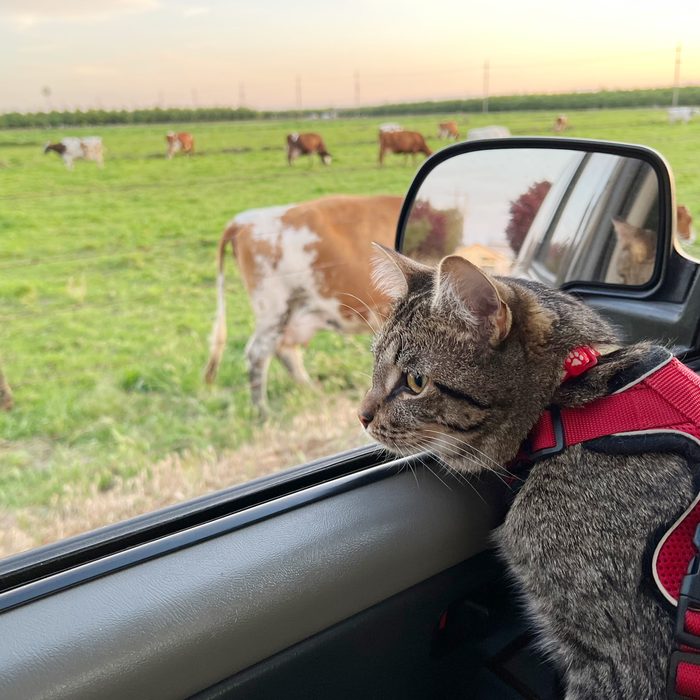
Credit: www.rd.com
Preparing Your Cat For The Journey
Traveling 24 hours with a cat needs careful preparation. Your cat feels safe in familiar spaces. Preparing your cat before the trip reduces stress. It helps your cat stay calm and happy. The journey will be easier for both of you.
Choosing The Right Carrier
Pick a carrier that fits your cat well. It should be big enough to move. Look for a sturdy carrier with good ventilation. A carrier with a soft bottom keeps your cat comfortable. Make sure the carrier has secure locks. Your cat must not escape during travel.
Acclimating Your Cat To The Carrier
Let your cat explore the carrier at home first. Place treats and toys inside the carrier. Leave the door open so your cat can enter freely. Spend time near the carrier to make it familiar. Practice short trips in the carrier before the long journey. This builds your cat’s trust and confidence.
Packing Essentials For Your Cat
Bring food and water for the entire trip. Pack your cat’s favorite treats to keep it calm. Carry a small bowl for feeding and drinking. Bring a soft blanket or towel with your cat’s scent. Include litter and a portable litter box. Don’t forget any medicine your cat needs.
Planning The Trip Logistics
Planning the trip logistics is key to a smooth 24-hour travel with your cat. Careful preparation helps reduce stress for both you and your pet. This section covers important steps to make the journey easier and safer.
Scheduling Breaks And Feeding Times
Set a clear schedule for breaks during the trip. Cats need time to stretch and use the litter box. Plan feeding times to keep your cat comfortable and calm. Avoid feeding right before travel to prevent nausea. Small, frequent meals work best during long trips.
Selecting Cat-friendly Accommodations
Choose places that welcome pets without extra hassle. Look for quiet, safe rooms with enough space for your cat. Verify if they allow cats and offer pet amenities. Bring familiar items like a blanket or toy to make your cat feel at home.
Traveling By Car Vs. Plane
Car travel gives more control and flexibility for breaks. Your cat stays closer to you in a familiar environment. Plan routes with pet-friendly stops. Plane travel is faster but can be stressful for cats. Prepare documents and check airline pet policies before booking. Use a secure carrier that fits under the seat.
Managing Your Cat’s Comfort During Travel
Traveling for 24 hours with a cat needs careful planning. Comfort is key to keep your cat calm and happy. This section covers ways to manage your cat’s comfort during the journey. Small steps make a big difference.
Maintaining A Calm Environment
Keep the travel space quiet and peaceful. Loud noises or sudden movements can scare your cat. Use a soft blanket or familiar bedding inside the carrier. It helps your cat feel safe and relaxed. Avoid bright lights and strong smells. They can stress your cat during travel.
Keeping Your Cat Hydrated And Fed
Offer water regularly to keep your cat hydrated. Use a spill-proof bowl to avoid messes. Feed small portions of food at usual times. Avoid giving too much food to prevent upset stomach. A light meal keeps your cat comfortable and calm.
Using Calming Aids And Toys
Bring your cat’s favorite toy to reduce anxiety. Soft toys or small blankets work well. Consider calming sprays or pheromone diffusers made for cats. These products help soothe nervous cats naturally. Use them before and during travel for best effects.
Handling Emergencies And Health Concerns
Traveling 24 hours with a cat requires careful attention to their health. Emergencies can happen anytime. Knowing how to handle these moments keeps your cat safe and calm. Preparation and quick action make a big difference.
Recognizing Signs Of Stress Or Illness
Watch your cat closely for changes in behavior. Panting, hiding, or excessive meowing shows stress. Loss of appetite or vomiting can signal illness. Sudden lethargy or shaking also needs attention. Early detection helps prevent serious problems.
Accessing Veterinary Care On The Road
Plan your route with vet clinics in mind. Use apps or maps to find nearby animal hospitals. Keep emergency numbers saved on your phone. Ask locals or hotel staff for vet recommendations. Act fast if your cat shows severe symptoms.
Preparing An Emergency Kit
Pack a kit with essentials for your cat’s health. Include any prescribed medicines and a first aid guide. Bring bandages, tweezers, and antiseptic wipes. Add a digital thermometer and extra water. Keep the kit easy to reach during travel.
Settling Your Cat After The Trip
After a long 24-hour trip with your cat, settling them back into their home is very important. Travel can be stressful for cats, and they need time to adjust. Helping them feel safe and calm will make the transition easier. Watch their behavior closely and offer comfort to reduce anxiety.
Creating A Comfortable Space
Prepare a quiet, cozy area for your cat to rest. Use their favorite bed or blanket. Keep this space away from loud noises and busy areas. Place food, water, and litter nearby to avoid stress. Let your cat explore the space at their own pace. Familiar scents help cats feel secure.
Reestablishing Routine
Bring back your cat’s normal daily schedule quickly. Feed meals at the usual times. Keep playtime and grooming consistent. Cats feel safe with a steady routine. Avoid sudden changes in their environment or habits. Routine helps them regain a sense of normalcy after travel.
Monitoring Behavior And Health
Observe your cat closely for any signs of stress or illness. Watch for changes in appetite, energy, or bathroom habits. Look for hiding, excessive meowing, or aggression. These can signal discomfort or anxiety. Contact a vet if you notice any unusual behavior. Early care ensures your cat stays healthy after the trip.

Credit: www.rd.com
Credit: www.businessinsider.com
Frequently Asked Questions
How To Prepare A Cat For 24-hour Travel?
Start by visiting the vet for a health check. Use a comfortable carrier. Bring familiar toys and blankets. Offer food and water before the trip. Plan breaks for your cat to relax and hydrate during the journey.
What Essentials To Pack For Traveling With A Cat?
Pack your cat’s food, water, and bowls. Bring a litter box and scoop. Include toys, a leash, and a first-aid kit. Don’t forget your cat’s medical records and identification tags. Keep calming sprays or treats handy to reduce stress.
How To Keep A Cat Calm During Long Travel?
Use a cozy carrier with soft bedding. Play calming music or use pheromone sprays. Speak softly and avoid sudden movements. Offer treats and toys to distract your cat. Take regular breaks to let your cat stretch safely.
Can Cats Eat During 24-hour Trips?
Offer small meals before the trip and during stops. Avoid feeding large amounts to prevent motion sickness. Bring familiar food and treats to keep your cat comfortable. Always provide fresh water to keep your cat hydrated.
Conclusion
Traveling 24 hours with a cat can be smooth and stress-free. Plan ahead, pack essentials, and keep your cat comfortable. Take breaks for water and calm moments. Watch your cat’s behavior and respond kindly. Stay calm yourself; your cat will feel safer.
Enjoy the journey and create good memories together. With care and patience, long trips become easier for both of you. Safe travels!