

Traveling by plane with your cat can feel overwhelming. You want to make sure your furry friend stays safe, calm, and comfortable throughout the trip.
But where do you start? What should you pack? How do you handle the airport and the flight itself? If you’ve ever worried about flying with your cat, this guide is for you. Keep reading, and you’ll discover simple, effective tips that make traveling with your cat easier than you ever thought possible.
Your next adventure with your feline companion is about to get a whole lot smoother.
Credit: www.rd.com
Preparing Your Cat For Air Travel
Preparing your cat for air travel requires careful planning. Cats feel safe in familiar spaces. Help your cat adjust before the flight. This reduces stress and makes the trip smoother.
Choosing The Right Carrier
Select a carrier that fits airline rules. The carrier should be sturdy and well-ventilated. Your cat must stand and turn inside it. Soft-sided carriers often fit under airplane seats better. Check the size carefully to keep your cat comfortable.
Familiarizing Your Cat With The Carrier
Visit To The Veterinarian
Schedule a vet visit before the trip. Make sure your cat is healthy for travel. Ask about vaccinations and travel certificates. Discuss calming options if your cat gets anxious. Keep all medical records handy during travel.
Packing Essentials For Your Cat
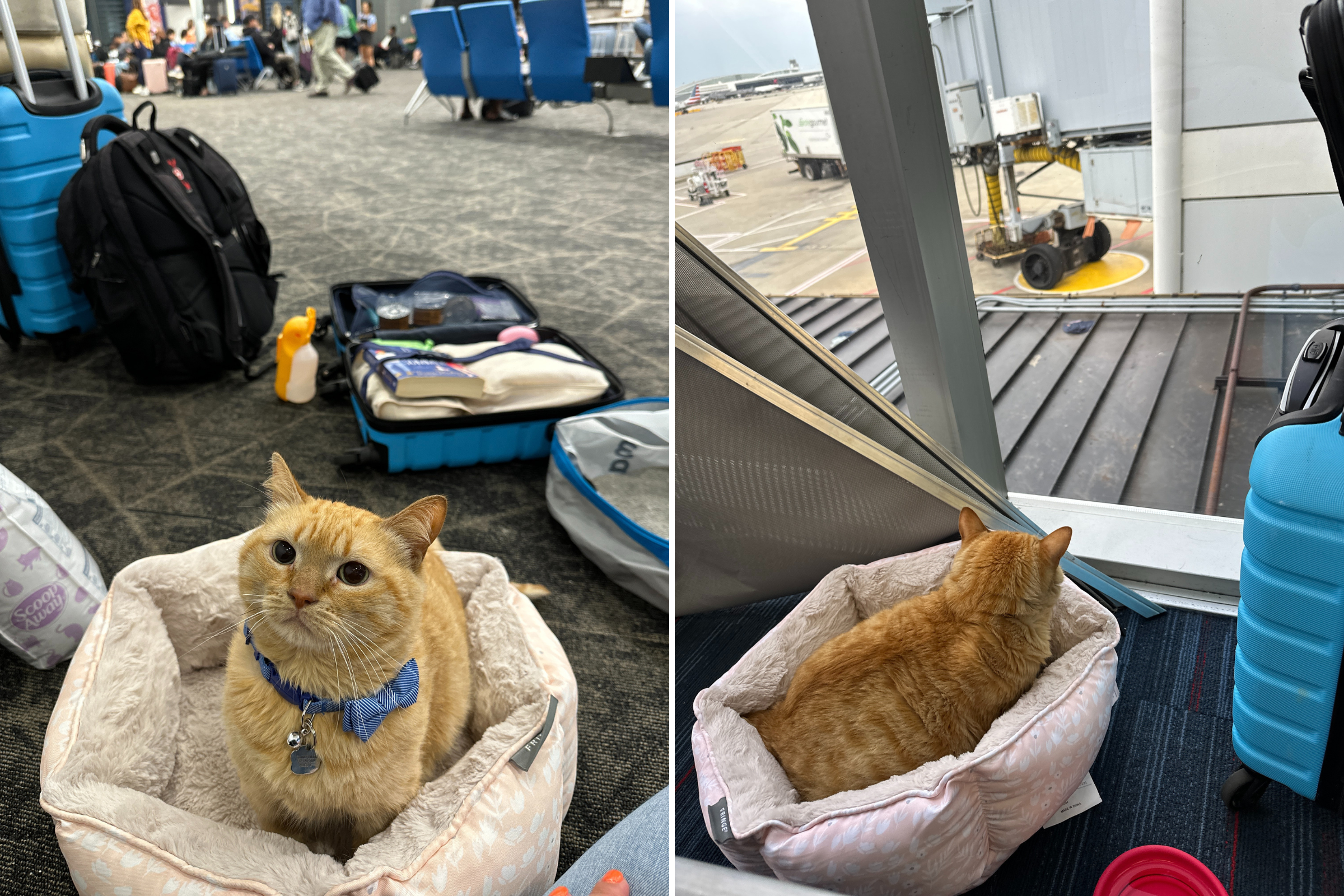
Bring food and water for the journey. Pack extra bowls and some treats. Include a leash or harness for safety. Carry waste bags and cleaning wipes. Have a favorite toy or blanket to comfort your cat. Prepare for any delays with extra supplies.
Credit: www.newsweek.com
Booking Your Flight
Booking a flight with your cat needs careful planning. It can make your trip smooth and stress-free. Knowing the right steps helps you avoid last-minute problems. Start by choosing the right airline and understanding their rules. Pick a flight time that suits your cat’s comfort. Finally, reserve your cat’s spot early to secure space. These steps keep your pet safe and happy during travel.
Selecting Pet-friendly Airlines
Not all airlines accept pets on board. Some allow cats only in the cabin. Others require pets to travel as cargo. Check each airline’s pet policy before booking. Choose an airline known for good pet care. This ensures your cat gets proper attention and comfort.
Understanding Airline Pet Policies
Every airline has different rules for pets. They set limits on carrier size and weight. Some require health certificates or vaccinations. Fees for pet travel vary too. Read the rules carefully to avoid surprises at the airport. Follow all guidelines to keep your cat safe.
Choosing The Best Flight Time
Pick a flight time with less crowd and noise. Early morning or late evening flights are often quieter. Shorter flights reduce your cat’s stress. Avoid peak travel hours to keep calm surroundings. Your cat will feel more comfortable in a calm cabin.
Reserving Your Cat’s Spot
Many airlines limit the number of pets per flight. Book your cat’s spot as soon as possible. Call the airline to confirm pet availability. Don’t wait until the last minute. Early reservation secures your place and reduces travel worries.
Day Of Travel Tips
Travel day can be stressful for both you and your cat. Careful planning helps keep your cat calm and safe. Focus on simple actions that reduce stress and make the journey smooth.
Follow these tips to ensure your cat feels comfortable from home to plane seat.
Feeding And Hydration Guidelines
Feed your cat a small meal a few hours before travel. Avoid heavy food right before the trip to prevent upset stomach. Offer fresh water often but limit it just before boarding. Keep a water bottle handy during the flight to keep your cat hydrated.
Calming Your Cat Before The Flight
Use a familiar blanket or toy inside the carrier for comfort. Speak softly to your cat to ease anxiety. Keep your cat in the carrier until you board to avoid sudden stress. Try natural calming sprays or pheromones approved by your vet.
Airport Security Procedures
At security, remove your cat from the carrier calmly. Carry your cat through the metal detector while the carrier goes through the scanner. Hold your cat securely and avoid sudden movements. Have all documents ready to speed up the process.
Handling Layovers And Delays
Find a quiet spot to rest during layovers. Keep your cat inside the carrier to prevent escapes. Check on your cat often to ensure comfort. Bring extra water and snacks in case of delays.
Credit: petloungecr.com
In-flight Care For Your Cat
Taking your cat on a plane requires special care during the flight. Cats can feel scared or uneasy in new places. Preparing for their comfort helps them stay calm and safe. Focus on simple steps to reduce stress and keep your cat happy in the air.
Keeping Your Cat Comfortable
Bring a soft blanket or towel your cat knows. Place it inside the carrier for a cozy space. Keep the carrier secured under the seat. Avoid opening it during the flight. Speak in a gentle voice if your cat seems nervous. Offer a small toy to keep them calm.
Managing Noise And Stress
Planes are noisy, which can scare cats. Cover the carrier with a light cloth to block some sound. Use calming pheromone sprays designed for cats. Avoid loud conversations or sudden movements near your cat. Stay close and reassure them with soft words.
Dealing With Motion Sickness
Some cats may feel sick during the flight. Limit food a few hours before travel to prevent nausea. Offer water in small amounts during the trip. Watch for signs like drooling or restlessness. Consult your vet about mild motion sickness remedies if needed.
Interacting With Flight Crew
Inform the flight crew that you have a cat onboard. Ask for help if you need to calm your pet. Be polite and clear about your cat’s needs. Flight attendants understand pet travel rules and can assist. Keep your cat’s carrier easily accessible in case of emergency.
After The Flight
After the flight, your cat needs time to recover and feel safe again. The journey can be stressful. Your cat may act differently for a while. Patience and care help your cat adjust to the new surroundings.
Helping Your Cat Adjust
Give your cat a quiet space to relax. Avoid loud noises and sudden movements. Let your cat explore slowly. Keep familiar items nearby, like a favorite blanket or toy. Speak softly and offer gentle pets if your cat allows. Watch for signs of stress, such as hiding or excessive meowing. Offer food and water, but do not force your cat to eat right away.
Post-travel Health Check
Check your cat for any injuries or discomfort. Look for cuts, swelling, or signs of illness. Monitor your cat’s breathing and energy levels. If you notice unusual behavior, contact a vet quickly. It is normal for cats to feel tired, but severe lethargy needs attention. Keep your cat indoors for a few days to monitor health closely.
Settling Into The New Environment
Introduce your cat to the new home slowly. Start with one room and let your cat explore at their own pace. Provide a clean litter box and fresh water. Place food in a quiet area. Keep a daily routine for feeding and playtime. This routine helps your cat feel secure. Avoid bringing new pets or visitors until your cat feels comfortable.
Tips For Long-term Air Travel With Cats
Traveling long distances with a cat needs careful planning. Cats can get stressed on planes. Making the trip smooth helps your cat stay calm and safe.
Small steps before and during the flight can make a big difference. Learn the best ways to prepare your cat for long air travel.
Frequent Flyer Cats
Some cats travel often with their owners. These cats get used to the sights and sounds of airports and airplanes. Practice short trips in a carrier at home. This helps your cat feel safe in small spaces. Try taking your cat on car rides too. The more your cat travels, the less scared it becomes.
Using Sedatives Safely
Sedatives can calm very nervous cats. Always talk to a vet before giving any medicine. Use only vet-approved sedatives. Dosage depends on your cat’s size and health. Avoid sedatives that make your cat too sleepy. A calm but alert cat handles travel better. Never give sedatives without professional advice.
Travel Accessories To Consider
Choose a strong and well-ventilated carrier. Soft carriers are good for small cats. Add a familiar blanket or toy inside. This gives comfort and a sense of home. Use absorbent pads in the carrier for accidents. A water bottle designed for pets helps keep your cat hydrated. Try a calming spray or pheromone diffuser. These can reduce anxiety during the flight.
Frequently Asked Questions
How Do I Prepare My Cat For Plane Travel?
Start by acclimating your cat to the carrier days before travel. Visit the vet for a health check and vaccinations. Pack familiar items like a blanket or toy to reduce stress during the flight.
What Are Airline Pet Policies For Flying Cats?
Airline pet policies vary. Check rules on carrier size, fees, and documentation. Some airlines allow cats in the cabin, others require cargo travel. Always book your pet’s spot in advance.
Can I Bring My Cat In The Cabin On A Plane?
Most airlines allow small cats in the cabin if they fit in an approved carrier under the seat. Confirm size limits and fees before booking. Keep your cat calm and secure during the flight.
What Documents Do I Need To Fly With A Cat?
You typically need a recent health certificate and proof of vaccinations. Some destinations require additional permits or microchipping. Check both airline and destination country regulations before travel.
Conclusion
Traveling by plane with your cat can be smooth and safe. Prepare your cat well before the trip. Use a comfortable carrier that fits airline rules. Keep your cat calm with familiar items inside the carrier. Check airline policies and health requirements early.
Plan your trip to avoid stress for your pet. Small steps make a big difference in your cat’s travel experience. Enjoy your journey together with peace of mind. Safe travels!