

Traveling with your cat can feel like a challenge. You want to take your furry friend along, but the thought of their stress and discomfort worries you.
What if your cat hides, meows nonstop, or refuses to settle down? You’re not alone in this. The good news is, you can help your cat feel calm and safe during trips. This guide will show you simple, proven steps to make travel a better experience for both of you.
Keep reading to discover how to turn travel time into a smooth, stress-free adventure for your beloved cat.
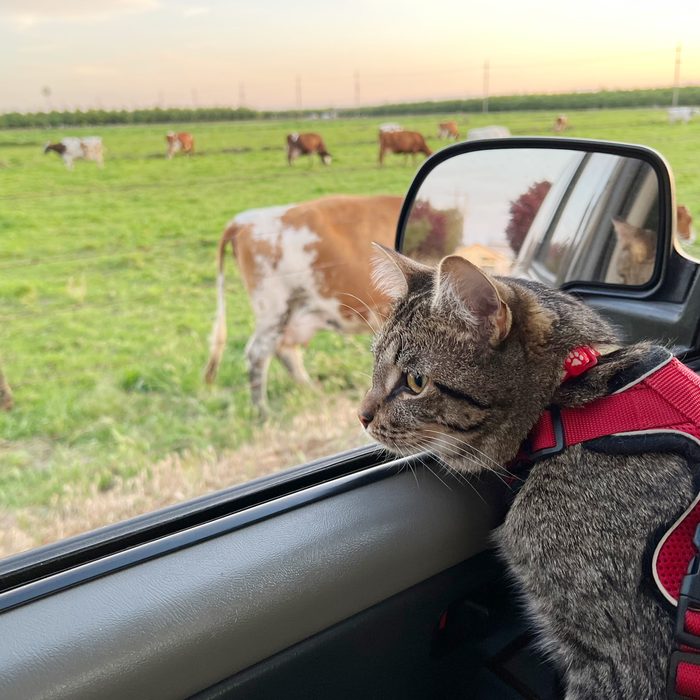
Credit: www.rd.com
Preparing Your Cat For Travel
Preparing your cat for travel helps reduce stress during the trip. Cats feel safer in familiar spaces. Getting ready ahead makes the journey smoother for both of you.
Choosing The Right Carrier
Pick a carrier that fits your cat comfortably. It should be large enough to allow movement. Look for one with good ventilation and a secure door. A soft, padded bottom helps your cat relax. Carriers with handles or wheels ease carrying and transport.
Familiarizing Your Cat With The Carrier
Place the carrier in a common area at home. Leave the door open so your cat can explore. Put treats or toys inside to encourage entry. Spend time near the carrier, speaking softly to your cat. Practice short trips in the carrier before the main travel day.
Packing Essentials For The Trip
Bring your cat’s favorite blanket or bedding for comfort. Pack food, water, and bowls for feeding during stops. Carry a leash or harness in case your cat needs a break. Include waste bags and cleaning wipes for accidents. Keep any medications or health records handy.
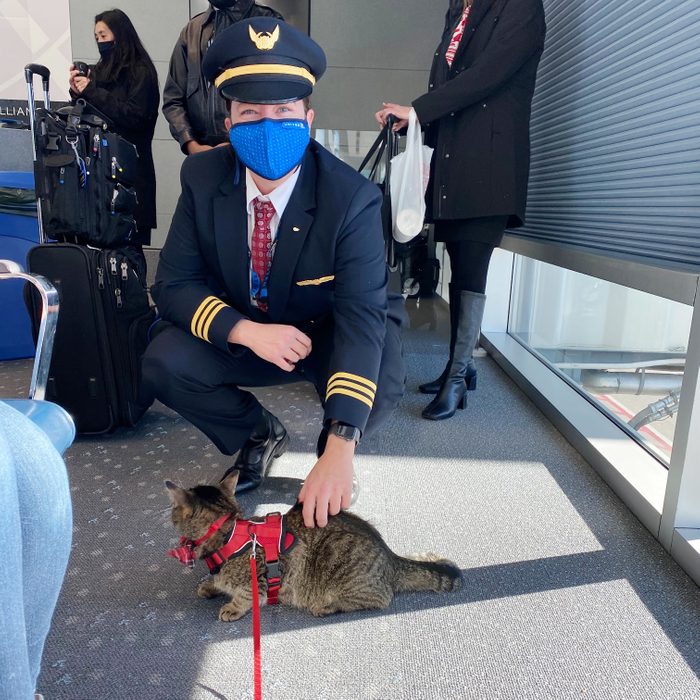
Credit: www.rd.com
Building Travel Confidence
Building travel confidence in your cat helps reduce stress and fear. It makes trips smoother for both of you. Start slow and gentle. Let your cat get used to the carrier and car sounds. Practice often but keep sessions short. Praise and calm your cat during these times.
Short Practice Trips
Begin with very short trips around your home or neighborhood. Let your cat stay in the carrier and take a few minutes of driving. Stop at a safe place and let your cat relax. Repeat this several times over days. Short trips help your cat learn the car is not scary.
Using Positive Reinforcement
Reward your cat with treats and gentle petting. Praise your cat softly when calm and quiet. Use favorite toys to keep your cat happy. Avoid forcing your cat to enter the carrier. Let your cat enter at its own pace. Positive moments build trust and reduce anxiety.
Calming Products And Aids
Try using calming sprays or diffusers made for cats. These products release scents that help cats relax. Place a soft blanket in the carrier for comfort. You can use calming collars or natural supplements too. Check with your vet before trying new products. These aids can ease your cat’s nerves during travel.
Safe And Comfortable Travel Techniques
Traveling with your cat can be stressful for both of you. Using safe and comfortable travel techniques helps your cat feel secure. It also makes the trip easier and more enjoyable. Small steps create a calm journey and build trust.
Focus on the travel environment, your cat’s comfort, and their health. These factors reduce stress and prevent problems. Planning ahead helps your cat adapt to new experiences.
Setting Up The Vehicle
Choose a quiet spot in the car for your cat’s carrier. Place the carrier on a flat surface, like the floor behind the front seat. Secure it with a seatbelt or straps to stop movement. Add a soft blanket or towel inside for comfort. Let your cat see outside through the carrier’s mesh. This reduces fear and curiosity.
Maintaining A Calm Environment
Keep the car temperature cool and steady. Avoid loud music or sudden noises. Speak softly to your cat during the trip. Use familiar items like toys or blankets inside the carrier. These give a sense of safety. Take breaks on long drives for water and rest. Quiet moments help your cat relax.
Handling Motion Sickness
Some cats feel sick from car rides. Watch for drooling, yawning, or restlessness. Limit food before travel to reduce nausea. Offer small water sips during breaks. Talk to your vet about safe remedies. Natural options or medications may help. Comfort your cat with gentle petting if they feel uneasy.
Managing Stress During Travel
Travel can be hard for cats. New places and sounds make them nervous. Managing stress helps your cat feel safer and calmer. It makes travel easier for both of you.
Recognizing Stress Signs
Watch your cat’s body and behavior. Heavy breathing or panting shows stress. Hiding or trying to escape means fear. Meowing loudly or growling signals discomfort. Loss of appetite and drooling are signs too.
Soothing Your Cat On The Go
Speak softly to calm your cat’s nerves. Gentle petting helps if your cat likes touch. Use familiar blankets or toys inside the carrier. Play soft music to cover strange sounds. Keep the carrier stable to avoid shaking.
When To Take Breaks
Stop every hour or two during long trips. Let your cat rest inside the carrier in a quiet spot. Offer water to keep them hydrated. Avoid opening the carrier outside to prevent escapes. Short breaks reduce stress and keep your cat calm.
Post-travel Care
After traveling, your cat needs time and care to feel safe again. Post-travel care helps your cat relax and return to normal. Small steps can make a big difference in your cat’s comfort and health.
Helping Your Cat Adjust
Let your cat explore its favorite spots at home. Keep the environment quiet and calm. Give your cat some space to hide if it wants. Stay near to offer comfort without pressure. Gradually return to regular play and feeding times.
Monitoring Health After Travel
Watch your cat closely for signs of stress or illness. Check for changes in eating, drinking, or bathroom habits. Look for coughing, sneezing, or unusual behavior. Call the vet if your cat seems sick or weak. Early action helps avoid serious problems.
Rewarding Good Behavior
Give treats or gentle petting when your cat acts calm. Praise your cat softly to build positive feelings. Use favorite toys to encourage happy moments. Rewarding good behavior helps your cat feel safe and loved. Positive experiences make future travel easier.
Credit: www.businessinsider.com
Frequently Asked Questions
How Can I Prepare My Cat For Travel?
Start by familiarizing your cat with the carrier. Use treats and toys inside it. Gradually increase travel time in short trips to reduce anxiety.
What Are The Best Travel Carriers For Cats?
Choose a well-ventilated, secure, and comfortable carrier. Hard-sided carriers offer protection, while soft-sided ones are lightweight and portable.
How Do I Keep My Cat Calm During Travel?
Use calming pheromone sprays and provide familiar blankets or toys. Speak softly and avoid sudden movements to soothe your cat.
When Should I Start Training My Cat For Travel?
Begin training at least a few weeks before the trip. Consistent practice helps your cat adjust and reduces travel stress.
Conclusion
Traveling with your cat can be a smooth experience. Start slow and keep your cat calm. Use familiar items like blankets or toys. Speak softly and offer treats during the trip. Watch your cat’s behavior and adjust as needed. Patience and care help your cat feel safe.
Soon, travel will become less stressful for both of you. Enjoy the journey together, step by step.