
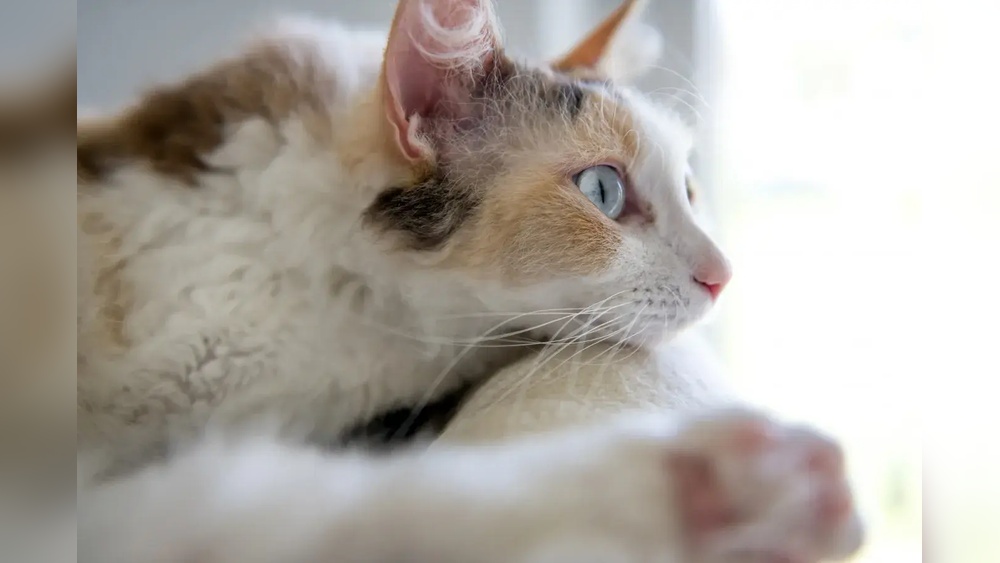
Have you ever wondered which cat breeds are so rare that most people have never even seen them? If you’re curious about unique feline friends that stand out from the crowd, you’re in the right place.
Discovering the rarest cat breeds isn’t just about their looks—it’s about their stories, personalities, and what makes them truly special. By the end of this article, you’ll know exactly which cats are the hidden gems of the cat world. Ready to meet your next extraordinary companion?
Keep reading!

Credit: www.yahoo.com
Rare Cat Breeds Around The World
Rare cat breeds fascinate pet lovers worldwide. These cats have special traits that make them stand out. Some breeds are rare due to their unique history. Others have unusual looks or face threats to their survival. Exploring these cats reveals a mix of nature, culture, and care. Each breed tells a story worth knowing.
Cats With Unique Origins
Some rare cats come from unexpected places. The Sokoke cat, from Kenya, is known for its wild appearance. The Kurilian Bobtail from Russia has a short, bobbed tail like a wildcat. These breeds show how cats adapt to local environments. Their origins make them special and different from common cats.
Breeds On The Brink
Certain cat breeds face the risk of disappearing. The Ashera cat is very rare and hard to find. The Turkish Van has a small population but a strong fan base. These breeds need protection and responsible breeding. Their rarity makes them precious to cat enthusiasts.
Exotic Feline Characteristics
Rare breeds often have striking features. The Peterbald cat is known for its hairless or short coat. The Serengeti cat looks like a wild leopard but is friendly at home. These cats attract attention with their unique looks. Their exotic traits add to their charm.
Uncommon Physical Traits
Rare cat breeds show many unique physical traits. These traits make them stand out from common cats. Their looks often surprise cat lovers and experts alike. Unusual features can include coat, eyes, size, and body shape. These traits often link to their special origins and history.
Distinctive Coats And Patterns
Rare cats often have coats unlike typical cats. Some have curly or wavy fur. Others show unusual colors like chocolate or lavender. Patterns can be spotted, striped, or even marbled. Some breeds have very short or very long hair. These special coats need care but add charm.
Eye Colors And Shapes
Eye colors in rare cats vary widely. Some have deep blue eyes that shine brightly. Others may have green, amber, or even odd-colored eyes. Eye shapes can be round, almond, or slightly slanted. These features give cats a mysterious or exotic look. Eye traits often reflect their breed’s background.
Size And Body Structure
Rare cat breeds can differ in size a lot. Some are very small and delicate. Others grow large and muscular. Body shapes range from slim and long to stocky and compact. Legs may be short or long. These differences affect how cats move and play.
Notable Rare Cat Breeds
Rare cat breeds catch attention with their unique looks and traits. These cats are not common and have special histories. They often come from limited regions or special breeding. Many cat lovers find these breeds fascinating and want to learn more about them.
Each rare breed has its own story. Some have unusual fur patterns. Others have distinct body shapes or behaviors. These features make them stand out from regular cats. Discover some notable rare cat breeds below.
The Sokoke
The Sokoke is a wild-looking breed from Kenya. It has a short, spotted coat and long legs. This cat is active and loves to climb. Its pattern resembles a wild cat’s camouflage. The Sokoke is gentle with family but shy with strangers.
The Kurilian Bobtail
The Kurilian Bobtail comes from Russia and Japan. It has a short, fluffy tail like a bobcat. This breed is strong and playful. It enjoys water and can swim well. Kurilian Bobtails are smart and loyal companions.
The Serengeti
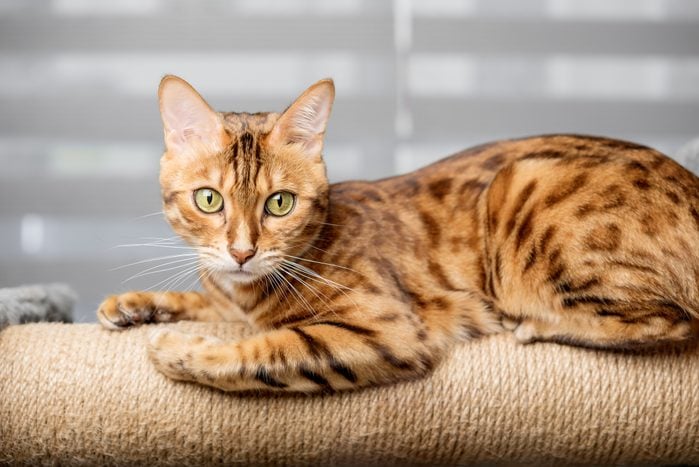
The Serengeti cat looks like a small wild leopard. It has large ears and long legs. This breed was created to mimic the wild African cat. Serengetis are energetic and love to jump high. They are friendly and enjoy human company.
The Peterbald
The Peterbald is a slim, hairless cat from Russia. It has large ears and almond-shaped eyes. This breed is very affectionate and social. Peterbalds like being around people and other pets. Their soft skin feels warm and smooth to touch.
The Chausie
The Chausie is a hybrid of a wild cat and domestic cat. It has a sleek body and spotted coat. This breed is very active and curious. Chausies enjoy playing and exploring outdoors. They bond closely with their owners and stay loyal.
Credit: www.rd.com
Care Tips For Rare Cats
Rare cat breeds need special care to stay happy and healthy. Their unique traits require attention to diet, health, and environment. Understanding these needs helps them live longer and better lives.
Each rare breed may have specific requirements. Learning about these helps avoid common problems and keeps your cat comfortable.
Dietary Needs
Rare cats often need high-quality food. Protein-rich diets support their muscle health. Some breeds may have sensitive stomachs. Choose food that is easy to digest. Fresh water should always be available. Avoid feeding them too many treats or human food. Balanced nutrition keeps their coat shiny and energy high.
Health Concerns
Regular vet check-ups catch health problems early. Rare breeds can have genetic conditions. Watch for signs like changes in appetite or behavior. Vaccinations and parasite control are important. Keep their teeth clean to prevent infections. Exercise helps maintain a healthy weight. Early care boosts their lifespan and quality of life.
Social And Environmental Needs
Rare cats may need gentle social interaction. Some breeds prefer quiet, calm homes. Provide cozy spaces for rest and privacy. Toys and scratching posts keep them active. Avoid loud noises and sudden changes. A stable environment reduces stress. Time and patience build trust with your cat.
Finding And Adopting Rare Cats
Finding and adopting rare cats can be a rewarding experience. These unique breeds bring special traits and personalities to a home. It takes patience and care to find the right rare cat. Understanding the process helps ensure a happy match for both owner and pet.
Rare cats often require more attention and special care. Knowing where and how to adopt one is important. This section guides you through finding trustworthy sources and ethical choices.
Locating Reputable Breeders
Start by researching breeders who specialize in rare cat breeds. Check their reputation through reviews and cat associations. A good breeder will provide health records and care information. Visit their facilities if possible. This shows how they treat their cats. Avoid breeders who cannot answer your questions or hide their practices.
Adoption Vs. Purchase
Decide if you want to adopt or buy a rare cat. Adoption helps cats in need and supports shelters. Buying from a breeder often guarantees specific breed traits. Both options require careful thought. Consider your budget, time, and lifestyle before choosing. Always prioritize the cat’s well-being over convenience.
Legal And Ethical Considerations
Know the laws about owning rare cat breeds in your area. Some breeds may be restricted or require permits. Ethical adoption means avoiding illegal breeding or trafficking. Ensure the cat’s origin is legal and humane. Respect animal welfare rules to protect rare cats and yourself. Responsible ownership begins with informed decisions.
Credit: www.purina.com
Frequently Asked Questions
What Defines A Cat Breed As Rare?
A cat breed is rare due to its low population and limited geographic presence. These breeds often have unique traits and are less commonly found in homes or shelters worldwide.
Which Cat Breeds Are Considered The Rarest?
Some of the rarest cat breeds include the Sokoke, Turkish Van, and Peterbald. These cats have distinct appearances and personalities that make them highly sought after by enthusiasts.
Why Are Rare Cat Breeds Expensive To Own?
Rare cat breeds cost more due to limited availability and breeding difficulty. Their specialized care and unique traits also contribute to higher prices and maintenance expenses.
How Can I Identify A Rare Cat Breed?
Look for uncommon physical traits, unique coat patterns, and breed-specific behaviors. Consulting breed registries and professional breeders can help confirm if a cat is a rare breed.
Conclusion
Rare cat breeds bring unique beauty and charm to the pet world. Each breed has special traits that make it stand out. These cats are often hard to find and need extra care. Knowing about them helps us appreciate their value.
Whether for love or curiosity, rare cats fascinate many people. They remind us how diverse and wonderful the cat family is. Keep exploring to discover more about these special companions.