
Are you tired of dealing with unexpected litters of kittens or worried about your cat’s health? Learning how to stop cats from breeding is key to taking control of the situation.
Whether you have outdoor cats, strays, or your own pets, understanding simple and effective ways to prevent breeding can save you time, money, and stress. Keep reading to discover practical tips that will help you protect your cats and keep your home peaceful.
Reasons To Control Cat Breeding
Controlling cat breeding is important for many reasons. It helps keep cats healthy and safe. It also protects the community and the environment. Understanding these reasons can motivate people to take action.
Overpopulation Issues
Too many cats cause serious problems. Shelters fill up fast with homeless cats. Many cats do not find good homes. This leads to more suffering and early death. Controlling breeding reduces the number of unwanted cats. It helps shelters care for cats better.
Health Risks For Cats
Uncontrolled breeding can harm cats’ health. Some cats get sick from pregnancy and birth. They can pass diseases to their kittens. Many kittens have weak immune systems. Spaying and neutering protect cats from these risks. It also stops some cancers and infections.
Community Impact
Too many stray cats affect neighborhoods. They can make noise and cause messes. Cats may fight, leading to injuries and noise. People may feel unsafe or annoyed. Controlling breeding keeps cat numbers steady. This helps communities stay peaceful and clean.
Credit: www.kinship.com
Spaying And Neutering Benefits
Spaying and neutering are key steps to stop cats from breeding. These procedures help control the cat population. They also bring many benefits for the cat’s health and behavior. Understanding these benefits shows why spaying and neutering matter.
Long-term Solutions
Spaying and neutering prevent unwanted litters. This helps reduce stray and homeless cats. Fewer kittens mean fewer cats without homes. It lowers the chance of overcrowded shelters. This is a lasting way to manage cat numbers.
Health Improvements
Spayed and neutered cats live healthier lives. The risk of certain cancers drops sharply. Females avoid uterine infections and breast tumors. Males are less likely to get prostate issues. These surgeries also prevent some serious diseases.
Behavioral Changes
Neutered cats are calmer and less aggressive. They roam less and spray less urine. Spayed females avoid heat cycles, reducing yowling and restlessness. These changes make cats easier to live with. Spaying and neutering improve their overall behavior.
Identifying Signs Of Heat In Cats
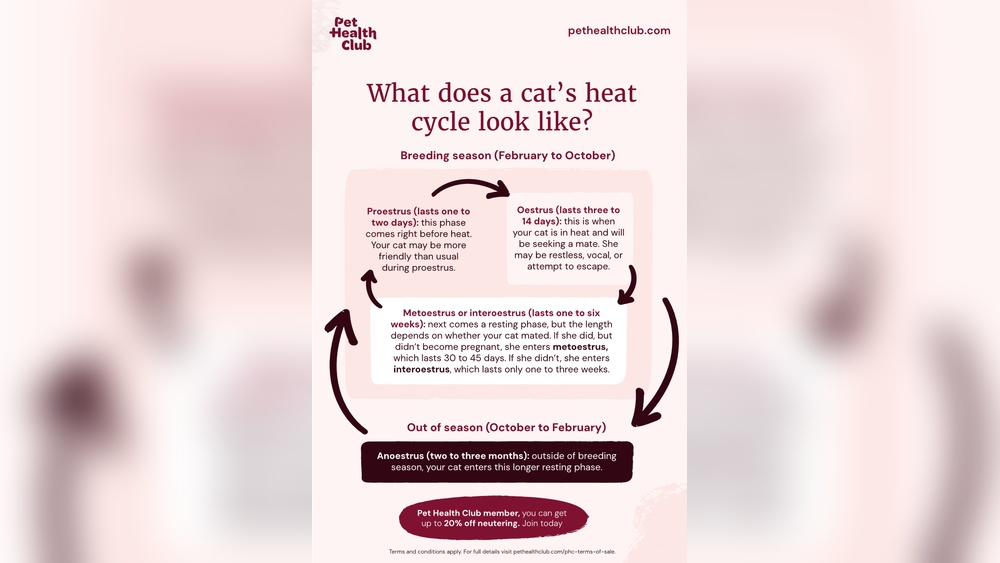
Knowing the signs of heat in cats helps prevent unwanted breeding. Female cats show clear signals when they are ready to mate. Recognizing these signs early can help control their behavior and reduce stress for both the cat and owner.
Behavioral Clues
Cats in heat often act very different from normal. They become more vocal, making loud, persistent noises. This is their way to attract mates. They also become restless and may pace or rub against furniture.
Some cats show extra affection, rubbing their head and body on people or objects. Others might try to escape outside to find a mate. Many cats roll on the floor and raise their hindquarters as a sign of readiness.
Physical Symptoms
Physical changes are easy to spot in cats during heat. The cat’s vulva may look swollen or red. This happens as the body prepares for mating.
Some cats may have a clear discharge from the vulva. Their tail position changes, often held to the side. These signs confirm the cat is in heat and ready to breed.
Immediate Steps To Prevent Breeding
Stopping cats from breeding fast needs clear, simple steps. Acting quickly can avoid unwanted litters and stress. These immediate actions help control and manage your cats safely. They also keep cats calm and reduce chances of mating.
Separating Cats
Keep male and female cats apart at all times. Use separate rooms or cages if needed. Close doors and block any small spaces between them. This stops physical contact and mating attempts. Make sure each cat has food, water, and a litter box.
Supervised Outdoor Time
Let cats outside only under your watch. Keep them on a leash or in a secure area. Avoid letting them roam freely where other cats live. Supervision stops unexpected meetings and fights. Outdoor time gives exercise without breeding risks.
Using Deterrents
Use safe sprays or devices to keep cats apart. Citrus scents and commercial cat repellents work well. Place deterrents near doors or windows. Avoid strong chemicals that harm cats. These tools discourage cats from approaching each other.
Safe Alternatives To Surgery
Stopping cats from breeding is important for their health and controlling stray populations. Surgery is the most common way, but some pet owners want other options. Safe alternatives to surgery can help manage breeding without permanent changes. These methods offer temporary or less invasive solutions.
Hormonal Treatments
Hormonal treatments control cat reproduction without surgery. They use medicines to stop heat cycles and prevent pregnancy. These treatments work by changing hormone levels in the cat’s body. They need to be given regularly for best results. Some options include injections or pills. Hormonal treatments may have side effects like weight gain or mood changes. Always consult a vet before starting any hormonal method.
Temporary Methods
Temporary methods give short-term control over cat breeding. They include devices or techniques that block mating or pregnancy for a limited time. One example is hormone implants that release medicine slowly. These implants last a few months and then need replacement. Another method is behavioral control by separating males and females. These methods require careful monitoring and repeat use. Temporary methods suit cats that cannot undergo surgery yet.

Credit: www.reddit.com
Managing Outdoor And Stray Cats
Managing outdoor and stray cats is important to control their population. These cats often do not have homes and can breed quickly. This leads to more stray cats on the streets. Controlling their numbers helps keep them healthy and reduces problems for neighborhoods.
There are effective ways to manage outdoor and stray cats. Two key methods include trap-neuter-return programs and community involvement. Both help stop cats from breeding and improve their lives.
Trap-neuter-return Programs
Trap-neuter-return (TNR) programs catch stray cats safely. Volunteers trap the cats using humane methods. Then, veterinarians neuter or spay the cats. After recovery, the cats return to their original outdoor locations.
TNR stops cats from having more kittens. It also reduces fighting and loud mating noises. Neutered cats live healthier lives and roam less. This method slowly lowers the stray cat population over time.
Community Involvement
Community support is key in managing outdoor cats. People can help by reporting stray cat colonies. Volunteers can assist in trapping and caring for cats after surgery. Neighbors can provide food and shelter safely.
Education is important. Teaching others about TNR and responsible pet ownership helps. Communities working together create a safer, cleaner environment for people and cats.
Preventing Future Litters
Preventing future litters is key to controlling the cat population. It helps reduce stray cats and lowers shelter intake. Responsible pet care starts with stopping unplanned breeding. This section covers simple steps to keep cats from having unwanted kittens.
Regular Vet Checkups
Taking cats to the vet regularly keeps them healthy. Vets can spot signs of pregnancy early. They also advise on the best time for spaying or neutering. Regular visits help catch health issues that affect breeding.
Early Spaying And Neutering
Spaying or neutering cats early stops them from reproducing. Most vets recommend surgery before cats reach six months. Early procedures prevent heat cycles and reduce mating behavior. This step is the safest way to stop future litters.
Educating Cat Owners
Teaching owners about cat reproduction helps prevent accidental litters. Owners learn the right age to spay or neuter. They understand the benefits of controlling breeding. Education encourages responsible pet care and fewer unwanted kittens.

Credit: petyaari.com
Frequently Asked Questions
How Can I Prevent My Cat From Breeding Naturally?
Spaying or neutering your cat is the most effective way to prevent natural breeding. It also improves their health and behavior. Avoid letting your cat roam outside unsupervised. Keep males and females separated to reduce accidental mating chances.
When Is The Best Age To Spay Or Neuter Cats?
The ideal age to spay or neuter cats is between 5 to 6 months old. Early surgery prevents unwanted litters and reduces health risks. Consult your veterinarian for personalized advice based on your cat’s breed and health status.
Are There Non-surgical Ways To Stop Cats From Breeding?
Non-surgical options like hormone injections exist but have limited effectiveness and side effects. Spaying or neutering remains the safest, most reliable method to stop breeding. Always discuss alternative methods with your vet before considering them.
What Are The Benefits Of Spaying Or Neutering Cats?
Spaying or neutering helps control the cat population and prevents health issues like cancers. It reduces aggressive and territorial behaviors. These procedures also help your cat live a longer, healthier life.
Conclusion
Stopping cats from breeding helps keep them healthy and safe. Spaying or neutering is the best way to prevent litters. It also reduces stray cat numbers and helps communities. Taking care of your cat means making smart choices. Talk to your vet about the best time to act.
Remember, small steps make a big difference for cats and people. Keep your cat happy and healthy by controlling breeding. It’s a simple, caring way to help pets and your neighborhood.