
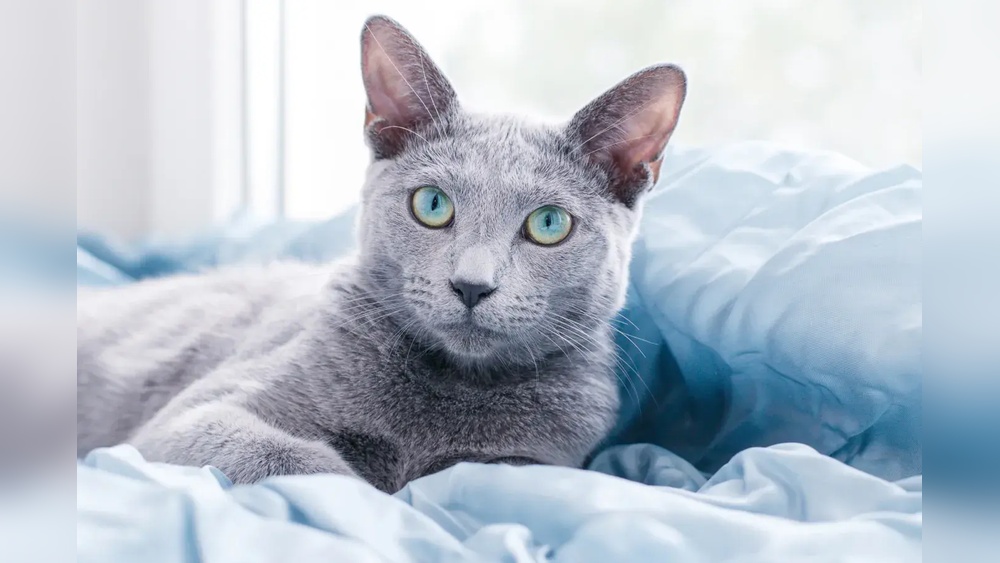
Are you curious about the different types of cats out there? Wondering if certain cat breeds might be the perfect match for your home and lifestyle?
You’re not alone. Understanding cat breeds can help you find a furry friend that fits your personality and needs. You’ll discover the most popular breeds, what makes each one unique, and how to choose the right cat for you. Keep reading to unlock the secrets behind those adorable whiskers and playful paws!
What Makes Cats Hypoallergenic
Many people wonder what makes some cats hypoallergenic. These cats cause fewer allergy problems. Understanding this helps people choose pets wisely. Hypoallergenic cats produce fewer allergy triggers. This can ease symptoms for sensitive individuals. Let’s explore what causes allergies and how some cats affect them less.
Common Allergens In Cats
Cat allergens are mainly proteins. The main allergen is called Fel d 1. It is found in cat saliva and skin. When cats groom, this protein spreads on their fur. Dander, or tiny skin flakes, also carry allergens. These allergens float in the air and stick to surfaces. They can trigger allergic reactions in many people.
How Allergens Affect People
Allergens enter the body through the nose, eyes, or lungs. The immune system reacts strongly to these proteins. This causes allergy symptoms like sneezing, itching, and watery eyes. Some people have mild reactions, while others suffer more. The severity depends on individual sensitivity and allergen amount.
Factors Influencing Allergen Levels
Allergen levels vary by cat breed and individual cats. Some breeds produce less Fel d 1 protein. Hair length and grooming habits also matter. Cats that shed less spread fewer allergens. Male cats usually produce more allergens than females. Neutering can reduce allergen production. Regular cleaning and air filters help lower allergens at home.

Credit: www.embracepetinsurance.com
Popular Hypoallergenic Cat Breeds
Hypoallergenic cat breeds are popular among people with mild allergies. These cats produce fewer allergens than other breeds. This can help reduce allergy symptoms. Many cat lovers choose these breeds for a better pet experience.
Below are some popular hypoallergenic cat breeds. Each has unique traits and charm.
Siberian Cats
Siberian cats have thick, soft fur that traps allergens. They produce less of the Fel d 1 protein. This protein causes allergies in many people. Siberians are friendly and playful. They adapt well to families and homes.
Balinese Cats
Balinese cats have long, silky coats but low allergen levels. Their fur sheds less than other breeds. Balinese cats are intelligent and social. They enjoy attention and love to play.
Devon Rex Cats
Devon Rex cats have curly, thin fur. This reduces the spread of allergens. They are active and affectionate pets. Their unique look makes them stand out in any home.
Cornish Rex Cats
Cornish Rex cats also have curly coats but with shorter hair. Their fur does not trap much dander. These cats are lively and love to explore. They bond closely with their owners.
Sphynx Cats
Sphynx cats are mostly hairless. This greatly lowers allergen exposure. Their skin needs regular care and baths. Sphynx cats are outgoing and enjoy human company. They are perfect for allergy sufferers who want a close pet.
Traits Of Hypoallergenic Cats
Hypoallergenic cats cause fewer allergy problems. People with allergies often want these cats.
These cats have special traits that reduce allergens. Understanding these traits helps in choosing the right pet.
Coat Type And Shedding
Hypoallergenic cats usually have short or fine coats. They shed less fur than other cats.
Less shedding means fewer allergens spread in the air. Some breeds have hair that traps allergens better.
Grooming Habits
These cats groom themselves often. This habit keeps their fur clean and reduces dander.
Regular grooming also means fewer loose hairs. Owners should brush these cats gently to help.
Protein Levels In Saliva
Allergies come from a protein in cat saliva. Hypoallergenic cats produce less of this protein.
This reduces the allergic reaction in sensitive people. It is a key factor in hypoallergenic traits.

Credit: www.womansday.com
Managing Allergies With Cats
Managing allergies while having a cat can be a real challenge. Many people love cats but suffer from allergic reactions. These allergies often come from proteins in cat saliva, skin flakes, and urine. Understanding how to reduce allergens helps create a comfortable home for both you and your cat.
Simple steps in cleaning, air quality, and medication can make a big difference. These methods lower allergen levels and ease symptoms. Let’s explore practical ways to manage allergies with cats.
Cleaning And Home Environment
Regular cleaning removes cat hair and dander from your home. Vacuum carpets and furniture often with a vacuum that has a HEPA filter. Wash your cat’s bedding weekly to reduce allergens. Use damp cloths to wipe surfaces instead of dry dusting. Keep cats out of bedrooms to limit allergen exposure. Grooming your cat daily helps reduce loose fur and dander.
Air Filtration Options
Air purifiers with HEPA filters trap airborne allergens effectively. Place purifiers in rooms where you spend the most time. Change filters regularly to keep them working well. Use exhaust fans in bathrooms and kitchens to improve air flow. Opening windows occasionally helps fresh air circulate. These steps reduce allergens in the air and improve breathing comfort.
Allergy Medications And Treatments
Over-the-counter antihistamines reduce sneezing and itching. Consult a doctor before starting new medications. Allergy shots or immunotherapy may help build tolerance over time. Nasal sprays and eye drops provide quick relief for symptoms. Always follow medical advice to manage allergies safely. Combining treatments with home care improves overall results.
Choosing The Right Cat For Allergy Sufferers
Choosing the right cat is very important for allergy sufferers. Cats can cause allergic reactions in many people. Not all cat breeds affect allergies the same way. Some cats produce fewer allergens. Finding a breed that suits your health helps you enjoy a happy pet.
Testing Allergy Responses
Testing allergy responses helps identify safe cat breeds. Visit a vet or allergist for a skin or blood test. These tests show how your body reacts to cat proteins. Knowing your allergy level guides your choice. Testing first can prevent future health problems.
Spending Time With Different Breeds
Spend time with various cat breeds before adopting. Visit shelters or breeders and observe your reaction. Some cats cause less sneezing or itching. Pay attention to any discomfort or symptoms. This step helps you pick a cat that suits your allergies.
Adoption Tips For Sensitive Individuals
Choose adult cats, as kittens can trigger stronger allergies. Look for breeds known to be hypoallergenic, like Siberian or Balinese. Keep your home clean to reduce allergens. Use air purifiers and wash cat bedding often. These tips make living with cats easier and healthier.

Credit: www.countryliving.com
Frequently Asked Questions
What Are The Most Popular Cat Breeds Worldwide?
Popular cat breeds include Siamese, Persian, Maine Coon, Ragdoll, and Bengal. Each breed has unique traits and personalities.
How Do Cat Breeds Differ In Personality?
Cat breeds vary in temperament; some are affectionate, others independent. Breed traits help predict behavior and care needs.
Can Cat Breed Affect Health Issues?
Yes, certain breeds are prone to specific health problems. Knowing breed-related risks helps in better pet care.
Are There Hypoallergenic Cat Breeds?
Yes, breeds like the Siberian and Balinese produce fewer allergens. They suit people with mild cat allergies.
Conclusion
Cat breeds offer many choices for every cat lover. Each breed has unique traits and care needs. Some cats are playful, while others are calm and quiet. Finding the right breed helps create a happy home. Remember, a cat’s personality matters more than looks.
Take time to learn about different breeds. Enjoy the journey of discovering your perfect feline friend. Cats bring joy, no matter their breed. Every cat deserves love and care. Choose wisely and welcome a new friend today.