
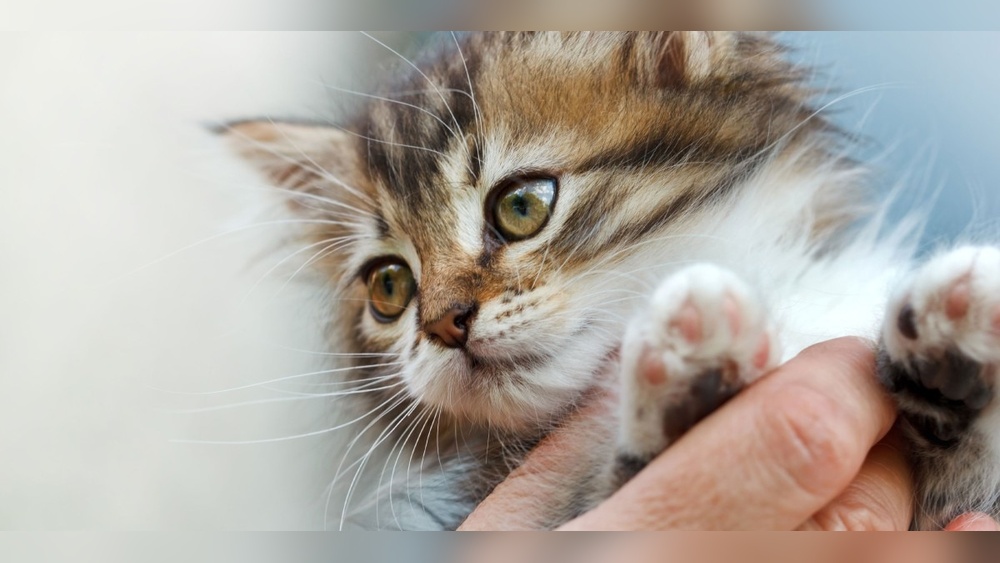
Are you curious about when your male cat can start breeding? Knowing the right age is important for managing your cat’s health and behavior.
Understanding this helps you make smarter decisions about his care and prevents unexpected litters. You’ll discover the key signs that show your male cat is ready to breed and what you need to watch for. Keep reading to learn everything you need to know to keep your feline friend happy and healthy.
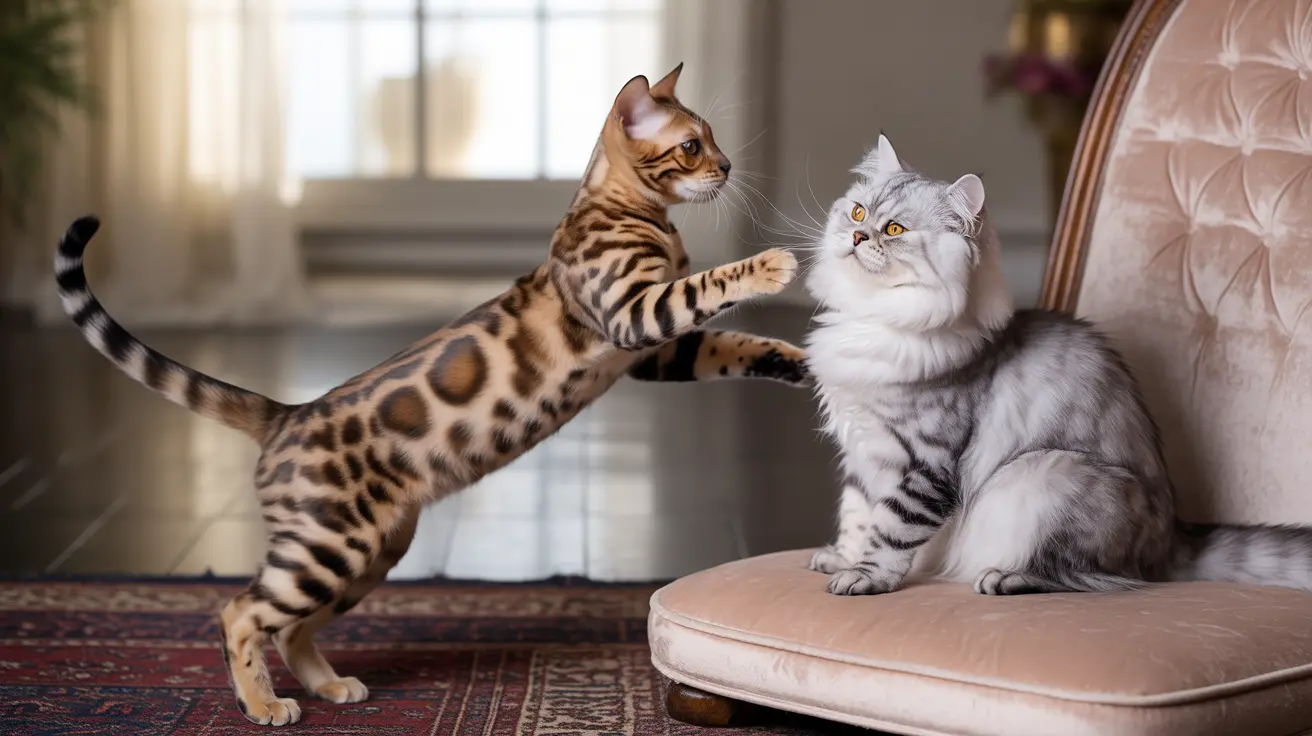
Credit: www.petscare.com
Male Cat Puberty Timeline
Male cats reach puberty at different times. This phase marks the start of their ability to breed. Understanding this timeline helps cat owners manage their pets better. It also explains some behaviors seen in young male cats. Puberty is a natural process, involving physical and hormonal changes. These changes prepare male cats for reproduction.
Signs Of Sexual Maturity
Male cats show clear signs when they become sexually mature. Their testicles grow larger and become more visible. The cat may spray strong-smelling urine to mark territory. Increased restlessness and roaming behavior often appear. Vocalizations, like yowling, can increase as well. These signs indicate the cat is ready to mate.
Age Variations By Breed
Different breeds reach puberty at different ages. Smaller breeds often mature faster than larger ones. For example, Siamese cats may start breeding at six months. Larger breeds like Maine Coons might take up to a year. Mixed breed cats usually fall somewhere in between. Genetics and environment both affect the timing of puberty.
Behavioral Changes During Breeding Age
Male cats show clear behavior changes as they reach breeding age. These changes help them compete for mates and protect their territory. Understanding these behaviors can help owners manage their cats better during this phase.
Increased Aggression
Male cats become more aggressive during breeding age. They may fight other males to win over females. This aggression can lead to scratches and bites. It is a natural part of their breeding instinct.
Territorial Marking
Marking territory is common in breeding male cats. They spray urine on walls and objects to claim their space. This behavior warns other males to stay away. It also attracts females by signaling their presence.
Vocalization Patterns
Male cats make louder and more frequent calls during breeding age. Their yowling is meant to attract females. These sounds can be loud and persistent, especially at night. Vocalization is a key way they communicate during mating season.
Breeding Readiness Factors
Male cats do not start breeding just by age alone. Several factors decide when they are ready. These factors affect their ability to mate and produce healthy offspring. Understanding these helps cat owners know the right time for breeding.
Physical Health
Healthy male cats have better chances of successful breeding. Strong muscles and good weight show physical readiness. Illness or injury can stop breeding ability. Regular vet check-ups keep cats in breeding shape. Healthy cats have higher sperm quality and fertility.
Environmental Influences
Male cats need the right environment to breed. Warm temperatures can trigger mating behavior. Stressful or noisy places may lower their interest. Presence of female cats in heat can stimulate breeding. Safe and calm surroundings help male cats feel ready.
Nutrition Impact
Good nutrition boosts breeding readiness in male cats. Balanced food gives energy and supports sperm health. Poor diet leads to low fertility and weak offspring. Vitamins and minerals are important for reproductive health. Feeding quality food ensures a male cat is ready to breed.
Credit: www.kinship.com
Risks Of Early Breeding
Male cats that start breeding too early face many risks. Their bodies are not fully grown. This can cause serious problems for their health and the health of their offspring. Early breeding can also lead to genetic issues that affect future generations. Understanding these risks helps cat owners make better choices for their pets.
Health Complications
Breeding at a young age puts strain on a male cat’s body. Their bones and muscles may not be strong enough. This can cause injuries or long-term damage. Young males may also have weaker immune systems. They become more likely to get infections and diseases. Stress from early breeding affects their overall health. It can shorten their lifespan and reduce quality of life.
Genetic Concerns
Early breeding increases chances of passing on weak genes. Male cats that breed too young often lack genetic maturity. This can lead to inherited diseases in their kittens. Some genetic problems may not show up until later. These issues can spread to many cats in the future. Responsible breeding requires waiting until the cat is fully developed. This helps maintain strong, healthy cat populations.
Managing Breeding In Male Cats
Managing breeding in male cats requires care and attention to keep them healthy and well-behaved. Early breeding can cause problems for both the cat and the owner. Controlling breeding helps reduce unwanted litters and limits aggressive behavior.
Good management also supports the cat’s well-being and helps maintain a peaceful home. The following sections explain key steps to manage breeding effectively.
Neutering Benefits
Neutering stops male cats from reproducing. It lowers the chance of unwanted kittens and helps control the cat population. Neutered cats are less likely to roam far from home. This reduces the risk of fights and injuries.
Neutering can also calm aggressive behavior and marking territory with urine. The procedure improves the cat’s health by lowering the risk of some diseases. It is a simple surgery that many vets recommend by six months of age.
Behavioral Training
Training male cats helps manage breeding instincts and improves behavior. Teaching basic commands and using positive reinforcement builds good habits. Redirecting unwanted behaviors, like spraying or fighting, protects your home environment.
Providing enough playtime and exercise reduces stress and restlessness. This helps the cat stay calm and less focused on mating urges. Consistent training creates a stronger bond between the cat and owner.
Responsible Breeding Practices
Only allow breeding with healthy cats and proper care. Keep track of the cat’s age and health before breeding. Avoid breeding too early, as it can harm the cat’s growth and development.
Responsible breeders provide good nutrition and a safe space for the cat. They also plan for the care of kittens to ensure all animals are safe. This protects the cat’s well-being and supports ethical breeding.
Credit: www.petco.com
Frequently Asked Questions
At What Age Do Male Cats Become Sexually Mature?
Male cats typically reach sexual maturity between 5 to 8 months of age. This is when they start producing sperm and can breed. Early neutering can prevent unwanted breeding and reduce territorial behavior.
How Soon After Maturity Do Male Cats Start Breeding?
Male cats can start breeding as soon as they reach sexual maturity. This means they may mate from about 6 months old. Their interest in females increases during mating seasons or when females are in heat.
Can Male Cats Breed Year-round Or Seasonally?
Male cats can breed year-round, but female availability affects breeding frequency. Most female cats go into heat seasonally, influencing when males actively seek mates. Indoor cats may breed anytime due to controlled lighting conditions.
Does Neutering Affect Male Cats’ Breeding Behavior?
Yes, neutering stops male cats from breeding by removing testicles. It also reduces aggressive and roaming behaviors linked to mating instincts. Neutering is recommended to control the cat population and improve health.
Conclusion
Male cats usually start breeding around six to twelve months old. Their behavior changes as they reach this age. They may become more active and roam more often. Knowing this helps owners manage their pets better. Early neutering can prevent unwanted litters and health problems.
Watching your cat closely ensures you understand his needs. Breeding age varies but starts near one year. Taking care of your cat means knowing these important facts. Stay informed and keep your feline friend healthy and happy.