

Have you ever looked at a cat and wondered what breed it is? Knowing how to distinguish cat breeds can make your experience with these furry friends even more special.
Whether you’re adopting, buying, or just curious, understanding the differences helps you connect better with your cat’s personality and care needs. You’ll discover simple ways to tell cat breeds apart, even if you’re not an expert. Keep reading, and soon you’ll spot the unique traits that make each breed truly one of a kind.
Common Cat Breed Traits
Cats come in many shapes and colors. Each breed has special traits that make it unique. Knowing these traits helps to recognize different cat breeds.
Some traits are easy to spot. Others need a closer look. Understanding common traits is the first step to telling breeds apart.
Coat Patterns And Colors
Coat patterns vary widely among cats. Some have stripes, spots, or solid colors. Common patterns include tabby, calico, and tuxedo.
Colors range from black, white, and gray to orange and cream. Some breeds have unique color points, like Siamese cats.
Coat length also differs. Some cats have short, sleek fur. Others have long, fluffy coats that require more care.
Body Shapes And Sizes
Body shape is a key breed marker. Some cats are slim and elegant. Others have a stocky or muscular build.
Size ranges from tiny to large. For example, the Munchkin is small, while the Maine Coon is quite big.
Body length, leg length, and tail shape also vary. These details help identify the breed more accurately.
Eye Shapes And Colors
Eye shape differs by breed. Some cats have round eyes, others almond-shaped. Eye shape can give clues about the breed.
Eye color also varies widely. Common colors include green, blue, amber, and copper. Some breeds have odd-eyed cats with two different colors.
Bright, clear eyes are a sign of good health in all cats.
Ear Shapes And Positions
Ear shape is another trait to watch. Some cats have large, pointed ears. Others have small, rounded ones.
Ear position also varies. Some ears sit high on the head. Others are wide set or tilt forward.
Unique ear features, like the curled ears of the American Curl, can help easily spot certain breeds.

Credit: apps.apple.com
Recognizing Popular Breeds
Recognizing popular cat breeds helps identify them easily. Each breed has unique looks and traits. Knowing these traits makes pet care simpler. Here are some common breeds and their features.
Siamese Characteristics
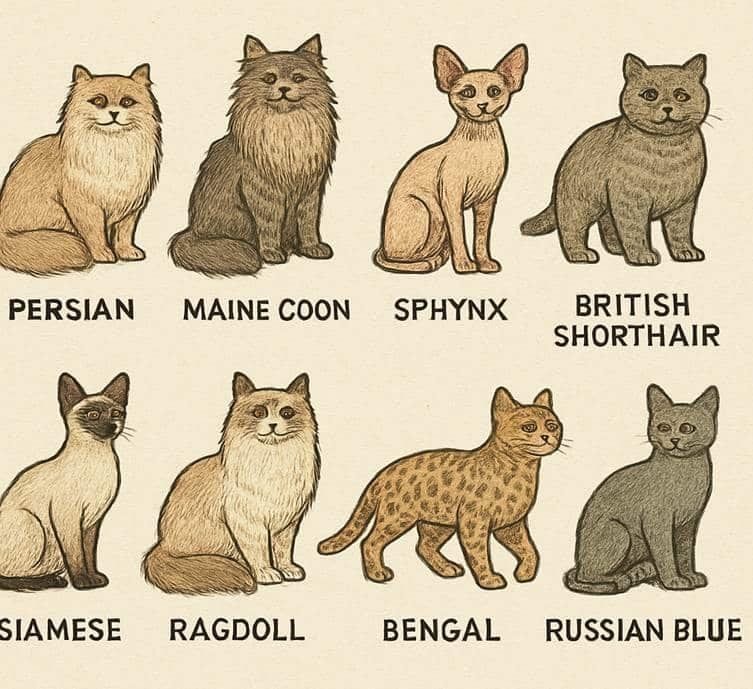
Siamese cats have a slim, elegant body. Their fur is short and soft. They have striking blue almond-shaped eyes. Their ears are large and pointed. Their coat color is pale with darker points.
Maine Coon Features
Maine Coons are large and muscular cats. They have thick, long fur to stay warm. Their ears are tufted at the tips. They have bushy tails like a raccoon. Their eyes are big and expressive.
Persian Traits
Persians have a round face with a flat nose. Their fur is long and fluffy. They have big, round eyes that stand out. Their body is sturdy but compact. They move slowly and gracefully.
Bengal Markings
Bengal cats have a wild, exotic look. Their fur shows distinct spots or rosettes. Their coat is sleek and shiny. They have large eyes with a curious gaze. Bengals are active and playful pets.
Behavioral Clues
Behavioral clues can help identify different cat breeds. Cats show unique habits and actions. These habits often relate to their breed traits.
Observing a cat’s behavior gives insight beyond looks. It helps understand their needs and personality. Let’s explore key behavioral signs to watch for.
Activity Levels
Some cats are very active and love to run and jump. Others prefer resting and quiet time. High-energy breeds enjoy play and exercise often. Low-energy breeds like calm and slow activities. Notice how much energy a cat uses daily.
Social Tendencies
Some cat breeds enjoy being around people and other pets. They seek attention and like to cuddle. Other breeds prefer solitude and keep distance. Watch how a cat reacts to strangers or other animals. Social cats approach easily and show trust.
Vocalizations
Cats use sounds to express feelings. Some breeds talk a lot with meows and purrs. Others are quiet and only make sounds when needed. Listen to the tone and frequency of their voice. Vocal cats often communicate more clearly with owners.
Play Styles
Play reveals a cat’s natural instincts and breed traits. Some cats chase toys and love hunting games. Others prefer gentle play or puzzle toys. Watch how a cat interacts with toys and people. Play style can show breed differences clearly.
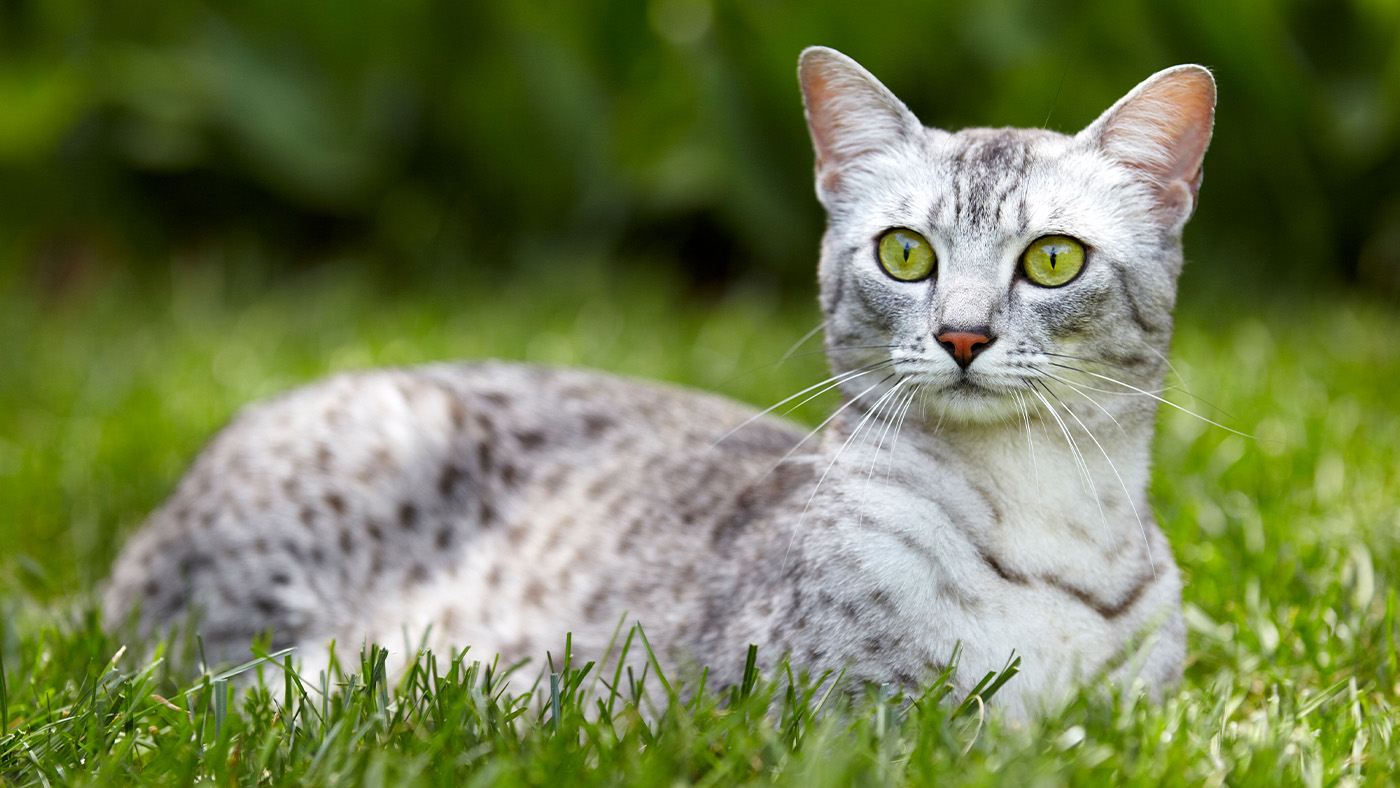
Credit: www.petsradar.com
Using Identification Tools
Using identification tools helps to recognize cat breeds clearly. These tools provide reliable information and reduce confusion. They make it easier to know the breed’s features and traits. This section explains four key tools to help identify cat breeds accurately.
Breed Standards And Guides
Breed standards describe the exact features of each cat breed. These include size, coat color, eye shape, and ear type. Guides show pictures and details to compare cats easily. They are useful for quick and clear breed identification. Many cat clubs and organizations publish these standards.
Dna Testing
DNA testing reveals a cat’s genetic makeup. It can show the breeds present in a mixed cat. The test requires a simple cheek swab or hair sample. Results give clear breed percentages and traits. This tool is very accurate and helpful for unsure owners.
Consulting Cat Experts
Cat experts have deep knowledge of different breeds. They can spot subtle differences in appearance and behavior. Talking to breeders, veterinarians, or cat show judges is a good idea. Experts offer advice based on experience and training. They help confirm breed identity confidently.
Online Resources
Online tools and databases provide vast breed information. Websites, forums, and apps show photos and breed facts. Some platforms allow uploading cat pictures for breed suggestions. These resources are easy to access anytime. They support learning and breed recognition at home.
Tips For Cat Lovers
Cat lovers enjoy learning about different breeds. Knowing how to spot each breed takes time and attention. Simple tips help you notice small details. These tips make identifying cat breeds fun and easy.
Observing Subtle Differences
Look closely at cats’ features. Check their fur color and pattern carefully. Notice the shape of their eyes and ears. Pay attention to their size and body shape. These small differences often show the breed.
Keeping A Breed Journal
Write down what you see in each cat. Include notes about their fur, eyes, and behavior. Add photos to help remember details. A journal helps track breeds and makes learning easier.
Joining Cat Communities
Talk with other cat lovers online or nearby. Share photos and ask questions about breeds. Learn from people with more experience. Communities offer support and useful breed tips.
Attending Cat Shows
Visit local cat shows to see many breeds. Watch how experts describe each cat. Ask judges about breed traits and features. Cat shows give a close look at breed differences.
Credit: catopedea.com
Frequently Asked Questions
What Are The Key Features To Identify Cat Breeds?
Key features include fur length, color patterns, eye shape, and body size. Each breed has unique traits like ear shape or tail length. Observing behavior and vocal sounds also helps distinguish breeds effectively.
How Can I Tell A Siamese Cat Apart?
Siamese cats have short fur, blue almond-shaped eyes, and point coloration. Their slender bodies and large ears are distinctive. They are also known for their vocal and social nature.
Are Coat Patterns Reliable For Breed Identification?
Coat patterns give clues but aren’t always definitive. Some breeds share similar patterns. Combining fur texture, color, and physical traits improves breed identification accuracy.
Can Personality Traits Help Identify Cat Breeds?
Yes, some breeds have unique temperaments. For example, Bengals are active and playful, while Persians are calm. Personality helps but should be combined with physical features for best results.
Conclusion
Knowing how to tell cat breeds makes pet care easier. Each breed has unique traits to learn. Observe their size, fur, and face shapes closely. Pay attention to their behavior and sounds too. This helps you understand your cat better.
It also helps you choose the right pet. Enjoy discovering the many types of cats. Keep learning and have fun with your furry friend.