
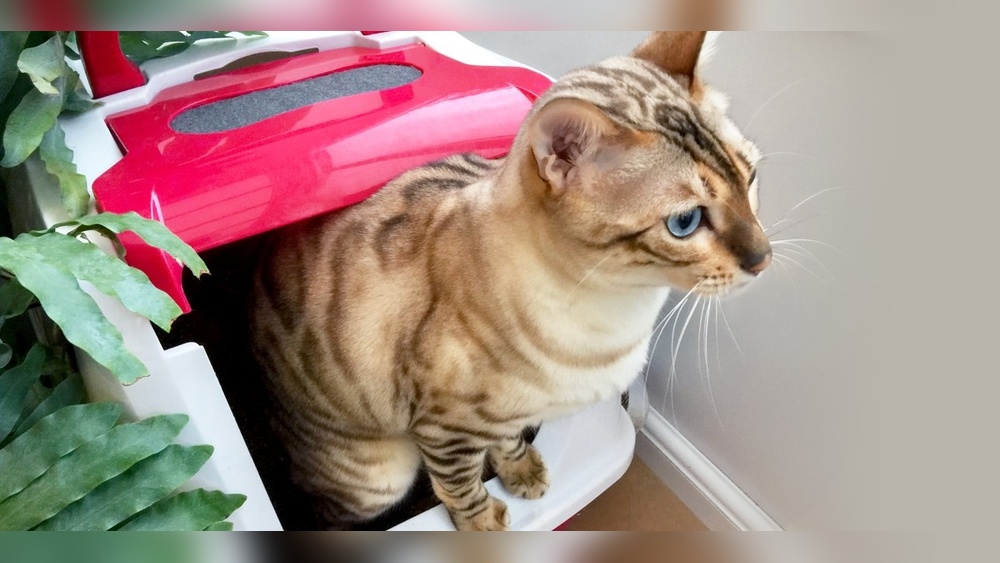
Are you tired of cleaning the litter box every day? Imagine a cleaner home and less hassle.
Potty training your cat without a litter box is possible, and it can change your life. You might think it’s difficult or even impossible, but with the right steps, your cat can learn to use the toilet like a pro.
You’ll discover simple, practical tips that make potty training your cat easy and stress-free. Keep reading, and you’ll find out how to save time, reduce odors, and enjoy a fresher home—all while keeping your furry friend happy.
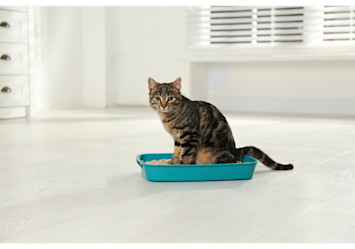
Credit: www.embracepetinsurance.com
Choosing The Right Spot
Choosing the right spot is very important when potty training a cat without a litter box. Cats need a place where they feel safe and comfortable. Picking the right location helps your cat learn faster and avoid accidents. This section explains how to find the best spot for your cat’s new bathroom area.
Selecting A Suitable Location
Pick a quiet place with little noise. Avoid busy rooms like kitchens or living rooms. Cats prefer calm spots for their bathroom needs. The area should have a hard floor for easy cleaning. Avoid carpeted spots that can hold smells and stains. A corner or small room works well. Make sure the spot is easy for your cat to reach at any time.
Ensuring Privacy And Safety
Cats need privacy to feel secure when going to the bathroom. Choose a spot where your cat can be alone. Avoid places with too much foot traffic or loud sounds. The area should be safe from other pets or children. Make sure your cat can enter and leave easily. Privacy helps reduce stress and encourages good potty habits.
Introducing The Toilet Setup
Potty training a cat without a litter box starts with creating the right toilet setup. Cats need time to get used to this new way. Patience helps your cat feel safe and confident. Setting up the toilet properly makes the process easier and cleaner.
Clear space around the toilet. Make sure the bathroom is quiet and calm. Your cat will explore the area before using it. Let your cat watch you flush to understand the purpose. This step builds comfort and curiosity.
Using A Training Seat
A training seat fits over the toilet bowl. It holds litter at first to keep the cat familiar. This seat has a hole that grows bigger over time. It teaches your cat to balance on the toilet seat. Choose a sturdy seat to keep your cat safe.
Place the training seat at the right height. Help your cat jump up easily. Some cats may need a step stool. Let your cat explore the seat without pressure. Praise your cat for trying new things.
Gradual Transition From Litter
Start by filling the training seat with litter. Use the same litter your cat likes. Slowly make the hole in the seat bigger. This reduces the litter amount little by little. Your cat learns to go without litter support.
Watch your cat’s reaction at each step. Move slowly to avoid fear or accidents. Once the hole is large, remove the training seat. Your cat will use the toilet bowl directly. Reward your cat after success to encourage good habits.
Step-by-step Training Process
Potty training a cat without a litter box takes patience and clear steps. Each stage helps your cat feel safe and confident. Follow this process to make the change smooth.
Familiarizing Your Cat With The Toilet
Start by placing the litter box near the toilet. Let your cat explore this new spot. Gradually raise the box higher, using books or a stool. This helps your cat get used to the height. Next, move the box onto the closed toilet seat. Keep the box in place until your cat feels comfortable.
Encouraging Proper Positioning
Remove the litter box and use a training seat on the toilet. Fill it with flushable litter. This guides your cat to balance on the seat. Praise your cat for sitting correctly. Slowly reduce the litter amount over days. This trains your cat to use the toilet water.
Managing Accidents And Setbacks
Accidents may happen during training. Clean any messes with a strong odor remover. Avoid punishment; it may scare your cat. Stay calm and patient throughout the process. If setbacks occur, step back to the last successful stage. Consistency and gentle guidance help your cat learn well.

Credit: www.amazon.com
Positive Reinforcement Techniques
Positive reinforcement is a key method to potty train a cat without a litter box. It helps your cat learn good habits by rewarding the right actions. This approach builds trust and encourages your cat to repeat desired behaviors.
Patience and consistency are important. Cats respond well to gentle rewards and clear signals. Positive reinforcement makes training less stressful for both you and your cat.
Using Treats And Praise
Give your cat small treats when it uses the designated potty area. Treats motivate cats to keep doing the right thing. Use soft, tasty snacks your cat loves.
Along with treats, use calm praise. Say words like “good job” in a gentle tone. Pets and kind words make your cat feel safe and happy.
Establishing A Routine
Set specific times for your cat to use the potty area. Cats like routines and feel more secure with a schedule. Try to be consistent with feeding and potty times.
Watch your cat’s behavior to find natural times it needs to go. Encourage it to use the potty spot at those moments. A steady routine helps your cat learn faster and avoid accidents.
Addressing Common Challenges
Potty training a cat without a litter box can bring some challenges. Cats may feel scared or resist the new habit. Some health issues can also affect the training process. Knowing how to handle these problems helps make training easier. It keeps your cat calm and healthy during this change.
Dealing With Fear Or Resistance
Some cats feel scared to use a new potty spot. They need time to get used to it. Start by placing the potty area in a quiet, calm place. Let your cat explore it without pressure. Use gentle words and pets to comfort your cat. Avoid forcing or punishing. This can cause more fear and slow progress. Be patient and consistent. Praise your cat for small steps forward.
Handling Health Concerns
Health problems can make potty training harder. Urinary tract infections or bladder pain may cause accidents. Watch for signs like frequent urination or discomfort. Take your cat to the vet if you notice these symptoms. Healthy cats learn new habits faster. Keep your cat’s diet and water intake balanced. A healthy cat feels better and adapts easier. Regular vet check-ups help catch problems early.
Maintaining Hygiene And Cleanliness
Keeping your home clean is important when potty training a cat without a litter box. Hygiene helps prevent smells and keeps your cat healthy. A clean space makes your cat more likely to use the toilet properly. Regular cleaning also stops germs from spreading. Focus on cleaning the toilet area and preventing odors for the best results.
Cleaning The Toilet Area
Clean the toilet area every day. Use mild soap and warm water to wipe the seat and surrounding parts. Avoid harsh chemicals that may scare your cat. Dry the area well to prevent slips. Remove any waste immediately to keep the space fresh. Regular cleaning helps your cat feel comfortable using the toilet.
Preventing Odors
Good airflow helps reduce bad smells near the toilet. Open windows or use a small fan to keep air moving. Use natural odor absorbers like baking soda around the toilet base. Avoid strong air fresheners that can bother your cat. Check for hidden spots where odors might hide and clean them often. A fresh-smelling bathroom encourages your cat to keep using the toilet.
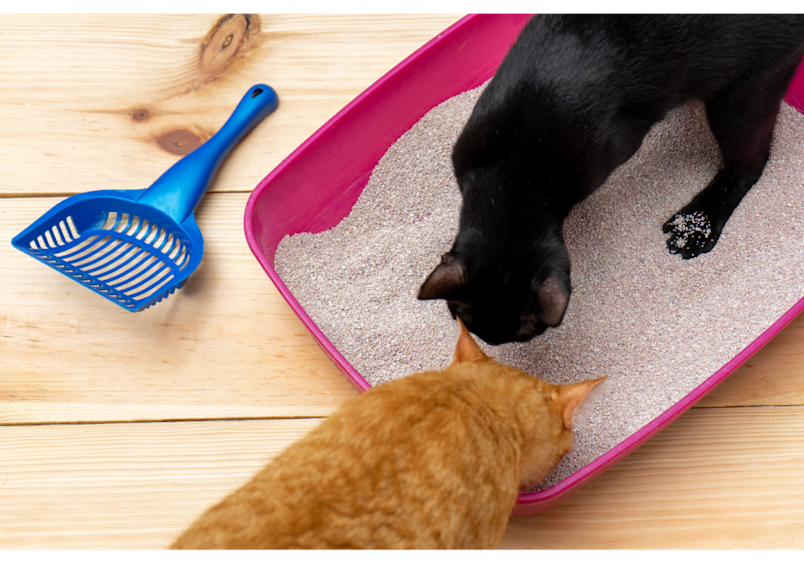
Credit: www.embracepetinsurance.com
Frequently Asked Questions
How To Start Potty Training A Cat Without Litter?
Begin by choosing an outdoor spot or training pad. Gradually guide your cat there after meals. Use positive reinforcement like treats to encourage use.
Can Cats Adapt To Potty Training Without A Box?
Yes, cats can learn with patience and consistency. Use rewards and gentle guidance to help them understand new habits.
What Materials Help In Training Cats Without Litter Boxes?
Use puppy pads, grass patches, or natural soil. These mimic outdoor conditions and encourage cats to relieve themselves there.
How Long Does It Take To Potty Train A Cat?
Training duration varies but often takes 2 to 6 weeks. Consistency and positive reinforcement speed up the process.
Conclusion
Potty training a cat without a litter box takes patience and care. Start small and stay consistent with your method. Cats learn best through gentle guidance and routine. Watch your cat’s signals and adjust as needed. Celebrate small successes along the way.
Soon, your cat will use the new potty area confidently. This approach keeps your home clean and your cat happy. Keep trying and stay calm—your efforts will pay off.