
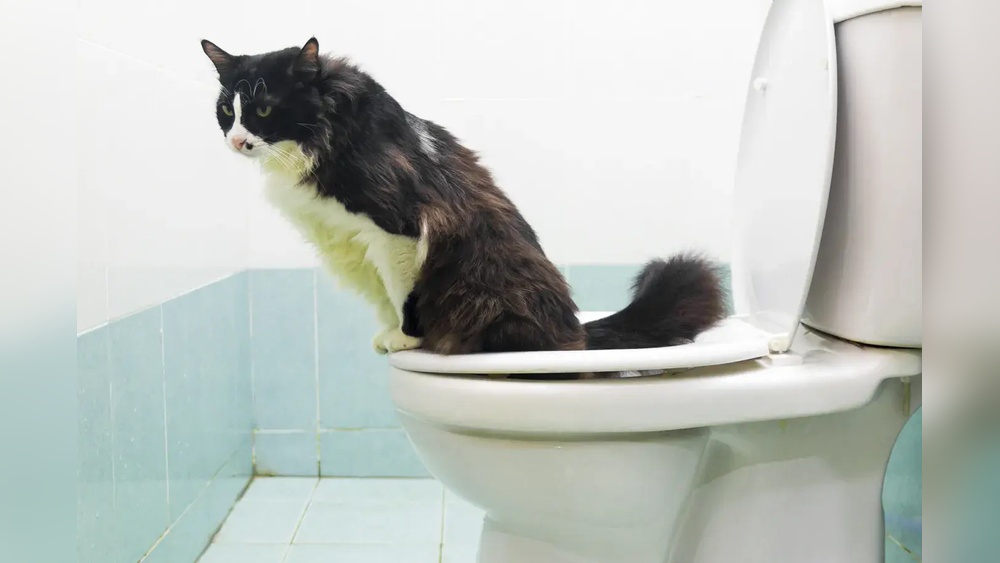
Have you ever wondered if cats can be potty trained like dogs? If you’re tired of cleaning up unexpected messes or want to make your cat’s bathroom habits more predictable, you’re not alone.
Understanding how cats learn to use the litter box can save you time, stress, and frustration. You’ll discover simple, effective tips to help your feline friend develop good potty habits. Keep reading to find out how you can make your home cleaner and your cat happier!
Cat Litter Basics
Cats usually learn to use a litter box naturally. Understanding the basics of cat litter helps keep your home clean. It also makes your cat comfortable. A good litter setup is key for success.
Choose the right litter. Find the best spot for the box. Pick the right type of litter box. These steps create a good bathroom routine for your cat.
Choosing The Right Litter
Not all litters are the same. Some clump, some do not. Clumping litter makes cleaning easier. Unscented litter is better for sensitive noses. Avoid dusty litters to protect your cat’s lungs. Soft textures feel nicer on their paws. Try different types to see what your cat prefers.
Litter Box Placement
Place the box in a quiet, private spot. Avoid noisy or busy areas. Keep it away from your cat’s food and water bowls. The box should be easy to reach. A bad location can make your cat avoid it. Check the area often to keep it clean.
Types Of Litter Boxes
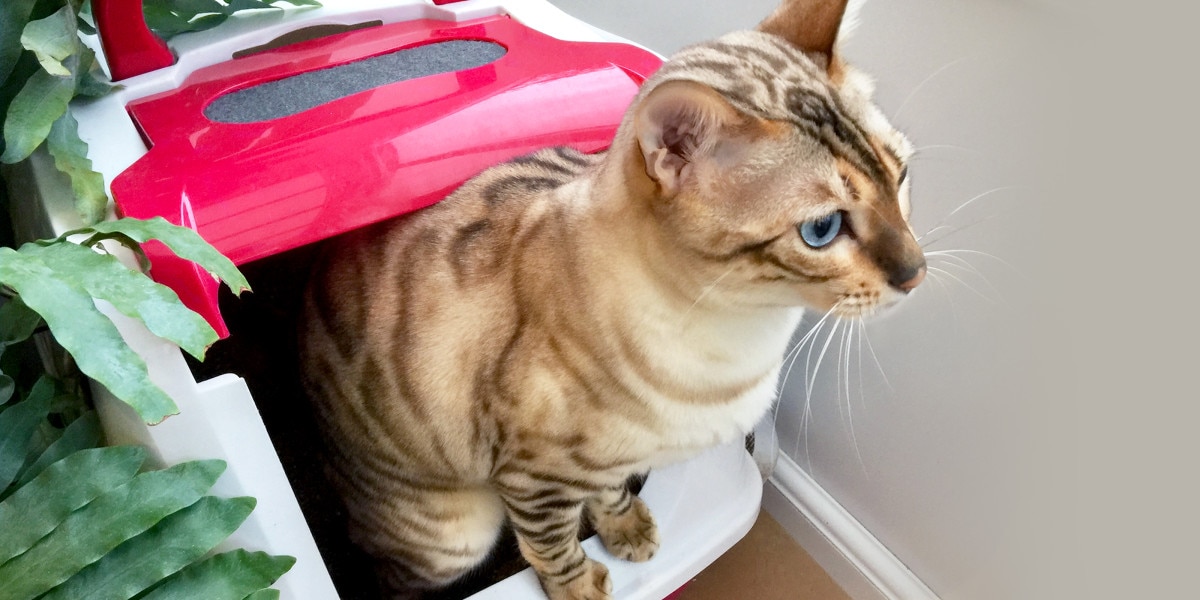
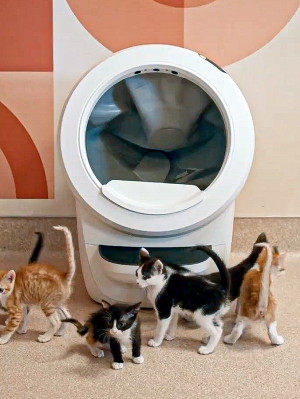
Open boxes are simple and easy to clean. Covered boxes offer more privacy but can trap smells. Self-cleaning boxes save time but cost more. Choose a box size that fits your cat comfortably. Some cats prefer larger boxes for more space.
Training Steps
Training a cat to use the litter box takes patience and clear steps. Cats learn best through simple and consistent actions. This section guides you through key steps to help your cat develop good bathroom habits. Follow these steps to create a positive and clean environment for your cat.
Introducing The Litter Box
Start by placing the litter box in a quiet, easy-to-reach spot. Let your cat explore the box without pressure. Show your cat the litter by gently placing them inside. Use unscented, clumping litter as it feels natural. Keep the box clean to invite your cat to use it often.
Encouraging Good Habits
Reward your cat with gentle praise after using the litter box. Keep the box in the same place to build routine. Watch your cat’s behavior to spot signs they need to go. Keep the litter box fresh by scooping waste daily. Consistency helps your cat feel safe and understand the routine.
Handling Accidents
Accidents happen and should be handled calmly. Clean soiled areas with an enzyme cleaner to remove smells. Avoid scolding your cat; it can cause fear and confusion. Place your cat back in the litter box after accidents. Patience is key to helping your cat learn and improve.
Common Challenges
Potty training cats often comes with some challenges. These issues can slow down progress or cause confusion. Understanding common problems helps make training easier and less stressful for both cats and owners.
Avoiding Litter Box Aversion
Cats may refuse to use the litter box for many reasons. A dirty box is the top cause. Cats like clean places to go. Using the wrong litter type can also upset them. Keep the box in a quiet spot. Avoid loud noises or busy areas nearby. Change the litter regularly to keep it fresh. A calm, clean box encourages good habits.
Dealing With Medical Issues
Some cats avoid the litter box due to health problems. Urinary tract infections cause pain during urination. This may lead to accidents outside the box. Kidney problems or diabetes can also affect bathroom habits. Watch for signs like frequent trips or straining. Visit the vet to rule out or treat medical issues. Early care helps fix litter box problems fast.
Managing Multi-cat Households
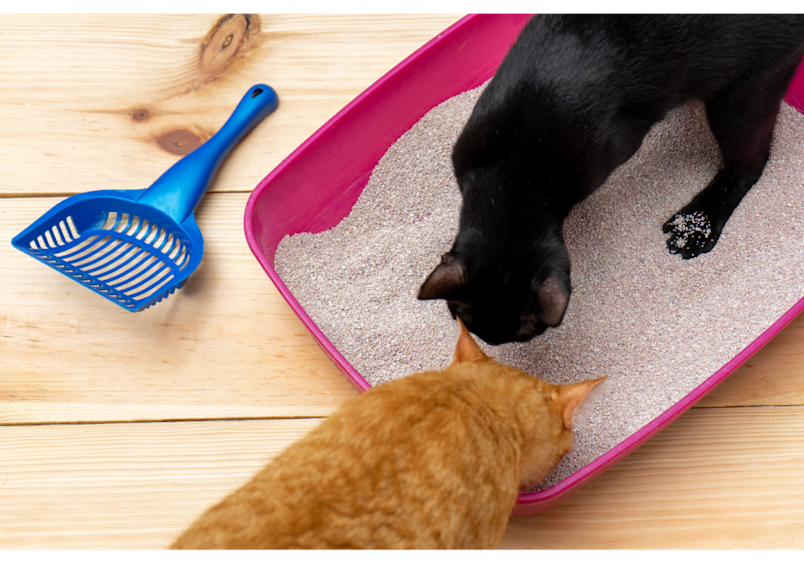
Having more than one cat adds complexity. Cats may feel stressed sharing a box. Territorial behavior can cause conflicts over litter areas. Provide enough boxes for each cat, plus one extra. Place boxes in different quiet spots. This reduces fights and encourages use. Keep boxes clean to avoid dislike. Patience and space help all cats stay comfortable.
Credit: www.purina.com
Maintaining Cleanliness
Keeping your cat’s litter area clean is important for their health and comfort. Cats prefer a tidy space to do their business. A clean litter box encourages regular use and prevents accidents around your home.
Regular cleaning also helps control odors and keeps your home smelling fresh. It shows your cat that their space is cared for, which helps with their potty training success.
Cleaning Routine
Scoop the litter box at least once a day. Remove clumps and solid waste promptly. This keeps the litter fresh and inviting for your cat.
Change the litter completely once a week. Wash the box with mild soap and warm water. Avoid strong-smelling cleaners that might scare your cat away.
Place the litter box in a quiet, accessible spot. This helps your cat feel safe and comfortable while using it.
Odor Control Tips
Use unscented clumping litter to reduce strong smells. Scented litters can bother sensitive noses.
Try adding a thin layer of baking soda under the litter. It helps absorb odors without harmful chemicals.
Keep the litter box area well-ventilated. Fresh air helps reduce lingering smells.
Wash litter mats and nearby surfaces regularly. This prevents odor buildup outside the box.
Behavioral Insights
Understanding your cat’s behavior helps in potty training success. Cats use body language and actions to communicate their needs. Watching these signs closely reveals their comfort and habits.
Behavior plays a big role in how cats learn and adapt to litter boxes. Stress and environment can change their bathroom habits. Knowing these factors helps create a better space for your cat.
Reading Your Cat’s Signals
Cats show signs before they need to use the litter box. They may sniff around or scratch the floor. These actions mean they want to go soon. Noticing these signs helps guide them gently to the right spot.
Every cat is different. Some are clear with their signals. Others are more subtle. Pay attention to changes in their routine or body language. This helps catch their needs early and avoid accidents.
Stress And Its Impact
Stress can cause cats to avoid their litter box. New pets, loud noises, or changes in home can upset them. This may lead to accidents outside the box.
Stress blocks learning and makes cats feel unsafe. Keeping a calm and stable environment helps. Use quiet spaces and familiar scents to comfort your cat. A relaxed cat learns better and sticks to good bathroom habits.
Credit: www.embracepetinsurance.com
Credit: www.kinship.com
Frequently Asked Questions
Do Cats Naturally Use The Litter Box?
Yes, cats naturally prefer using a litter box. They instinctively bury their waste, making litter training easier.
How Long Does It Take To Potty Train A Cat?
Potty training a cat usually takes a few days to a week. Consistency and positive reinforcement speed up the process.
Can All Cats Be Potty Trained?
Most cats can be potty trained with patience. Some may need extra time due to age or behavior issues.
What Supplies Are Needed For Cat Potty Training?
You need a litter box, cat litter, and cleaning supplies. Choose a quiet, accessible spot for the litter box.
Conclusion
Cats can learn to use a litter box with patience and care. Most cats prefer a clean, quiet spot for their bathroom needs. Training takes time, but consistency helps a lot. Watch your cat’s behavior and guide gently when needed.
Clean the litter box often to keep cats happy. Remember, every cat is different and learns at its own pace. A well-trained cat means less mess and more comfort at home. Keep trying, and enjoy the bond you build through training.