
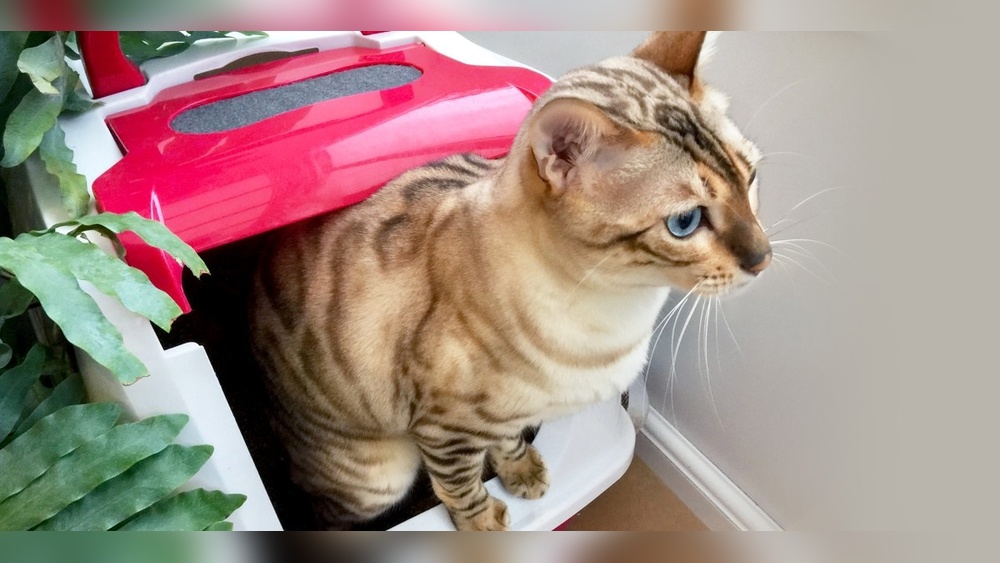
Potty training your cat might sound tricky, but it can make your life much easier and your home cleaner. Imagine never having to scoop a litter box again or worry about unpleasant odors.
If you want a fresh, hassle-free way to handle your cat’s bathroom habits, this guide is for you. You’ll learn simple steps that anyone can follow, turning your furry friend into a well-trained companion. Keep reading, and discover how to make potty training work for you and your cat!
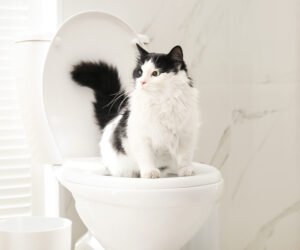
Credit: catloversden.com
Choosing The Right Time
Choosing the right time to start potty training your cat is very important. It helps make the process easier and less stressful for both you and your cat. Cats need to be ready physically and mentally. Observing your cat closely will tell you when the moment is right. Patience is key during this step.
Age And Readiness
Most cats can begin potty training at about 4 to 6 months old. By this age, they have better control of their bladder. They also understand simple commands better. Look for signs like curiosity about the toilet or interest in water. If your cat shows these signs, it is likely ready to learn.
Health Check
Make sure your cat is healthy before starting potty training. A visit to the vet can rule out infections or problems. Health issues may make training harder or cause accidents. Healthy cats learn faster and feel more comfortable. Keep your cat’s health in mind for smooth training progress.
Setting Up The Training Area
Setting up the right training area is the first step to potty train your cat successfully. A comfortable and quiet space helps your cat feel safe. This encourages them to learn faster and better. Proper setup reduces stress and makes the process smoother for both of you.
Selecting The Toilet
Choose a toilet that fits your bathroom size. It should be sturdy and easy to access for your cat. Avoid toilets with strong flushing sounds to prevent scaring your cat. A seat that stays open works best to keep the training area consistent. Your cat needs time to adjust to this new spot.
Gathering Supplies
Collect all items before starting the training. A special cat toilet trainer seat can help your cat transition easily. Use flushable litter designed for toilet training. Have cleaning wipes handy for quick mess cleanup. Patience and treats also work well to reward good behavior.
Introducing The Litter Box
Introducing the litter box is the first step in potty training your cat. It helps your cat learn where to go and builds good bathroom habits. A well-placed litter box makes training easier and faster. Cats like clean, quiet spots to do their business.
Start by choosing the right litter box. It should be big enough for your cat to move comfortably. Use a litter that your cat likes. Keep the box clean by scooping it daily. Clean litter boxes attract cats and prevent accidents.
Positioning Near The Toilet
Place the litter box close to the toilet at first. This helps your cat associate the new spot with its bathroom needs. Choose a quiet corner with little noise and traffic. Avoid placing the box near your cat’s food or water bowls. Cats prefer separate areas for eating and going to the bathroom.
Make sure the area has good lighting and is easy for your cat to reach. Gradually, you can move the litter box closer to the toilet seat. Small steps help your cat adjust without stress or fear. Keep the box stable and secure to avoid spills.
Encouraging Use
Encourage your cat to use the litter box by placing it in the right spot. Gently place your cat inside the box after meals or naps. Praise your cat softly when it uses the box. Avoid punishment if your cat has accidents. This can cause fear and slow training progress.
Keep the litter fresh and change it regularly. Cats like clean spaces and will avoid dirty boxes. You can add a small amount of your cat’s waste to the new box. This helps your cat recognize the box as the right place. Patience and calmness work best during training.
Gradual Transition To The Toilet
Moving your cat from a litter box to a toilet takes time. A gradual transition helps your cat adjust without stress. Step-by-step changes make the process smooth and easy for your pet.
Elevating The Litter Box
Start by raising the litter box a little each day. Use books or boxes to lift it slowly. This helps your cat get used to a higher place. Raise it until it matches the height of the toilet seat. The cat learns to jump up and use the box at the new height.
Using A Training Seat
Next, replace the litter box with a special training seat. This fits over the toilet and holds some litter. The seat helps your cat balance on the toilet. Let your cat use this for several days. Slowly reduce the litter inside the seat. This step teaches your cat to use the toilet water instead of litter.
Removing The Litter Box
Removing the litter box is a key step in potty training cats. It helps them learn to use the toilet instead. This change takes time and patience. Gradual steps make the process smooth and less stressful for your cat.
Reducing Litter Amount
Start by slowly reducing the litter in the box. Use less litter each day or every few days. This change helps your cat get used to less material. It encourages them to balance more on the toilet seat. Keep the box near the toilet for easy access.
Encouraging Balance On The Seat
Next, raise the litter box height gradually. Use stacks of newspapers or boxes to lift it step by step. This helps your cat get used to the toilet seat height. Provide a stable surface so your cat feels safe. Praise your cat when they balance well on the seat.
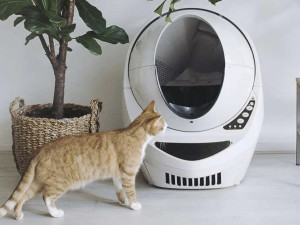
Credit: www.kinship.com
Handling Setbacks
Potty training cats can be tricky. Setbacks happen even with the best efforts. Knowing how to handle these bumps keeps the process smooth. Patience and calm responses help your cat learn better.
Dealing With Accidents
Accidents are normal during potty training. Clean the area quickly and thoroughly. Use pet-safe cleaners to remove odors. Avoid punishment or yelling. This scares your cat and slows progress. Instead, gently guide your cat back to the potty spot. Reward good behavior with treats or praise. Keep the litter box clean and accessible at all times.
Staying Patient
Training takes time and effort. Your cat needs to learn new habits. Expect some mistakes along the way. Stay calm and consistent every day. Give your cat space to adjust. Celebrate small wins to encourage more progress. Remember, patience builds trust and success.
Maintaining Success
Maintaining success after potty training your cat is key for long-term good habits. Consistency keeps your cat comfortable and confident. Small daily actions help avoid accidents and stress. Focus on two main areas to keep progress steady.
Cleaning Tips
Always clean the potty area promptly and well. Use mild, unscented cleaners to avoid deterring your cat. Avoid strong chemicals or bleach. Clean accidents quickly to remove any smell. Cats return to places that smell like waste. Keep the potty spot dry and neat. Regular cleaning encourages your cat to keep using it.
Positive Reinforcement
Reward your cat with gentle praise or treats. Celebrate each successful potty use. Avoid punishment for accidents. Punishment can cause fear and confusion. Use calm, happy tones to encourage your cat. Positive rewards build trust and repeat good habits. Keep rewards consistent for best results.

Credit: www.wikihow.com
Frequently Asked Questions
How Long Does It Take To Potty Train A Cat?
Potty training a cat usually takes 4 to 6 weeks. Consistency and patience are key. Each cat learns at its own pace, so progress may vary.
What Tools Do I Need For Cat Potty Training?
You need a litter box, training seat, and treats. Use a flushable litter to ease the transition. Patience and positive reinforcement are essential.
Can All Cats Be Potty Trained Successfully?
Most cats can learn with proper training and patience. Kittens adapt faster, but adult cats also respond well. Some may resist due to personality or past habits.
How Do I Encourage My Cat To Use The Toilet?
Gradually move the litter box closer to the toilet. Use a training seat to transition. Reward your cat with treats and praise for success.
Conclusion
Potty training your cat takes time and patience. Start with small steps and stay consistent. Watch your cat’s behavior and adjust as needed. Praise your cat for good habits every day. Keep the training area clean and inviting. Remember, every cat learns at its own pace.
Celebrate small wins along the way. Soon, your cat will use the potty like a pro. Enjoy a cleaner home and a happy pet. Keep calm and be patient; success will come.