
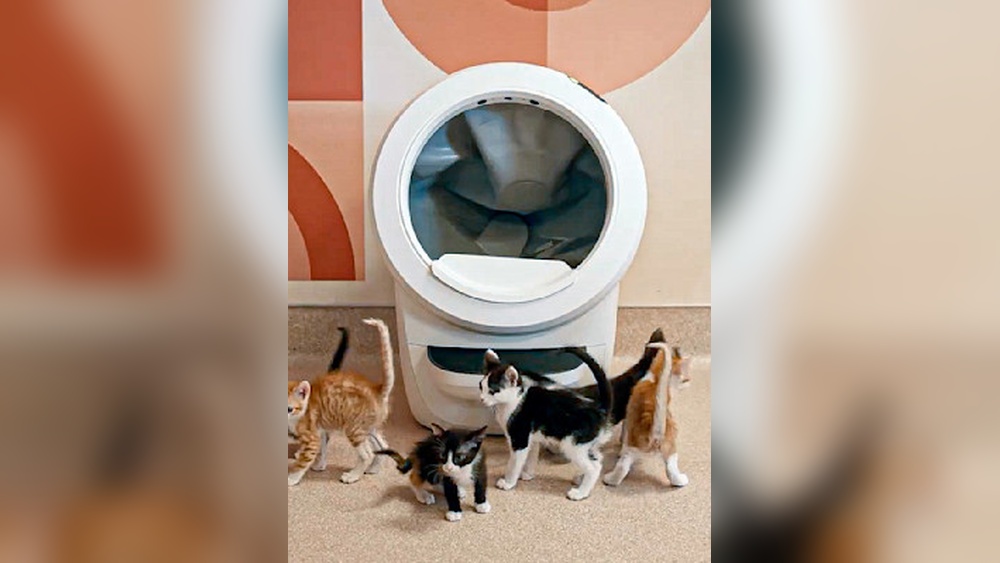
Have you ever wondered why cats don’t need to be potty trained like dogs? If you’ve struggled with litter boxes or worried about accidents in your home, this question might have crossed your mind.
Understanding why cats naturally take care of their bathroom habits can save you time, stress, and frustration. You’ll discover the simple reasons behind your cat’s instinctive behavior and how this knowledge can make your life easier. Keep reading to unlock the secrets of your cat’s natural cleanliness and enjoy a happier home for both you and your furry friend.
Credit: www.kinship.com
Natural Instincts
Cats have strong natural instincts that guide their behavior. These instincts help them stay clean and safe. One key instinct is their approach to using the bathroom. Cats do not need potty training like dogs because they follow their natural habits. Understanding these instincts explains why cats use litter boxes easily.
How Cats Use Their Senses
Cats rely heavily on their senses to find the right spot to relieve themselves. Their strong sense of smell helps them detect safe places. They avoid areas that smell like other animals or danger. Their sensitive paws feel the texture of surfaces, preferring soft, loose material. This is why cats choose litter that mimics soil or sand.
Burial Behavior Explained
Cats instinctively bury their waste. This behavior hides their scent from predators and rivals. Covering their droppings keeps their living space clean. It also helps avoid attracting unwanted attention. This natural habit is why cats quickly learn to use a litter box. The litter acts like soil, letting them perform their burial instinct easily.
Litter Box Preference
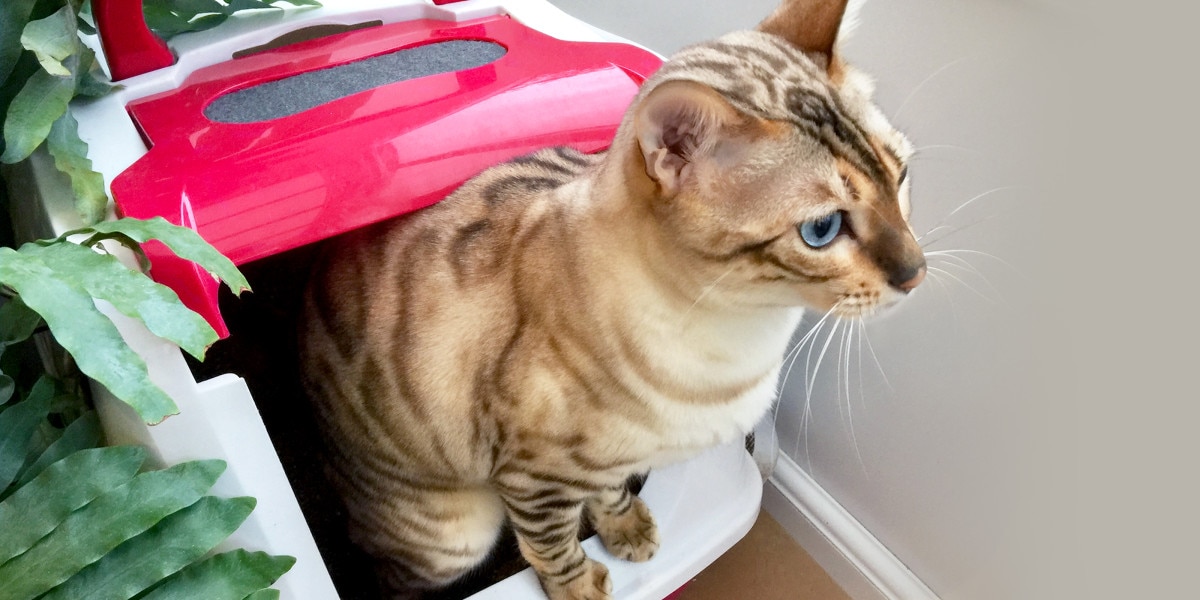
Cats have clear likes and dislikes about their litter boxes. Their choice can affect their bathroom habits. Understanding their litter box preference helps keep your home clean and your cat happy.
Many cats refuse to use a litter box if it does not meet their needs. They want comfort and privacy. Their preference includes the location, texture, and smell of the litter box.
Choosing The Right Spot
Cats want a quiet, private place for their litter box. Busy or noisy areas make them nervous. Keep the box away from loud machines and heavy foot traffic. A calm spot encourages regular use. Easy access is important, too, especially for older cats. Avoid places that are hard to reach or scary.
Texture And Smell Importance
Cats dislike strong smells in their litter box. They prefer mild or no scent at all. Some litters have strong fragrances that drive cats away. The texture matters too. Cats like soft, fine litter that feels natural under their paws. Rough or hard litter can make them avoid the box. Clean litter boxes with fresh litter every day.
Evolutionary Background
Cats do not need formal potty training like dogs. Their behavior comes from thousands of years of evolution. Understanding their past helps explain their natural habits. Cats have inherited instincts that guide their bathroom habits. These instincts keep them safe and healthy.
Wild Ancestors’ Habits
Wild cats bury their waste to hide their scent. This habit protects them from predators. It also helps them avoid fights with other cats. The instinct to bury waste is strong in all cats. Domestic cats keep this behavior without needing training. It is a natural, learned action passed down through generations.
Survival And Cleanliness
Keeping a clean area is vital for wild cats. Dirty spaces attract predators and insects. Cleanliness reduces the risk of disease. This survival need shaped cats’ bathroom habits. Cats avoid soiling their living areas. Their natural urge to stay clean means potty training is unnecessary. They instinctively choose safe and clean spots.
Credit: www.purina.com
Role Of Mother Cats
Mother cats play a key role in teaching kittens how to use the litter box. They guide their young ones naturally. Kittens watch and copy their mother’s behavior. This helps them learn important habits early.
The mother cat’s actions shape the kittens’ understanding of cleanliness. She shows where to go and what to avoid. This early training is instinctive and effective.
Teaching Through Example
Mother cats use their own litter spots to teach kittens. Kittens follow her lead closely. They learn by watching where she digs and covers waste. This visual lesson helps kittens learn without words.
By imitating the mother, kittens pick up good habits fast. They understand the importance of keeping their space clean. This natural teaching reduces the need for extra training later.
Early Development Stages
Kittens start learning potty habits within the first few weeks. During this time, the mother cleans them and uses the litter box herself. This shows kittens how to behave.
In these early stages, kittens are very curious and eager to learn. The mother’s presence gives them confidence to explore and try new things. This early learning sets the foundation for lifelong litter box use.
Human Influence
Humans play a big role in why cats need potty training. Cats naturally bury their waste outdoors. Yet, living indoors changes this behavior. People create indoor spaces where cats must adapt. This adaptation often requires human guidance. Training cats to use a litter box is part of this influence. Without it, homes could become messy and uncomfortable.
Introducing The Litter Box
The litter box is a simple tool made by humans. It helps cats go potty inside the house. The box contains special litter that absorbs moisture and odor. Cats use it because it mimics the dirt they bury waste in outside. Owners place the litter box in quiet, private spots. This helps cats feel safe and use it regularly.
Common Misconceptions
Some believe cats do not need training at all. They assume cats will always go outside. This is not true for indoor cats. Others think cats will use any box or tray. Cats are picky and need the right setup. People often underestimate how much cats rely on humans for potty training. Proper care and patience make a big difference.
Exceptions To The Rule
Most cats use a litter box instinctively. They do not need training like dogs. Yet, some cats do not follow this natural habit. These are exceptions to the rule. Understanding why can help owners manage these special cases better.
Health Issues Affecting Behavior
Illness can change a cat’s bathroom habits. Urinary tract infections cause sudden accidents. Pain makes cats avoid the litter box. Kidney problems also affect toileting. A visit to the vet is important. Treating health issues often fixes the problem. Never ignore sudden changes in behavior.
Environmental Factors
Changes in the home can upset cats. Moving to a new house creates stress. Loud noises or new pets cause anxiety. Dirty or hard-to-reach litter boxes discourage use. Cats need quiet and clean spots. Consistency helps maintain good habits. Adjusting the environment often restores normal behavior.
Credit: www.kinship.com
Frequently Asked Questions
Why Don’t Cats Need Potty Training?
Cats instinctively use litter or the outdoors for elimination. Their natural behavior helps them avoid messes and odors inside the home, making formal potty training unnecessary for most cat owners.
How Do Cats Learn To Use The Litter Box?
Cats learn litter box use through instinct and observing their mother as kittens. They prefer clean, quiet, and accessible spots, which encourages consistent use without extra training.
Can Cats Be Trained Like Dogs For Bathroom Habits?
Cats generally don’t require bathroom training like dogs due to their natural instincts. However, positive reinforcement can help if a cat has litter box issues or unusual habits.
What Causes Cats To Avoid The Litter Box?
Cats may avoid the litter box due to stress, medical problems, or dirty conditions. Addressing health and cleanliness issues usually resolves avoidance quickly and improves potty habits.
Conclusion
Cats naturally use a litter box without training. They have a strong instinct to bury their waste. This makes potty training mostly unnecessary. Providing a clean litter box is enough for most cats. Owners should focus on keeping the box tidy and accessible.
This simple care helps cats feel comfortable and clean. Understanding this can reduce stress for both cats and owners. Cats’ natural habits make potty training easy and often unneeded. Just a little attention keeps your cat happy and healthy.