
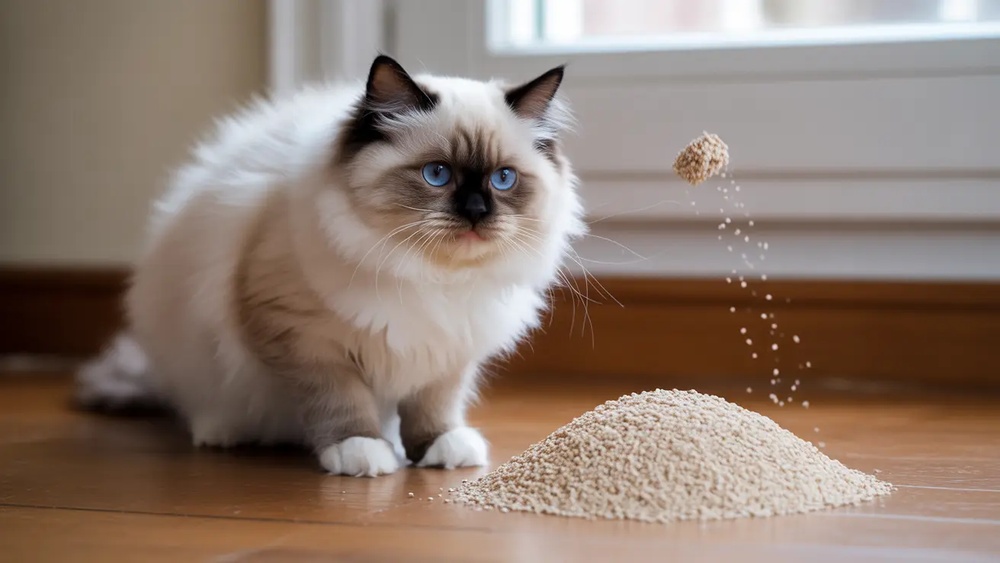
Have you ever found yourself wondering, “Why did my potty trained cat poop on the floor?” It’s confusing and frustrating when your cat, who seemed to have the litter box routine down perfectly, suddenly starts making a mess outside it. You might feel annoyed, worried, or even a little helpless.
But don’t worry—there are simple reasons behind this behavior, and understanding them can help you fix the problem quickly. Keep reading, because uncovering the cause is the first step to getting your home clean and your cat happy again.
Common Causes Of Indoor Cat Accidents
Indoor cat accidents can be confusing and frustrating for pet owners. Even a potty-trained cat might suddenly poop outside the litter box. Understanding the common causes helps fix the problem quickly. Cats use the litter box because it feels safe and clean. When something changes, accidents can happen. Below are the main reasons why your cat might poop on the floor.
Medical Issues
Health problems often cause cats to avoid the litter box. Urinary tract infections or digestive issues can make pooping painful. Cats may associate the pain with the litter box and avoid it. Parasites and constipation also lead to accidents. Visiting a vet is important to rule out medical causes.
Litter Box Problems
Dirty litter boxes turn cats away. Cats prefer a clean and fresh place to relieve themselves. The type of litter matters too. Some cats dislike scented or clumpy litter. A small or hard-to-reach box can cause accidents. Make sure the box is the right size and cleaned daily.
Stress And Anxiety
Cats feel stress just like people. Loud noises, new pets, or visitors can upset them. Stress may cause your cat to poop outside the litter box. They use this behavior to show discomfort or fear. Creating a calm environment helps reduce stress-related accidents.
Territorial Marking
Marking territory is natural for cats. Pooping outside the litter box can send a message to other animals. This behavior is common in multi-cat homes or when new pets arrive. Neutering or spaying often reduces marking. Providing separate litter boxes can also help.
Changes In Environment
Moving to a new home or rearranging furniture can confuse cats. They rely on routine and familiar spaces. Changes disrupt their habits and cause accidents. Keeping the litter box in the same place helps. Gradual adjustments allow cats to adapt better.

Credit: www.reddit.com
Medical Conditions Affecting Bathroom Habits
Changes in a cat’s bathroom habits often signal health problems. Medical conditions can cause a potty trained cat to poop outside the litter box. Recognizing these issues helps you act quickly. It protects your cat’s health and keeps your home clean.
Urinary Tract Infections
Urinary tract infections make peeing painful. A cat may avoid the litter box to escape discomfort. This can cause accidents on the floor. Watch for signs like frequent urination or blood in urine. A vet can diagnose and treat the infection fast.
Digestive Disorders
Digestive problems can change how your cat poops. Conditions like constipation or diarrhea make using the litter box hard. Your cat might poop outside to avoid pain or discomfort. Monitor your cat’s stool and eating habits. A vet visit helps find the cause and fix it.
Pain Or Mobility Issues
Pain from arthritis or injury makes movement tough. A cat may struggle to reach or squat in the litter box. This leads to accidents on the floor. Soft bedding or a low-entry litter box can help. Consult your vet for pain relief options and support.
Litter Box Setup And Maintenance
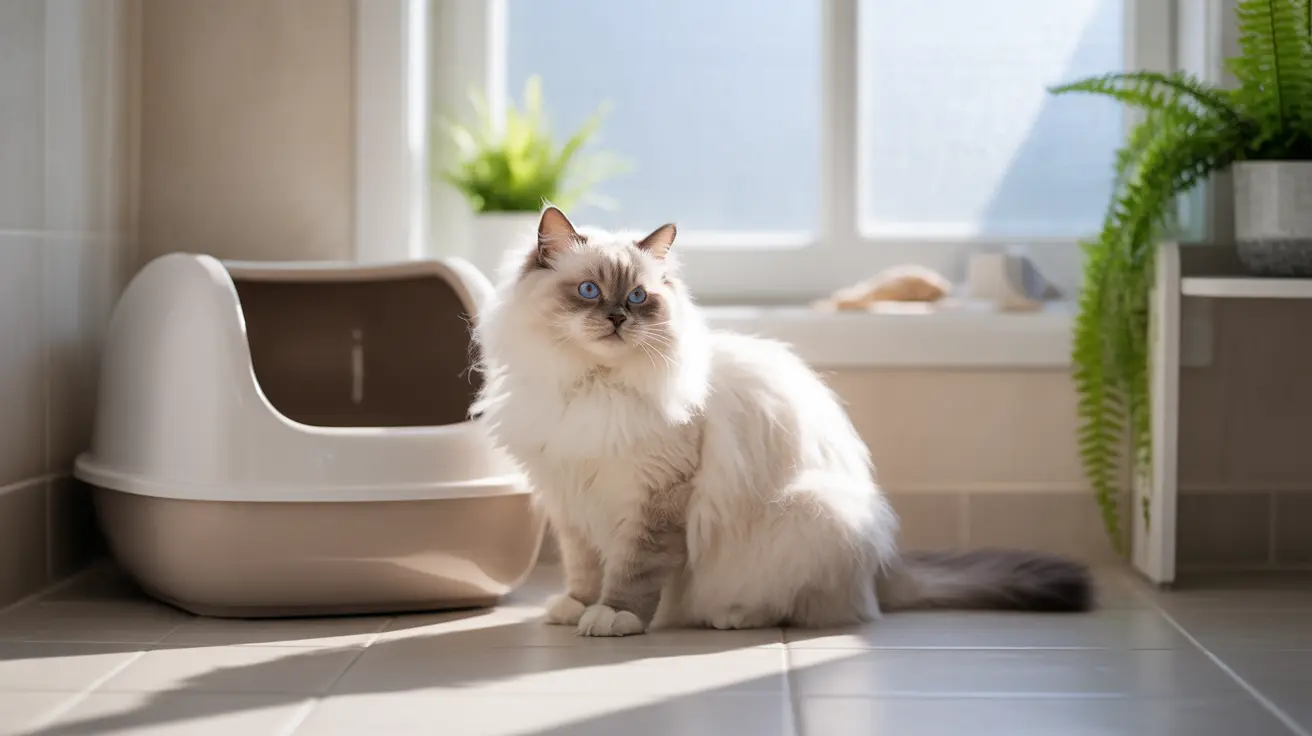
Setting up and keeping a litter box clean is key to stop your cat from pooping outside. Cats need a good place to go that feels safe and comfortable. Problems with the litter box can make your cat avoid it.
Type And Cleanliness Of Litter
Cats like certain types of litter. Soft, clumping litter often works best. If the litter smells bad or is dirty, cats will not use it. Scoop waste daily and change all the litter weekly. Clean the box with mild soap and warm water. Avoid strong smells like bleach or perfume.
Box Location And Accessibility
The litter box should be in a quiet, private spot. Loud noises or busy areas can scare your cat. Make sure your cat can get to the box easily. Avoid places with stairs or obstacles if your cat is older or sick. A good spot helps your cat feel safe to do their business.
Number Of Litter Boxes
Having enough boxes matters. The rule is one box per cat, plus one extra. If you have two cats, provide three boxes. This helps reduce fights and stress. More boxes mean your cat has options and less chance to go outside the box.
Credit: www.petscare.com
Behavioral Triggers And Solutions
Behavioral triggers often cause a potty-trained cat to poop on the floor. Understanding these triggers helps find the right solutions. Cats are sensitive to changes in their environment and routine. Stress or new situations can confuse them. This section explains common behavioral reasons and ways to fix them.
Stress Factors
Cats feel stress from loud noises, new smells, or changes in the home. Stress makes cats avoid their litter box. They may poop on the floor instead. To help, create a calm space for your cat. Use soft lighting and quiet sounds. Give your cat time to relax and feel safe.
Introducing New Pets Or Family Members
New pets or people can upset a cat’s sense of security. Cats may react by pooping outside the litter box. Keep new pets separated at first. Let your cat explore new family members slowly. Praise your cat for calm behavior. This helps your cat adjust without stress.
Changes In Routine
Cats like routine and predictability. A change in feeding time, cleaning schedule, or litter type can cause accidents. Keep a consistent routine for feeding and cleaning. Use the same litter and box location. Small changes can help your cat feel more comfortable and avoid accidents.
Preventing Future Accidents
Preventing future accidents is key to keeping your home clean and your cat happy. Understanding the reasons behind your cat’s behavior helps stop it from happening again. Small changes in care and environment make a big difference.
Focus on your cat’s health, comfort, and stress levels. These factors affect their bathroom habits. Here are some ways to prevent accidents and support your cat’s training.
Regular Vet Checkups
Health issues can cause your cat to avoid the litter box. Problems like urinary tract infections hurt and cause accidents. Regular vet visits catch these early. Treating illness quickly helps your cat return to normal habits. A healthy cat uses the litter box properly.
Improving Litter Box Appeal
Clean litter boxes invite cats to use them. Scoop waste daily and change litter often. Choose a litter your cat likes. Some prefer soft, unscented kinds. Place the box in a quiet, safe spot. Avoid noisy or busy areas. Make the litter box easy to reach. These steps make your cat comfortable using it.
Managing Stress And Anxiety
Stress causes many cats to stop using their litter box. Changes in the home or loud noises upset them. Keep a calm environment and give your cat a safe space. Use calming sprays or diffusers made for cats. Spend time playing and bonding with your cat. Less stress means fewer accidents on the floor.
Credit: www.reddit.com
Frequently Asked Questions
Why Did My Cat Suddenly Stop Using The Litter Box?
Cats may stop using the litter box due to stress, illness, or dirty litter. Changes in environment or litter type can also cause this behavior. It’s important to rule out medical issues by visiting a vet and keeping the litter box clean and accessible.
Can A Dirty Litter Box Cause My Cat To Poop Outside?
Yes, cats dislike dirty litter boxes and may avoid them. If the box is not cleaned regularly, your cat might choose to poop on the floor instead. Maintaining a clean litter area encourages proper use and prevents accidents.
How Does Stress Affect A Potty Trained Cat’s Behavior?
Stress from new pets, moving, or loud noises can cause a potty trained cat to poop on the floor. Stress disrupts their routine and comfort. Identifying and reducing stressors helps your cat return to using the litter box consistently.
Could A Medical Issue Cause My Cat’s Floor Pooping?
Medical problems like urinary tract infections or digestive issues can make cats avoid the litter box. Pain or discomfort may cause this behavior. A veterinarian’s checkup is essential to diagnose and treat any health concerns promptly.
Conclusion
A potty trained cat pooping outside the litter box can feel frustrating. Often, stress, health issues, or litter problems cause this behavior. Observe your cat closely and check the litter box cleanliness. Give your cat a quiet, safe place to relax.
Visit a vet to rule out medical problems. Patience and understanding help your cat return to good habits. Small changes can make a big difference. Keep trying, and your cat will likely use the litter box again.