
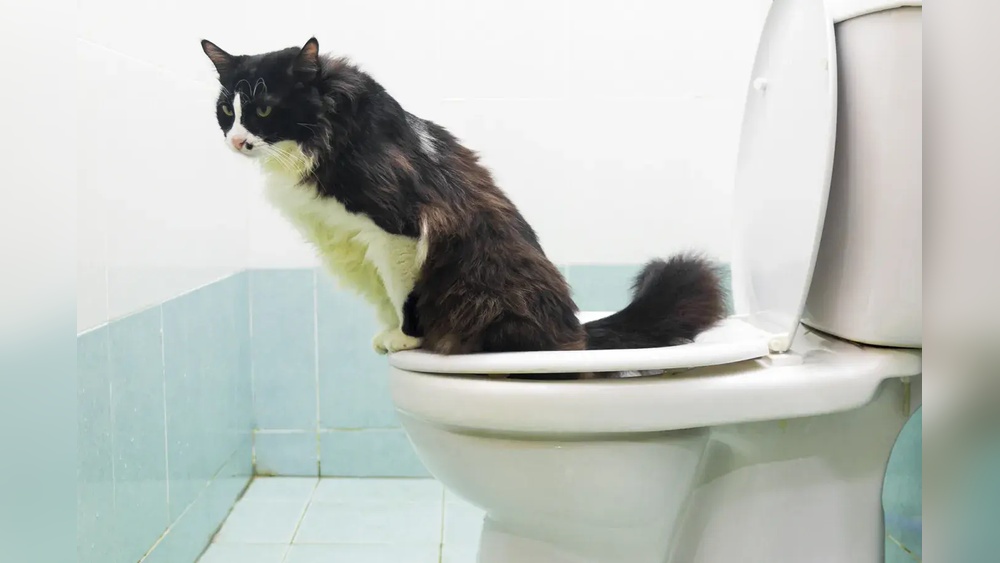
Have you ever wondered if potty training your cat is actually possible? If you’re tired of cleaning litter boxes or worried about your cat’s hygiene, you’re not alone.
The idea of teaching your feline friend to use the toilet sounds amazing, but does it really work? You’ll discover the truth behind potty training cats, what to expect, and whether it’s the right choice for you and your furry companion.
Keep reading, because what you learn here could change the way you care for your cat forever.
Potty Training Cats Basics
Potty training cats can feel tricky for many pet owners. Understanding the basics helps. Cats have natural habits that guide how they use the bathroom. Knowing these habits can make training easier. This section covers key points about potty training cats.
How Cats Naturally Use The Bathroom
Cats instinctively look for soft, loose soil to dig in. They bury their waste to hide their scent from predators. This behavior is strong and usually hard to change. Most cats prefer a clean, quiet spot to do their business. A litter box mimics this natural environment well. Cats will often refuse to use a dirty box. They like privacy and feel safe in their chosen spot.
Common Myths About Potty Training
One myth is that cats can easily be trained to use a human toilet. In reality, many cats get stressed by toilet training. Another myth says cats will stop using the litter box if trained. Some believe all cats hate litter boxes. The truth is, most cats prefer a box but need proper care. Training takes patience and understanding of cat behavior. Rushing can confuse cats and cause accidents.
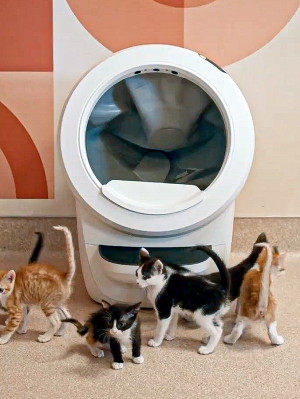
Credit: www.kinship.com
Benefits Of Potty Training
Potty training cats offers several benefits for both pets and owners. It helps create a cleaner home and reduces worries about litter boxes. Training your cat to use the toilet can bring comfort and ease daily life.
Hygiene And Cleanliness
Potty training cats improves hygiene around the house. It stops litter scatter and bad smells. The toilet is easier to clean than a litter box. This reduces germs and keeps your home fresh. Pets stay healthier in a clean environment. Less mess means less stress for you.
Cost And Convenience
Using the toilet cuts down on litter expenses. You no longer need to buy or replace litter regularly. Cleaning becomes faster and simpler. No more carrying heavy litter bags. Toilet training saves time spent on litter box maintenance. It also frees up space in your home.
Choosing The Right Method
Choosing the right method for potty training cats is important. Each cat is different and may respond better to one method. Understanding the options helps you pick what fits your cat’s personality and your home.
Patience and consistency are key. Some cats learn quickly, others take more time. The goal is to make the process easy and stress-free for your cat.
Litter Box Training
Litter box training is the most common method. It uses a box filled with special litter where cats can dig and bury waste. Most cats naturally prefer this method.
Place the litter box in a quiet, easy-to-access spot. Keep it clean to encourage use. Cats dislike dirty boxes and may refuse to use them.
Choose litter that is gentle on your cat’s paws. Some cats prefer unscented or natural litter. Watch your cat’s reaction to find the best type.
Using A Potty Trainer Kit
Potty trainer kits help transition cats from litter boxes to using a toilet. These kits usually include a special seat that fits on the toilet.
The seat holds litter at first, then slowly reduces it. This teaches cats to balance and use the toilet. The process takes time and patience.
Follow the kit’s instructions closely. Some cats may resist at first. Reward progress with treats and praise to keep them motivated.
Toilet Training
Toilet training means teaching your cat to use the toilet directly. It saves space and avoids litter mess. Not all cats can adapt to this method.
Start by moving the litter box closer to the toilet. Then raise it gradually until it is level with the toilet seat. Place the potty trainer seat on the toilet.
Allow your cat to get used to jumping on the toilet. Use treats to encourage this behavior. Be patient and keep training sessions short.

Credit: www.youtube.com
Step-by-step Training Process
Potty training a cat is possible with patience and the right steps. This process helps your cat learn new habits. It takes time but is rewarding for both you and your pet.
Breaking the training into clear steps makes it easier. Each step builds on the last, guiding your cat gently toward success. Consistency is key throughout the journey.
Preparing The Training Area
Start by choosing a quiet spot for the training area. It should be easy for your cat to reach. Remove any distractions or loud noises nearby.
Keep the area clean and comfortable. Use a small litter box or a potty training seat. Place it where your cat usually goes to the bathroom.
Introducing The Training Tools
Next, introduce the potty training tools slowly. Let your cat sniff and explore the new items. Avoid forcing your cat to use them immediately.
Use treats or gentle praise when your cat shows interest. This helps your cat feel safe and curious about the tools. Patience during this phase builds trust.
Encouraging Consistent Behavior
Watch your cat’s bathroom habits closely. Guide your cat to the training area at regular times. Praise or reward your cat after using the potty correctly.
Stay calm if accidents happen. Clean the area well to remove smells. Repeat the process daily to build a routine.
Common Challenges
Potty training cats is not always easy. Many pet owners face common challenges that slow the process. Understanding these hurdles helps prepare you better. Patience and persistence are key to success.
Reluctance To Use Training Tools
Cats may refuse training tools like litter boxes or potty seats. New objects can scare or confuse them. Some cats prefer soft surfaces, while others dislike change. It takes time for cats to adjust. Consistent use of tools helps cats get used to them.
Accidents And Setbacks
Accidents happen during training. Cats may urinate outside the box or miss the potty seat. Stress or changes in environment can cause setbacks. Cleaning accidents quickly is important. Avoid punishment as it can make cats fearful. Celebrate small wins to encourage good behavior.
Dealing With Multiple Cats
Training more than one cat adds difficulty. Each cat has different habits and needs. Some cats may block others from the potty area. Providing multiple training tools reduces conflicts. Watch their behavior and adjust training steps. Patience is even more important with several cats.
Tips For Long-term Success
Potty training cats takes effort and care. Success happens over time. Use smart methods to keep your cat using the litter box. Follow these tips to make training last and avoid problems.
Small habits create big results. Stay calm and clear in your approach. Your cat learns best with steady routines and kind guidance.
Positive Reinforcement Techniques
Reward good behavior quickly. Use treats or gentle praise when your cat uses the litter box. Positive signals help your cat understand what to do.
Never punish mistakes. Cats respond better to kindness. Make the litter box a happy place with soft words and rewards.
Maintaining Cleanliness
Keep the litter box clean every day. Cats avoid dirty boxes. Scoop waste often and change litter regularly.
Place the box in a quiet, easy-to-reach spot. Avoid strong smells near the box. Cleanliness encourages your cat to keep using it.
Patience And Consistency
Training takes time. Be patient and expect some accidents. Stay calm and keep routines consistent.
Feed your cat at the same times. Keep litter box habits steady. Consistency helps your cat feel safe and learn faster.
When To Seek Professional Help
Training a cat to use the potty can be challenging. Sometimes, problems arise that are hard to fix alone. Knowing when to seek professional help saves time and stress. Experts can identify issues faster. They offer solutions tailored to your cat’s needs.
Behavioral Issues
Some cats refuse to use the litter box or potty. This can signal deeper behavior problems. Stress, fear, or changes at home may cause this. Professionals help find the root cause. They teach ways to calm your cat. They also guide you on consistent training steps. Ignoring these signs can worsen the problem.
Health Concerns
Sudden changes in bathroom habits might mean illness. Urinary tract infections and kidney problems are common. Cats in pain avoid the potty. A vet check is necessary to rule out health issues. Early treatment prevents serious conditions. Professionals can suggest the best care and training adjustments.
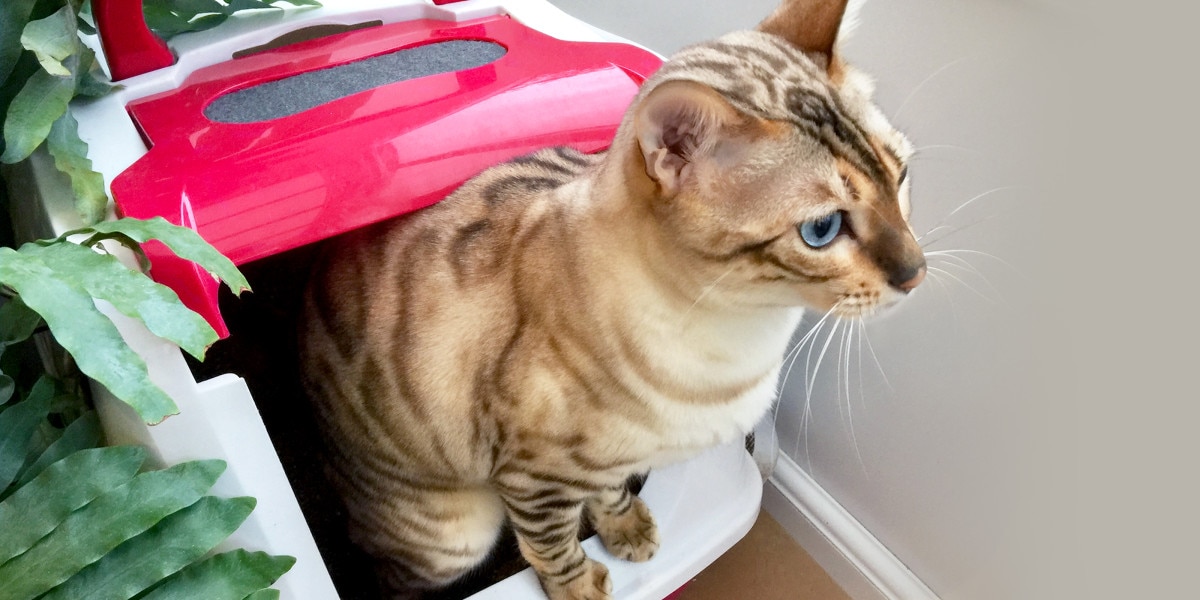
Credit: www.purina.com
Frequently Asked Questions
Does Potty Training Cats Really Work?
Yes, potty training cats can work with patience and consistency. Many cats learn to use a litter box or a designated spot, reducing accidents and improving hygiene. Success depends on the cat’s temperament and the training method used.
How Long Does It Take To Potty Train A Cat?
Potty training a cat usually takes 2 to 6 weeks. Some cats learn faster, while others need more time. Consistent routines and positive reinforcement speed up the process and help cats adapt to new habits.
What Are Common Challenges In Potty Training Cats?
Common challenges include accidents, resistance to change, and fear of the training area. Cats may prefer familiar spots or dislike the litter type. Patience, proper cleaning, and gradual introduction help overcome these obstacles.
Can All Cats Be Potty Trained Successfully?
Most cats can be potty trained, but success depends on age, personality, and past experiences. Kittens usually adapt faster than adult cats. Some cats with behavioral or medical issues may need extra support or alternative approaches.
Conclusion
Potty training cats can work, but it takes time and patience. Not every cat will like or accept the idea. Some cats learn quickly, while others resist the change. Success depends on your cat’s personality and your consistency. Be calm and gentle during training sessions.
Keep expectations realistic and avoid frustration. In the end, a clean home and happy cat matter most. Try it carefully and see what fits your pet best. Potty training might be worth a try for some cat owners.