
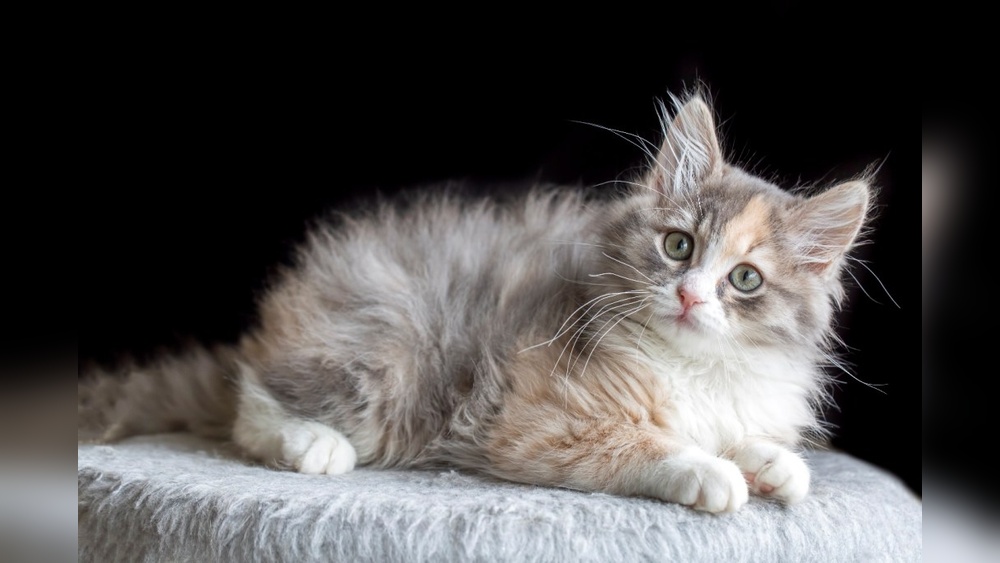
Are you passionate about cats and thinking of starting your own breeding adventure? Buying from a hobbyist cat breeder can be an exciting step, but it also comes with important choices that affect your experience and the health of your future feline friends.
You’ll discover what to look for, how to avoid common pitfalls, and why choosing the right breeder matters more than you might think. Keep reading to make sure your journey into cat breeding begins on the right paw.

Credit: www.kittensup4sale.com
Choosing Quality Breeding Cats
Choosing quality breeding cats is the first step for any hobbyist cat breeder. Good cats mean better kittens. Healthy and well-bred cats produce strong, beautiful litters. This choice affects your breeding success and the cats’ well-being.
Knowing how to pick the right cats helps avoid health issues and poor traits. Each cat should meet clear standards. This ensures your breeding program stays trustworthy and rewarding.
Selecting Healthy Cats
Start with cats that show no signs of illness. Check their eyes, coat, and teeth carefully. A healthy cat is active and alert. Avoid cats with breathing problems or skin issues. Ask for veterinary health records. Regular check-ups prove the cat’s good health. Strong cats have better chances to produce healthy kittens.
Evaluating Breed Standards
Each breed has specific traits to look for. Study the official breed standards well. Notice the shape, size, and colors required. A good breeder respects these rules strictly. Cats that meet standards have better chances in shows. They also carry the desired traits for future generations. Avoid cats with major faults or mixed traits.
Finding Reputable Sellers
Choose sellers with good reputations in the cat community. Check reviews and ask for references. Honest sellers provide clear information about their cats. They share health records and breeding history openly. Avoid sellers who hide details or rush sales. Trustworthy breeders want healthy cats to thrive.
Setting Up A Safe Environment
Setting up a safe environment is the first step for any hobbyist cat breeder. Cats need a space that feels secure and calm. A safe place helps reduce stress and supports their health. Proper care begins with the right setup at home.
Creating Comfortable Living Spaces
Choose quiet rooms with soft lighting. Cats enjoy cozy spots for resting. Use blankets, cushions, and small beds. Provide hiding places like boxes or covered areas. Keep their space away from loud noises and busy areas. Make sure the room temperature stays steady and warm. A calm space helps cats feel safe and happy.
Ensuring Proper Hygiene
Clean the cat’s living area every day. Remove waste and old food promptly. Use mild cleaning products safe for animals. Wash bedding regularly to prevent smells and germs. Keep litter boxes in a separate, clean spot. Good hygiene reduces illness risks. Healthy cats grow better and feel comfortable.
Providing Adequate Nutrition
Feed cats a balanced diet suited to their age and health. Fresh water must be available at all times. Use high-quality cat food with necessary nutrients. Avoid sudden changes in diet to prevent stomach upset. Small, frequent meals work best for kittens. Proper nutrition supports growth and energy.
Necessary Supplies And Equipment
Starting as a hobbyist cat breeder means gathering the right supplies and equipment. These items help keep cats healthy and comfortable. Proper tools support feeding, grooming, and breeding tasks. Good preparation ensures smooth care for cats and kittens.
Essential Feeding Tools
Feeding cats requires specific tools for hygiene and ease. Use sturdy food and water bowls that are easy to clean. Automatic feeders can help maintain regular meal times. Measuring cups ensure correct food portions for each cat. Fresh water should always be available in clean containers.
Grooming And Health Care Items
Regular grooming keeps cats clean and reduces shedding. A soft brush suits most cat fur types. Nail clippers prevent overgrown claws and injuries. Use pet-safe shampoo for occasional baths. Keep a basic first aid kit handy for minor cuts and scrapes. A good thermometer helps monitor cat health.
Breeding And Birthing Supplies
Prepare a quiet, warm area for birthing. Use clean towels and soft blankets for comfort. Heating pads provide extra warmth for newborn kittens. Keep a scale to track kitten growth daily. Have a notebook to record breeding dates and kitten health notes. Sterile scissors and iodine help if cutting the umbilical cord is necessary.

Credit: tolyn.com
Understanding Legal And Ethical Responsibilities
Understanding legal and ethical responsibilities is crucial for any hobbyist cat breeder. It ensures the well-being of cats and keeps breeding practices lawful. Following rules protects both the breeder and the cats. Ethical choices build trust and respect in the cat breeding community.
Registering Your Cats
Registering cats with a recognized cat registry is essential. It proves the cat’s pedigree and lineage. Registration helps track breeding history and maintain breed standards. It also allows breeders to participate in cat shows and competitions. Always use official forms and keep records updated.
Health Testing Requirements
Health testing prevents passing genetic diseases to kittens. Tests vary depending on the cat breed. Common tests check for heart, kidney, and infectious diseases. Only breed cats that pass all required tests. Health testing protects the future generation of cats.
Ethical Breeding Practices
Ethical breeding means caring for cats’ health and happiness. Avoid breeding cats with poor health or bad temperaments. Provide proper food, shelter, and veterinary care. Never breed cats too often or at too young an age. Responsible breeders focus on quality, not quantity.
Managing Finances Wisely
Managing finances wisely is key for hobbyist cat breeders. Careful money management helps keep the cats healthy and the business stable. Planning expenses avoids surprises and stress. It lets breeders focus on their passion without financial worries.
Budgeting For Initial Purchases
Start by listing all initial costs. These include buying cats, cages, and supplies. Think about vaccinations and health checks too. Set a clear budget and stick to it. This prevents overspending before the breeding starts.
Ongoing Care Costs
Daily expenses add up fast. Food, litter, and grooming tools are regular costs. Don’t forget vet visits and medicines. Track all spending carefully. Knowing monthly costs helps keep the budget balanced.
Planning For Emergencies
Unexpected problems happen. Illness or injury can mean high vet bills. Create an emergency fund for these cases. Save a small amount regularly. This fund protects cats and your finances in tough times.
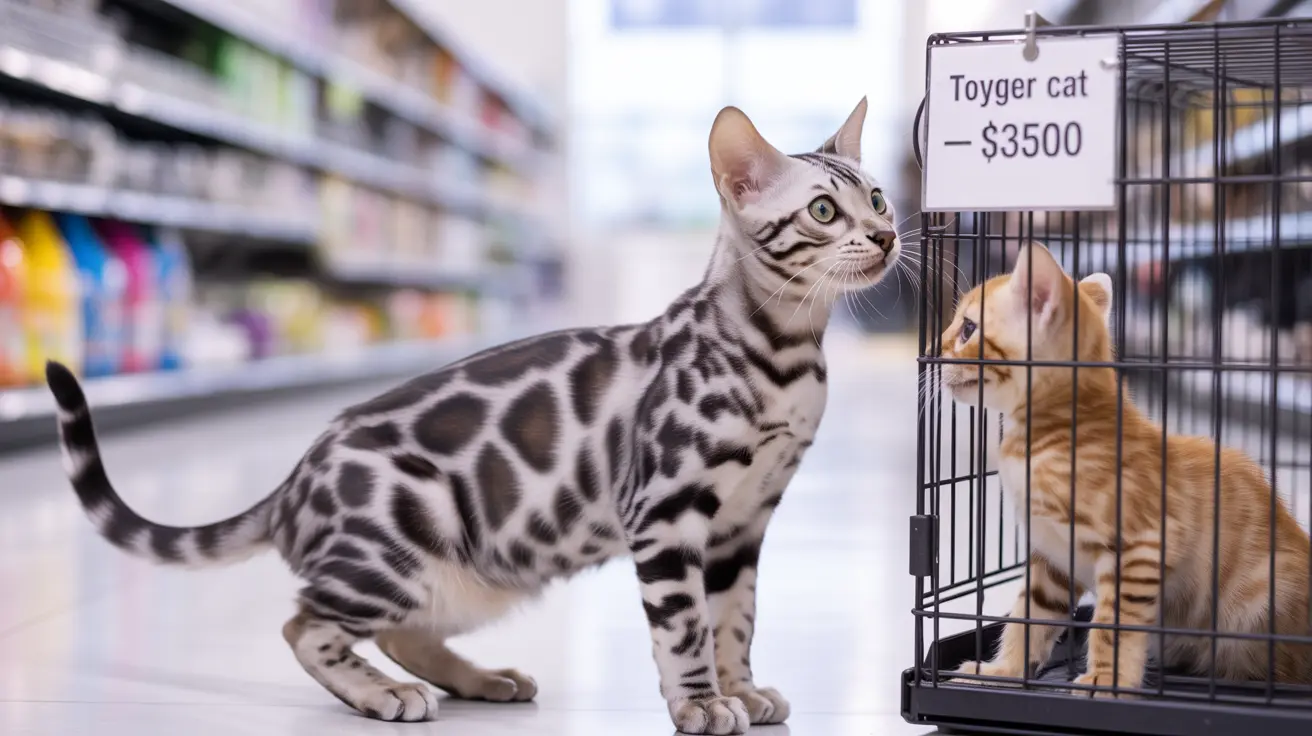
Credit: www.petscare.com
Building Knowledge And Support Networks
Building knowledge and support networks plays a key role for hobbyist cat breeders. It helps them learn best practices and solve problems faster. Connecting with others creates a strong foundation for success and growth. These networks provide valuable advice, moral support, and new ideas.
Joining Breeder Communities
Joining breeder communities offers a chance to meet like-minded people. These groups share tips on care, breeding, and health. Members often exchange experiences and resources. It creates a safe space to ask questions and get honest answers. Online forums and local clubs both work well for this.
Attending Workshops And Seminars
Workshops and seminars teach practical skills and important knowledge. Experts cover topics like genetics, nutrition, and kitten care. These events often include hands-on sessions for better learning. Attending helps breeders stay updated on new trends and rules. It also provides opportunities to network with professionals.
Consulting Experienced Breeders
Experienced breeders offer insights gained from years of practice. They can guide new breeders through challenges and decisions. Consulting them prevents common mistakes and improves breeding outcomes. Many offer mentorship or informal advice. Building these relationships enriches both knowledge and confidence.
Frequently Asked Questions
What Should A Hobbyist Cat Breeder Consider Before Purchasing?
A hobbyist cat breeder should research breed standards and health history. Check the seller’s reputation. Consider the cat’s temperament and genetic background for healthy breeding.
How To Find Reputable Sellers For Hobbyist Cat Breeders?
Look for breeders with positive reviews and proper certifications. Visit cat shows or breeder associations. Ask for health clearances and meet the cats in person before buying.
What Costs Are Involved In Purchasing Cats For Breeding?
Costs include the purchase price, vaccinations, vet checkups, and registration fees. Budget also for food, grooming, and unexpected health expenses to ensure proper cat care.
How To Ensure The Purchased Cat Is Healthy For Breeding?
Request veterinary health certificates and genetic testing results. Observe the cat’s behavior and physical condition. Avoid cats with visible illnesses or poor temperament to maintain breeding quality.
Conclusion
A hobbyist cat breeder finds joy in caring for cats every day. Choosing the right cats helps create a happy and healthy environment. Patience and love make breeding a rewarding experience. Learning about cats and their needs is important for success.
Sharing knowledge with other breeders builds a strong community. Each new cat brings excitement and new challenges. Breeding is not just a hobby; it’s a passion. Keep caring, learning, and enjoying every moment with your cats.