
Are you worried about allergies but still want a furry friend to cuddle? You’re not alone.
Many people ask, “Are any cat breeds truly hypoallergenic? ” The idea of a pet that won’t trigger your sneezes or itchy eyes sounds perfect. But is it really possible? You’ll discover which cats might be easier on your allergies, what causes those reactions, and how to find a cat that fits your lifestyle.
Keep reading to find out if you can enjoy the love of a cat without the sniffles.

Credit: www.thepioneerwoman.com
What Causes Cat Allergies
Many people love cats but suffer from allergies. Understanding what causes cat allergies helps manage symptoms better. Cat allergies come from proteins found on cats. These proteins can cause the immune system to react. Let’s explore the common allergens and how they trigger allergic reactions.
Common Allergens In Cats
The main allergen in cats is a protein called Fel d 1. It is found in cat saliva, skin, and urine. When cats groom themselves, the allergen spreads on their fur. Dander, which is tiny skin flakes, carries these proteins. Cat hair itself does not cause allergies but holds the allergens. Other allergens include proteins from cat urine and saliva.
How Allergens Trigger Reactions
When a person allergic to cats touches or breathes in these proteins, the immune system reacts. The body sees the allergen as a threat and releases chemicals. One chemical, histamine, causes allergy symptoms like sneezing and itching. Allergens can stick to clothing and furniture, making exposure longer. This reaction causes watery eyes, runny nose, and skin irritation.

Credit: www.happypawsus.com
Traits Of Hypoallergenic Cats
Hypoallergenic cats have special traits that reduce allergic reactions. These cats produce fewer allergens or spread less dander in the air. Understanding these traits helps people choose cats that suit their allergies. Two main factors stand out in hypoallergenic cats: allergen production and coat type.
Low Allergen Production
Allergens mainly come from a protein called Fel d 1. It is found in cat saliva, skin, and urine. Hypoallergenic cats produce less Fel d 1 than other cats. Less Fel d 1 means fewer allergy symptoms. Some breeds naturally make less of this protein. Others have a different body chemistry that controls allergen spread.
Coat Type And Shedding
Cat fur holds allergens and spreads dander. Hypoallergenic cats often have coats that shed less. Less shedding means fewer allergens in the environment. Some have hair instead of fur, which traps dander better. Others have short or curly fur that holds allergens close. Regular grooming also helps reduce allergens on the coat.
Popular Hypoallergenic Cat Breeds
Many people with allergies want to enjoy the company of cats. Some cat breeds cause fewer allergic reactions. These breeds are known as hypoallergenic cats. They produce fewer allergens or shed less fur. Here are some popular hypoallergenic cat breeds.
Siberian Cats
Siberian cats have thick, long fur but produce less allergen. Their coat traps allergens close to their skin. This reduces allergens in the air. They are friendly and playful pets.
Balinese Cats
Balinese cats have silky, medium-length fur. They produce less of the Fel d 1 protein. This protein causes most cat allergies. They are social and enjoy being around people.
Sphynx Cats
Sphynx cats have no fur. This means fewer allergens spread around the home. They need regular baths to remove oils on their skin. They are very loving and active cats.
Russian Blue Cats
Russian Blue cats have short, dense fur. They produce less Fel d 1 allergen. Their coat traps allergens close to the skin. They are calm and gentle companions.
Devon Rex Cats
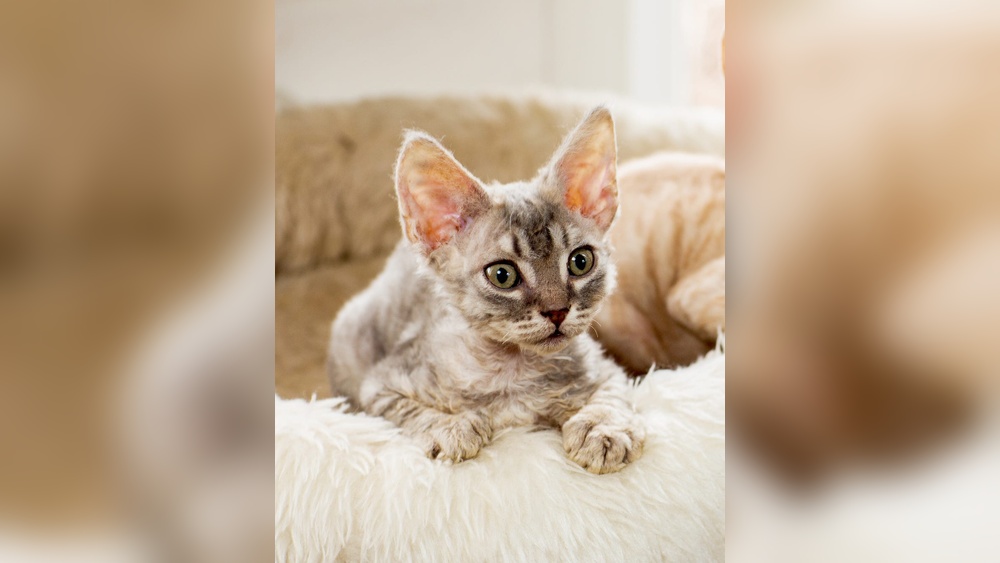
Devon Rex cats have short, curly fur. They shed very little hair and dander. This helps reduce allergens in the environment. They are playful and enjoy human attention.
Living With Allergies And Cats
Living with allergies and cats can be challenging. Many people love cats but suffer from sneezing, itching, or watery eyes. Allergies come from proteins found in cat skin flakes, saliva, and urine. Understanding how to manage these allergens helps create a comfortable home. You can enjoy the company of a cat without constant allergy discomfort.
Allergy Management Tips
Choose cat breeds known to produce fewer allergens. Keep your cat out of your bedroom to reduce allergen exposure. Wash your hands after touching your cat. Use air purifiers with HEPA filters to clean the air. Take allergy medications as recommended by your doctor. Regularly change air filters in your home. Avoid carpets and heavy curtains that trap allergens.
Cleaning And Grooming Practices
Clean your home often using a vacuum with a HEPA filter. Wipe surfaces with a damp cloth to remove dust and dander. Bathe your cat occasionally to reduce allergens on their fur. Brush your cat outdoors to prevent spreading allergens inside. Wash your cat’s bedding and toys weekly. Use allergen-reducing sprays designed for pets. These steps lower allergen levels and help manage symptoms.
Myths About Hypoallergenic Cats
Many people believe some cat breeds do not cause allergies. This idea has created many myths about hypoallergenic cats. It is important to understand the truth behind these myths. Clearing up confusion helps allergy sufferers make better choices. Let’s explore common myths about hypoallergenic cats.
No Cat Is 100% Hypoallergenic
No cat breed is completely hypoallergenic. All cats produce allergens, mainly a protein called Fel d 1. This protein is found in cat saliva, skin, and fur. Even cats with less fur still carry this protein. Some breeds shed less or produce fewer allergens. This can reduce allergy symptoms but not fully prevent them. Saying any cat is 100% safe for allergy sufferers is misleading.
Allergen Levels Vary Among Individuals
People react to cat allergens differently. Some may tolerate certain breeds better than others. Allergies depend on individual sensitivity and immune response. A breed that causes no problem for one person may trigger another’s allergies. Factors like cleaning habits and air quality also affect symptoms. Testing personal reactions before adopting a cat is smart. Each person’s experience with allergens can vary widely.
Choosing The Right Cat For Allergy Sufferers
Choosing the right cat for allergy sufferers takes careful thought. Allergies vary from person to person. Some cats may cause less reaction but no breed is fully hypoallergenic. Finding a pet that fits your health needs is key. This helps create a safe and happy home for both you and your new cat.
Testing Before Adoption
Spend time with the cat before adopting. Visit shelters or breeders and hold the cat. Notice any sneezing, itching, or watery eyes. This test helps predict your body’s reaction. Try spending at least an hour near the cat. This reduces surprises after bringing it home.
Consulting Allergy Specialists
See an allergy doctor before choosing a cat. Specialists can perform tests to find your triggers. They may suggest treatments or precautions. Advice from experts helps you manage symptoms better. This step improves your chances of living well with a cat.

Credit: www.thepioneerwoman.com
Frequently Asked Questions
Are There Truly Hypoallergenic Cat Breeds?
No cat breed is completely hypoallergenic. Some breeds produce fewer allergens, reducing allergic reactions in sensitive people, but no cat is 100% allergen-free.
Which Cat Breeds Cause Fewer Allergies?
Breeds like Siberian, Balinese, and Sphynx produce fewer allergens. These cats may trigger fewer allergy symptoms in most people.
Why Are Some Cats Considered Hypoallergenic?
Hypoallergenic cats produce less Fel d 1 protein, the main allergen in cat saliva and dander. Less protein means fewer allergy triggers.
Can Hypoallergenic Cats Prevent All Allergic Reactions?
Hypoallergenic cats reduce allergen exposure but don’t eliminate allergies entirely. Sensitive individuals may still experience mild symptoms around these cats.
Conclusion
Some cat breeds may cause fewer allergy problems. No cat is fully hypoallergenic, but some shed less. This means less dander, the main allergy trigger. People with mild allergies might do well with these cats. Always spend time with a cat before adopting.
This helps check your allergy reaction. Choosing the right breed can make living with cats easier. Understanding allergies helps create a happy home for both you and your pet.