
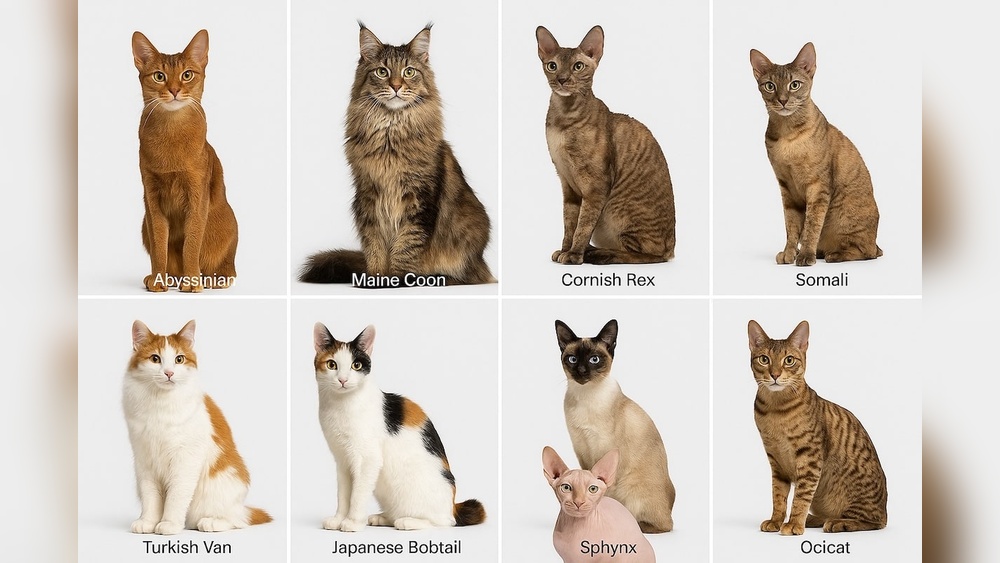
Have you ever wondered if cat breeds are truly different or just a way to name common cats? You might think all cats look alike, but there’s more to it than meets the eye.
Understanding whether cat breeds are real can change how you see your furry friend. You’ll discover surprising facts that will make you appreciate your cat even more. Keep reading to find out the truth behind cat breeds and why it matters to you.
Origins Of Cat Breeds
Cats have been part of human life for thousands of years. Their breeds come from different origins. Some breeds appeared naturally. Others were created by people. Understanding these origins helps explain why cats look and act so differently.
Natural Vs. Man-made Breeds
Natural breeds developed without human help. These cats adapted to local environments. Their traits helped them survive in the wild. Examples include the Maine Coon and the Norwegian Forest Cat.
Man-made breeds come from human efforts. Breeders chose specific traits to create new types. These breeds often have unique looks or behaviors. The Siamese and Persian cats are good examples.
Historical Breed Development
Many cat breeds have rich histories. Some trace back to ancient times. The Egyptian Mau is one of the oldest known breeds. Other breeds appeared more recently, during the 19th and 20th centuries. Each breed’s history reflects the culture and place it came from.
Role Of Selective Breeding
Selective breeding is key to creating new cat breeds. Breeders pick cats with desired traits to mate. This process repeats over generations. It enhances features like coat color, size, or personality. Selective breeding shapes the wide variety of cats we see today.

Credit: www.latimes.com
How Cat Breeds Are Classified
Cat breeds are grouped using clear rules and traits. These rules help people understand what makes each breed unique. Classification involves looking at how cats look, behave, and their genes. This system brings order to the many types of cats worldwide.
Breed Standards And Registries
Breed standards describe the ideal look of a cat. These include size, coat color, and eye shape. Cat clubs use these standards to judge cats in shows. Registries keep records of purebred cats. They ensure cats meet the set breed requirements. Only cats that match these standards get registered.
Physical Traits And Temperament
Physical traits like fur type and body shape matter. Some breeds have long hair, others short or curly. Eye color and ear shape also play a role. Temperament means how cats behave. Some breeds are calm, others very active or social. These traits help identify a breed’s character.
Genetic Markers
Genes hold clues about a cat’s breed. Scientists study DNA to find breed markers. These markers show a cat’s ancestry and breed mix. Genetic testing helps confirm breed identity. It also finds hidden traits not seen outside. This science adds accuracy to breed classification.
Popular Cat Breeds And Their Traits
Many people wonder about the different types of cats. Cat breeds vary in looks and personality. Knowing popular breeds helps understand their needs better.
Each breed has unique traits. Some enjoy being active, others love calm times. Let’s explore some well-known cat breeds and their special features.
Siamese And Oriental Cats
Siamese cats are famous for their striking blue eyes and short coat. They are very talkative and social. Siamese cats love attention and enjoy playing. Oriental cats share a similar body type but come in many colors. They are curious and intelligent. Both breeds need lots of interaction and mental stimulation.
Persians And Exotic Longhairs
Persians have long, thick fur and a gentle nature. They prefer calm environments and quiet homes. Exotic Longhairs look like Persians but have shorter fur. They are playful yet relaxed. Both breeds require regular grooming to keep their coats clean. These cats enjoy peaceful companionship and soft places to rest.
Maine Coons And Norwegian Forest Cats
Maine Coons are large with tufted ears and bushy tails. They are friendly and good with children. Norwegian Forest Cats have thick coats for cold weather. They are strong and love climbing. Both breeds are hardy and adapt well to homes with space. They like gentle play and quiet moments.
Debunking Common Myths
Many people have questions about cat breeds and what they really mean. Some ideas about breeds are not fully true. This section clears up some common wrong ideas. It helps you understand cat breeds better.
Knowing the truth about cat breeds makes it easier to appreciate all cats. Every cat is special, no matter the breed or mix. Let’s explore some myths and facts.
Are All Cat Breeds Genetically Distinct?
Not all cat breeds have big genetic differences. Many breeds share similar genes. Differences often come from small changes in appearance or behavior.
Genetic studies show cats have less variety than dogs. Some breeds are created by mixing others. This means many breeds are closely related.
Misconceptions About Breed Purity
People think purebred cats are always better or healthier. This is not true. Purebred cats can have health problems from inbreeding.
“Pure breed” means the cat’s parents were the same breed. It does not mean the cat is perfect or stronger. Mixed cats often live long and healthy lives.
Impact Of Mixed Breeds
Mixed breed cats are very common and loved. They can have traits from different breeds. Mixed cats often have fewer health problems than purebreds.
Mixed cats show a wide range of looks and personalities. They prove that breed is not the only thing that matters. Every cat deserves love and care, no matter its breed.
The Role Of Genetics In Feline Variety
Genetics plays a key role in the variety seen in cat breeds. It controls how cats look and behave. Different genes create unique traits in each breed. These traits can be color, size, or even personality. Understanding genetics helps explain why cats of the same breed share many features. It also shows why some cats look very different.
Genetics works alongside the environment. Both shape the final appearance and health of cats. Breeders use genetic knowledge to develop new breeds. This science helps keep breed traits strong and stable over time.
Inherited Traits Vs. Environmental Factors
Inherited traits come from a cat’s parents. These include fur color, eye shape, and body size. Genes pass these traits from one generation to the next. Environmental factors do not change genes. They affect a cat’s health and behavior. Food, climate, and care are examples. Both inherited traits and environment shape a cat’s life.
Genetic Diversity And Health
Genetic diversity means many different genes in a population. High diversity helps cats resist diseases. It also reduces inherited health problems. Some breeds have low diversity. This can cause health issues like heart disease or blindness. Breeders try to keep diversity high. They breed cats carefully to avoid health risks.
Future Of Cat Breeding
Future breeding will use new genetic tools. These tools can identify healthy genes. Breeders will select cats with strong genetics. This helps create healthier breeds. Genetic testing may stop diseases before they appear. The goal is happy, healthy cats with unique traits.

Credit: www.latimes.com
Choosing A Cat Based On Breed
Choosing a cat based on breed can help match your lifestyle and preferences. Each breed has unique traits that affect care and behavior. Knowing these differences makes owning a cat easier and more enjoyable.
Breed-specific Care Needs
Some cat breeds need special grooming. Long-haired cats, like Persians, require daily brushing. Short-haired cats usually need less care. Certain breeds may need special diets or health checks. Understanding these needs helps keep your cat healthy.
Behavioral Expectations
Different breeds show different behaviors. Siamese cats are talkative and social. Maine Coons are gentle and playful. Some breeds like Bengal cats are very active. Knowing these traits helps you prepare for your cat’s personality.
Adopting Vs. Buying
Adopting gives a home to cats in need. Shelters often have mixed breeds with great traits. Buying from breeders allows choosing specific breeds. Both options have benefits. Think about your budget and goals before deciding.
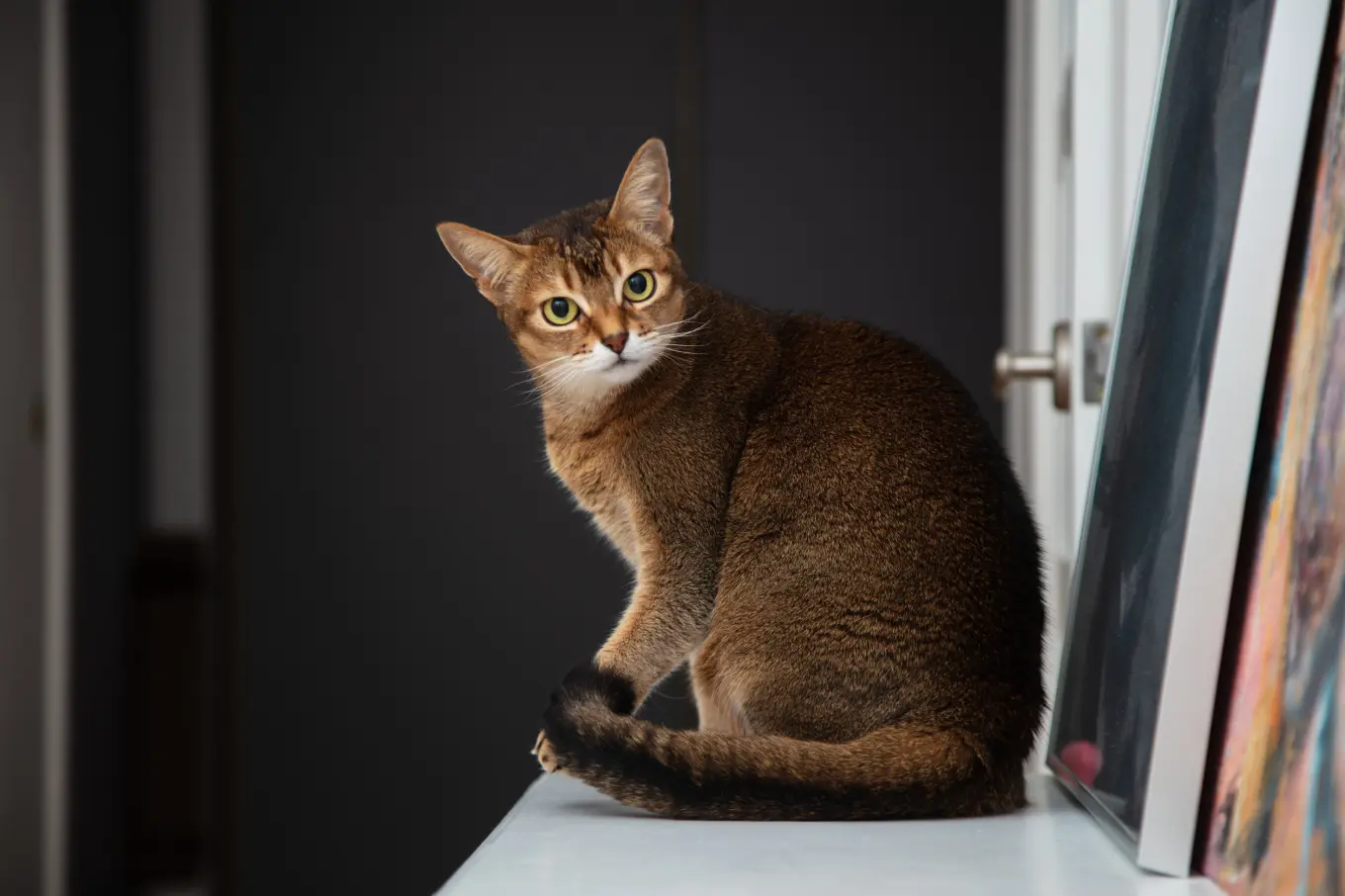
Credit: www.newsweek.com
Frequently Asked Questions
What Defines A Cat Breed As Real?
A real cat breed has a distinct genetic lineage and recognized traits. Official cat associations verify these breeds. They meet specific standards in appearance and behavior. This recognition ensures breed authenticity and consistent characteristics across generations.
How Many Cat Breeds Are Officially Recognized?
Globally, over 70 cat breeds are recognized by major cat associations. These include breeds like Siamese, Persian, and Maine Coon. Recognition depends on breed history, genetics, and breed standards. New breeds undergo evaluation before official acceptance.
Can Cat Breeds Mix And Still Be Real?
Yes, mixed breeds are common but not considered pure breeds. Purebred cats come from controlled breeding with documented ancestry. Mixed breeds may have traits from multiple breeds but lack official recognition. They are often called domestic or moggy cats.
Why Do Cat Breeds Differ In Appearance?
Cat breeds differ due to selective breeding for traits like coat, size, and personality. Genetic variations create unique physical and behavioral features. These differences help identify breed lineage and maintain breed standards. It also caters to diverse owner preferences.
Conclusion
Cat breeds do exist and have unique traits. People select breeds for looks and personality. These breeds come from many years of careful breeding. Each breed has special features you can spot. But all cats are loving and fun pets.
Breed names help us understand differences in cats. Whether purebred or mixed, cats make great friends. Knowing about breeds helps you choose the right cat. In the end, all cats deserve love and care.