
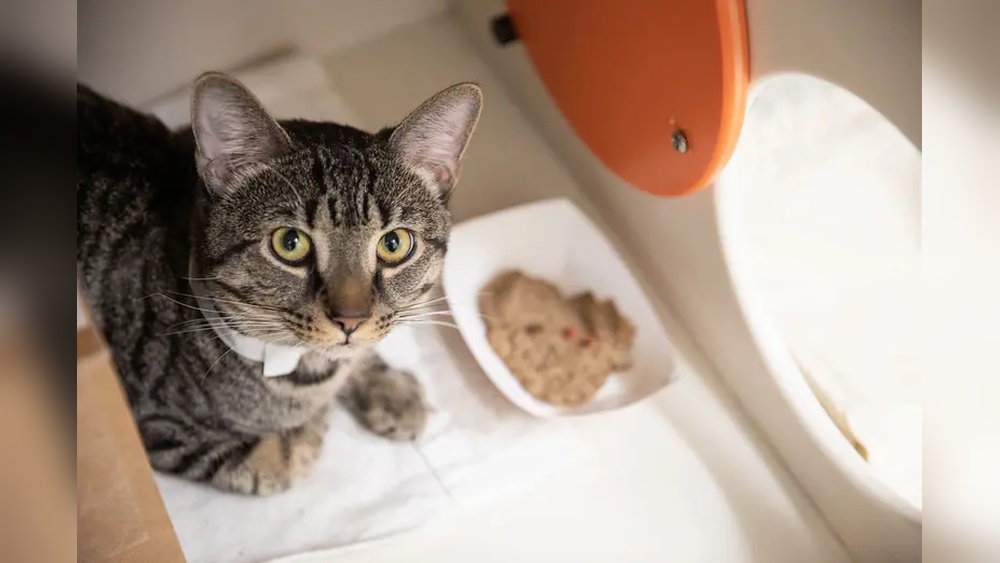
Are you thinking about adopting a cat from a shelter but worried about potty training? You’re not alone.
Many people wonder if shelter cats come ready to use the litter box or if they’ll need extra help. Understanding what to expect can save you time and stress. You’ll discover the truth about shelter cats and their potty habits, plus tips to make the transition smooth for both you and your new furry friend.
Keep reading to find out how easy—or tricky—this part of cat ownership really is!
Cats And Litter Box Habits
Cats are known for their clean habits. Most cats naturally use a litter box. This behavior helps keep your home clean and odor-free.
Understanding how cats use the litter box can ease the transition for shelter cats. It also helps you provide a comfortable space for them.
Natural Instincts
Cats have a strong instinct to bury their waste. This comes from their wild ancestors. Hiding waste helps avoid predators and keeps their area safe.
Even shelter cats keep this instinct. They usually prefer a quiet, private place to go. This natural behavior makes litter training easier.
Litter Box Basics
Most cats from shelters know how to use a litter box. They learn from their mothers as kittens. Shelter staff also help reinforce this skill.
Place the litter box in a quiet, low-traffic area. Use clean, unscented litter to attract cats. Clean the box daily to encourage use.
New cats may need time to adjust. Patience and consistency help them feel safe and comfortable.
Shelter Cats’ Training Status
Shelter cats often come with different levels of training. Many shelters work hard to ensure cats are ready for a home. Knowing a cat’s potty training status helps adopters prepare better. Some cats are fully trained, while others need time and patience.
Typical Shelter Practices
Shelters usually provide cats with litter boxes. This helps cats learn where to go potty. Staff clean litter boxes daily to keep cats comfortable. Volunteers often watch for signs of proper potty habits. Most cats leave the shelter knowing how to use a litter box.
Variations Among Shelters
Not all shelters follow the same training routines. Some have strict potty training programs. Others focus more on health and safety than training. The cat’s age and history affect training success. Cats from high-stress shelters may need extra time to adjust.
Challenges With Shelter Cats
Adopting a cat from a shelter can bring many joys. Yet, shelter cats face unique challenges. These challenges can affect their potty training habits. Understanding these issues helps new owners care better for their pets.
Shelter cats often live in noisy, crowded places. This environment causes stress. Stress impacts a cat’s behavior and litter box use. Learning about these difficulties supports patience and proper care.
Stress And Behavior
Stress changes how cats act. In shelters, cats feel scared and confused. This fear can cause accidents outside the litter box. Stress makes cats avoid using the box or hide their needs. Adjusting to a calm home takes time and care.
Sudden changes in surroundings can also confuse cats. They might not recognize the new litter box. This confusion leads to mistakes. Providing a quiet, safe space helps cats feel secure. Gradual introduction to the litter box improves habits.
Previous Experiences
Many shelter cats come from difficult pasts. Some might have had no litter box training before. Others may have faced neglect or abuse. These experiences affect their trust and habits. Cats with bad pasts need extra patience and gentle training.
Cats also learn habits from their previous homes. Some might prefer different types of litter or box locations. Observing their preferences can help owners choose the right setup. Consistency in care builds trust and good litter habits.

Credit: www.hsccvt.org
Helping Shelter Cats Adjust
Shelter cats often face new challenges in a home. They may feel scared or unsure. Helping them adjust is very important. It makes their life better and easier.
Patience and care help shelter cats learn new habits. One of the key habits is using the litter box. Creating a calm space helps cats feel safe and confident.
Introducing The Litter Box
Show the litter box right after bringing the cat home. Place it in a quiet and private spot. Let the cat explore it at their own pace. Avoid moving the box too much. Keep it clean to encourage use. Some cats may need gentle guidance. Use a soft voice and calm movements near the box.
Creating A Comfort Zone
Choose a small, quiet room for the cat’s first days. Add soft bedding, toys, and water. Keep food and litter box separate but close. This space feels safe and reduces stress. Spend time quietly sitting near the cat. Let them come close when ready. A calm environment helps cats learn faster.
Common Potty Training Issues
Many cats from shelters already know how to use the litter box. Still, some may have issues with potty training. These problems can frustrate new owners. Understanding common potty training issues helps solve them fast. It also makes the transition easier for the cat.
Accidents And Solutions
Accidents happen when cats urinate or poop outside the box. This can be due to stress, new surroundings, or litter box problems. Some cats dislike dirty litter or the box’s location. Try cleaning the box often and placing it in a quiet spot. Use the same type of litter the cat used before. Reward your cat after using the box to encourage good behavior. If accidents continue, try adding another litter box. Patience and consistency are key to fixing accidents.
Health Concerns
Sometimes potty issues show health problems. Cats with urinary tract infections or bladder issues may avoid the litter box. Pain or discomfort can cause sudden accidents. Watch for signs like frequent urination, blood in urine, or straining. Take your cat to the vet for a check-up if these signs appear. Treating health problems often solves potty training problems. Early care keeps your cat happy and healthy.

Credit: www.amazon.com
Tips For New Cat Owners
Bringing a cat home from a shelter is exciting and full of new experiences. New cat owners might wonder about potty training. Many shelter cats already know where to go. Still, some need help adjusting to their new home. These tips can make the process easier and more positive for both you and your cat.
Patience And Consistency
Patience is key with any new pet. Cats need time to learn and feel safe. Keep the litter box in a quiet, easy-to-find spot. Show your cat the box often, especially after meals or naps. Clean the box regularly to encourage use. Stay consistent with the litter box’s location and rules. This helps your cat build good habits and trust.
Positive Reinforcement
Reward your cat for using the litter box. Offer gentle praise or a small treat right after. Avoid punishment if accidents happen. Punishment can scare your cat and cause more problems. Positive reinforcement makes your cat want to repeat good behavior. Celebrate small successes to build a strong bond with your cat.

Credit: www.amazon.com
Frequently Asked Questions
Are Shelter Cats Usually Potty Trained?
Most shelter cats are potty trained. Shelters clean and monitor litter box habits. However, some cats may need time to adjust in a new home.
How To Tell If A Shelter Cat Is Litter Trained?
Observe if the cat uses the litter box consistently. Shelter staff often confirm litter training before adoption. Watch for signs of proper bathroom habits.
Can Shelter Cats Have Litter Box Accidents?
Yes, some shelter cats may have accidents. Stress or new environments can cause temporary issues. Patience and proper training usually resolve this quickly.
How Long Does Potty Training Take For Shelter Cats?
Potty training duration varies, typically a few days to weeks. Consistent litter box access and positive reinforcement help speed training. Some cats adapt faster than others.
Conclusion
Cats from shelters often come potty trained or learn quickly. Shelter staff usually teach them good litter habits. Some cats may need extra time or patience. Consistent care helps them feel safe and comfortable. You can help by keeping their litter box clean.
Most cats adapt well to new homes and routines. Adopting from a shelter gives a cat a fresh start. A little love and patience go a long way. Every cat is unique, but many are ready for you.