
Have you ever wondered if some cat breeds are naturally more loving than others? If you’re looking for a furry friend who will shower you with affection, knowing which breeds tend to be more cuddly can make all the difference.
Imagine coming home to a cat that instantly greets you with purrs and head bumps, craving your attention every day. You’ll discover which cats are known for their warm, loving nature—and why their personalities might just be perfect for you.
Keep reading to find the perfect match for your heart and home.

Credit: www.countryliving.com
Traits That Influence Cat Affection
Cats show affection in many ways. Some cats love cuddles, while others prefer space. Various traits influence how loving a cat can be. These traits come from different parts of a cat’s life and nature. Understanding these helps owners connect better with their pets.
Below are key factors that shape a cat’s affectionate behavior.
Genetics And Temperament
Genes play a big role in a cat’s personality. Some breeds are naturally more friendly and social. For example, Siamese cats often seek human attention. Other breeds may be shy or independent. Temperament varies even within breeds. A cat’s genes set the base for how it acts around people.
Early Socialization
How kittens are treated early on affects their affection later. Kittens handled gently by humans tend to trust people more. They grow up to be more comfortable with touch and closeness. Lack of early social contact can make cats wary or distant. Early positive experiences help build strong bonds.
Environment And Lifestyle
The home environment shapes a cat’s behavior too. Quiet, calm homes often encourage relaxed and loving cats. Busy or noisy places may stress cats, making them less affectionate. Cats with routine care and attention feel safe. Owners who spend time playing and petting their cats get more loving responses.

Credit: www.yahoo.com
Top Affectionate Cat Breeds
Some cat breeds are known for their loving and gentle nature. These cats enjoy spending time with their owners. They often seek cuddles and affection. Their friendly behavior makes them great companions.
Here are some of the most affectionate cat breeds that many people adore. These breeds tend to form strong bonds and show love openly.
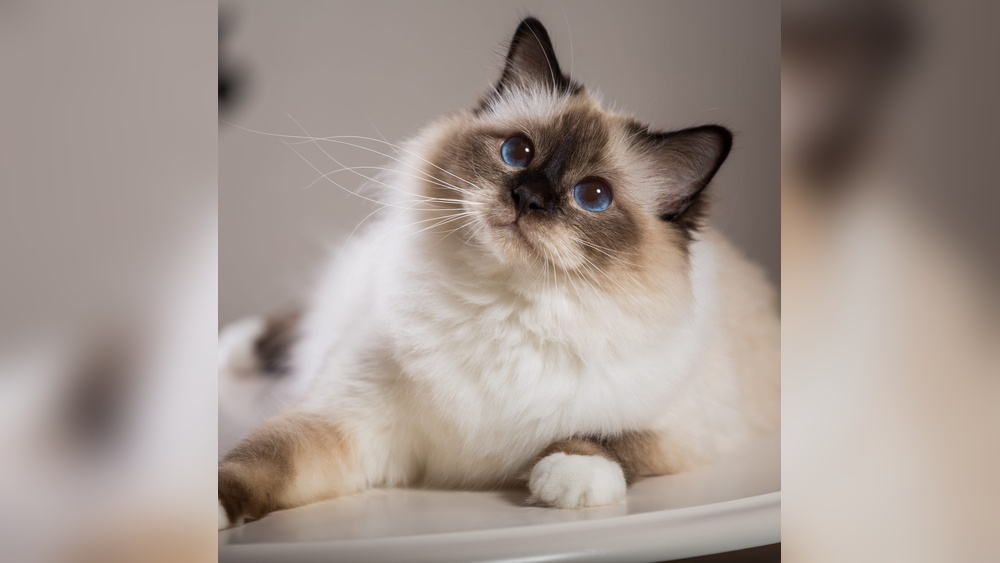
Ragdoll
Ragdolls are famous for their calm and sweet personality. They often go limp when held, like a soft ragdoll. These cats love to follow their owners around. They enjoy being petted and cuddled. Ragdolls are perfect for families or quiet homes. Their gentle nature makes them very easy to handle.
Siamese
Siamese cats are very vocal and social. They like to talk and interact a lot. These cats enjoy being the center of attention. Siamese cats often bond closely with one person. They can be playful and curious too. Their affectionate nature makes them loyal friends.
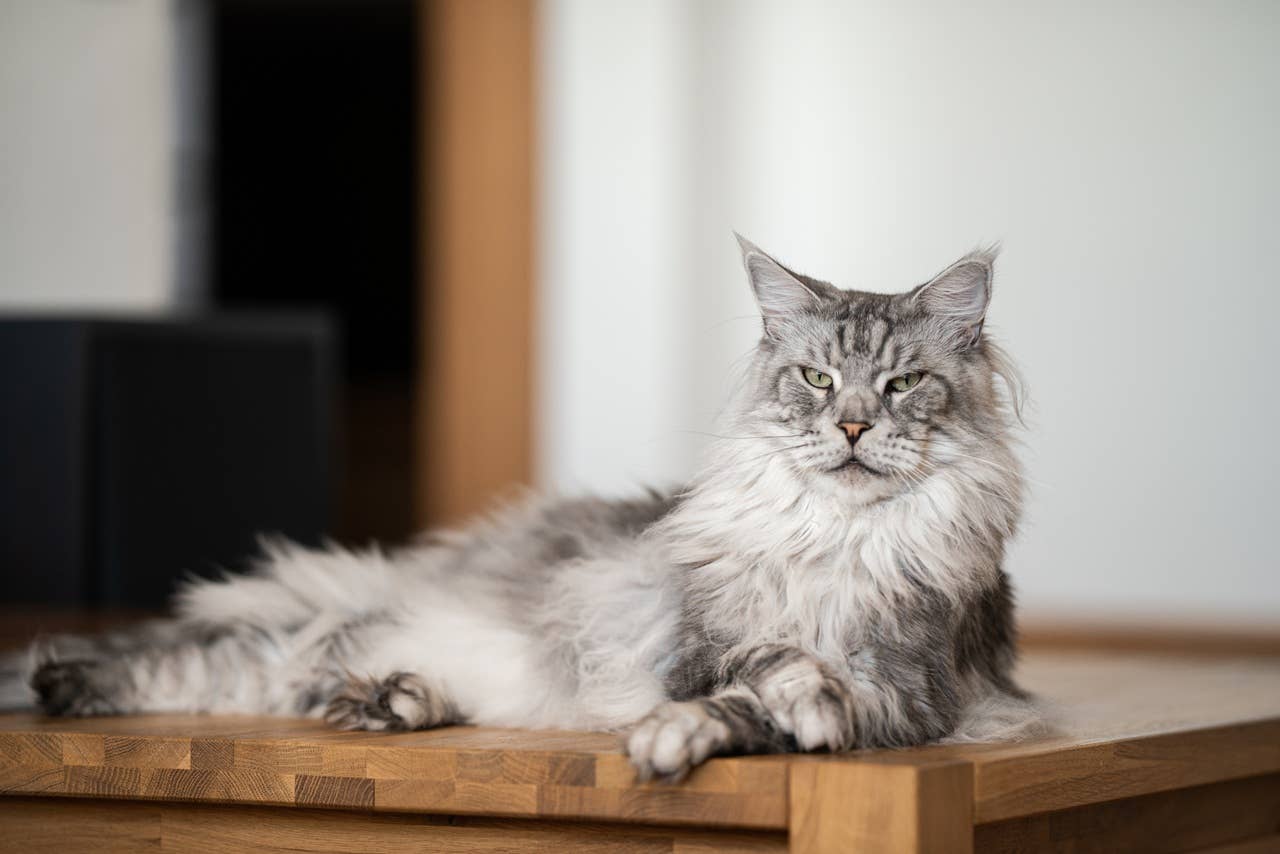
Maine Coon
Maine Coons are large cats with big hearts. They are friendly and love people. These cats enjoy gentle play and petting. Maine Coons often act like dogs, following owners around. They are patient and good with children. Their loving behavior makes them great pets.
Scottish Fold
Scottish Folds are soft-spoken and sweet. They love to sit on laps and relax. These cats are calm and enjoy quiet time. Scottish Folds are very loyal to their families. Their unique folded ears add to their charm. They often seek attention and love from owners.
Breeds Known For Independence
Some cat breeds show strong independence. They enjoy their own space and time. These cats may not seek constant attention or cuddles. Their nature suits owners who like calm and low-maintenance pets.
Such cats still form bonds but on their own terms. They might prefer quiet environments and gentle interactions. Knowing these breeds helps find the right cat for your home.
Bengal
Bengals are active and curious cats. They love to explore and play alone. Bengals enjoy attention but also need personal space. Their wild look matches their lively and independent nature.
They can be affectionate but won’t demand it. Bengals are perfect for owners who like energetic, smart cats.
Russian Blue
Russian Blues are quiet and shy cats. They often hide or watch from a distance. These cats may take time to trust people. They prefer calm homes and gentle voices.
Russian Blues show love quietly and subtly. They enjoy petting but only when they choose.
British Shorthair
British Shorthairs are calm and easygoing. They like to be near their owners but not on their laps. These cats enjoy routine and peaceful settings.
They are affectionate but in a low-key way. British Shorthairs suit families wanting a relaxed, loyal cat.
Behavioral Signs Of Affection In Cats
Cats show affection in many ways. Understanding these signs helps you know how your cat feels. Each cat has its own style of love. Some signs are easy to spot. Others might be quiet and subtle.
Recognizing these behaviors strengthens your bond. Cats use body language and sounds to express care. Watching closely reveals their true feelings.
Purring And Kneading
Purring is a clear sign of comfort and happiness. Cats often purr when they feel safe with you. Kneading, pressing their paws gently on soft surfaces, shows contentment. This behavior comes from kittenhood, a sign of trust and love.
Following You Around
A cat that follows you shows deep attachment. They want to be near you as much as possible. This behavior means they enjoy your company and feel secure. It is a simple way to stay connected.
Head Butting And Nuzzling
Head butting is a friendly gesture cats use to mark you as theirs. Nuzzling your face or hands means they seek closeness. Both actions show affection and trust. These gentle touches are their way of saying “I care.”
How To Encourage Affection In Any Cat
Every cat has its own way of showing love. Some cats are naturally more affectionate. Others take time to warm up. You can help any cat feel safe and loved. It starts with simple steps to encourage closeness. This helps build a strong bond between you and your cat.
Building Trust
Trust is the base of any good relationship. Spend quiet time near your cat without forcing contact. Let your cat come to you. Speak softly and move slowly. Offer treats gently to create positive feelings. Trust grows when your cat feels safe and not scared.
Consistent Interaction
Daily interaction helps cats feel connected. Play with your cat using toys they enjoy. Regular petting sessions can calm your cat. Keep routines steady, so your cat knows what to expect. Predictable actions make cats feel secure and happy.
Respecting Boundaries
Every cat has limits on touch and attention. Notice when your cat wants space. Avoid grabbing or holding tightly. Let your cat decide how much affection it wants. Respecting these limits keeps your cat comfortable and willing to show love.
Credit: paradepets.com
Myths About Cat Affection Debunked
Cats often get a bad reputation for being distant or uncaring. Many believe that cat affection is rare or tied only to certain breeds. These ideas are myths that need clearing up. Understanding cat behavior better helps us enjoy their company more. Let’s explore some common myths about cat affection and set the record straight.
All Cats Are Aloof
Not all cats avoid attention or affection. Many cats love cuddles and seek human company. Personality differs from cat to cat, not just by breed. Some cats are shy, but many are very social and loving. Treating each cat as an individual is key to a strong bond.
Breed Guarantees Personality
No breed promises a fixed personality or affection level. Cats within the same breed can behave very differently. Environment and early experiences shape how affectionate a cat becomes. Expecting a breed to act one way limits understanding of your pet. Each cat’s unique nature matters more than breed labels.
Affection Equals Dependency
Showing love does not make cats overly dependent. Cats can be affectionate and still enjoy independence. Affection is a way to build trust and comfort. Cats balance closeness and freedom naturally. Welcoming a cat’s love does not harm its self-reliance.
Frequently Asked Questions
Which Cat Breeds Are Known To Be Most Affectionate?
Breeds like Ragdoll, Siamese, and Maine Coon are famous for their affectionate nature. They enjoy human interaction and often seek attention. These cats tend to be social, loving, and loyal companions, making them ideal for families wanting a cuddly pet.
Do All Cats Show Affection Equally?
No, cats vary in how they express affection. Personality, breed, and upbringing influence their behavior. Some cats are naturally more reserved, while others crave constant attention and closeness. Understanding your cat’s unique traits helps build a stronger bond.
Can Breed Predict A Cat’s Affection Level?
Breed can give clues about typical behavior but isn’t a guarantee. Individual cats may differ due to environment and socialization. Affection levels depend on both genetics and how you nurture your cat from a young age.
How Can I Encourage Affection In My Cat?
Spend quality time playing, petting, and talking softly to your cat. Positive interactions build trust and affection. Providing a safe, comfortable environment helps your cat feel secure and more likely to show love and companionship.
Conclusion
Certain cat breeds often show more affection than others. Yet, every cat has its own personality. Some shy cats can be very loving too. Spending time and giving care helps build a strong bond. Affection depends on trust, not just breed.
Choose a cat that fits your lifestyle and heart. Love grows with patience and gentle attention. Enjoy the unique love your cat gives every day.